
In the dynamic world of personal finance, understanding the true worth of your assets is paramount. For many, a car represents one of the most significant investments beyond a home. Whether you’re contemplating selling, trading in, buying, or simply want to assess your net worth, the phrase “Blue Book Value” frequently emerges as the gold standard for vehicle valuation. But what exactly is this mystical “Blue Book Value,” how is it determined, and why does it hold such sway over countless financial decisions? This comprehensive guide delves into the intricacies of car valuation, empowering you with the knowledge to make informed financial choices regarding your vehicle.

Understanding the Cornerstone of Car Valuation
The concept of “Blue Book Value” is not merely a colloquialism; it represents a sophisticated system designed to provide a fair and accurate assessment of a vehicle’s worth in the marketplace. For anyone navigating the automotive world, grasping this foundational concept is the first step toward financial literacy in this domain.
What Exactly is “Blue Book Value”?
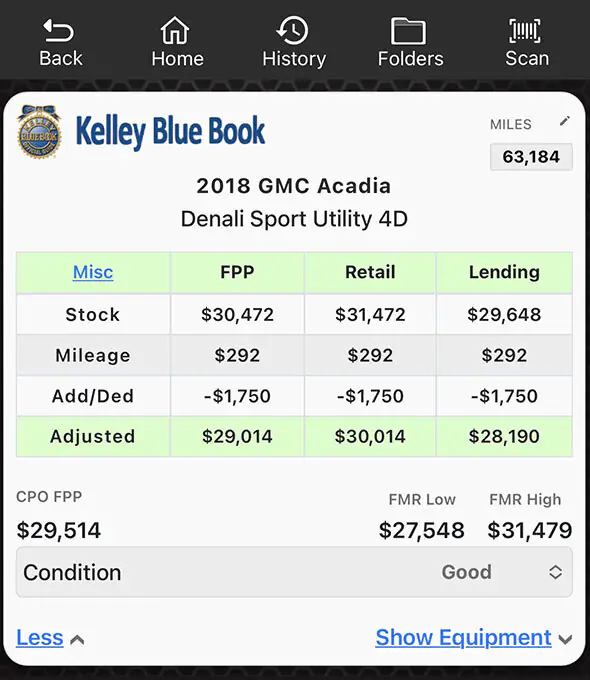
At its core, “Blue Book Value” refers to an estimated market price for a used vehicle, calculated by various independent pricing guides. The most famous and widely recognized of these is Kelley Blue Book (KBB), which has become synonymous with the term itself. These values are not arbitrary; they are derived from vast datasets that include historical sales data, current market trends, geographical considerations, and specific vehicle attributes. The goal is to provide a benchmark that reflects what a car is reasonably worth given its characteristics and prevailing economic conditions. It’s a crucial financial tool that helps both buyers and sellers arrive at an equitable price, reducing guesswork and potential disputes.
The Historical Significance of Kelley Blue Book
Founded in 1926 by Les Kelley, Kelley Blue Book began as a simple list of used car prices. Car dealers would carry the actual “blue books” to appraise vehicles, hence the enduring name. Over decades, KBB evolved from a paper-based guide to a sophisticated digital platform, but its mission remains the same: to provide transparent, reliable, and up-to-date vehicle valuations. Its long history and consistent methodology have cemented its position as a trusted authority, making its valuations a critical reference point in transactions involving individuals, dealerships, and financial institutions alike. The trust placed in KBB’s valuations by millions of consumers and professionals underscores its financial significance.
Why This Valuation Matters to Your Finances
Knowing your car’s Blue Book Value transcends mere curiosity; it’s a fundamental piece of financial intelligence. For sellers, it dictates a reasonable asking price, preventing undervaluation or overpricing that could deter buyers. For buyers, it acts as a safeguard against overpaying, ensuring they secure a fair deal. Financial institutions rely on these values for loan approvals, determining how much they are willing to lend based on the collateral’s worth. Insurance companies use it to calculate payouts in the event of theft or total loss. Furthermore, it plays a role in personal financial planning, allowing you to accurately assess the depreciating value of an asset in your net worth calculations. In essence, understanding your car’s Blue Book Value is indispensable for sound financial decision-making in the automotive sector.
Key Factors That Drive Your Car’s Worth
The Blue Book Value of a vehicle is not a fixed number; it’s a dynamic figure influenced by a multitude of factors, each contributing to its overall financial assessment. A deeper understanding of these variables allows car owners to better anticipate and potentially influence their vehicle’s valuation.
The Big Four: Make, Model, Year, and Mileage
These are the most fundamental determinants of a car’s value. The make (e.g., Honda, BMW) and model (e.g., Civic, 3 Series) establish its brand reputation, reliability, and market demand, which directly impacts its financial appeal. The year of manufacture is a primary indicator of a car’s age, with newer vehicles generally commanding higher prices due to less wear and tear, updated technology, and longer expected lifespans. Mileage, perhaps the most significant single factor after age, directly correlates with the car’s remaining mechanical life. Lower mileage typically signifies less wear, translating to a higher Blue Book Value. High mileage, conversely, suggests extensive use and a greater likelihood of future maintenance, thus reducing its worth. These four elements form the baseline upon which all other factors build.
Condition: The Interior, Exterior, and Mechanical Health
Beyond age and mileage, the physical and mechanical condition of your car plays a crucial role in its valuation. A car with a pristine exterior, free of dents, scratches, and rust, will fetch a higher price than one showing obvious signs of neglect. Similarly, a well-maintained interior—clean upholstery, intact dashboards, and fully functional electronic components—signifies care and attention, boosting its financial appeal. However, the most critical aspect of condition is often unseen: the mechanical health. A car with a perfectly running engine, smooth transmission, functional brakes, and a clean bill of health from a mechanic will always be valued higher than one with known issues or a history of significant repairs. Valuation guides provide different categories for condition (e.g., “excellent,” “good,” “fair,” “poor”), and accurately assessing your car’s condition is vital for an accurate Blue Book estimate.
Features, Options, and Market Dynamics
Optional features and accessories can significantly sway a car’s value. Premium sound systems, navigation, leather seats, sunroofs, advanced driver-assistance systems (ADAS), and upgraded wheel packages can make a vehicle more desirable and thus increase its Blue Book Value. However, not all additions hold their value equally, and some after-market modifications might even detract from it if they appeal to a niche audience rather than the general market. Beyond individual features, broader market dynamics exert considerable influence. Economic recessions, shifts in fuel prices, consumer preferences for specific body styles (e.g., SUVs versus sedans), and even supply chain issues can cause fluctuations in demand and, consequently, vehicle values. For instance, strong demand for used trucks or fuel-efficient hybrids can drive up their Blue Book Value irrespective of their age or mileage.
The Impact of Vehicle History: Accidents and Maintenance Records
A car’s history report, often accessible through services like CARFAX or AutoCheck, provides a detailed account of its past, including previous owners, service history, and, critically, any reported accidents or damage. A clean history, indicating no accidents, flood damage, or salvage titles, is paramount for a high Blue Book Value. Even minor accidents, if reported, can reduce a car’s worth due to perceived structural integrity issues or diminished resale confidence. Conversely, a comprehensive maintenance record, demonstrating regular oil changes, tire rotations, and timely repairs, signals a responsible owner and a well-cared-for vehicle. This transparency builds trust and can positively impact the valuation, often justifying a higher asking price. From a financial perspective, investing in regular maintenance and keeping meticulous records is an investment in your car’s future resale value.
Navigating the Valuation Process: How to Find Your Car’s Value
Determining your car’s Blue Book Value is a crucial step in any automotive financial transaction. Fortunately, with the advent of digital tools, this process has become remarkably accessible and user-friendly. However, understanding how to use these tools effectively and interpret their results is key to obtaining an accurate and financially beneficial estimate.
Leveraging Online Valuation Tools (KBB, Edmunds, NADAguides)
The internet has revolutionized car valuation, making it easy for anyone to access detailed estimates from the comfort of their home. The prominent players in this space are Kelley Blue Book (KBB.com), Edmunds, and NADAguides. Each offers a user-friendly interface where you input your vehicle’s specifications to receive an estimated value. While KBB is often the go-to, checking multiple sources can provide a more comprehensive picture. Edmunds, for example, often provides an “appraisal” value based on real dealer transactions, while NADAguides (now J.D. Power Vehicle Values) is frequently used by financial institutions. Comparing these different estimates can help you establish a realistic range for your car’s market value, allowing for more robust financial planning and negotiation.
Inputting Accurate Data for Precise Results

The accuracy of your Blue Book Value estimate hinges entirely on the data you provide. It’s imperative to be as precise and honest as possible when entering your vehicle’s details. This includes the exact year, make, model, trim level, engine type, transmission, drive type, and specific options or features (e.g., navigation system, sunroof, heated seats). Crucially, you must accurately report the current mileage and, most importantly, the car’s condition. Overstating your car’s condition (e.g., rating a “good” car as “excellent”) will lead to an inflated value that won’t hold up in the real market, potentially leading to disappointment and financial miscalculations. Take the time to genuinely assess your vehicle’s interior, exterior, and mechanical state before selecting a condition category.
Deciphering Different Value Types: Trade-In, Private Party, and Retail
Online valuation tools typically provide several distinct value types, each relevant to different financial scenarios:
- Trade-In Value: This is the amount a dealership is likely to offer you if you trade in your vehicle towards the purchase of another. This value is generally the lowest because the dealer needs to profit from reselling your car, which involves reconditioning costs, marketing, and overhead. From a financial perspective, it’s the most convenient but often the least lucrative selling option.
- Private Party Value: This is the estimated price you can expect to receive if you sell your car directly to another individual. It’s typically higher than the trade-in value because you’re cutting out the middleman (the dealership’s profit margin). While potentially more financially rewarding, it also involves more effort on your part, including advertising, showing the car, and handling paperwork.
- Retail Value: This represents the price you would likely pay if you were buying a similar car from a dealership. It’s usually the highest value because it accounts for the dealership’s reconditioning, warranty, overhead, and profit. Understanding retail value is essential if you’re buying a used car, as it gives you a benchmark for fair pricing.
Knowing which value type applies to your situation is critical for setting financial expectations and strategizing your approach to buying or selling.
Beyond the Digital: Professional Appraisals and Local Market Insights
While online tools offer excellent initial estimates, for unique vehicles, classic cars, or in situations involving insurance claims or legal disputes, a professional appraisal might be necessary. Certified appraisers conduct thorough inspections and provide a legally recognized valuation that often considers nuanced factors beyond standard online algorithms. Additionally, local market insights can subtly influence your car’s true financial worth. Demand for certain models can vary by region. For instance, SUVs and 4x4s might command higher prices in snowy climates, while convertibles might be more sought after in sunnier locales. Checking local classifieds, dealership inventories, and recent sales data for comparable vehicles in your area can provide valuable context and help you fine-tune your financial expectations.
Strategic Applications of Your Car’s Blue Book Value
Possessing knowledge of your car’s Blue Book Value is not just about having a number; it’s about leveraging that information to make financially savvy decisions across various automotive scenarios. This knowledge can save you money, secure better deals, and protect your investment.
Selling Your Car: Setting the Right Price and Negotiation
When it comes to selling your car, the Blue Book Value is your most powerful financial tool. It helps you set a realistic and attractive asking price, positioning your car competitively in the market. If you price too high, you risk alienating potential buyers and prolonging the sale. Price too low, and you leave money on the table. The “Private Party Value” is usually the best guide here. Armed with this knowledge, you can confidently justify your price to prospective buyers. During negotiations, understanding the upper and lower bounds of your car’s value allows you to stand firm on a fair price while also knowing when to be flexible. It transforms the selling process from a guessing game into a strategic financial transaction.
Trading In: Maximizing Your Dealer Offer
For many, the convenience of trading in a car at a dealership is appealing, but it often comes at a financial cost. Dealers typically offer the “Trade-In Value,” which is lower than the private party sale price. However, knowing your car’s accurate trade-in value empowers you to negotiate effectively. If a dealer offers significantly less than the Blue Book trade-in value, you have concrete data to challenge their offer or seek quotes from other dealerships. Remember that a dealer’s willingness to offer more for a trade-in can sometimes depend on the profit margin they anticipate making on the car you’re buying. By separating the trade-in negotiation from the new car purchase negotiation, you can often secure a better overall financial outcome.
Buying a Used Car: Smart Shopping and Fair Deals
The Blue Book Value is equally critical when you’re buying a used car. The “Retail Value” provides a benchmark for what you should expect to pay if buying from a dealership, while the “Private Party Value” guides you when purchasing from an individual. By researching the Blue Book Value of any car you’re considering, you can quickly identify overpriced vehicles and avoid costly mistakes. It gives you leverage to negotiate a fair price, especially if the seller’s asking price exceeds the established value. It also allows you to allocate your budget effectively, ensuring you’re paying a fair price for the condition, mileage, and features of the vehicle you intend to buy, thus safeguarding your personal finances.
Insurance and Refinancing: Protecting Your Investment
Beyond buying and selling, your car’s Blue Book Value has significant implications for insurance and refinancing. In the event of a total loss or theft, insurance companies typically use an equivalent of the Blue Book Value (often the actual cash value or ACV, which factors in depreciation) to determine your payout. Knowing this value ensures you have adequate coverage and allows you to challenge an insurer’s lowball offer if it doesn’t align with market realities. For refinancing a car loan, lenders assess your car’s current value to determine the loan-to-value (LTV) ratio. A higher LTV (meaning the loan amount is much greater than the car’s value) can make refinancing more difficult or result in less favorable terms. Understanding your car’s value helps you monitor your equity and make informed decisions about managing your automotive debt.
Maximizing Your Car’s Financial Potential
While depreciation is an unavoidable reality for most vehicles, there are proactive steps you can take to mitigate its impact and maintain or even enhance your car’s Blue Book Value. These strategies are not just about aesthetics; they are sound financial investments in your asset.
Proactive Maintenance and Detailed Records
One of the most effective ways to preserve your car’s value is through proactive and regular maintenance. Sticking to the manufacturer’s recommended service schedule, addressing minor issues promptly, and using quality parts and fluids all contribute to a longer lifespan and better mechanical condition. Just as crucial is keeping detailed records of all maintenance and repairs. A folder filled with receipts and service invoices provides tangible proof of your car’s excellent care, reassuring potential buyers or appraisers. This documented history can often justify a higher asking price, as it demonstrates responsibility and reduces perceived risk for the next owner, making it a wise financial habit.
Cosmetic Care and Minor Repairs
While major mechanical issues are significant, the cosmetic condition of your car can also heavily influence its perceived value. Regular washing, waxing, and interior cleaning can prevent wear and tear from becoming permanent. Addressing minor dents, scratches, and dings, even through paintless dent repair, can significantly improve your car’s curb appeal and prevent rust formation. Similarly, replacing worn-out floor mats, repairing small tears in upholstery, or fixing non-functioning cabin lights are relatively inexpensive fixes that can create a strong positive impression. These small investments in cosmetic care often yield a disproportionately positive return in the car’s Blue Book Value, making them smart financial expenditures.
Timing Your Sale or Trade-In
The automotive market, like any other, experiences seasonal fluctuations and trends that can impact your car’s value. For instance, convertibles might fetch a higher price in spring or summer, while SUVs and AWD vehicles might be more desirable in colder months. New model year releases can also cause older models to depreciate more rapidly. Keeping an eye on these market cycles can help you determine the optimal time to sell or trade in your vehicle for the best possible financial outcome. Sometimes, waiting a few months can make a significant difference in the offers you receive, turning patience into a financial gain.
In conclusion, the “Blue Book Value” of your car is far more than just a number; it’s a critical financial indicator that underpins numerous decisions throughout your vehicle ownership journey. From ensuring fair transactions when buying or selling, to securing appropriate insurance coverage and understanding your personal net worth, this valuation empowers you with financial clarity and control. By understanding how it’s determined, accurately assessing your vehicle, and taking proactive steps to maintain its condition, you can confidently navigate the automotive market and maximize the financial potential of one of your most valuable assets.
aViewFromTheCave is a participant in the Amazon Services LLC Associates Program, an affiliate advertising program designed to provide a means for sites to earn advertising fees by advertising and linking to Amazon.com. Amazon, the Amazon logo, AmazonSupply, and the AmazonSupply logo are trademarks of Amazon.com, Inc. or its affiliates. As an Amazon Associate we earn affiliate commissions from qualifying purchases.