
Understanding the monetary worth of your vehicle is a cornerstone of responsible personal finance. Whether you’re contemplating a trade-in, planning a private sale, seeking financing, or even assessing insurance needs, knowing your car’s “Blue Book Value” is indispensable. This figure serves as a crucial benchmark, reflecting what your vehicle is reasonably worth in the current market. Far from being an arbitrary number, it’s a dynamic assessment influenced by a multitude of factors, helping you make informed financial decisions regarding one of your most significant assets. In a world where financial literacy is paramount, demystifying car valuation is an essential step towards maximizing your automotive investment.

Demystifying the “Blue Book” and Its Importance
The term “Blue Book Value” has become synonymous with vehicle valuation, but its origins and implications are often misunderstood. It refers primarily to Kelley Blue Book (KBB), one of the most recognized and trusted sources for car pricing information in the United States. However, other reputable sources like NADAguides (now J.D. Power Valuation Services) and Edmunds also provide comprehensive valuation data, each with slightly different methodologies and market focuses. These services aggregate vast amounts of transactional data, market trends, and vehicle-specific details to generate estimated values that guide buyers and sellers alike.
The Origins of Car Valuation Guides
The concept of a standardized guide for vehicle pricing dates back to 1918 when Les Kelley began publishing a list of used car values. What started as a local guide for car dealers in Southern California eventually grew into Kelley Blue Book, a nationwide standard. Before such guides existed, car valuation was a far more opaque process, largely dependent on individual dealer discretion and local market knowledge, making it difficult for consumers to gauge fair prices. The introduction of these systematic valuation methods brought much-needed transparency and consistency to the automotive market, empowering consumers with data-driven insights. These guides don’t just pull numbers out of thin air; they are sophisticated analytical tools that process millions of data points to provide accurate, real-time valuations. They track sales prices, auction results, economic indicators, and consumer demand to present a holistic picture of a vehicle’s worth.
Why Your Car’s Value Matters: Beyond Just Selling
The importance of knowing your car’s Blue Book value extends far beyond simply getting a fair price when you decide to sell or trade it in. It impacts several critical financial aspects of car ownership:
- Selling or Trading In: This is the most obvious application. Armed with an accurate valuation, you can confidently negotiate with dealers or private buyers, ensuring you receive a fair return on your investment. Without this knowledge, you risk leaving money on the table or overpricing your vehicle, making it difficult to sell.
- Purchasing a Used Car: As a buyer, knowing the Blue Book value of a car you’re interested in prevents you from overpaying. It helps you understand if the asking price is reasonable given the car’s condition, mileage, and features.
- Insurance Coverage: Your car’s actual cash value (ACV), which often correlates with its Blue Book value, plays a significant role in determining your insurance premiums and the payout you might receive in the event of a total loss. Overinsuring or underinsuring can have substantial financial consequences.
- Refinancing Your Auto Loan: If you’re considering refinancing your car loan, lenders will assess your vehicle’s current market value to determine your loan-to-value (LTV) ratio. A strong Blue Book value can help you secure better interest rates and terms.
- Estate Planning and Taxation: For purposes of estate planning, inheritances, or certain tax situations, an accurate valuation of assets like a vehicle is often required.
- Budgeting for Future Purchases: Understanding depreciation rates and your current car’s value helps you budget more effectively for your next vehicle purchase, allowing you to anticipate equity and potential down payments.
In essence, the Blue Book value acts as a financial compass, guiding you through various stages of vehicle ownership and ensuring you make financially sound decisions at every turn.
Key Factors That Drive Your Car’s Market Value
Determining your car’s Blue Book value isn’t a one-size-fits-all calculation. It’s a nuanced process influenced by a dynamic interplay of specific vehicle attributes and broader market forces. Each factor contributes to the final valuation, sometimes significantly altering the price.
Core Vehicle Specifications: Make, Model, Year, and Trim
These are the fundamental identifiers that form the base of your car’s value. The make (e.g., Honda, BMW) and model (e.g., Civic, 3 Series) dictate brand perception, reliability expectations, and general market demand. The year of manufacture directly impacts depreciation, with newer cars typically commanding higher prices before gradually losing value over time. The trim level is equally crucial, as it defines the original features, engine options, and luxury appointments of the vehicle. A base model will naturally have a lower valuation than a top-tier trim with premium packages, even if they are the same make, model, and year. For instance, a Honda Civic EX will generally be worth more than a Civic LX from the same year due to its additional features like a sunroof, alloy wheels, and a more powerful engine.
Mileage: The Wear and Tear Indicator
Mileage is arguably one of the most significant determinants of a used car’s value. It serves as a direct proxy for the amount of wear and tear a vehicle has accumulated. A car with unusually high mileage for its age will typically see a substantial reduction in value, as it suggests more extensive use and potentially greater future maintenance needs. Conversely, a car with significantly lower-than-average mileage for its age often commands a premium. While modern vehicles are designed for longevity, high mileage can still signal a higher risk of impending repairs for many buyers, thus impacting its perceived value.
Condition, Maintenance, and Vehicle History
Beyond the basic specifications and mileage, the physical and mechanical condition of your vehicle plays a pivotal role. This encompasses:
- Exterior Condition: Are there dents, scratches, rust, or faded paint? Pristine paintwork and an unblemished body contribute positively, while cosmetic imperfections detract from value.
- Interior Condition: The state of the upholstery, dashboard, carpets, and headliner matters. Stains, tears, excessive wear, or lingering odors (e.g., smoke) will reduce appeal and value.
- Mechanical Condition: This is paramount. A car with a well-maintained engine, transmission, brakes, and tires inspires confidence. Any known mechanical issues or warning lights will significantly depress the value, as potential buyers factor in repair costs.
- Maintenance History: A complete and verifiable service record is a powerful asset. It demonstrates that the car has been properly cared for and can mitigate concerns about future reliability. Lack of maintenance records can raise red flags for potential buyers.
- Vehicle History Report (VHR): Reports from services like CARFAX or AutoCheck provide invaluable insights into a car’s past. A clean VHR, free of accidents, flood damage, salvage titles, or extensive repairs, will command a higher value. Any adverse history, particularly major accidents or structural damage, will significantly diminish the car’s worth.
Regional Demand and Market Dynamics
While a car might have an inherent value based on its attributes, local market demand and broader economic factors can cause fluctuations. Certain models might be more popular in specific regions, leading to higher prices. For example, SUVs and all-wheel-drive vehicles often command higher prices in snowy climates. Economic conditions, fuel prices, and even new model releases can influence used car values. A sudden spike in gas prices, for instance, might decrease demand and value for large, fuel-inefficient vehicles, while boosting interest in hybrids or smaller, economical cars. Dealers’ inventory levels and consumer buying trends also contribute to these market dynamics, making it essential to consider local context when evaluating your car.
Navigating Online Tools for Accurate Valuation
In the digital age, determining your car’s Blue Book value has become remarkably accessible thanks to a host of online valuation tools. These platforms leverage extensive databases and sophisticated algorithms to provide estimates, empowering individuals with vital financial information at their fingertips. However, it’s crucial to understand how to use these tools effectively and interpret their results accurately.

Step-by-Step Guide to Using Valuation Websites
The process of obtaining an online valuation is generally straightforward across major platforms like Kelley Blue Book (KBB.com), Edmunds.com, and J.D. Power (formerly NADAguides.com):
- Identify Your Vehicle: Start by entering your car’s year, make, model, and trim level. Many sites allow you to enter your Vehicle Identification Number (VIN) for greater accuracy, as it automatically pulls up all factory specifications.
- Input Mileage: Provide your car’s current odometer reading. Be precise, as mileage is a critical factor.
- Assess Condition Accurately: This is perhaps the most subjective but vital step. Valuation tools will prompt you to describe your car’s condition, often with categories like “Excellent,” “Good,” “Fair,” or “Poor,” along with detailed questions about specific features, damage, or wear. Be honest and realistic. Overstating your car’s condition will lead to an inflated estimate that won’t hold up in a real-world transaction. Consider common wear and tear versus significant damage.
- List Optional Features: Include any factory-installed options or packages, such as a sunroof, navigation system, premium sound system, leather seats, or specific wheel upgrades. These can add significant value.
- Select Your Location: Enter your zip code. As discussed, local market conditions can influence prices, so this ensures the valuation reflects your geographical area.
- Review the Results: The tool will then generate various value estimates.
Understanding Different Valuation Categories (Trade-in, Private Party, Retail)
Most valuation websites provide multiple figures, each representing a different transaction scenario:
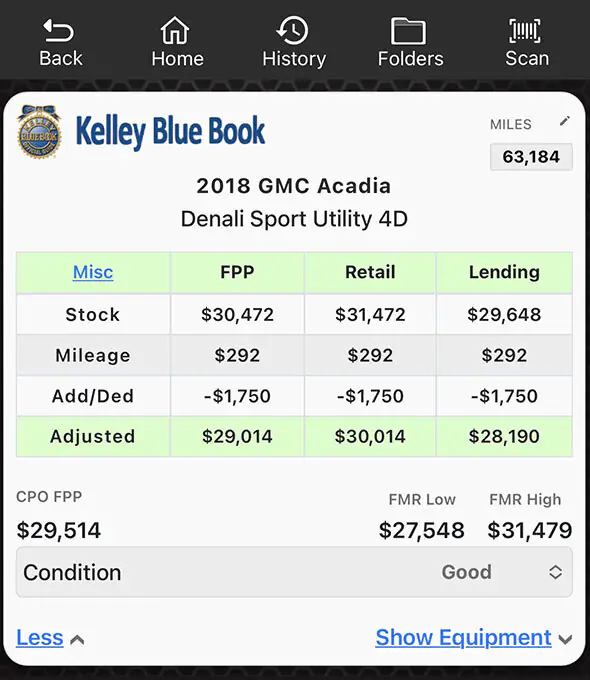
- Trade-in Value: This is the lowest estimate, representing the amount a dealership would offer you for your car if you’re trading it in towards a new or used vehicle purchase. Dealers need to recondition the car, market it, and make a profit, so their offer will be conservative.
- Private Party Value: This is the estimated price you can expect to receive if you sell your car directly to another individual. This value is typically higher than the trade-in value but lower than retail, as you cut out the dealer’s overhead and profit margin.
- Retail Value: This is the highest estimate, reflecting what you would likely pay for the same car if you bought it from a dealership. This price includes the dealer’s profit, reconditioning costs, and warranty (if applicable).
- Instant Cash Offer: Some platforms, like KBB, offer an “Instant Cash Offer” where participating dealers provide a guaranteed offer to buy your car, often slightly above trade-in but below private party value, offering convenience for a quick sale.
Understanding these distinctions is crucial for setting realistic financial expectations based on your selling strategy.
The Limitations of Online Estimates
While online valuation tools are incredibly useful, they provide estimates, not definitive prices. Several factors can cause real-world transaction prices to differ:
- Subjectivity of Condition: Your assessment of “Good” might differ from a buyer’s or dealer’s. A professional appraisal might be necessary for very unique or high-value vehicles.
- Unforeseen Market Fluctuations: Rapid shifts in demand, fuel prices, or economic conditions can make online estimates slightly outdated.
- Undisclosed Issues: An online tool can’t account for hidden mechanical problems that a thorough pre-purchase inspection might reveal.
- Seller’s Negotiation Skills: The final price can always be influenced by effective negotiation, regardless of the initial valuation.
- Niche Market Variations: For extremely rare or highly customized vehicles, standard online tools might not capture their true value accurately.
Always use online valuations as a strong starting point for your financial planning and negotiations, but be prepared for slight variations in the actual transaction.
Strategies to Enhance and Maximize Your Car’s Value
Knowing your car’s Blue Book value is the first step; actively working to enhance and preserve that value is a smart financial strategy. A little effort can often translate into hundreds, if not thousands, of additional dollars when it comes to selling your vehicle. Maximizing your car’s worth isn’t just about superficial fixes; it involves a holistic approach to maintenance, presentation, and strategic timing.
Smart Maintenance and Minor Repairs
Consistent and proactive maintenance is the single most impactful way to retain your car’s value over time. An engine that runs smoothly, brakes that are responsive, and tires with good tread depth not only ensure safety but also signal to potential buyers that the car has been well cared for.
- Routine Servicing: Stick to the manufacturer’s recommended maintenance schedule. Regular oil changes, fluid checks, filter replacements, and tire rotations prevent larger, more expensive problems down the line.
- Address Warning Lights Promptly: Don’t ignore a “Check Engine” light or other dashboard warnings. These often indicate issues that, if left unaddressed, can lead to significant mechanical failures and drastically reduce your car’s appeal and value.
- Fix Minor Cosmetic Issues: Small dents, scratches, or chipped paint might seem insignificant, but they accumulate and give an impression of neglect. Consider paintless dent repair for minor dings or touch-up paint for small scratches. Replace cracked windshields or broken mirrors.
- Tires and Brakes: Ensure tires have adequate tread and are properly inflated. Worn tires are an immediate red flag. Similarly, properly functioning brakes are a safety essential and a key selling point. If they’re nearly worn, consider replacing them.
- Headlight Restoration: Oxidized or yellowed headlights significantly age a car’s appearance. Restoration kits are inexpensive and can make a big visual difference.
These relatively small investments in maintenance and minor repairs can yield a significant return by boosting buyer confidence and justifying a higher asking price.
Presentation Matters: Detailing and Documentation
The way your car is presented significantly influences its perceived value. A clean, well-organized vehicle immediately suggests a caring owner, while a dirty, cluttered car signals neglect.
- Professional Detailing: Consider a professional interior and exterior detail. This goes beyond a simple wash; it includes waxing, polishing, carpet shampooing, upholstery cleaning, and thorough cleaning of all surfaces. A fresh-smelling, spotless interior is incredibly inviting.
- Clear Out Personal Items: Before showing the car, remove all personal belongings, trash, and clutter. A clean slate allows potential buyers to envision themselves in the car.
- Engine Bay Cleaning: A clean engine bay shows that you care about the car’s mechanics, even if it’s just a simple wipe-down.
- Gather Service Records: Compile all maintenance receipts, repair invoices, and any warranty information into a neat folder. This documentation provides concrete proof of proper care and adds immense credibility. It substantiates your claims about the car’s condition and history, making it a powerful selling tool.
- Vehicle History Report: Consider purchasing a CARFAX or AutoCheck report yourself to present to potential buyers. Transparency builds trust and can expedite the sale process.
Timing Your Sale for Optimal Returns
Market timing can also play a role in maximizing your car’s value. While not always feasible to control, being aware of these trends can be advantageous:
- Seasonal Demand: Convertibles and sports cars might fetch higher prices in spring and summer, while SUVs and all-wheel-drive vehicles see increased demand in fall and winter in colder climates.
- New Model Releases: The release of a new generation of your specific car model can cause the value of the older generation to dip. If possible, selling before a major redesign is announced can be beneficial.
- Mileage Milestones: Try to sell your car before it hits major mileage milestones (e.g., 50,000, 75,000, 100,000 miles). These round numbers often trigger a psychological depreciation in buyers’ minds, even if the car is in excellent condition.
- Economic Conditions: General economic health, interest rates, and consumer confidence can all subtly influence the used car market. During periods of economic uncertainty, buyers might be more conservative with their spending.
By combining meticulous maintenance, impeccable presentation, and a strategic eye on market timing, you can significantly bolster your car’s Blue Book value, ensuring you achieve the best possible financial outcome for your automotive asset.
aViewFromTheCave is a participant in the Amazon Services LLC Associates Program, an affiliate advertising program designed to provide a means for sites to earn advertising fees by advertising and linking to Amazon.com. Amazon, the Amazon logo, AmazonSupply, and the AmazonSupply logo are trademarks of Amazon.com, Inc. or its affiliates. As an Amazon Associate we earn affiliate commissions from qualifying purchases.