
In a world increasingly characterized by complex financial landscapes and a myriad of spending opportunities, the concept of a budget often conjures images of restriction, deprivation, or tedious financial spreadsheets. However, to view a budget in such a limited scope is to profoundly misunderstand its true power and purpose. Far from being a mere tool for tracking expenses, a budget is a sophisticated financial blueprint, a strategic roadmap that empowers individuals, families, and businesses to navigate their economic journey with clarity, control, and confidence. It is the cornerstone of sound financial management, transforming vague aspirations into tangible, achievable goals.
At its core, a budget serves as a mirror, reflecting one’s financial reality, while simultaneously acting as a compass, guiding future financial decisions. It demystifies income and expenditure, shining a light on where money comes from and, more critically, where it goes. This understanding is not just about avoiding debt; it’s about optimizing resources, seizing opportunities, and building a secure future. By providing a structured framework for managing money, a budget is less about saying “no” to immediate gratification and more about saying “yes” to long-term financial freedom and stability. It is an active, dynamic process that, when embraced, unlocks a profound sense of control over one’s economic destiny.
Beyond Just Tracking: The Foundational Role of Budgeting
While tracking income and expenses is an undeniable component of budgeting, it is merely the data collection phase of a much broader and more strategic endeavor. The true purpose of a budget extends far beyond simple record-keeping; it’s about establishing a robust foundation for all financial decisions, present and future. It provides the essential context required to make informed choices, prioritize spending, and allocate resources effectively. Without this foundational understanding, financial management remains a reactive and often stressful cycle of crisis management rather than proactive wealth building.
Defining Financial Goals
One of the primary foundational roles of a budget is to connect daily spending habits with overarching financial goals. Whether these goals involve saving for a down payment on a house, funding a child’s education, planning for retirement, starting a business, or simply building a robust emergency fund, a budget provides the mechanism to turn these aspirations into concrete plans. It quantifies what is needed, establishes timelines, and identifies the necessary adjustments in current spending to achieve future objectives. Without a budget, these goals often remain abstract desires, lacking the actionable steps required for their realization. It forces an honest assessment of priorities and translates them into financial commitments.
Understanding Income and Expenses
A budget serves as a comprehensive financial diagnostic tool, offering an unvarnished view of one’s income streams and expenditure patterns. Many individuals operate with a general sense of their financial situation but lack precise figures. A budget meticulously details every dollar earned and spent, classifying expenses into fixed (e.g., rent, loan payments) and variable (e.g., groceries, entertainment). This granular understanding is critical because it reveals the true cost of living and highlights areas where money might be inadvertently slipping away. It’s not uncommon for people to discover significant discrepancies between what they think they spend and what they actually spend, especially in categories like dining out or subscriptions. This clarity is the first step toward effective money management.
Revealing Spending Habits
Perhaps one of the most insightful aspects of budgeting is its ability to reveal deeply ingrained spending habits, both good and bad. By consistently tracking expenditures, patterns emerge that might otherwise go unnoticed. This could include impulse purchases, emotional spending triggers, or recurring expenses that no longer provide value. Recognizing these habits is crucial for sustainable financial improvement. A budget acts as an accountability partner, allowing individuals to confront their financial behaviors head-on and identify opportunities for optimization. This self-awareness empowers individuals to consciously align their spending with their values and financial priorities, rather than allowing unconscious habits to dictate their economic well-being.
Empowering Financial Control: Key Benefits of Budgeting
The ultimate purpose of a budget is to grant individuals and entities a profound sense of control over their financial lives. This control translates into a multitude of tangible benefits that extend far beyond simply having money in the bank; it fosters financial resilience, reduces stress, and opens doors to future possibilities. By actively managing money rather than being managed by it, a budget shifts the financial narrative from one of scarcity and anxiety to one of abundance and opportunity. It provides the foresight needed to prepare for the unexpected and the discipline to pursue long-term prosperity.
Debt Reduction and Avoidance
One of the most immediate and impactful benefits of budgeting is its role in debt management. For those already burdened by debt, a budget provides a structured approach to understand how much can realistically be allocated toward repayment each month, accelerating the path to becoming debt-free. It helps identify superfluous spending that can be redirected to higher-interest debts, thus saving significant amounts in interest payments over time. Crucially, for those without debt, a budget acts as a preventative measure, ensuring that expenses do not consistently exceed income, thereby preventing the accumulation of new debt. It promotes a mindset of living within one’s means, protecting against the insidious cycle of borrowing.
Building Emergency Funds
Life is inherently unpredictable, and unexpected expenses – medical emergencies, car repairs, job loss – can derail even the most carefully laid financial plans. A critical purpose of a budget is to facilitate the creation and maintenance of an emergency fund. By consciously allocating a portion of income towards this fund each month, a budget ensures that when unforeseen circumstances arise, there is a financial cushion to absorb the impact without resorting to high-interest loans or credit cards. This financial safety net provides immense peace of mind and is a hallmark of responsible financial planning, safeguarding against a return to debt or financial instability.
Saving for Future Aspirations
Beyond crisis management, a budget is an indispensable tool for proactive saving towards future aspirations. Whether it’s a dream vacation, a child’s college education, a new home, a significant investment, or early retirement, these goals require consistent, disciplined saving. A budget helps define how much needs to be saved regularly, making these large, long-term goals seem less daunting and more achievable. It transforms abstract desires into concrete saving targets, allowing individuals to track their progress and stay motivated. This proactive approach ensures that future dreams are systematically funded rather than remaining perpetual “someday” ambitions.
Making Informed Financial Decisions
With a clear overview of income, expenses, and savings, a budget empowers individuals to make more informed financial decisions. Should you take on that new car payment? Can you afford to move to a more expensive apartment? Is now the right time to make a significant investment? A budget provides the data necessary to answer these questions objectively. It removes the guesswork and emotional biases that often lead to poor financial choices. By understanding the immediate and long-term implications of each financial decision, individuals can optimize their resources, avoid costly mistakes, and align their spending with their overall financial strategy.
Crafting Your Financial Blueprint: How to Budget Effectively
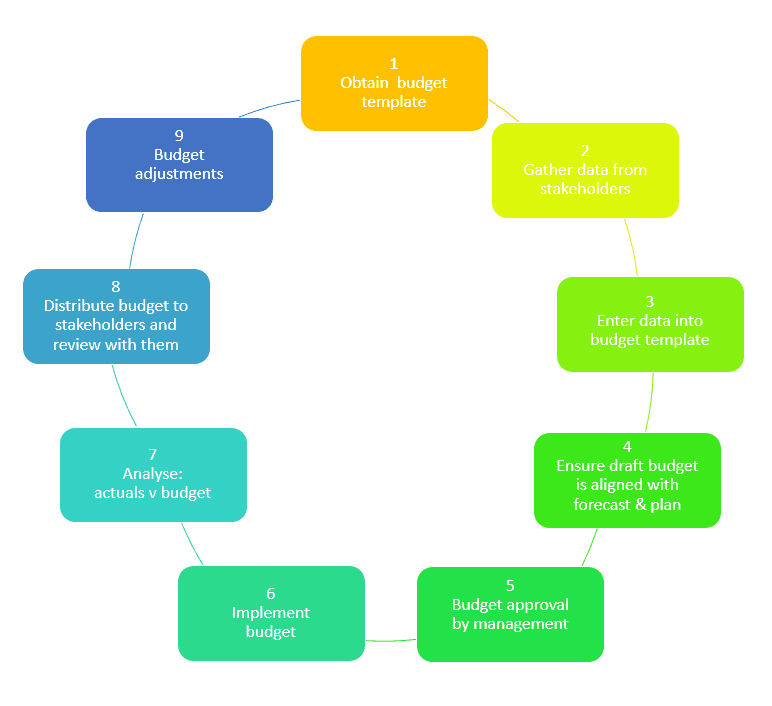
The effectiveness of a budget hinges not just on its existence, but on its thoughtful creation and consistent application. Crafting a financial blueprint requires a systematic approach, choosing suitable methods, leveraging available tools, and committing to regular review and adjustment. It’s an iterative process, evolving alongside life changes and financial growth. Approaching budgeting with a structured methodology transforms it from a daunting task into an empowering routine.
Choosing a Budgeting Method
There isn’t a one-size-fits-all budgeting method; what works for one person may not work for another. The key is to find a system that resonates with your financial personality and lifestyle. Popular methods include:
- The 50/30/20 Rule: Allocating 50% of income to needs, 30% to wants, and 20% to savings and debt repayment. This is a straightforward method for general guidance.
- Zero-Based Budgeting: Assigning every dollar a “job” – whether it’s an expense, saving, or debt repayment – so that income minus expenses equals zero. This method ensures maximum control and accountability.
- Envelope System: A tactile approach where cash is divided into physical envelopes for different spending categories. Once an envelope is empty, spending in that category stops until the next income cycle.
- Pay Yourself First: Prioritizing savings and investments by automatically transferring a set amount from each paycheck before allocating funds to expenses.
Selecting a method that feels manageable and aligns with your financial goals is crucial for long-term adherence.
Tools and Technology for Budgeting
Modern budgeting is significantly aided by a variety of tools and technologies that streamline the process.
- Spreadsheets: For those who prefer manual control, a simple Excel or Google Sheet can be customized to track income and expenses. This offers flexibility and a clear visual representation.
- Budgeting Apps: Apps like Mint, YNAB (You Need A Budget), Personal Capital, or Simplifi offer automated transaction tracking, categorization, goal setting, and insightful reports. They often link directly to bank accounts and credit cards, reducing manual data entry and providing real-time financial insights.
- Online Banking Tools: Many banks and credit unions now offer built-in budgeting features within their online platforms, allowing customers to categorize transactions and visualize their spending directly from their accounts.
The right tool can transform budgeting from a chore into an efficient and even enjoyable activity, providing clarity and reducing the time spent on administrative tasks.
Regular Review and Adjustment
A budget is a living document, not a static decree. Its effectiveness is profoundly enhanced by regular review and adjustment. Life circumstances change – income fluctuates, unexpected expenses arise, goals evolve – and a budget must adapt accordingly.
- Monthly Reviews: At a minimum, review your budget monthly to compare actual spending against budgeted amounts, identify discrepancies, and understand why they occurred. This is also an opportunity to adjust allocations for the upcoming month.
- Quarterly/Annual Reviews: Conduct more comprehensive reviews quarterly or annually to re-evaluate long-term goals, assess overall financial health, and make significant strategic adjustments.
This iterative process ensures that the budget remains relevant, realistic, and an accurate reflection of your current financial situation and future aspirations. Without regular adjustments, a budget quickly loses its utility and becomes another abandoned financial tool.
Navigating Challenges and Sustaining Success: Long-Term Budgeting
While the initial act of creating a budget is a significant step, the true challenge and reward lie in sustaining it over the long term. Life is full of unforeseen circumstances and temptations that can derail even the most dedicated budgeter. Navigating these challenges requires resilience, flexibility, and a commitment to integrating budgeting into one’s lifestyle as an ongoing, dynamic practice. Long-term budgeting isn’t about rigid adherence to a static plan, but rather about developing a financial mindset that embraces adaptability and continuous improvement.
Overcoming Common Budgeting Hurdles
Even with the best intentions, budgeters frequently encounter obstacles.
- Emotional Spending: Purchases driven by stress, boredom, or celebration can quickly blow a budget. Recognizing these triggers and developing coping mechanisms (e.g., waiting 24 hours before buying, finding non-monetary rewards) is crucial.
- Unexpected Costs: Car repairs, medical bills, or home maintenance issues can create budget shortfalls. This underscores the importance of an emergency fund, which a budget helps build.
- Budget Fatigue: The initial enthusiasm for budgeting can wane. To combat this, simplify the process, automate where possible, and focus on the positive outcomes rather than the restrictions.
- Lack of Flexibility: A budget that is too rigid is doomed to fail. Life is dynamic, and a good budget needs room to breathe. Building in a “miscellaneous” or “fun money” category can prevent feelings of deprivation and make the budget more sustainable.
The Importance of Flexibility
Rigidity is the enemy of long-term budgeting success. A sustainable budget must be flexible enough to accommodate life’s inevitable changes and surprises. This doesn’t mean abandoning the budget entirely when an unexpected expense arises; rather, it means having the foresight to adjust. Perhaps you reallocate funds from a less critical category, or temporarily reduce savings contributions for a month to cover an urgent need. The key is to make conscious adjustments rather than letting the budget fall apart. A flexible budget empowers you to adapt without losing control, allowing you to maintain financial discipline even when circumstances shift.
Integrating Budgeting into Your Lifestyle
For budgeting to be truly effective in the long run, it must transition from a sporadic task to an integrated part of your daily or weekly routine. This means making financial check-ins as routine as checking email or exercising.
- Regular Check-ins: Dedicate a specific time each week to review transactions, update categories, and assess progress towards goals.
- Automate Savings: Set up automatic transfers to savings accounts and investment portfolios immediately after receiving income. This “pay yourself first” strategy ensures consistent progress.
- Communicate with Stakeholders: If budgeting as a household or business, foster open and honest communication about financial goals and spending habits. Shared responsibility and understanding improve adherence.
When budgeting becomes a natural part of your financial lifestyle, it ceases to feel like a burden and instead becomes a powerful tool for achieving and maintaining financial well-being.
The Transformative Impact: Budgeting as a Catalyst for Wealth
Beyond its immediate utility in managing daily finances, the purpose of a budget extends to fundamentally transforming an individual’s or entity’s entire financial trajectory. It acts as a powerful catalyst, not just for stability, but for the creation and accumulation of wealth. By fostering discipline, clarity, and foresight, a budget lays the groundwork for financial independence and lasting prosperity, reshaping one’s relationship with money from one of passive consumption to active stewardship.
Achieving Financial Freedom
Financial freedom is often defined as the ability to live the lifestyle you desire without being financially dependent on a job or other external sources of income. A budget is an indispensable tool on this journey. By systematically tracking income and expenses, it allows individuals to identify surplus funds that can be strategically invested to generate passive income. It facilitates aggressive debt reduction, freeing up cash flow that can then be redirected towards wealth-building assets. Over time, the consistent application of a budget moves individuals closer to a state where their assets generate enough income to cover their living expenses, providing ultimate control over their time and choices.
Reducing Financial Stress
Financial stress is a pervasive issue in modern society, impacting mental health, relationships, and overall well-being. A significant purpose of a budget is to alleviate this burden. By bringing clarity to one’s financial situation, providing a roadmap for future goals, and ensuring preparedness for unexpected events (through emergency funds), a budget dramatically reduces anxiety related to money. Knowing exactly where you stand, what you can afford, and how you are progressing towards your goals instills a profound sense of security and confidence. This reduction in stress allows individuals to focus their energy on other important aspects of their lives, enhancing their overall quality of life.

Building Generational Wealth
For many, the purpose of financial planning extends beyond their own lifetime. A budget, particularly in the context of business finance or family financial planning, can be a crucial instrument for building generational wealth. By enabling consistent saving, smart investing, and strategic debt management, a budget can create a surplus that can be passed down to future generations, providing them with a head start. It allows for the funding of trusts, educational endowments, or business ventures that can benefit children and grandchildren. This long-term perspective elevates budgeting from a personal tool to a legacy-building strategy, fostering sustained prosperity for a family or an organization over multiple generations.
In conclusion, the purpose of a budget is multifaceted and profoundly impactful. It is not merely a financial ledger but a dynamic instrument for self-awareness, empowerment, and strategic foresight. From demystifying current financial realities to actively shaping future wealth, a budget serves as the bedrock upon which all sound financial decisions are built. By embracing its principles and committing to its practice, individuals and businesses can transcend financial uncertainty, achieve their most ambitious monetary goals, and ultimately unlock a life of greater security, freedom, and prosperity.
aViewFromTheCave is a participant in the Amazon Services LLC Associates Program, an affiliate advertising program designed to provide a means for sites to earn advertising fees by advertising and linking to Amazon.com. Amazon, the Amazon logo, AmazonSupply, and the AmazonSupply logo are trademarks of Amazon.com, Inc. or its affiliates. As an Amazon Associate we earn affiliate commissions from qualifying purchases.