
In an increasingly complex economic landscape, mastering personal finance is no longer a luxury but a fundamental necessity. At the heart of this mastery lies the practice of budgeting – a systematic approach to managing your income and expenses. Far from being a restrictive chore, a well-crafted budget is a powerful tool for achieving financial freedom, reducing stress, and realizing long-term goals, whether that’s buying a home, saving for retirement, or simply gaining peace of mind about your daily expenditures. This comprehensive guide will demystify the budgeting process, providing practical steps, proven methodologies, and insightful strategies to help you take control of your financial future.

The Imperative of Budgeting: Why It Matters More Than Ever
Budgeting is often perceived as a financial straitjacket, designed to limit enjoyment and impose strict controls. In reality, it is the exact opposite: a liberating framework that empowers you to make informed decisions about your money, aligning your spending with your values and aspirations. In an era marked by rising living costs, economic uncertainties, and an abundance of consumer choices, understanding where your money goes and where it should go is paramount. Without a budget, financial decisions can feel chaotic, leading to overspending, debt accumulation, and missed opportunities for wealth creation.
Beyond Just Saving: The Holistic Benefits of Budgeting
While saving money is a primary outcome of effective budgeting, its advantages extend far beyond a growing bank balance. A robust budget provides clarity, revealing your true financial position and highlighting areas where adjustments can yield significant benefits. It fosters a sense of control, transforming anxiety about bills into confidence about your ability to meet financial obligations. Moreover, budgeting serves as a roadmap for achieving specific financial goals, turning abstract desires into concrete, actionable steps. Whether you dream of early retirement, starting a business, or simply building a robust emergency fund, a budget is the engine that drives you towards those objectives, making them tangible and attainable. It also improves your decision-making, allowing you to discern between needs and wants more effectively, thereby reducing impulsive purchases and fostering mindful consumption.
Common Misconceptions and Overcoming Budgeting Phobia
Many individuals shy away from budgeting due to pervasive myths and anxieties. Some believe it’s too complicated, requiring extensive accounting knowledge or hours of meticulous tracking. Others fear it will strip away their spontaneity and fun. These misconceptions couldn’t be further from the truth. Modern budgeting tools and simplified methodologies have made the process accessible to everyone, regardless of financial literacy. The fear of restriction often stems from a misunderstanding; a budget isn’t about deprivation, but rather about intentional allocation. It’s about giving yourself permission to spend on what truly matters while consciously curtailing expenses that don’t align with your priorities. Overcoming budgeting phobia begins with a shift in perspective: view budgeting not as a constraint, but as a strategic advantage – a personal financial assistant dedicated to your success. Start small, be patient with yourself, and remember that flexibility is key to long-term adherence.
Laying the Foundation: Steps to Build Your Budget
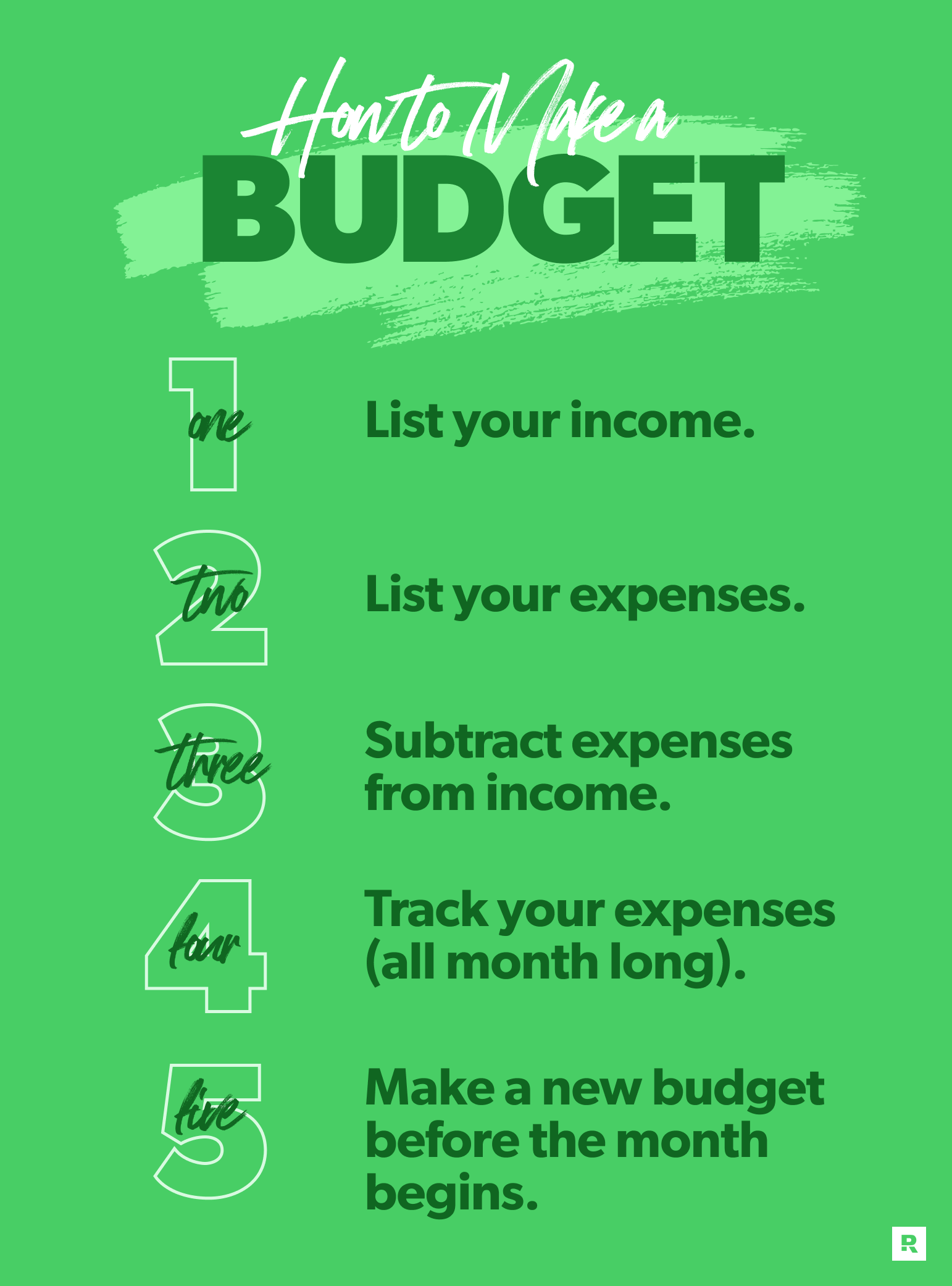
Embarking on your budgeting journey requires a systematic approach. The initial steps are crucial for establishing an accurate baseline and setting realistic expectations. Think of it as mapping out your financial territory before you begin your expedition. Accuracy and honesty during this phase will ensure your budget is a reliable tool, not just a theoretical exercise.
Step 1: Calculate Your Net Income
Your net income is the total amount of money you have available to spend and save after all taxes, deductions, and withholdings have been taken out. This is your take-home pay. For salaried employees, this is usually straightforward; simply refer to your pay stub. If you have multiple income sources (e.g., freelance work, side hustles, rental income), tally all post-tax earnings that you reliably receive each month. It’s critical to use net income, not gross income, as your budget must reflect the actual cash you have in hand. Be realistic and consistent; if your income varies month-to-month, consider using an average of the past few months or budget for your lowest expected income to create a buffer.
Step 2: Track Your Spending Diligently
This is arguably the most enlightening – and sometimes surprising – step. For at least one month (ideally two or three), meticulously track every single dollar you spend. This includes major bills, grocery runs, coffee purchases, subscriptions, entertainment, and even small, seemingly insignificant transactions. Use a notebook, a spreadsheet, a budgeting app, or link your bank accounts to a financial aggregator. The goal here is not to judge your spending, but to gain an honest, unfiltered understanding of where your money is actually going. Many people are shocked to discover how much they spend on certain categories, which they previously underestimated. This data is the bedrock upon which your realistic budget will be built, providing invaluable insights into your spending habits.
Step 3: Categorize Your Expenses (Fixed vs. Variable)
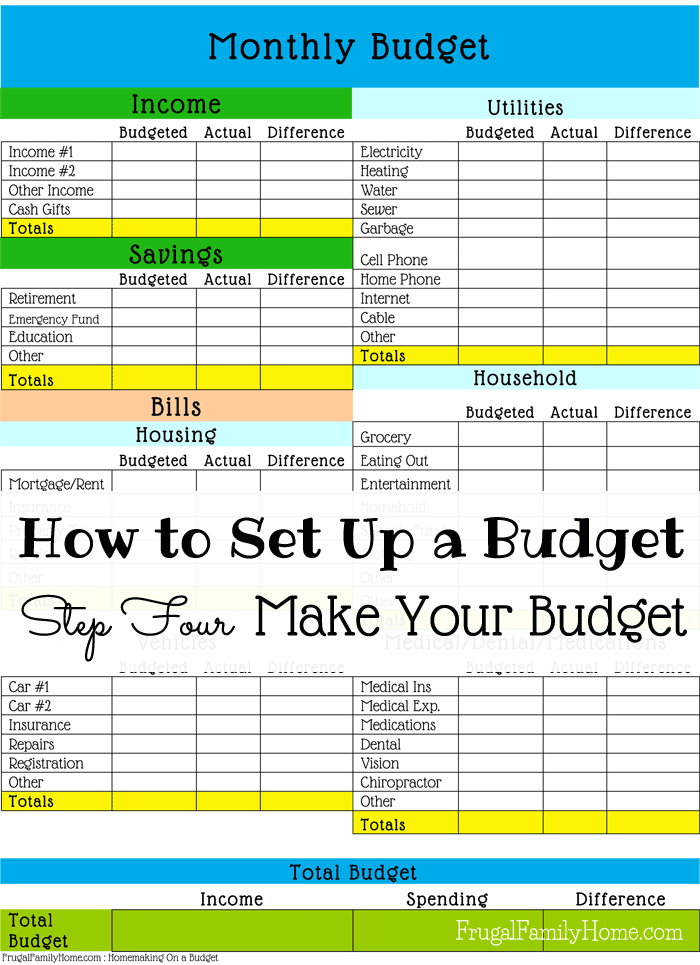
Once you’ve tracked your spending, the next step is to organize it. Group your expenditures into clear categories like housing, transportation, food, utilities, debt payments, entertainment, and personal care. Within these categories, differentiate between fixed and variable expenses.
- Fixed expenses are those that typically remain the same amount each month and are non-negotiable (e.g., rent/mortgage, loan payments, insurance premiums, most subscriptions).
- Variable expenses fluctuate from month to month and offer more flexibility for adjustment (e.g., groceries, dining out, entertainment, clothing, utilities that vary with usage).
Identifying these distinctions is crucial because fixed expenses are harder to change in the short term, while variable expenses are where you’ll find the most opportunities for immediate savings and adjustments. This categorization provides a clear picture of your financial commitments versus your discretionary spending.
Step 4: Set Realistic Financial Goals
With a clear understanding of your income and expenses, you’re ready to define your financial objectives. What do you want your money to do for you? This could involve building an emergency fund (typically 3-6 months of living expenses), paying off high-interest debt, saving for a down payment on a house, contributing to retirement, or planning a vacation. Ensure your goals are SMART: Specific, Measurable, Achievable, Relevant, and Time-bound. For example, instead of “save more money,” aim for “save $5,000 for an emergency fund within 12 months.” Assigning a dollar amount and a timeline makes your goals concrete and provides motivation. Your budget then becomes the practical plan for how you will allocate funds each month to reach these goals, turning aspirations into concrete action.
Popular Budgeting Methodologies for Every Lifestyle
There isn’t a one-size-fits-all approach to budgeting. What works for one person might not suit another’s lifestyle or financial situation. Exploring different budgeting methods allows you to find a system that resonates with your preferences, maximizes your financial control, and is sustainable in the long run. Each method offers a unique perspective on managing your money, from broad allocations to meticulous tracking.
The 50/30/20 Rule: Simplicity for Starters
Developed by Senator Elizabeth Warren and her daughter, Amelia Warren Tyagi, the 50/30/20 rule is an incredibly popular and straightforward budgeting framework. It suggests allocating your after-tax income into three main categories:
- 50% for Needs: These are your essential expenses that you cannot live without, such as housing (rent/mortgage), utilities, groceries, transportation, insurance, and minimum loan payments.
- 30% for Wants: This category includes discretionary spending that improves your quality of life but isn’t strictly necessary, like dining out, entertainment, vacations, hobbies, subscription services beyond essential ones, and shopping for non-essentials.
- 20% for Savings & Debt Repayment: This portion is dedicated to building wealth and reducing debt, including contributions to an emergency fund, retirement accounts, investments, and any debt payments beyond the minimums (e.g., extra payments on credit cards or student loans).
The 50/30/20 rule is ideal for beginners due to its simplicity and flexibility, providing a general guideline that allows for personal customization without rigid, line-by-line tracking. It encourages a balanced approach to spending and saving, making financial management less daunting.
Zero-Based Budgeting: Giving Every Dollar a Job
Zero-based budgeting (ZBB) is a more meticulous method where you allocate every single dollar of your income to a specific category – savings, expenses, or debt repayment – until your income minus your expenses equals zero. The philosophy behind ZBB is that every dollar you earn should have a “job.” Instead of simply tracking what you spend, you proactively decide where each dollar will go before you spend it. This method requires careful planning at the beginning of each month. For instance, if your net income is $4,000, you would ensure that your combined allocations for rent, food, utilities, savings, debt payments, and discretionary spending total exactly $4,000. ZBB provides immense clarity and control, preventing “mystery money” situations where you wonder where your funds disappeared. It’s particularly effective for those who want to be hyper-aware of their spending and maximize every dollar towards their financial goals, making it excellent for debt payoff or aggressive savings.
The Envelope System: A Tangible Approach
The envelope system is a classic, cash-based budgeting method that is particularly effective for managing variable expenses. After calculating your income and setting your budget categories, you withdraw cash for each variable expense category (e.g., groceries, entertainment, personal care) and place it into separate physical envelopes labeled with that category. Once the cash in an envelope is gone for the month, you stop spending in that category until the next budgeting cycle. This method provides an immediate, tangible limit to your spending and makes overspending physically impossible for those categories. It fosters a strong psychological connection to money, as you literally see and feel the funds diminish. While less practical for fixed expenses or online transactions, the envelope system is excellent for individuals who struggle with overspending on discretionary items, offering a hands-on approach to financial discipline.
Pay Yourself First: Prioritizing Savings
“Pay Yourself First” is more of a financial philosophy that can complement any budgeting method rather than a standalone system. The core idea is to prioritize saving and investing by allocating funds to your savings accounts, retirement funds, or investment portfolios before you pay any bills or engage in discretionary spending. The common practice is to automate these transfers to occur immediately after your paycheck hits your account. By doing this, you ensure that your financial goals are met first, and then you adjust your spending on other categories with the remaining money. This method is incredibly powerful for building wealth over time because it removes the temptation to spend money that could otherwise be saved. It flips the traditional budgeting paradigm, making saving a non-negotiable “expense” rather than an afterthought, and instills a disciplined habit that pays significant dividends in the long run.
Leveraging Tools and Technology for Seamless Budgeting
In the digital age, managing your finances has become significantly easier thanks to a plethora of innovative tools and technologies. These resources can streamline the budgeting process, reduce manual effort, and provide real-time insights, making it more engaging and less prone to human error. Embracing technology can transform budgeting from a tedious chore into an empowering and efficient practice.
Digital Budgeting Apps: Your Pocket Financial Assistant
Budgeting apps have revolutionized personal finance management by putting powerful tools directly on your smartphone or computer. Apps like YNAB (You Need A Budget), Mint, Personal Capital, or Simplifi link directly to your bank accounts, credit cards, and investment portfolios, automatically categorizing your transactions. This provides an immediate, holistic view of your financial landscape without manual data entry. Most apps offer features such as goal tracking, bill reminders, customized budgeting categories, spending insights, and net worth calculations. They allow you to set spending limits for various categories and receive alerts when you’re nearing or exceeding those limits. The real-time data and visual representations (charts, graphs) offered by these apps make it easier to stay on top of your finances, identify spending patterns, and make quick adjustments, effectively acting as your personal financial assistant.
Spreadsheet Power: Customization for the Detail-Oriented
For those who prefer a more hands-on approach or have specific, nuanced financial situations, spreadsheets (like Google Sheets or Microsoft Excel) offer unparalleled flexibility and customization. While requiring initial setup and manual data entry (unless integrated with third-party tools or templates), spreadsheets allow you to design a budgeting system that perfectly fits your unique needs. You can create custom categories, complex formulas for projections, detailed net worth trackers, and highly specific goal-tracking dashboards. Numerous free templates are available online, or you can build one from scratch. The power of spreadsheets lies in their adaptability; they can be as simple or as complex as you need them to be, providing a clear, comprehensive overview of your financial data. This method appeals to individuals who enjoy working with data, have specific reporting needs, or prefer complete control over their financial organization without relying on third-party software.
Automation and Alerts: Staying on Track Effortlessly
One of the most powerful aspects of modern financial tools is their ability to automate processes and provide timely alerts, significantly reducing the mental load of budgeting.
- Automated Savings Transfers: Set up automatic transfers from your checking account to your savings or investment accounts on a regular basis (e.g., every payday). This “pay yourself first” strategy ensures your financial goals are consistently funded without you having to remember to do it manually.
- Bill Pay Automation: Schedule automatic payments for all your fixed expenses and recurring bills. This helps prevent late fees, protects your credit score, and frees up mental space, allowing you to focus on variable spending.
- Spending Alerts: Many banking apps and budgeting tools allow you to set up alerts for specific types of transactions (e.g., large purchases), low account balances, or when you approach your budget limits in a particular category. These real-time notifications act as financial guardrails, helping you stay mindful of your spending and avoid overdrafts or overspending.
By leveraging automation and alerts, you can build a robust financial system that largely manages itself, requiring only periodic review and adjustment, thereby increasing your chances of long-term budgeting success.
Sustaining Your Budget: Strategies for Long-Term Success
Creating a budget is an excellent first step, but the true challenge—and reward—lies in its consistent application and adaptation over time. A budget is not a static document; it’s a living tool that must evolve with your life circumstances. Sustaining your budgeting efforts requires discipline, flexibility, and a commitment to continuous improvement.
Regular Reviews and Adjustments: The Dynamic Nature of Finance
Life is unpredictable, and your financial situation will undoubtedly change. Therefore, your budget needs regular reviews and adjustments. Schedule a dedicated time each week or month (e.g., a “money date” with yourself or your partner) to review your spending, compare it against your budget, and assess your progress towards goals. During these reviews, ask yourself:
- Did I stick to my budget categories? If not, why?
- Are my income or expenses significantly different from what I budgeted?
- Have my financial goals changed?
- Are there new opportunities to save or invest?
Based on these insights, be prepared to make adjustments. Perhaps you underestimated your grocery bill, or a new recurring expense has emerged. Flexibly tweaking your budget demonstrates financial maturity and ensures that your budget remains a relevant and effective guide rather than a source of frustration. This iterative process is crucial for long-term adherence and effectiveness.
Building an Emergency Fund: Your Financial Safety Net
One of the most critical components of a stable financial life, and a key output of effective budgeting, is the establishment of an emergency fund. This is a dedicated savings account holding three to six months’ worth of essential living expenses, intended to cover unexpected financial shocks like job loss, medical emergencies, or car repairs. Without an emergency fund, unforeseen events can derail your budget, force you into debt, or erode your progress. Integrate contributions to your emergency fund directly into your budget as a non-negotiable “expense.” Start small if necessary, but prioritize building this safety net before focusing on other aggressive savings or investment goals. An adequately funded emergency account provides immense peace of mind and resilience, protecting your financial well-being and keeping your long-term budget on track during crises.
Debt Management: Integrating Repayment into Your Budget
For many, managing debt is a significant part of their financial journey. Your budget should explicitly incorporate a strategy for debt repayment. Beyond minimum payments, allocate additional funds from your “savings and debt repayment” category (as per the 50/30/20 rule) or from your “jobs for every dollar” (zero-based budgeting) towards accelerating debt payoff. Popular strategies include the “debt snowball” (paying off the smallest debt first to build momentum) or the “debt avalanche” (paying off the debt with the highest interest rate first to save money). Clearly define which debts you are targeting and how much extra you will pay each month. Integrating debt management into your budget provides a clear roadmap to becoming debt-free, which in turn frees up more money for savings and investments in the future, dramatically enhancing your financial flexibility and progress.
Celebrating Milestones and Staying Motivated
Budgeting can sometimes feel like a marathon, not a sprint. To maintain motivation and prevent burnout, it’s vital to acknowledge and celebrate your successes along the way. Whether it’s sticking to your grocery budget for a month, paying off a small debt, or reaching your first $1,000 in your emergency fund, take time to appreciate your efforts. These celebrations don’t need to be extravagant; they could be a small treat within your budget, a pat on the back, or sharing your success with a trusted friend or family member. Recognizing progress, no matter how small, reinforces positive financial habits and keeps you engaged with your budget. Remember that budgeting is a journey of continuous improvement, and every step forward is a victory worth acknowledging.
Crafting and adhering to a budget is arguably the most fundamental skill in personal finance. It transforms abstract financial goals into achievable realities, replaces anxiety with confidence, and provides a clear path to financial freedom. By understanding your income, diligently tracking your spending, selecting a budgeting methodology that suits your lifestyle, leveraging modern tools, and committing to regular review and adjustment, you equip yourself with the power to make intentional financial decisions. Embrace the journey of budgeting not as a restriction, but as an empowering act of self-care and a strategic move towards building the secure and prosperous future you envision. Start today, and watch your financial landscape transform.
aViewFromTheCave is a participant in the Amazon Services LLC Associates Program, an affiliate advertising program designed to provide a means for sites to earn advertising fees by advertising and linking to Amazon.com. Amazon, the Amazon logo, AmazonSupply, and the AmazonSupply logo are trademarks of Amazon.com, Inc. or its affiliates. As an Amazon Associate we earn affiliate commissions from qualifying purchases.