
For many, travel represents a significant line item in their personal or business budget. The allure of new destinations, the necessity of client meetings, or the joy of visiting loved ones often comes with a hefty price tag, a substantial portion of which is allocated to airfare. In an era where every dollar counts, understanding the nuances of airline pricing and identifying the optimal days to fly isnate just a convenience; it’s a critical financial strategy. This deep dive into the intricacies of flight scheduling and fare determination aims to equip you with the knowledge to make smarter, more economical travel decisions, ultimately saving you money without compromising your travel aspirations.

The quest for cheaper flights is not merely about finding a good deal; it’s about mastering a sophisticated economic puzzle driven by supply, demand, and algorithmic pricing. Airlines operate on tight margins, constantly adjusting fares based on a multitude of factors, from fuel costs to competitive pressures and, most significantly, passenger demand. By dissecting these elements, we can demystify the process and pinpoint the strategic windows that offer the best value for your travel dollar. This article will focus exclusively on the financial implications and strategies related to flight booking, providing actionable insights rooted in personal finance principles.
The Core Principle: Demand Drives Price
At the heart of airline pricing lies the fundamental economic principle of supply and demand. Airlines have a fixed number of seats on any given flight. When demand for those seats is high, prices inevitably rise. Conversely, when demand is low, airlines are incentivized to lower prices to fill vacant seats. Understanding this dynamic is the first step in becoming a financially astute flyer.
Understanding Airline Pricing Dynamics
Airline pricing is a complex, data-driven science. Carriers employ sophisticated revenue management systems that constantly monitor booking patterns, historical data, competitor pricing, and even external factors like holidays or major events. These systems dynamically adjust fares, sometimes multiple times a day, to maximize revenue. A seat on a flight is a perishable commodity; once the plane takes off, an empty seat represents lost revenue. Therefore, airlines are motivated to sell every seat, but at the highest possible price point the market will bear.
This dynamic means that the price you see for a flight is rarely static. It’s a reflection of the current market conditions, the predicted demand for that specific route and date, and the airline’s strategy to balance load factors with profitability. As a consumer, your goal is to identify those moments when the airline’s need to fill seats outweighs the aggregate demand, leading to more favorable pricing. This requires a proactive, informed approach rather than passive acceptance of advertised fares.
The Psychology of Peak Travel
Certain days and times naturally attract higher demand due to social, professional, and cultural patterns. Weekends, for instance, are prime travel times for leisure travelers, allowing them to maximize time away from work without using excessive vacation days. Similarly, the beginning and end of the work week (Fridays and Mondays) see increased demand from business travelers. Holiday periods, school breaks, and major sporting or cultural events also create predictable surges in demand.
This collective psychology of travel dictates predictable peaks and troughs in pricing. Airlines capitalize on this by charging premium prices during high-demand periods, knowing that many travelers have limited flexibility. Conversely, off-peak times, when fewer people are inclined to fly, present opportunities for significant savings. Recognizing these psychological patterns allows you to anticipate price fluctuations and plan your travel financially around them.
Identifying the Sweet Spots: Days of the Week for Savings
While airline pricing can feel arbitrary, there are discernible patterns related to the day of the week that can lead to substantial financial benefits for the flexible traveler.
Weekday Wisdom: Tuesdays, Wednesdays, and the Myth of Monday
Historically, Tuesdays and Wednesdays have emerged as the champions of affordable airfare. This is primarily because these days represent the lowest points of demand within the week for both business and leisure travel. Most business trips conclude by Friday, and leisure travelers prefer to extend their weekends. Consequently, airlines often use these mid-week days to offer lower fares, either to stimulate demand or as a baseline for their dynamic pricing models. Flying on these days can often result in savings of 15-20% compared to peak travel days, a significant sum for budget-conscious individuals or businesses.
Mondays, while the start of the work week, can be a mixed bag. Early morning flights on Mondays often cater to business travelers, driving up prices. However, late Monday flights might see a dip in demand as the initial rush subsides. It’s less consistently cheap than Tuesday or Wednesday but still generally better than Fridays or Sundays. The “myth” here is that Monday is always expensive; context and flight time matter.
Weekend Watch: Why Saturdays Can Surprise You
While most weekend days are expensive, Saturdays can sometimes offer a surprising financial reprieve, particularly for return flights. Many leisure travelers depart on Friday and return on Sunday. This leaves Saturday as a potential sweet spot for either outbound or inbound flights for those with flexible itineraries. Some airlines also strategically price Saturday flights lower to fill seats, especially if it’s not a direct connection to a Sunday return. For international travel, Saturday overnight flights can also be less expensive. For the discerning financial planner, a Saturday departure or return can provide a valuable alternative to the notoriously expensive Sunday options.
Avoiding the Pricey Peaks: Fridays and Sundays
Conversely, Fridays and Sundays are almost universally the most expensive days to fly. These days perfectly align with the peak demand of both business and leisure travelers. Business travelers aim to return home for the weekend or start their week at a new location on Monday morning. Leisure travelers depart on Friday to maximize their weekend and return on Sunday to prepare for the upcoming work week. The convergence of these travel patterns creates a surge in demand that airlines are quick to capitalize on with higher fares. Avoiding these days, even by shifting your travel by a single day, can lead to substantial financial savings, which can then be allocated to other aspects of your trip or simply kept in your savings.
Beyond the Calendar: Other Factors Influencing Flight Costs
While the day of the week is a powerful indicator, several other critical factors play a significant role in determining the final price of your airline ticket. A holistic understanding of these elements further empowers you to optimize your travel budget.
The Power of Timing: Early Birds and Night Owls
Just as the day of the week matters, so does the time of day. Early morning flights (before 8 AM) and late-night flights (after 9 PM) are frequently cheaper. This is largely due to passenger inconvenience. Most people prefer to fly at more “social” hours, avoiding the hassle of extremely early departures or very late arrivals. Less demand for these inconvenient slots translates to lower prices. Furthermore, early morning flights tend to have better on-time performance records, reducing the financial risk associated with missed connections or delays. For the financially savvy traveler, a willingness to adjust one’s sleep schedule can directly translate into tangible savings.
Mid-day flights, especially those between 10 AM and 4 PM, tend to be more expensive as they offer a comfortable travel window. Peak business hours often also fall within this bracket, contributing to higher demand.
Seasonality and Holidays: Navigating High-Demand Periods
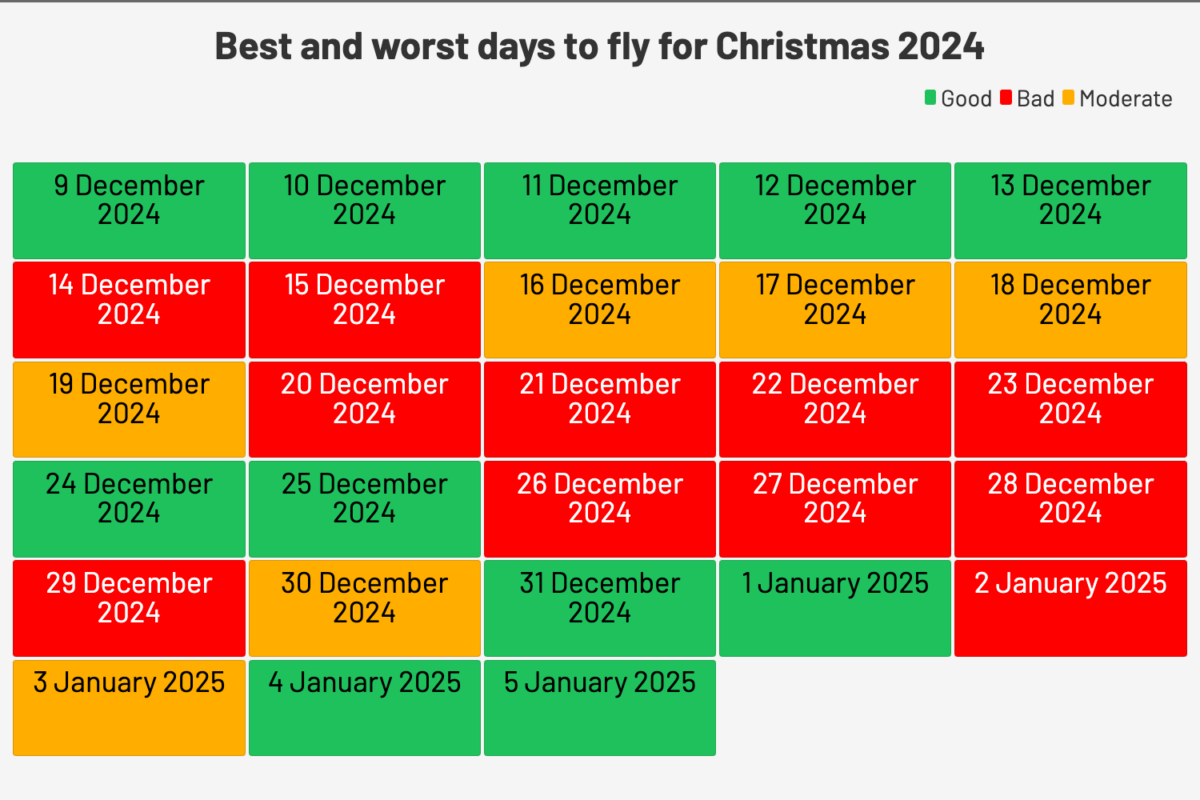
Seasonal demand heavily influences flight prices. Peak seasons, such as summer in the Northern Hemisphere, major holidays (Christmas, New Year’s, Thanksgiving), and school breaks (spring break, national holidays), invariably see a significant spike in airfares. During these times, demand is inelastic; people are committed to traveling regardless of cost.
Conversely, shoulder seasons (e.g., spring and fall in many regions) and off-peak seasons (e.g., winter excluding holidays) offer substantially better value. During these periods, tourist numbers are lower, and demand for flights naturally decreases, prompting airlines to offer more competitive pricing. Planning your travel outside of peak holiday periods is one of the most effective ways to reduce your overall travel expenditure, allowing your travel budget to stretch further.
The Golden Window: When to Book for Optimal Value
The question of “when to book” is almost as crucial as “when to fly.” While there’s no single magic number, general guidelines exist. For domestic flights, the sweet spot often falls between 2-4 months in advance. For international flights, this window extends to 3-8 months out. Booking too early can be expensive as airlines haven’t yet fine-tuned their pricing models for future demand. Booking too late, especially within a few weeks of departure, almost guarantees higher prices as flights fill up and last-minute demand increases.
This “golden window” allows airlines to gauge initial demand and adjust prices accordingly. It’s early enough to avoid last-minute surges but late enough for competitive pricing to emerge. Monitoring prices within this window, perhaps using price tracking tools, can help you pounce on optimal fares.
Strategic Approaches for Maximizing Your Flight Budget
Armed with knowledge of pricing dynamics, you can adopt strategic approaches to consistently find better deals and maximize your travel budget.
Leveraging Flexibility: Dates, Airports, and Destinations
Flexibility is perhaps the most powerful tool in a budget traveler’s arsenal.
- Flexible Dates: Being able to shift your travel by a day or two, especially to include a Tuesday or Wednesday, can unlock significant savings. Many online search engines offer a “flexible dates” option, allowing you to see a calendar view of prices.
- Flexible Airports: Consider flying into or out of alternative, smaller airports near your primary destination. These airports often have lower landing fees for airlines, which can translate into cheaper fares for passengers. Factor in the cost and time of ground transportation, but often the airfare savings outweigh these ancillary costs.
- Flexible Destinations: If your primary goal is simply to “get away” and the specific destination is secondary, use tools that allow you to search for the cheapest flights from your origin to “everywhere” for a given period. This can uncover surprisingly affordable trips to places you might not have considered, broadening your travel horizons while respecting your financial limits.
Harnessing Technology: Price Alerts and Comparison Tools
In today’s digital age, numerous technological tools are available to assist in the hunt for affordable flights.
- Flight Comparison Websites: Sites like Google Flights, Skyscanner, Kayak, and Expedia aggregate fares from multiple airlines and online travel agencies (OTAs), allowing you to quickly compare prices across different carriers and dates.
- Price Alerts: Most comparison websites offer a price alert feature. You can set up alerts for specific routes and dates, and you’ll receive email notifications when the price changes. This passive monitoring is invaluable for catching dips in fare prices without constant manual checking.
- VPNs (Virtual Private Networks): While not a guaranteed solution, some travelers report finding different prices for flights when using a VPN to appear as if they are browsing from a different country. This is based on the idea that airlines might offer different pricing tiers based on the perceived purchasing power of different regions. It’s an experimental strategy, but worth noting for the truly committed budget hacker.
The Savvy Traveler’s Mindset: Patience and Persistence
Finding the best flight deals requires a blend of patience and persistence. Prices fluctuate constantly, and the “best” deal isn’t always immediately apparent. It’s crucial to start looking early, monitor prices regularly, and be prepared to book when a favorable fare appears. Don’t fall into the trap of endlessly waiting for a mythical “lowest ever” price, as you might miss out entirely. Instead, set a budget for your flight and aim to book when a fare falls comfortably within that range. The peace of mind from securing a good deal often outweighs the stress of prolonged searching.
Debunking Myths and Mastering the Art of Affordable Airfare
Beyond the core strategies, there are a few common myths and advanced tactics to consider for those looking to truly master their travel finances.
Is Incognito Mode Really the Secret Weapon?
A popular myth suggests that searching for flights in “incognito” or “private browsing” mode can lead to lower prices by preventing airlines and OTAs from tracking your searches and inflating prices. While it’s true that cookies can store your browsing data, the direct impact on dynamic flight pricing is often overstated. Airline pricing algorithms are far more sophisticated, reacting to overall demand, inventory, and competitor pricing rather than individual browsing histories. While using incognito mode doesn’t hurt and helps maintain privacy, it’s unlikely to be the silver bullet for unlocking drastically cheaper fares. Focus instead on the fundamental demand-side strategies.

Loyalty Programs and Credit Card Perks: More Than Just Points
For frequent flyers, loyalty programs and travel-focused credit cards can be incredibly powerful financial tools. Earning miles or points through everyday spending or dedicated travel can lead to free flights, upgrades, or significant discounts, directly reducing your cash outlay for airfare. Many travel credit cards also offer perks like waived baggage fees, lounge access, or travel insurance, all of which represent tangible financial savings. Carefully researching and leveraging these programs, understanding their earning potential and redemption value, can turn regular expenses into future travel opportunities, effectively reducing the cost of flying to near zero for some trips. It transforms travel from an expenditure into an investment in future experiences, demonstrating astute financial planning.
In conclusion, navigating the complex world of airline pricing to find the best days to fly is less about luck and more about informed financial strategy. By understanding the core principles of demand and supply, identifying optimal travel days and times, leveraging flexibility, and utilizing technology, travelers can significantly reduce their airfare costs. This proactive approach to travel planning ensures that your journeys are not only memorable but also economically sound, allowing you to allocate your hard-earned money more effectively across all aspects of your life.
aViewFromTheCave is a participant in the Amazon Services LLC Associates Program, an affiliate advertising program designed to provide a means for sites to earn advertising fees by advertising and linking to Amazon.com. Amazon, the Amazon logo, AmazonSupply, and the AmazonSupply logo are trademarks of Amazon.com, Inc. or its affiliates. As an Amazon Associate we earn affiliate commissions from qualifying purchases.