
Navigating the labyrinthine world of airline ticket pricing can often feel like a high-stakes game of chance. For many, the prospect of an upcoming trip is exciting, but the act of purchasing airfare can quickly transform anticipation into anxiety. The perennial question, “When is the best time to buy a plane ticket?”, is more than just a casual inquiry; it’s a strategic query aimed at optimizing personal finance and stretching travel budgets further. In an era where every dollar counts, mastering the art and science of flight booking is an invaluable skill for any savvy consumer. This guide delves deep into the factors influencing ticket prices, offering actionable insights and expert strategies to ensure you secure the best possible deal, saving you money for more enriching travel experiences.
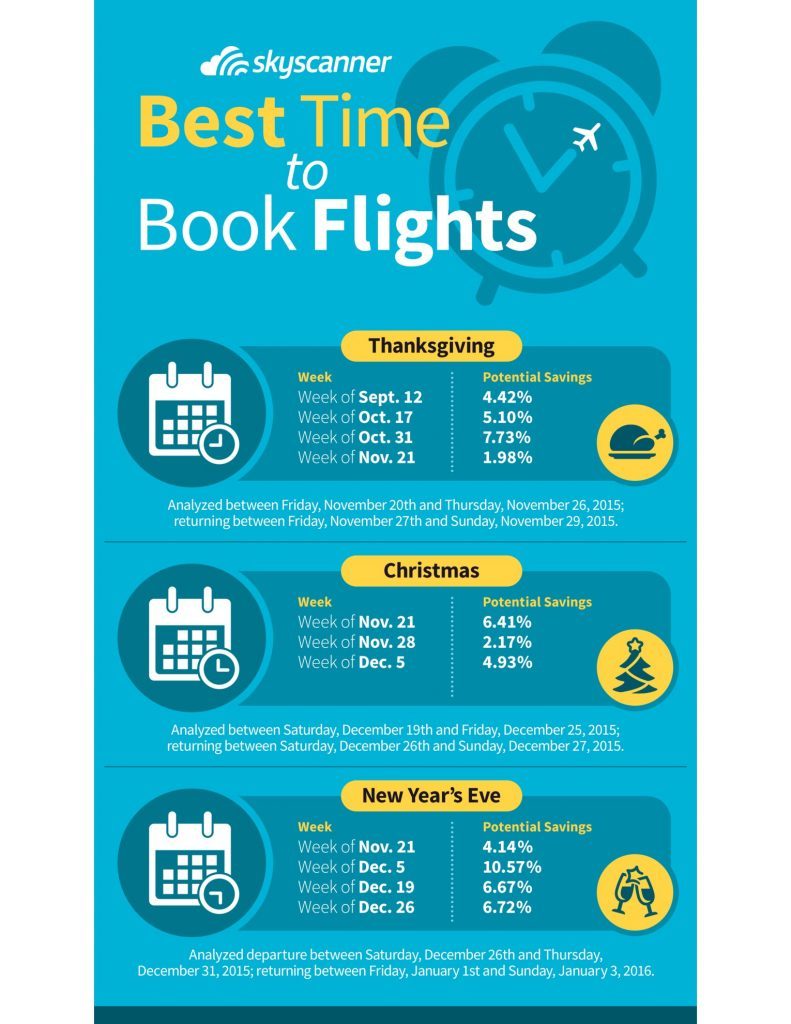
Understanding the Dynamics of Airline Pricing
Before we can pinpoint the optimal booking windows, it’s crucial to grasp the complex ecosystem that dictates airline ticket prices. These aren’t static figures; they are fluid, dynamic, and subject to a multitude of real-time variables. Airlines employ sophisticated algorithms and pricing strategies designed to maximize revenue, constantly adjusting fares based on demand, competition, operational costs, and even historical data.
The Algorithmic Nature of Ticket Costs
Modern airline pricing is heavily reliant on advanced algorithms and yield management systems. These systems continuously monitor vast amounts of data, including current bookings, historical sales trends for specific routes, competitor pricing, weather patterns, local events, and even perceived customer willingness to pay. This means that the price you see for a ticket today might be completely different tomorrow, or even an hour from now. The goal for airlines is to fill as many seats as possible at the highest possible price, differentiating fares across various “fare classes” that correspond to different booking times, flexibility options, and amenities. Understanding that these prices are not arbitrary but rather a calculated economic strategy helps temper expectations and informs a more strategic approach to buying.
Demand and Supply: The Core Drivers
At its heart, airline pricing adheres to fundamental economic principles of supply and demand. When demand for a particular flight or route is high (e.g., during holidays, major events, or peak travel seasons), prices naturally increase. Conversely, when demand is low, airlines may reduce prices to stimulate sales and fill empty seats. This principle extends beyond just the number of seats available; it also encompasses the popularity of the destination, the time of year, and even the specific day of the week. Flights on popular routes during peak times will invariably be more expensive than off-peak travel to less frequented destinations. This constant interplay means that being flexible with your travel dates, times, and even destinations can significantly impact the final price you pay.
The Impact of Fuel and Operational Costs
While algorithms and demand play a significant role, the underlying operational costs also heavily influence ticket prices. Fuel is typically one of the largest expenses for an airline, and fluctuations in global oil prices can directly translate into changes in airfares. Beyond fuel, airlines bear considerable costs related to aircraft maintenance, airport fees, staff salaries, insurance, and regulatory compliance. These fixed and variable costs must be covered by ticket sales. During periods of rising operational expenses, airlines often pass these costs onto consumers through higher fares. Conversely, when these costs decrease or competition intensifies, airlines may have more leeway to offer promotions and lower prices, albeit temporarily.
The Sweet Spot: Optimal Booking Windows
Perhaps the most sought-after piece of advice in the world of flight booking is identifying the “sweet spot” – that elusive period when tickets are cheapest. While there’s no single magic number that applies universally, extensive data analysis from travel aggregators and industry experts reveals consistent patterns that can guide your purchase decisions.
Domestic Flights: Finding the Ideal Lead Time
For domestic travel within your home country, the general consensus points to a booking window of 1 to 3 months (approximately 28 to 115 days) before departure. Within this range, prices tend to be at their most competitive.
- Too Early (more than 3 months out): Airlines often start with higher “bucket” prices, targeting business travelers or those who need to book far in advance and are willing to pay a premium for certainty. They haven’t yet fine-tuned their demand forecasts, so initial prices can be inflated.
- Just Right (1-3 months out): This is when airlines begin to have a clearer picture of demand and competitor pricing. They start adjusting fares more frequently, often introducing sales and promotions to fill seats. This is your prime window to snag a good deal.
- Too Late (less than 1 month out): As the departure date approaches, especially within the last two weeks, prices typically begin to surge. Airlines assume that last-minute bookers are traveling for urgent reasons (business, emergencies) and are less price-sensitive, thus charging a premium.
International Journeys: A Longer Planning Horizon
International travel demands a more extended planning horizon. For flights across continents or long-haul routes, the optimal booking window stretches further back, typically between 3 to 6 months (approximately 90 to 180 days) before departure.
- The Rationale: International flights often involve more complex logistics, higher operational costs, and a broader range of demand patterns. Airlines need more time to assess global travel trends, fuel prices, and exchange rates. Booking further out allows them to offer competitive fares to fill their larger aircraft.
- Exceptions: Extremely popular international routes, especially during peak season or major global events, might warrant booking even earlier, sometimes up to 9-12 months in advance, particularly if you’re seeking specific seats or premium cabins. Conversely, some last-minute deals can appear, but these are rare and highly risky.
Avoiding Last-Minute Panics and Over-Eager Purchases
While it’s tempting to either book immediately upon planning a trip or hold out until the absolute last moment, both extremes generally lead to higher prices. The “early bird gets the worm” adage doesn’t perfectly apply to airline tickets, as initial prices can be artificially high. Similarly, waiting until the final days before departure is a gamble that rarely pays off, as airlines capitalize on urgency. The sweet spot exists precisely because it balances the airline’s need to fill seats with the traveler’s desire for value, often driven by sophisticated pricing strategies that penalize both extreme ends of the booking spectrum.
Timing Your Purchase: Days and Seasons
Beyond the lead time, the specific day you purchase your ticket and the season you choose to fly can significantly impact the fare. These are micro-level adjustments that can yield substantial savings for the financially astute traveler.
The Best Days of the Week to Book
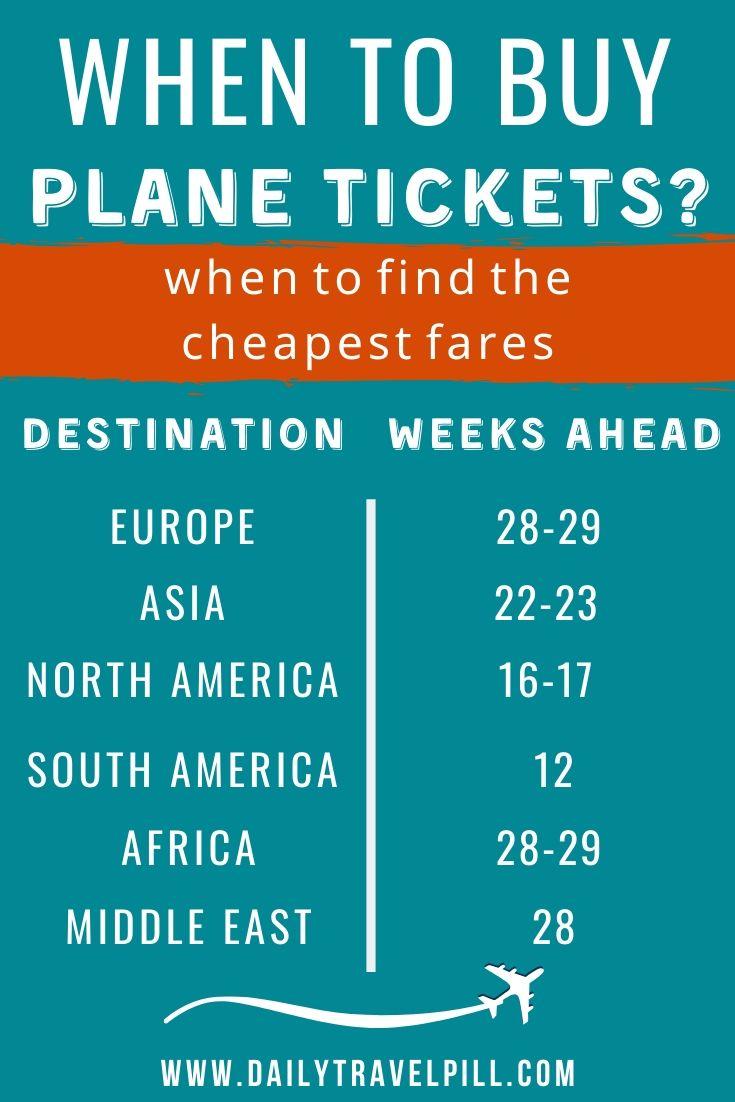
Conventional wisdom, supported by various studies, suggests that the cheapest day to buy a plane ticket is often Tuesday or Wednesday.
- Why Tuesday/Wednesday? Airlines frequently release sales and adjust prices on Monday evenings. Competitors then react to these new prices, often by Tuesday morning. This creates a wave of price adjustments and competitive pricing that can culminate in lower fares by mid-week. By Thursday or Friday, prices tend to creep up as weekend leisure travelers begin their search.
- Caveat: While this trend holds generally, it’s not foolproof. The overall market dynamics and specific route demand can still override this pattern. However, checking prices mid-week often provides a better chance of catching a deal.
The Cheapest Days to Fly
The day of the week you fly can have an even more pronounced effect on the ticket price.
- Mid-week Savings: Flights departing on Tuesdays, Wednesdays, and Saturdays are typically the cheapest. This is because these days are less popular for both business travelers (who often fly Monday-Friday) and leisure travelers (who prefer to maximize their weekend with Friday and Sunday departures/arrivals).
- Weekend Premiums: Conversely, Fridays and Sundays are almost always the most expensive days to fly due to high demand from both business and leisure travelers. Flying on a Monday can also be more expensive, especially early in the day, as business travel resumes.
- Early Morning/Late Night: Beyond the day, flying very early in the morning (e.g., 6 AM) or very late at night (e.g., after 9 PM) often results in cheaper fares due to lower demand, as most travelers prefer more convenient departure times.
Navigating Peak and Off-Peak Travel Seasons
The time of year is a massive determinant of ticket prices.
- Peak Season: This includes major holidays (Christmas, New Year’s, Thanksgiving), school breaks (Spring Break, summer holidays), and popular festival periods. During these times, demand skyrockets, and airlines raise prices significantly. Booking well in advance is absolutely critical, sometimes 6-12 months out, and even then, prices will be elevated.
- Shoulder Season: These are the periods immediately before or after peak season. For example, late spring (April-May) and early fall (September-October) in many destinations. Prices are typically lower than peak, but the weather and crowds can still be pleasant. This is often an excellent time to find a balance between cost and experience.
- Off-Peak/Low Season: These are the least popular times to travel to a specific destination, often characterized by less favorable weather (e.g., hurricane season in the Caribbean, extreme heat in the desert, cold winters in some European cities) or simply less demand. Prices are usually at their lowest, offering significant savings. However, be mindful of potential downsides like limited services or less ideal conditions.
Strategic Approaches to Price Optimization
Beyond timing your purchase, implementing smart strategies can further enhance your chances of securing the best price. These tactics empower you to actively seek out deals rather than passively waiting for them.
Leveraging Price Alerts and Comparison Tools
In today’s digital age, you don’t have to manually check airline websites daily.
- Price Alerts: Tools like Google Flights, Skyscanner, Kayak, and Hopper allow you to set up price alerts for specific routes and dates. You’ll receive email notifications when the fare changes, enabling you to buy when prices drop. This is one of the most effective passive strategies for monitoring prices over time.
- Comparison Websites: Always use flight comparison websites to get a broad overview of prices across multiple airlines and online travel agencies (OTAs). However, remember to also check the airline’s direct website, as sometimes they offer exclusive deals or slightly lower prices than aggregators. Be aware of “basic economy” fares shown on aggregators, which might have hidden restrictions on baggage or seat selection.
The Power of Flexibility: Dates, Airports, and Destinations
Flexibility is perhaps the most powerful tool in a traveler’s arsenal for saving money.
- Flexible Dates: If your travel dates aren’t rigid, use “flexible date” search functions on comparison sites (e.g., Google Flights’ calendar view or Skyscanner’s “Cheapest Month” option). Shifting your departure or return by just a day or two can sometimes save hundreds of dollars.
- Alternative Airports: Consider flying into or out of smaller, secondary airports near your destination. These often have lower landing fees for airlines, which can translate into cheaper tickets. For example, flying into London Stansted or Luton instead of Heathrow, or Oakland instead of San Francisco.
- Open to Destinations: If you’re simply looking for an affordable getaway and don’t have a fixed destination, use “explore” features on flight search engines (like Google Flights’ “Explore” map or Skyscanner’s “Everywhere” search). This can reveal surprisingly cheap flights to unexpected places, inspiring your next adventure.
Myth vs. Reality: Incognito Mode and Other Tips
Many myths circulate regarding how to trick airline pricing systems.
- Incognito Mode Myth: A persistent myth suggests that searching for flights in incognito mode (or clearing cookies) prevents airlines from tracking your searches and inflating prices based on your repeated interest. While airlines and OTAs do use cookies for various purposes, there’s little concrete evidence that they actively raise prices for you based on your personal browsing history in real-time, especially across different search sessions or if you switch devices. Prices fluctuate constantly for everyone due to demand, not necessarily because you’ve looked twice. Using incognito mode doesn’t hurt, but don’t rely on it as a primary cost-saving strategy.
- One-Way vs. Round-Trip: Sometimes, booking two separate one-way tickets on different airlines can be cheaper than a round-trip on a single airline, especially for international travel or if you’re not returning to your original departure city. Always compare.
- Budget Airlines: Don’t dismiss budget airlines for shorter routes, but be diligent about understanding their baggage policies and additional fees, which can quickly erase initial savings if not accounted for.
- Hidden City Ticketing (Warning): This involves booking a flight with a layover at your actual desired destination and then simply getting off at the layover city. While it can sometimes be cheaper, airlines strictly forbid this practice (it violates their contract of carriage). If caught, you risk losing your ticket, status, and future bookings. It’s generally not recommended due to the high risk.
Key Considerations for Different Travel Scenarios
The “best time” to buy a ticket can also depend on the nature of your travel, as different scenarios present unique challenges and opportunities for financial optimization.
Group Travel vs. Solo Adventures
- Group Travel: Booking for multiple people can be tricky. Airlines typically price tickets based on the highest available fare class that can accommodate the entire group. If only two seats remain at a lower price and you’re booking for four, all four tickets might be priced at a higher fare class. Sometimes, it’s cheaper to book separately in smaller batches (e.g., two tickets at a time) if you’re willing to risk not sitting together. However, airlines often have “group booking” desks for very large parties, which can offer specific rates, though not always the cheapest.
- Solo Adventures: Solo travelers have the most flexibility. They can jump on single-seat deals and aren’t constrained by finding multiple seats together. This often translates to better opportunities for finding last-minute deals or utilizing unconventional routes.
Business vs. Leisure Travel Implications
- Business Travel: Business travelers typically prioritize convenience, flexibility, and direct routes over price. They often book last-minute and are less price-sensitive. Airlines cater to this by offering higher fares for business class and flexible economy tickets, especially during peak business travel days (Monday mornings, Friday afternoons). If you’re traveling for leisure but have the option to fly during typical business hours, you might find cheaper fares.
- Leisure Travel: Leisure travelers are generally more price-sensitive and have greater flexibility with dates and times. They are the target audience for sales and promotions, and they benefit most from careful planning, using price alerts, and flying during off-peak times.
The Role of Loyalty Programs and Credit Card Perks
- Airline Loyalty Programs: Accumulating miles or points through an airline’s loyalty program can provide significant savings, allowing you to redeem for free flights or upgrades. The “best time” to buy then becomes irrelevant if you’re flying on points, though finding award availability can be its own challenge, often requiring early booking.
- Travel Credit Cards: Many credit cards offer substantial sign-up bonuses in points or miles, travel insurance, free checked bags, priority boarding, and sometimes even discounted fares or statement credits for travel expenses. Strategically using a travel credit card can offset the cost of airfare and enhance your overall travel experience, effectively reducing the net cost of your ticket. However, be mindful of annual fees and interest rates.
In conclusion, while there’s no magic bullet for finding the absolute cheapest plane ticket every single time, a strategic approach armed with knowledge of airline pricing dynamics, optimal booking windows, and smart shopping tactics can significantly improve your chances of saving money. By understanding when to buy, when to fly, and how to leverage available tools and flexibility, you can transform the daunting task of flight booking into a rewarding exercise in financial acumen, ultimately paving the way for more travel adventures within your budget.
aViewFromTheCave is a participant in the Amazon Services LLC Associates Program, an affiliate advertising program designed to provide a means for sites to earn advertising fees by advertising and linking to Amazon.com. Amazon, the Amazon logo, AmazonSupply, and the AmazonSupply logo are trademarks of Amazon.com, Inc. or its affiliates. As an Amazon Associate we earn affiliate commissions from qualifying purchases.