
The quest for the least expensive airline ticket is a perennial challenge for budget-conscious travelers and a central theme in personal finance discussions related to travel. While the allure of a rock-bottom advertised fare is undeniable, the true financial cost of flying often extends far beyond the initial price tag. Pinpointing a single “least expensive airline” is akin to chasing a phantom; the answer is dynamic, highly situational, and heavily influenced by a myriad of factors. This article will delve into the financial complexities of air travel, dissecting the strategies, hidden costs, and airline models that dictate true affordability, empowering you to make financially savvy decisions for your next journey.

Understanding the True Cost of Airfare: Beyond the Base Price
The airline industry has become a masterclass in unbundling services, transforming what was once an all-inclusive ticket into a modular financial product. To genuinely identify the least expensive option, one must look beyond the initial fare and evaluate the total cost of ownership for a flight.
The Allure and Reality of Ultra-Low-Cost Carriers (ULCCs)
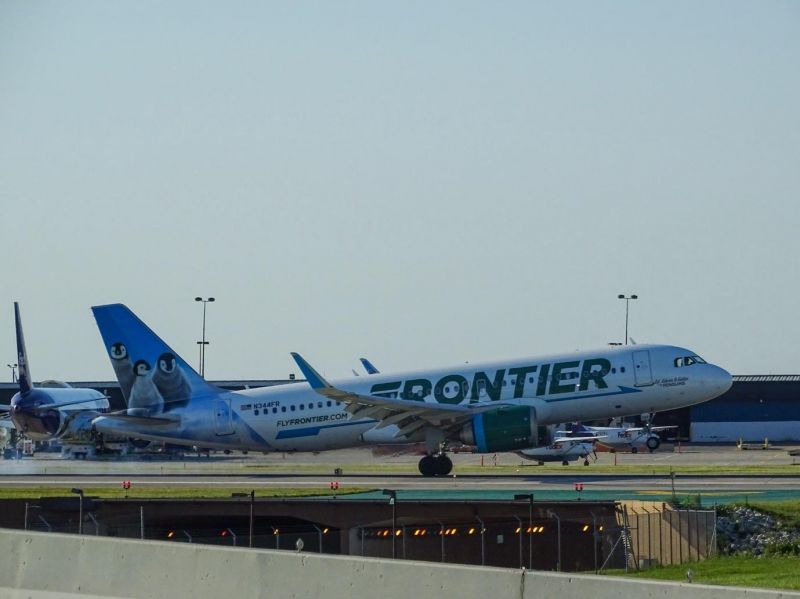
Ultra-Low-Cost Carriers (ULCCs) are often the first stop for travelers seeking the cheapest flights. Airlines like Spirit, Frontier, Allegiant in North America, and Ryanair, EasyJet, and Wizz Air in Europe have built their business model on offering incredibly low base fares. Their strategy is simple: strip away every conceivable amenity and charge for it à la carte. This means the initial price often covers just a seat on the plane, with everything from carry-on bags to seat selection, printed boarding passes, and even water costing extra.
From a financial perspective, ULCCs can indeed be the least expensive option if you travel light, don’t require specific seating, and are willing to forgo in-flight comforts. However, it’s crucial to calculate the total potential cost meticulously before booking. A $29 base fare can quickly balloon to over $100 once baggage, seat selection, and other fees are added, potentially negating any initial savings compared to a legacy carrier. The financial discipline required to adhere to their strict rules (e.g., exact baggage dimensions and weight) is paramount to avoid costly surprises at the airport.
Dissecting Ancillary Fees: The Hidden Budget Busters
Ancillary fees are the financial fulcrum upon which budget airlines balance their low base fares. Understanding and accounting for these fees is the single most critical step in determining the true cost of a flight. Common ancillary fees include:
- Baggage Fees: This is often the largest hidden cost. Checked bags are almost always extra, and many ULCCs now charge for carry-on bags that fit in the overhead bin. Even personal items (bags that fit under the seat) have strict size limits.
- Seat Selection Fees: While some airlines allow free random assignment at check-in, selecting a specific seat (window, aisle, or emergency exit row for extra legroom) almost always incurs a fee.
- Change/Cancellation Fees: Budget airlines typically have very strict and expensive change or cancellation policies. Flexibility often comes at a premium or is simply unavailable.
- Priority Boarding: Paying extra to board earlier can be tempting, especially on crowded flights where overhead bin space is at a premium.
- In-Flight Services: Food, beverages, blankets, pillows, and entertainment are almost universally extra on budget airlines.
- Airport Check-in/Printing Boarding Pass Fees: Some airlines charge if you don’t check in online or if you require a boarding pass to be printed at the airport counter.
A savvy financial traveler will create a realistic budget for these potential add-ons and factor them into the overall flight cost before comparing fares.
Legacy Carriers vs. Budget Airlines: A Financial Comparison
The line between legacy (traditional) carriers and budget airlines has blurred considerably. Many legacy airlines now offer “Basic Economy” fares that mimic ULCCs by stripping away perks like seat selection, checked bags, and even carry-on allowance, in exchange for a lower initial price. Conversely, some budget airlines have introduced “bundle” options that include common add-ons for a slightly higher, but often still competitive, price.
When comparing a Basic Economy fare from a legacy carrier (e.g., American, Delta, United, British Airways, Lufthansa) against a ULCC, the financial analysis becomes complex. While the legacy carrier’s base fare might be higher, it might include a personal item and potentially even a small carry-on bag, or have slightly more forgiving change policies, which could make its total cost comparable or even lower than a ULCC once all fees are considered. It’s imperative to compare the “all-in” price for your specific travel needs, rather than just the initial advertisement.
Key Players in the Budget Airline Landscape
While the “least expensive” title is fleeting, certain airlines consistently feature in discussions about budget travel due to their operational models and aggressive pricing strategies.
North American Budget Airlines
- Spirit Airlines & Frontier Airlines: These are the quintessential North American ULCCs, notorious for their low base fares and extensive ancillary fees. They operate on a point-to-point model, often serving secondary airports to reduce costs.
- Allegiant Air: Similar to Spirit and Frontier, Allegiant focuses heavily on leisure travelers, often connecting smaller cities to popular vacation destinations, and is known for its vacation package deals.
- Southwest Airlines: While not a ULCC, Southwest has a unique financial model that often makes it a highly competitive option. Its “bags fly free” policy (two checked bags) and no change fees (only fare difference applies) can significantly reduce the total cost for travelers who need to check luggage or value flexibility. This often positions Southwest as a financially superior choice over ULCCs for many travelers, despite potentially higher initial fares.
- Flair Airlines & Swoop (Canada): Canada also has its own ULCCs adopting similar unbundling strategies.
European Low-Cost Giants
Europe is a hotbed for budget airlines, driven by a dense network of destinations and strong competition.
- Ryanair: Europe’s largest airline by passenger numbers, Ryanair is the archetypal ULCC. Known for extremely low fares, strict rules, and a vast network, it has perfected the art of generating revenue through ancillary services.
- EasyJet: A close competitor to Ryanair, EasyJet also offers competitive fares but often provides a slightly more refined (though still budget) experience. Its ancillary fees can be substantial but are sometimes slightly less punitive than Ryanair’s.
- Wizz Air: Focused primarily on Central and Eastern Europe, Wizz Air is another major ULCC, offering extremely competitive fares to a specific market.
- Vueling, Norwegian Air Shuttle (short-haul), Eurowings: These are other significant low-cost players varying in their fee structures and service levels across the continent.
Emerging and Regional Budget Options
Beyond the major players, numerous smaller and regional airlines globally operate on a budget model. These can be excellent sources of savings for specific routes, especially within Asia (e.g., AirAsia, Scoot), Australia (e.g., Jetstar), and South America. Researching local budget carriers for specific itineraries can often yield unexpected financial benefits.
Strategic Financial Planning for Cheaper Flights
Finding the least expensive flight is less about a specific airline and more about employing smart financial strategies.
Timing Your Purchase: The Golden Window
Numerous studies and industry insights suggest an optimal booking window for finding the lowest fares. Generally, booking too far in advance (e.g., 6-12 months out) or too close to departure (e.g., within 2-3 weeks) tends to result in higher prices. The “sweet spot” often falls between 1.5 to 3 months for domestic flights and 3 to 6 months for international travel. This window allows airlines to gauge demand and adjust pricing, often offering competitive rates before last-minute price hikes for business travelers. Monitoring price trends during this period is a key financial tactic.
Flexibility is Your Financial Friend: Dates, Times, and Airports
One of the most powerful financial levers a traveler has is flexibility:
- Travel Dates: Flying mid-week (Tuesday, Wednesday) or on Saturdays is often cheaper than peak travel days (Friday, Sunday). Avoiding major holidays, school breaks, and popular seasonal events can lead to significant savings.
- Time of Day: Early morning flights (the first flight out) and late-night flights (red-eyes) are typically less in demand and therefore cheaper.
- Alternative Airports: Many major cities are served by multiple airports. While the main international hub might be convenient, a smaller, secondary airport in the vicinity (e.g., London Stansted or Luton instead of Heathrow; Chicago Midway instead of O’Hare) is often a hub for budget airlines and can offer substantially lower fares. Factor in the cost and time of ground transportation to determine if the savings are truly worthwhile.
Leveraging Comparison Tools and Price Alerts
Utilize online flight comparison websites (e.g., Google Flights, Skyscanner, Kayak, Expedia, Momondo) as indispensable financial tools. These aggregators scour hundreds of airlines and online travel agencies (OTAs) to present a wide range of options. Key features to leverage include:
- “Flexible Dates” or “Cheapest Month” options: These help identify the most affordable travel periods.
- Price Alerts: Sign up for email notifications that alert you when the price of a monitored route drops. This passive monitoring can help you secure a lower fare without constant manual checking.
- “Everywhere” Search: If your destination is flexible, using an “everywhere” search can reveal unexpected and incredibly cheap destinations.
Maximizing Value: Balancing Cost and Comfort
The “least expensive” flight often requires a careful calibration between pure cost savings and acceptable levels of comfort or convenience.
The Carry-On Conundrum: Packing Smart to Save
Baggage fees are a primary source of ancillary revenue for airlines. Mastering the art of packing light, specifically fitting everything into a personal item or a small carry-on (that meets the specific airline’s dimensions for free allowance), can save significant money. If a carry-on is charged, compare that fee against the cost of checking a bag; sometimes, checking a larger bag is only marginally more expensive but offers greater convenience. Invest in lightweight, compact travel gear to facilitate this strategy.
Seat Selection, In-Flight Amenities, and Other Optional Costs
Evaluate whether the cost of these “extras” aligns with your personal financial priorities and travel style.
- Seat Selection: For short flights, paying for a specific seat might be an unnecessary expense. For longer journeys, or if traveling with family and needing to sit together, the cost might be justified.
- In-Flight Amenities: Plan to bring your own snacks, drinks, and entertainment (downloaded movies/shows, books) to avoid expensive on-board purchases.
- Travel Insurance: While an added cost, travel insurance can be a financially prudent investment, protecting against unforeseen events like cancellations, delays, or medical emergencies, which could otherwise lead to substantial out-of-pocket expenses.
Loyalty Programs and Credit Card Rewards: A Smart Money Move
For frequent flyers, loyalty programs can transform into significant financial assets. Earning points or miles can lead to free flights, upgrades, or discounts, effectively reducing future travel costs. Similarly, travel-centric credit cards often offer sign-up bonuses, accelerated earning rates on travel spending, and perks like free checked bags, lounge access, or travel credits that can offset expenses and enhance the travel experience, proving to be a wise financial decision for those who manage their credit responsibly.
The Bottom Line: Your Personalized Approach to Affordable Air Travel
Ultimately, there is no single, universally “least expensive airline.” The answer is deeply personal and depends on your specific needs, flexibility, and willingness to trade convenience for cost savings. The goal is to identify the airline and itinerary that offers the best financial value for you, not necessarily the lowest advertised base fare.
Defining “Least Expensive” for Your Specific Needs
- Do you check bags? Factor in baggage fees. Southwest might be cheaper than a ULCC.
- Are you traveling with family? Seat selection might be a necessary expense.
- Do you need flexibility? Consider airlines with lower change fees or options to upgrade to a more flexible fare.
- How long is the flight? For a 1-hour hop, an uncomfortable budget flight might be perfectly acceptable. For an 8-hour journey, the financial savings might not outweigh the discomfort.

A Checklist for Budget-Conscious Travelers
- Define your absolute minimum needs: What can you not compromise on (e.g., one carry-on bag, specific travel dates)?
- Research ALL potential fees: Use the airline’s website to look up specific fees for baggage, seat selection, etc.
- Calculate the “all-in” cost: Add the base fare plus all necessary ancillary fees for each airline option.
- Be flexible: Experiment with different dates, times, and airports.
- Use flight comparison tools and set price alerts.
- Consider alternative strategies: Drive to a nearby airport for cheaper flights, use rewards points, or consider train/bus for shorter distances.
By meticulously researching, calculating, and strategically planning, you can navigate the complex world of airfare pricing and consistently secure the most financially advantageous flights that meet your travel requirements.
aViewFromTheCave is a participant in the Amazon Services LLC Associates Program, an affiliate advertising program designed to provide a means for sites to earn advertising fees by advertising and linking to Amazon.com. Amazon, the Amazon logo, AmazonSupply, and the AmazonSupply logo are trademarks of Amazon.com, Inc. or its affiliates. As an Amazon Associate we earn affiliate commissions from qualifying purchases.