
In an increasingly complex consumer landscape, where travel, entertainment, and even some services are often disaggregated into individual components, the phrase “separate tickets” has become a common yet often misunderstood term. For the financially savvy consumer, understanding what separate tickets truly means – beyond simply holding multiple bookings – is crucial. It’s a concept that directly impacts personal finance, influencing budgeting, risk management, and the overall cost-effectiveness of an experience.
At its core, “separate tickets” refers to purchasing distinct, independent bookings for different segments of what might otherwise be considered a single, cohesive journey or event. While this approach can tantalize with the promise of significant savings and greater flexibility, it simultaneously introduces a unique set of financial risks and responsibilities. This guide delves into the financial intricacies of separate tickets, offering insights to help you navigate this purchasing strategy with confidence and prudence.
Decoding “Separate Tickets”: More Than Just Two Pieces of Paper
To truly grasp the financial implications, we must first establish a clear understanding of what “separate tickets” entails in various consumer contexts. It’s a practice that goes beyond merely having two different booking references; it speaks to the underlying contractual obligations and consumer protections—or lack thereof—that come with such purchases.
Defining the Phenomenon: What Constitutes Separate Tickets?
When we talk about separate tickets, we are typically referring to situations where a consumer intentionally or unintentionally pieces together components of an overall experience using individual, standalone purchases. The most common manifestations include:
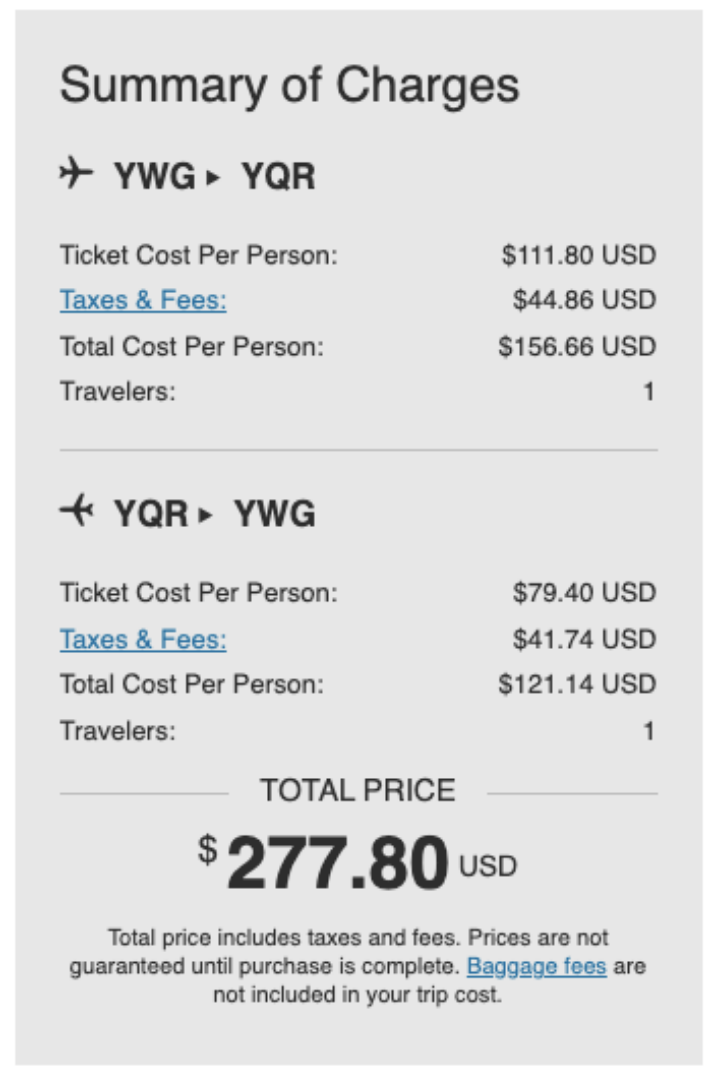
- Air Travel: Perhaps the most frequently discussed scenario. Instead of buying a single “through ticket” from airline A that includes connections on its own or partner airlines, a traveler might purchase a ticket from city A to city B on airline A, and a separate ticket from city B to city C on airline B (or even the same airline, but as an unconnected booking). This can also apply to round trips bought as two one-way tickets on different booking references.
- Train and Bus Journeys: Similar to air travel, a long journey might be broken down into multiple segments, each requiring an independent ticket from different operators or even the same operator but without a continuous journey guarantee.
- Events and Entertainment: Attending a multi-day festival might involve buying a ticket for day one from one vendor and a ticket for day two from another, or even securing a main event ticket and a separate pre-show or after-party ticket. Similarly, theme park visits could involve separate entry tickets and distinct passes for special attractions or events.
- Accommodation: Booking a hotel for one part of a trip and then a different hotel or an Airbnb for another part of the same overall stay is also a form of separate ticketing, impacting continuity and potential discounts.
The key characteristic across all these examples is the independent nature of each booking. Each ticket is a distinct contract between you and the service provider, without a linking contract that guarantees the entire sequence of events.
The Core Difference: Bundled vs. Unbundled Purchases
Understanding the implications of separate tickets requires a comparison to its alternative: bundled purchases.
- Bundled Purchases: When you buy a single, comprehensive ticket (e.g., a multi-leg flight from one airline, a package holiday, or an all-inclusive event pass), the provider guarantees the entire itinerary. If one segment is delayed or canceled, impacting subsequent parts of the bundle, the provider is generally responsible for rebooking, compensation, or refunds for the entire affected journey. This provides a layer of consumer protection and peace of mind.
- Unbundled (Separate) Purchases: With separate tickets, each segment is treated as an isolated transaction. If your first flight is delayed, causing you to miss your second, separately booked flight, the airline for the second flight is under no obligation to rebook you or offer a refund. You are effectively a “no-show” for the second booking, and that financial loss typically falls entirely on you. The same principle applies to missed event segments or accommodation due to delays in a separately booked transport leg. This lack of interconnected liability forms the bedrock of the financial risk associated with separate tickets.
The Financial Lure: Why Consumers Opt for Separate Tickets
Despite the inherent risks, the practice of buying separate tickets is incredibly common, primarily driven by compelling financial advantages and the desire for greater personal control over expenditures and experiences.
Chasing Cost Savings: The Primary Motivator
For many, the allure of separate tickets boils down to one powerful incentive: saving money. Online travel agencies and airline comparison sites often highlight price discrepancies between bundled and unbundled options.
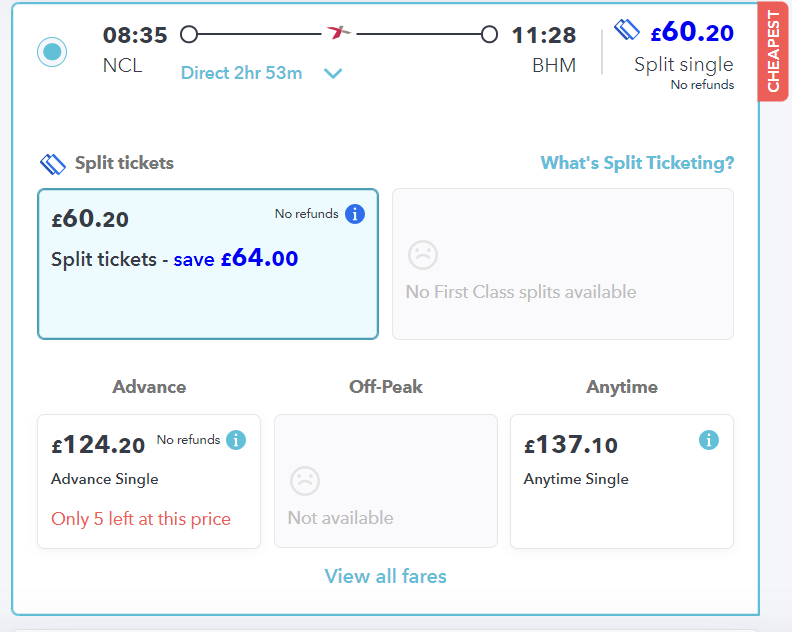
- Lower Base Fares: Sometimes, a direct flight followed by a separate budget airline connection can be significantly cheaper than a single through-ticket offered by a major carrier, especially when combining different airlines or modes of transport.
- Leveraging Sales and Promotions: Individual carriers or event organizers might run promotions that only apply to specific segments, making it cheaper to buy those segments separately rather than as part of a larger, bundled offering.
- Avoiding “Hidden” Bundled Costs: Bundled packages sometimes include services or amenities you don’t need or want, such as specific seat assignments or baggage allowances that come at a premium. Buying separately allows you to strip away these unwanted extras and pay only for what you require.
Unlocking Flexibility and Customization: Tailoring Your Experience
Beyond pure cost, separate tickets offer an unparalleled degree of flexibility, allowing consumers to craft an itinerary precisely suited to their preferences and budget.
- Mix-and-Match Providers: You’re not beholden to a single airline alliance, train company, or event organizer. You can choose the cheapest, most convenient, or most preferred option for each leg of your journey or each part of an event. This might mean flying with a budget airline for the first leg and a full-service carrier for the second, or attending different festival stages on different days with tickets from varied sources.
- Extended Stayovers: Separate tickets make it easy to incorporate longer stopovers or “stopovers” for sightseeing without incurring additional charges that might apply with bundled tickets. This is a common strategy for budget-conscious travelers who wish to explore multiple destinations within a single trip.
- Customized Schedules: You can select specific departure and arrival times for each segment, potentially optimizing for convenience, avoiding peak travel times, or aligning with personal commitments.
Capitalizing on Availability and Niche Deals: Finding What’s Otherwise Missed
In certain situations, separate tickets aren’t just an option; they’re the only viable way to secure a desired outcome.
- Limited Capacity: For popular events or specific flight routes, a bundled option might be sold out, but individual tickets for separate days or legs might still be available from different sources.
- Niche Experiences: Some unique events or travel segments may only be offered by specialized providers who don’t participate in larger bundling arrangements. Separate ticketing allows access to these bespoke options.
- Specific Seat or Experience Requests: If you have very particular seating preferences (e.g., a specific row or class of service not available in a bundle), buying separately can sometimes be the only way to guarantee it.
The Hidden Costs and Risks: A Prudent Financial Perspective
While the siren song of savings and flexibility is strong, a financially prudent consumer must also critically evaluate the significant hidden costs and inherent risks associated with purchasing separate tickets. These are often overlooked in the initial excitement of a good deal, leading to potentially costly repercussions.
The Peril of Interruption: Lack of Protection and Through-Ticket Guarantees
This is arguably the most significant financial risk. When you book separate tickets, there is no contractual link between them.
- Missed Connections: If your first flight, train, or bus is delayed or canceled, causing you to miss your second, separately booked connection, the carrier for the second leg is not obligated to accommodate you. You lose the money paid for the second ticket and must purchase a new one, often at a much higher last-minute fare.
- Event Access Loss: A transportation delay could mean missing a non-refundable separately booked event or attraction, leading to a complete loss of that expenditure.
- No Recourse: Unlike bundled bookings where the provider is responsible for getting you to your final destination, with separate tickets, you bear the full financial burden of disruptions.
Compounding Expenses: Fees, Baggage, and Unforeseen Overheads
The initial cost savings can quickly erode when additional fees and unforeseen expenses accumulate.
- Multiple Booking Fees: Each separate booking may incur its own administrative or booking fee, which can add up.
- Varying Baggage Policies: Different airlines, especially budget carriers, have diverse and often strict baggage rules and fees. You might pay for checked luggage on one leg and then have to pay again, potentially more, on the next. The weight and size limits can also differ, leading to unexpected charges.
- Transit Costs: Separately ticketed connections might require you to exit and re-enter security, potentially necessitating transportation between terminals or even airports. These taxi, bus, or train fares add to the overall cost.
- Accommodation During Long Layovers: If you intentionally build a long layover, you might need to factor in the cost of a hotel or day-use lounge, diminishing the savings from cheaper flights.
- Currency Exchange Fees: If buying tickets from different providers in different countries, you might incur multiple foreign transaction fees from your bank or credit card.
Navigating Complex Policies: Refunds, Changes, and Cancellations
Managing separate tickets also introduces a labyrinth of different terms and conditions, each with its own financial implications.
- Inconsistent Policies: Each ticket will have its own cancellation, change, and refund policy, which can vary wildly between providers. A flexible ticket on one leg might be paired with a non-refundable, non-changeable ticket on another.
- Administrative Burden: Should a change be necessary, you’ll have to deal with multiple customer service departments, each treating your situation in isolation, often leading to more time and effort spent resolving issues.
- Loss of Value: If one segment is canceled by the provider and you receive a refund, but the other segments are still operating, you might be left with a partial itinerary and incur losses on the remaining, now useless, tickets.
Time and Stress as Financial Costs: The Intangible Investment
Beyond monetary outlays, the non-financial costs associated with separate tickets can be substantial and, for some, even outweigh any savings.
- Increased Planning Time: Researching, comparing, and booking multiple individual tickets takes significantly more time and effort than booking a single bundle.
- Elevated Stress Levels: The constant worry about potential delays, missed connections, and navigating complex logistics can detract from the overall experience and lead to mental fatigue.
- Lost Productivity: For business travelers, time spent managing travel disruptions due to separate tickets translates directly into lost work hours. For leisure travelers, it means lost vacation time.
Strategic Decision-Making: When to Embrace or Avoid Separate Ticket Purchases
The decision to opt for separate tickets should always be a well-informed financial one, weighing the potential benefits against the inherent risks. There are specific scenarios where this approach can be highly advantageous, and others where it is best avoided.
Scenarios Where Separate Tickets Shine: High Savings, Ample Buffers
Separate tickets are most financially viable under conditions that minimize risk and maximize potential gains.
- Substantial Price Discrepancy: The savings from buying separate tickets must be significant enough to justify the added risk. A marginal saving of a few dollars is rarely worth the potential for significant loss if something goes wrong.
- Generous Buffer Times: Crucially, build in extremely generous layover times between separately ticketed flights or modes of transport. This means aiming for at least 4-6 hours, if not an overnight stay, between connections, especially for international travel or airports known for delays. This buffer acts as a financial safety net.
- Self-Transfer Friendly Airports/Venues: Some airports or event venues are designed for easy transit, requiring minimal time to move between terminals, re-check bags, and clear security. Research the specific logistics of your connection points.
- Low-Risk Segments: Using separate tickets for a low-stakes segment, like a local bus to the airport or a pre-booked taxi, poses less financial risk than two international flights.
- Strong Travel Insurance: If you have comprehensive travel insurance that specifically covers missed connections or delays due to separate tickets (ensure you read the fine print!), this can mitigate a significant portion of the financial risk.
Warning Signs: When Bundling is Best: Tight Connections, High Stakes
Conversely, there are clear indicators that separate tickets are a financially unsound choice.
- Tight Connection Times: Never book separate tickets with short connection windows (e.g., less than 3 hours for domestic, 4-5 hours for international). The probability of missing the second leg is too high, leading to almost certain financial loss.
- High-Value or Time-Sensitive Events: If missing a connection means missing a crucial business meeting, a non-refundable wedding, a once-in-a-lifetime concert, or the departure of a cruise, the financial and emotional stakes are simply too high for the inherent risks of separate tickets.
- Unreliable Providers or Routes: If one or more of your chosen carriers or routes has a known reputation for delays, cancellations, or poor customer service, the risk profile of separate tickets increases dramatically.
- Complex Visa Requirements: Some countries require transit visas even for short layovers. If your separate ticket requires you to exit the secure airport zone to collect bags and re-check, you might unknowingly need a visa, adding unexpected costs and potential travel prohibitions.
- Lack of Financial Contingency: If you don’t have emergency funds to cover the cost of rebooking an entire segment (potentially at last-minute prices), you should avoid separate tickets altogether.
The Role of Personal Financial Risk Tolerance: Assessing Your Comfort Level
Ultimately, the decision also hinges on your personal financial risk tolerance. Are you comfortable with the possibility of losing money on one or more tickets in exchange for potential savings? Can you absorb unexpected costs without significant financial strain? For some, the peace of mind offered by a bundled ticket, even if slightly more expensive, is a worthwhile investment. For others, the thrill of optimizing costs and the confidence in their planning abilities makes separate tickets an attractive option.
Mastering the Art of Separate Ticketing: Best Practices for Financial Security
For those who choose to leverage the benefits of separate tickets, adopting a strategic approach is vital to minimize financial exposure and maximize the chances of a smooth journey or event experience.
Building in Financial and Time Buffers: Your Safety Net
This is the golden rule of separate tickets.
- Generous Time Buffers: Always schedule ample time between connections. For flights, aim for at least 4-6 hours between separate tickets, especially if you need to re-check bags or change terminals/airports. For trains or buses, allow at least 2-3 hours. For events, ensure you arrive well in advance, accounting for potential local transport delays.
- Financial Contingency Fund: Set aside an emergency fund specifically for travel disruptions. This should be enough to cover the cost of a last-minute replacement ticket, an unexpected night in a hotel, or other unforeseen expenses. This fund serves as a crucial financial safety net.
The Power of Comprehensive Travel Insurance: An Essential Safeguard
Investing in the right travel insurance is non-negotiable when dealing with separate tickets.
- Policy Review: Carefully read the terms and conditions of any travel insurance policy. Look for coverage that explicitly addresses “missed connections” or “travel delays” where the separate nature of your tickets won’t invalidate your claim. Some standard policies may only cover missed connections if they are part of a single, bundled itinerary.
- Cancellation and Interruption Coverage: Ensure your policy provides robust coverage for trip cancellation and interruption, which can help recoup costs if one leg of your journey renders subsequent separate bookings useless.
- Medical and Baggage Coverage: While not directly related to separate tickets, these are always important for financial protection during travel.
Meticulous Planning and Research: Understanding the Fine Print
Preparation is key to mitigating financial risks.
- Research All Providers: Understand the baggage policies, on-time performance, and customer service reputation of each airline, train company, or event organizer involved in your separate bookings.
- Airport/Venue Logistics: Familiarize yourself with the layout of connection points. How long does it take to get from one terminal to another? Is there efficient public transport? How long are security lines typically?
- Visa Requirements: Double-check transit visa requirements for every country you pass through, especially if you need to leave the transit area.
- Documentation: Keep all booking confirmations, contact numbers, and policy details for each separate ticket easily accessible, both digitally and physically.
Leveraging Financial Tools and Benefits: Credit Cards, Loyalty Programs
Smart use of financial resources can provide additional layers of protection or savings.
- Credit Card Travel Protections: Many premium credit cards offer built-in travel insurance benefits, including trip delay, lost luggage, and even missed connection coverage. Understand these benefits thoroughly and always pay for your separate tickets with a card that offers such protections.
- Loyalty Programs: While separate tickets often involve different providers, accumulating points or status with specific airlines or hotel chains can offer benefits like priority boarding, lounge access (which is invaluable during long layovers), or flexible rebooking options that can be helpful even with unbundled travel.
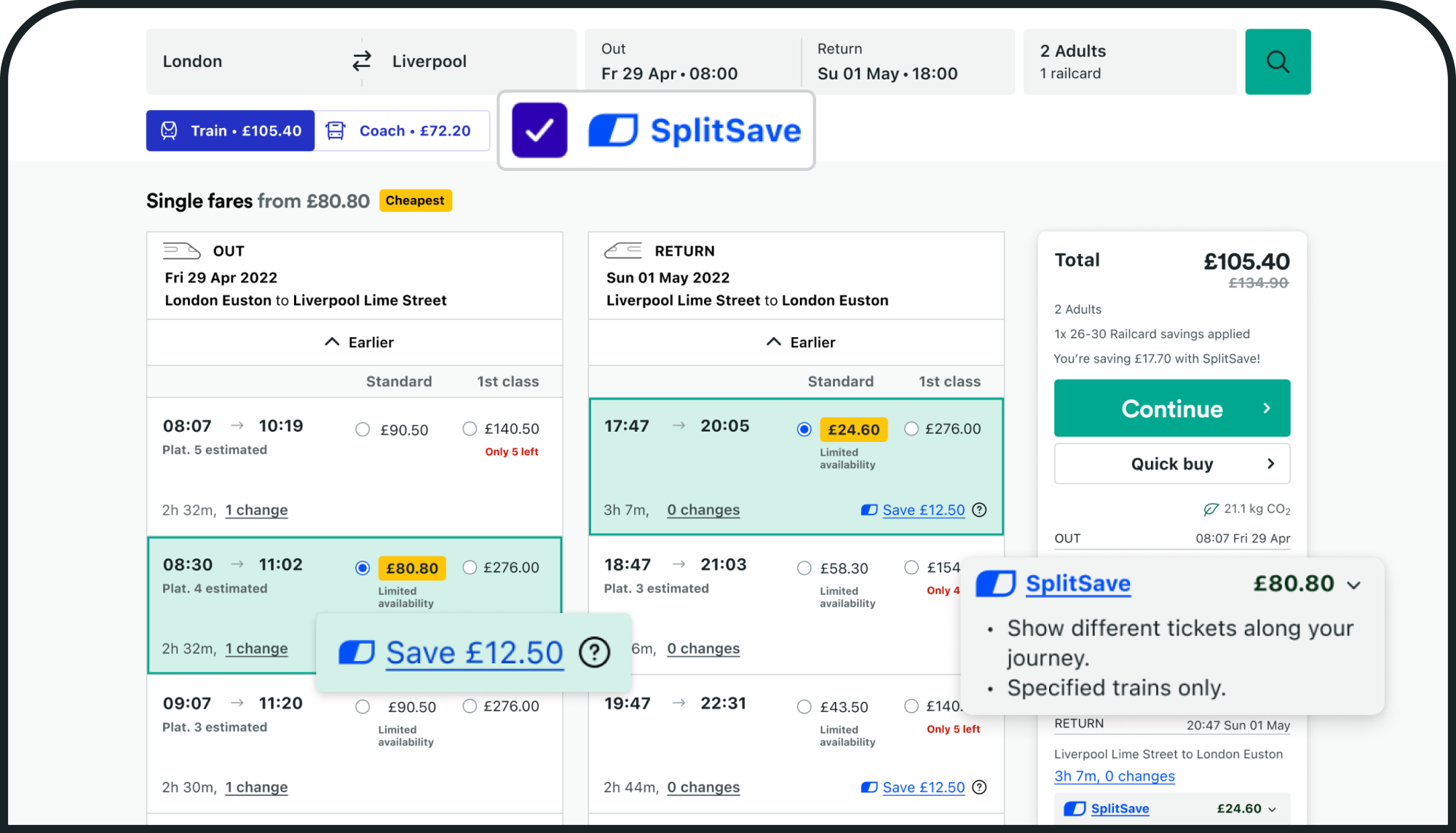
- Price Comparison Tools: Use aggregator websites and direct provider sites to meticulously compare prices, but always factor in the potential risks and hidden costs.
In conclusion, “separate tickets” represents a dual-edged sword in personal finance. While it offers tantalizing opportunities for cost savings and unparalleled flexibility, it simultaneously demands a heightened sense of financial awareness and proactive risk management. For the savvy consumer, understanding these intricate financial implications is not just an option, but a necessity, transforming potential pitfalls into well-calculated opportunities for smarter spending and more rewarding experiences. By adopting a meticulous, informed, and cautious approach, you can harness the power of separate tickets without falling victim to their inherent financial vulnerabilities.
aViewFromTheCave is a participant in the Amazon Services LLC Associates Program, an affiliate advertising program designed to provide a means for sites to earn advertising fees by advertising and linking to Amazon.com. Amazon, the Amazon logo, AmazonSupply, and the AmazonSupply logo are trademarks of Amazon.com, Inc. or its affiliates. As an Amazon Associate we earn affiliate commissions from qualifying purchases.