
The journey from New York City to California is more than just a 2,500-mile transit across the North American continent; it is a masterclass in modern aeronautical engineering and digital optimization. While a standard flight typically clocks in between five and a half to six and a half hours, the precise duration is a variable dictated by a complex interplay of software algorithms, hardware efficiency, and real-time data processing. For the tech-savvy traveler, understanding the flight length requires looking beneath the surface of the schedule and into the technological stack that powers the transcontinental corridor.

From the predictive modeling used by dispatchers to the advanced avionics in the cockpit, technology is the silent force that determines whether you land in Los Angeles or San Francisco on time. As we move deeper into an era of data-driven aviation, the “length” of a flight is becoming less about distance and more about the efficiency of the tech stack supporting the aircraft.
The Algorithms of the Air: Flight Planning and Route Optimization
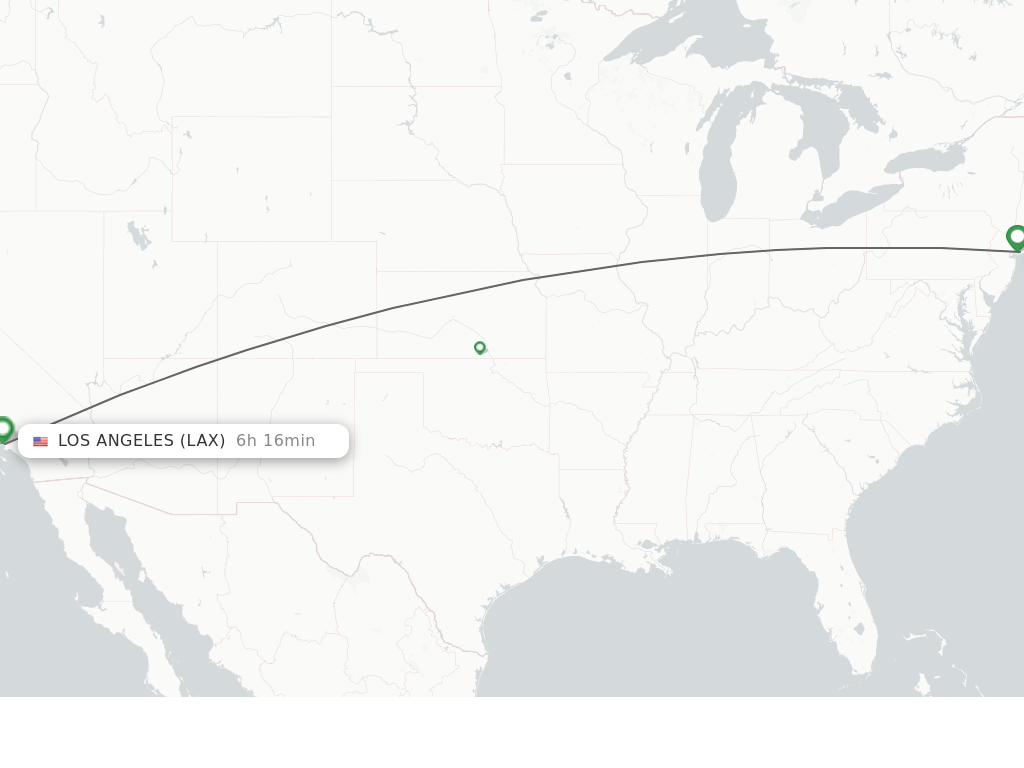
When a passenger asks how long the flight from NYC to California is, the answer often depends on the “Great Circle” route and the sophisticated software that calculates it. Unlike a straight line on a 2D map, flight paths are curved trajectories that account for the Earth’s shape. However, the path is rarely a perfect arc due to the intervention of Flight Management Systems (FMS) and ground-based optimization tools.
Predictive Modeling and Weather Integration
The primary technological factor influencing flight duration is the integration of real-time meteorological data into flight planning software. Platforms like Sabre, Amadeus, and specialized tools used by airline dispatchers ingest massive datasets from the National Oceanic and Atmospheric Administration (NOAA). These algorithms analyze wind speeds, specifically the jet stream—a high-altitude ribbon of fast-moving air.
When flying from NYC to California, aircraft are moving against the jet stream (headwinds), which can add up to an hour to the flight time. Conversely, the return trip leverages these winds (tailwinds) to shorten the duration. Modern AI-driven routing tools now simulate thousands of permutations to find the “sweet spot” where fuel consumption and time are balanced, often adjusting the flight path by hundreds of miles to avoid turbulence or heavy headwinds.
NextGen and GPS-Based Navigation
Historically, transcontinental flights relied on ground-based radar and VOR (VHF Omnidirectional Range) beacons, which forced planes into “zigzag” patterns across the country. The transition to the NextGen (Next Generation Air Transportation System) in the United States has revolutionized this. By utilizing GPS-based navigation (ADS-B technology), pilots can now fly more direct “Performance Based Navigation” (PBN) routes. This digital infrastructure shift has trimmed crucial minutes off the NYC to California route, reducing the total distance traveled and decreasing the margin for error in ETA predictions.
Engineering Efficiency: The Hardware Behind the Speed
While software plans the route, the physical hardware of the aircraft determines the performance limits. The flight from the East Coast to the West Coast is a grueling test of engine reliability and aerodynamic efficiency. The transition from older narrow-body aircraft to next-generation jets like the Boeing 737 MAX and the Airbus A321neo has fundamentally changed the economics and the timing of these flights.
Propulsion Tech: The Leap in Turbofan Efficiency
The duration of the flight is inextricably linked to fuel burn. In previous decades, pilots might have increased throttle to make up for lost time, but modern engine technology, such as the CFM LEAP-1B, is designed for “optimal cruise speed.” These engines use high-strength, lightweight materials like carbon fiber composites and 3D-printed components to operate at higher temperatures and pressures.
The technology allows for a more consistent cruise speed of approximately Mach 0.78 to 0.82. This speed is a calculated equilibrium maintained by the aircraft’s Autothrottle system, which interfaces with the FMS to ensure the engines are performing at peak efficiency. This means that while the flight might feel longer than the “golden age” of fast but fuel-hungry jets, it is more technologically controlled and environmentally sustainable.

Telemetry and Health Monitoring Systems
Modern transcontinental aircraft are essentially flying data centers. Throughout the six-hour journey from NYC to California, the aircraft transmits thousands of data points per second back to the airline’s Operations Control Center (OCC). This telemetry tech monitors engine health, fuel flow, and system integrity. If a sensor detects a minor anomaly, AI diagnostic tools can determine if the flight can proceed at a different altitude or speed to mitigate the issue. This proactive tech prevents unscheduled diversions, which are the single greatest factor in extreme flight delays on long-haul domestic routes.
The Digital Cabin: Transforming the Six-Hour Productivity Window
For many travelers, the question is not just how long the flight is, but how productive or entertained they can remain during that duration. The technology inside the cabin has undergone a radical transformation, turning a six-hour “dead zone” into a high-speed digital environment.
Satellite Latency and High-Speed Connectivity
The flight from NYC to California takes passengers across several “handoff” zones for satellite connectivity. In the past, in-flight Wi-Fi was notoriously slow because it relied on air-to-ground towers. Today, providers like Viasat and Starlink (which is increasingly entering the aviation space) utilize Ka-band and Ku-band satellites.
These satellite constellations provide high-bandwidth, low-latency internet that allows for seamless video conferencing and cloud-based collaboration. The tech behind this involves sophisticated “phased array” antennas mounted on the fuselage that can track satellites moving at 17,000 mph while the plane itself moves at 500 mph. This ensures that the six-hour flight is no longer a barrier to the tech-driven workflow of the modern professional.
The Rise of Personal Electronic Device (PED) Ecosystems
Airlines have shifted away from heavy, expensive seat-back entertainment hardware in favor of server-side streaming technology. By installing localized servers on the aircraft, airlines can stream terabytes of content directly to passengers’ devices via onboard Wi-Fi access points. This reduces the aircraft’s weight (saving fuel and potentially increasing speed) and allows for a more personalized user experience. The integration of apps that allow passengers to track their flight’s real-time progress, order food, and check connecting gate information via their smartphones has streamlined the “user journey” of the transcontinental flight.
The Future of Speed: Supersonic and Hyperloop Innovations
As we look toward the next decade, the “six-hour” benchmark for NYC to California may become obsolete. Technological advancements are currently in development that aim to shatter the current constraints of transcontinental travel.
The Return of Supersonic Travel
The most anticipated technological leap is the return of supersonic passenger flight. Companies like Boom Supersonic are developing the Overture, an aircraft designed to fly at Mach 1.7. Utilizing advanced aerodynamics that mitigate the “sonic boom” through “quiet supersonic” technology, these jets could potentially cut the flight time from NYC to California to under three and a half hours. The tech involves “variable-cycle” engines and advanced composite airframes that can withstand the intense heat generated by friction at those speeds.
The Impact of AI in Air Traffic Management
Beyond the planes themselves, the infrastructure of the sky is being automated. The Federal Aviation Administration (FAA) is experimenting with AI-driven Air Traffic Control (ATC) systems that can manage higher densities of aircraft with smaller separation requirements. By automating the “spacing” of aircraft arriving at congested California hubs like LAX or SFO, AI can eliminate the “holding patterns” that often add 20 to 30 minutes to a flight’s duration.
These digital twins of the national airspace allow for “4D Trajectory Based Operations,” where an aircraft’s position is managed in three dimensions plus time. This ensures that a flight leaving JFK is assigned a precise landing slot in California before it even leaves the runway, optimizing every second of the transcontinental journey.
The length of a flight from NYC to California is a figure that is constantly being refined by the cutting edge of technology. From the code that calculates the most efficient route through the jet stream to the satellite hardware that keeps us connected at 35,000 feet, the journey is a testament to how software and hardware continue to shrink our world. While the physical distance remains constant, the technological stack ensures that every minute spent in the air is as efficient, safe, and productive as possible.
aViewFromTheCave is a participant in the Amazon Services LLC Associates Program, an affiliate advertising program designed to provide a means for sites to earn advertising fees by advertising and linking to Amazon.com. Amazon, the Amazon logo, AmazonSupply, and the AmazonSupply logo are trademarks of Amazon.com, Inc. or its affiliates. As an Amazon Associate we earn affiliate commissions from qualifying purchases.