
In an increasingly interconnected world, air travel has become more accessible than ever, yet the cost of flights often remains a significant barrier for many. For personal finance enthusiasts, shrewd investors, and budget-conscious individuals alike, understanding how to navigate the complex ecosystem of airfare pricing is not just a travel hack—it’s a fundamental aspect of intelligent money management. This guide delves into the strategic financial decisions and tactical approaches that empower travelers to drastically reduce their flight expenses, transforming what was once a luxury into an affordable reality. From meticulous planning to leveraging sophisticated financial tools, mastering the art of flying cheap is about more than just finding a deal; it’s about optimizing your travel budget and ensuring your hard-earned money takes you further, literally.
Mastering the Art of Flight Search and Booking
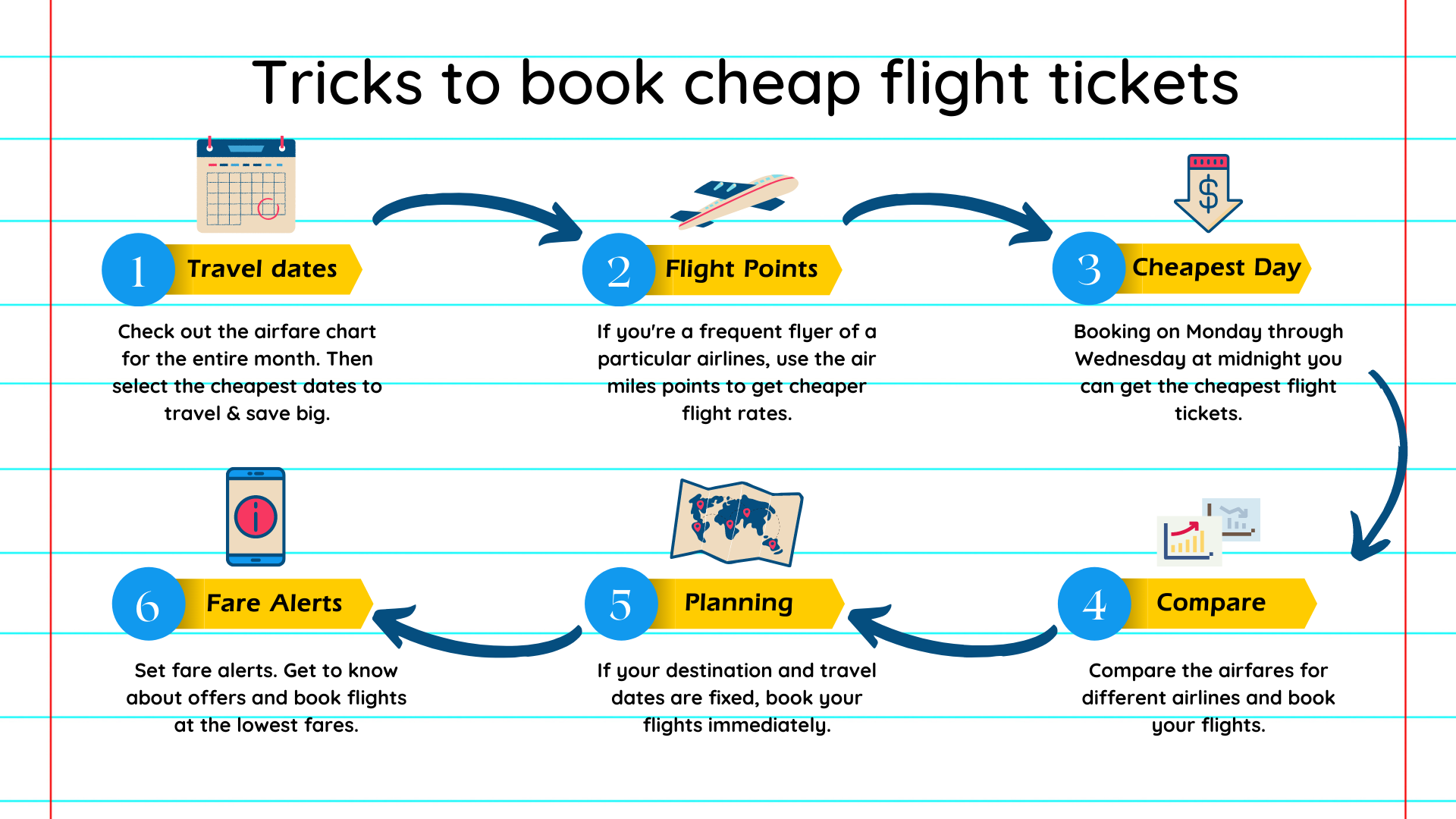
The journey to cheaper flights begins long before you pack your bags, with the strategic execution of your search and booking process. Understanding the dynamics of airline pricing and knowing how to exploit them can yield substantial savings, turning a potentially expensive trip into an affordable adventure. This section explores the foundational strategies for identifying and securing the best possible airfare.
The Golden Window: Timing Your Bookings for Optimal Savings
One of the most enduring myths in air travel is that last-minute bookings always equate to higher prices. While often true for peak travel times, the reality is more nuanced. Airlines employ complex algorithms to adjust prices based on demand, historical data, and competitor pricing. The “golden window” refers to the optimal period to book a flight, which typically falls between 3 weeks and 3 months before departure for domestic flights, and 2 to 8 months for international travel. Booking too early can mean you miss out on sales and promotional fares, while booking too late means you’re often left with premium pricing as seats fill up.
- Understanding Dynamic Pricing: Airlines use sophisticated yield management systems. These systems monitor demand, competitor prices, and booking patterns in real-time. Prices can fluctuate multiple times a day.
- The “Sweet Spot” Strategy: Aim to book within the golden window. For leisure travelers, flexibility around this window is key. Business travelers with less flexibility might need to track prices more aggressively within their available booking period.
- Avoiding Peak Season Premiums: If you must travel during holidays or major events, extending your booking window even further (e.g., 9-12 months out for Christmas flights) can sometimes secure better rates before demand surges.
Leveraging Flight Comparison Sites and OTAs Wisely
Flight comparison websites and Online Travel Agencies (OTAs) are indispensable tools in the quest for cheap flights, but knowing how to use them effectively is crucial. While they aggregate data from countless airlines, their pricing might not always be the absolute lowest, and their terms and conditions can differ significantly from booking directly with an airline.
- Comparison Site Savvy: Start your search with meta-search engines like Google Flights, Skyscanner, Kayak, and Momondo. These sites scan a vast array of airlines and OTAs, providing a comprehensive overview of prices and routes. Pay attention to their “anywhere” or “flexible dates” features to uncover unexpected deals.
- Direct vs. OTA Bookings: Always cross-reference prices found on OTAs with the airline’s official website. Sometimes, airlines offer exclusive deals, bundle options, or better cancellation policies directly. Booking direct can also simplify future changes or customer service interactions.
- The Power of Multiple Searches: Don’t limit yourself to one comparison site. Each platform has its own algorithms and airline partnerships, meaning prices can vary. Running searches across several popular sites can uncover different results.
The Stealth Mode: Incognito Browsing and VPNs for Price Protection
Have you ever noticed flight prices inexplicably rising after multiple searches? This isn’t always a coincidence. Airlines and OTAs sometimes use cookies and IP addresses to track your search history, potentially leading to dynamic pricing adjustments that show you higher fares on subsequent visits.
- Incognito/Private Browsing: Always search for flights using your browser’s incognito or private browsing mode. This prevents websites from storing cookies and tracking your activity, ensuring you see fresh prices each time you search.
- Clearing Cookies: If you prefer not to use incognito mode, regularly clear your browser’s cookies and cache before conducting new flight searches.
- VPN Use for Geo-Arbitrage: In some cases, flight prices can vary based on your geographical location (IP address). Using a Virtual Private Network (VPN) to connect from a server in a different country might, on rare occasions, reveal lower fares. This strategy is more experimental and requires careful comparison, but can be effective for specific routes where airlines employ regional pricing strategies.
Price Alerts: Your Digital Assistant for Deals
In the dynamic world of airfare, prices can fluctuate daily, even hourly. Manually checking for price drops is time-consuming and inefficient. This is where price alert tools become invaluable for the financially savvy traveler.
- Setting Up Notifications: Most major flight comparison sites (Google Flights, Skyscanner, Kayak, Hopper) offer price alert features. Input your desired route and dates, and these services will notify you via email or app notification when the price drops or significantly changes.
- Patience and Persistence: Setting alerts allows you to “set it and forget it” to a degree. You can monitor price movements over weeks or months, waiting for the optimal moment to strike. This passive monitoring is a smart money strategy, ensuring you don’t miss a fleeting deal.
- Flexibility Rewarded: If you have flexible dates or destinations, use broader alerts (e.g., “flights from New York to Europe in September”) to catch wide-ranging sales or error fares.
Embracing Flexibility for Financial Gain
Flexibility is perhaps the single most potent weapon in the arsenal of a budget traveler. The less constrained you are by specific dates, times, and destinations, the greater your chances of unearthing incredible deals. Airlines price flights based on demand, and by being able to deviate from peak demand periods, you position yourself for significant savings.
The Power of Date and Time Agility
Travel dates and times are primary drivers of flight cost. Understanding when demand is high versus low is crucial for financial optimization.
- Midweek Travel: Flying on Tuesdays, Wednesdays, and Saturdays is generally cheaper than flying on Fridays, Sundays, or Mondays. These are typically lower-demand days for both business and leisure travelers.
- Off-Peak Hours: Early morning flights (before 8 AM) and late-night flights (after 9 PM) often have lower fares simply because fewer people want to fly at inconvenient times.
- Avoiding Peak Seasons and Holidays: This is perhaps the most straightforward way to save. Traveling during major holidays (Christmas, Thanksgiving) or school breaks will always be more expensive. If your schedule allows, shift your travel to shoulder seasons or entirely off-peak periods. Even moving your departure or return by a single day can sometimes halve the price.
- “Cheapest Month” and “Cheapest Day” Tools: Websites like Google Flights and Skyscanner offer calendar views or “cheapest month” features that visually display how prices fluctuate across different days and months. This is invaluable for identifying the lowest-cost travel periods.
Exploring Alternative Airports and Destinations
While flying into or out of a major hub might seem convenient, it often comes with a premium. Expanding your search to include nearby airports or even slightly different destinations can unlock substantial savings.
- Secondary Airports: Many large cities have multiple airports. For example, flying into London Stansted or Luton instead of Heathrow or Gatwick can often be significantly cheaper, even after accounting for ground transportation costs. Always factor in the cost and time of getting from the alternative airport to your final destination.
- Nearby Hubs: If your desired destination’s airport is expensive, consider flying into a nearby major city and taking a train, bus, or short domestic flight to your final stop. This “multi-modal” approach can sometimes be more cost-effective.
- “Everywhere” or “Explore” Features: Many flight search engines have an “Everywhere” or “Explore” feature where you input your departure city and dates, and it shows you the cheapest destinations around the world. This is perfect for adventurous travelers whose primary goal is to simply travel cheaply, regardless of the specific destination.
The Shoulder Season Advantage: Travel When Others Don’t
Shoulder season, the period immediately before or after the peak travel season, offers an unparalleled balance of good weather, fewer crowds, and significantly lower prices. This strategy is a cornerstone of intelligent travel budgeting.
- Optimal Timing: For many destinations, spring and fall constitute the shoulder seasons. For example, visiting Europe in April-May or September-October typically offers pleasant weather without the exorbitant prices and throngs of tourists seen in July-August.
- Cost vs. Experience: While the weather might not be consistently perfect, or some attractions might have slightly reduced hours, the financial savings on flights and accommodation, combined with a more relaxed travel experience, often far outweigh these minor compromises. This makes shoulder season travel a financially astute choice for maximizing value.
- Research Specific Destinations: Shoulder seasons vary by region. Researching the best times to visit your specific destination outside of its peak tourist rush is essential for capitalizing on this strategy.
Decoding Airline Strategies and Hidden Costs
Airlines have become masters at unbundling services, offering a seemingly low base fare only to add various fees that can quickly inflate the final price. For the financially astute traveler, understanding these strategies and proactively mitigating hidden costs is paramount to flying cheap.
Navigating Budget Carriers: Unbundling Services for Savings

Budget airlines revolutionized air travel by offering incredibly low base fares. However, their business model relies heavily on charging for every conceivable extra, from checked bags to seat selection.
- Know Before You Go: Before booking with a budget carrier (e.g., Ryanair, Spirit, Frontier, EasyJet), meticulously review their baggage policies, seat assignment fees, and any other charges. These vary widely between airlines and can quickly erode your savings.
- Pack Light, Travel Smart: The easiest way to avoid baggage fees is to travel with only a personal item or a carry-on that adheres strictly to the airline’s dimensions and weight limits. Invest in a lightweight, compliant carry-on bag.
- Forego the Extras: If you don’t mind where you sit, decline seat selection fees. Pack your own snacks and water instead of paying for overpriced in-flight refreshments. These small decisions accumulate into significant savings.
- Print Your Boarding Pass: Some budget airlines charge a fee for printing your boarding pass at the airport. Always check-in online and have your boarding pass ready on your phone or printed beforehand.
The Loyalty Game: Maximizing Frequent Flyer Programs and Credit Card Perks
For frequent travelers, leveraging loyalty programs and travel-specific credit cards can transform flying cheap from an occasional win into a consistent strategy, essentially turning travel into an investment.
- Airline Loyalty Programs: Sign up for frequent flyer programs with airlines you fly most often. Even if you don’t fly one airline exclusively, accumulating miles, even slowly, can lead to free flights, upgrades, or other valuable perks down the line. Look for opportunities to earn miles through partner services (hotels, car rentals).
- Travel Reward Credit Cards: This is arguably the most powerful tool for savvy travelers. Many travel credit cards offer substantial sign-up bonuses (e.g., 50,000+ miles/points) after meeting minimum spending requirements. These bonuses alone can often fund one or more round-trip flights.
- Strategic Spending: Use your travel credit card for everyday expenses to earn points on every dollar spent. Focus on cards that offer bonus points categories (e.g., 2x on dining, 3x on travel) aligned with your spending habits.
- Redemption Value: Understand the value of your points. Some programs offer better redemption rates for specific airlines or travel dates. Look for “sweet spots” where you can get outsized value for your miles, often through partner airline bookings or during promotional redemption periods.
Dodging Ancillary Fees: Baggage, Seat Selection, and In-Flight Extras
Ancillary fees are designed to look small individually but collectively can add hundreds to your fare. Being proactive in avoiding them is a core financial strategy for cheap flights.
- Baggage Strategies:
- Weight and Dimension Check: Always confirm the exact baggage allowance (both carry-on and checked) for your specific fare class and airline. Don’t assume.
- Shared Luggage: If traveling with a companion, strategically distribute your belongings to minimize checked bags.
- Vacuum Seal Bags: These can condense clothing, allowing you to fit more into a carry-on.
- Wearing Layers: Wear your bulkiest items (jackets, boots) on the plane to save space and weight in your luggage.
- Seat Selection Avoidance: Unless you have a specific need (e.g., emergency exit row for legroom), avoid paying for seat selection. Most airlines will automatically assign you a seat during check-in or at the gate. If you’re traveling with others, you might be separated, but often you can ask to be seated together at the gate.
- In-Flight Frugality: Bring your own pre-filled reusable water bottle (empty through security, fill after) and snacks. This simple act saves you significantly on overpriced airport and in-flight purchases. Download entertainment to your devices rather than relying on potentially paid in-flight options.
Advanced Tactics for the Savvy Traveler
Beyond the common strategies, a few advanced tactics can unlock even deeper savings for those willing to invest a little more time and embrace a higher level of flexibility. These methods often require keen observation and quick decision-making.
Error Fares and Flash Sales: Being Ready to Pounce
Error fares and flash sales are the holy grail for extreme budget travelers. These fleeting opportunities offer flights at unbelievably low prices, sometimes due to a technical glitch, a currency conversion error, or a highly aggressive, short-lived promotion.
- Stay Alert: Follow deal-spotting websites (e.g., The Flight Deal, Secret Flying, Scott’s Cheap Flights) and their social media channels. These sites specialize in finding and publicizing error fares and flash sales as soon as they appear.
- Act Fast: Error fares, in particular, are extremely time-sensitive. They can disappear within hours, sometimes minutes, as airlines correct their pricing systems. Have your passport and credit card details ready to book immediately.
- Understand the Risk: While most error fares are honored, there’s always a slight risk an airline might cancel the ticket if it was a genuine and significant error. It’s advisable to wait a few days before making non-refundable arrangements like hotels or tours.
- Flash Sales: These are intentional but deeply discounted promotions for a limited time or specific routes. They offer less risk than error fares but still require quick action.
Strategic Stopovers and Open-Jaw Tickets
Sometimes, the most direct route isn’t the cheapest. Creative ticketing strategies can lead to significant financial benefits, especially for international travel.
- The Power of Stopovers: Instead of booking a direct flight or a single layover, consider routes that allow for a longer stopover (e.g., 24+ hours) in an intermediate city. Some airlines even promote free stopover programs in their hub cities (e.g., Icelandair in Reykjavik, Emirates in Dubai), effectively giving you two destinations for the price of one flight. This requires planning but adds immense value.
- Open-Jaw Tickets: An open-jaw ticket means you fly into one city and depart from another. For example, flying from New York to London and returning from Paris to New York. This is incredibly useful for travelers planning to explore a region by ground transportation between cities. It often costs less than booking two separate one-way tickets or flying round-trip into one city and paying for a return journey back to the initial arrival city.
Travel Hacking with Points and Miles: A Long-Term Investment
For the truly dedicated, travel hacking goes beyond merely accumulating points; it’s a strategic long-term investment in future travel. This involves a deeper understanding of loyalty programs, credit card ecosystems, and redemption strategies.
- Understanding Point Currencies: Learn the difference between airline-specific miles, flexible bank points (like Chase Ultimate Rewards, Amex Membership Rewards), and hotel points. Flexible points are often the most valuable because they can be transferred to various airline and hotel partners, offering versatility.
- Diversifying Your Earning: Don’t put all your eggs in one basket. By strategically opening and managing multiple credit cards, you can earn sign-up bonuses across different point currencies, maximizing your earning potential.
- Strategic Redemptions: Research “award charts” and “sweet spots” within loyalty programs. For instance, some programs offer disproportionately good value for flights to specific regions or on specific partner airlines. Aim for redemptions that yield 2-5 cents per point, rather than the typical 1 cent per point often seen for cash back.
- The “Companion Pass” Advantage: Certain credit card programs offer companion passes (e.g., Southwest Companion Pass), allowing a designated companion to fly with you for just the cost of taxes and fees for an entire year or two. This is an incredible value proposition for couples or frequent travel partners.
Beyond the Ticket: Holistic Travel Budgeting
While securing cheap flights is a monumental win for any budget, it’s only one piece of the puzzle. True financial efficiency in travel extends to every aspect of your trip. A holistic approach ensures that savings on airfare aren’t negated by overspending on other essential components, embodying the principles of comprehensive personal finance.
Ground Transportation: Planning for Airport Transfers
The cost of getting to and from the airport can sometimes rival a short-haul flight, especially in major cities. Neglecting this crucial aspect can quickly erode your flight savings.
- Public Transport First: Always research public transportation options (trains, buses, metro) from the airport to your accommodation. These are almost invariably cheaper than taxis or ride-sharing services. Many major airports are well-connected to city centers.
- Pre-booked Shuttles/Taxis: If public transport isn’t feasible, consider pre-booking a shared shuttle service. For taxis, check if airports offer fixed rates to common destinations to avoid surge pricing or meter manipulation.
- Ride-Sharing Strategy: For ride-sharing apps, compare prices between different providers (e.g., Uber, Lyft, local alternatives) and consider scheduling your ride in advance if possible to lock in a price.
- Rental Cars: If renting a car, factor in airport pick-up surcharges, fuel costs, and parking fees at your destination. Sometimes picking up a car from an off-airport location can save money.
Accommodation Choices: Smart Stays to Complement Cheap Flights
Once you’ve nailed down your flight, your accommodation often represents the next largest expense. Aligning your lodging strategy with your budget flight ensures overall financial prudence.
- Diverse Options: Explore a range of accommodation types: hostels (private rooms or dorms), guesthouses, vacation rentals (Airbnb, Vrbo), and budget hotels. Don’t limit yourself to traditional hotels.
- Location vs. Price: Staying slightly outside the absolute city center can significantly reduce costs. Balance the savings with the convenience and cost of commuting to attractions.
- Loyalty Programs and Deals: If you frequently use a specific hotel chain, leverage their loyalty programs for free nights or upgrades. Look for package deals (flight + hotel) offered by OTAs, which can sometimes provide greater savings than booking separately, but always compare prices.
- Alternative Stays: Consider house-sitting, home exchanges, or even camping for ultra-budget-conscious travel, especially if your cheap flight gets you to a region well-suited for these options.
Food and Activities: Budgeting for the Entire Trip
The travel budget isn’t just about getting there and sleeping; it’s about the experience itself. Smart financial planning for food and activities prevents unexpected overspending.
- Meal Strategies:
- Self-Catering: If your accommodation has kitchen facilities, buying groceries and cooking some meals can save a fortune.
- Local Markets and Street Food: Embrace local markets and street food vendors for authentic and often inexpensive dining experiences.
- Packed Lunches: Prepare packed lunches for sightseeing days to avoid expensive tourist traps.
- Happy Hour/Early Bird Deals: Look for restaurant specials, happy hours, or early bird menus for dining out.
- Free and Low-Cost Activities: Research free walking tours, public parks, free museum days, and natural attractions. Many cities offer a wealth of free or inexpensive activities.
- Activity Passes: For cities with many attractions you wish to visit, investigate city passes or tourist cards. Calculate if the pass genuinely offers savings compared to buying individual tickets for the specific attractions you plan to see.
- Expense Tracking: Use a budgeting app or a simple spreadsheet to track your spending during the trip. This real-time awareness helps you stay within your allocated budget and make adjustments as needed.
By meticulously planning each aspect of your journey, from the initial flight search to your daily expenditures, you transform travel from a potential financial drain into an accessible and rewarding experience. Flying cheap is not an act of luck; it’s the result of diligent research, strategic decision-making, and a keen understanding of personal finance principles applied to the world of travel.
aViewFromTheCave is a participant in the Amazon Services LLC Associates Program, an affiliate advertising program designed to provide a means for sites to earn advertising fees by advertising and linking to Amazon.com. Amazon, the Amazon logo, AmazonSupply, and the AmazonSupply logo are trademarks of Amazon.com, Inc. or its affiliates. As an Amazon Associate we earn affiliate commissions from qualifying purchases.