
In an increasingly interconnected world, travel has become a central aspiration for many, offering opportunities for cultural enrichment, personal growth, and professional development. However, the cost of airfare often represents a significant hurdle, demanding a strategic approach to personal finance. For the savvy traveler, finding cheaper flights isn’t merely about luck; it’s a disciplined exercise in financial planning, market analysis, and leveraging available resources to optimize expenditure. This guide delves into the financial intricacies of air travel, offering insights and actionable strategies to significantly reduce your flight costs, transforming travel from a luxury into an accessible, well-budgeted reality.
Understanding the Financial Dynamics of Airfare
Before embarking on the quest for the most affordable tickets, it’s crucial to grasp the underlying financial mechanisms that dictate flight pricing. Airlines operate within a complex economic ecosystem driven by supply, demand, operational costs, and sophisticated revenue management strategies. Recognizing these factors empowers travelers to make more informed financial decisions rather than reacting to fluctuating prices.
The Algorithms Behind Dynamic Pricing
Modern airline pricing is a masterclass in dynamic pricing, a financial strategy where prices are not fixed but fluctuate continuously based on real-time market conditions. Algorithms analyze a myriad of data points: historical booking patterns, competitor pricing, remaining seat inventory, time until departure, day of the week, time of day, and even user search behavior. From a financial perspective, airlines aim to maximize revenue per available seat mile (RASM) by segmenting the market and offering different price points to different customer groups. Understanding this means that the price you see at one moment might be entirely different hours later, reflecting the airline’s continuous attempt to optimize profit margins. This necessitates a proactive and agile approach to booking.
Supply, Demand, and Strategic Timing
The fundamental economic principles of supply and demand heavily influence airfare costs. During peak travel seasons (holidays, summer vacations) or for popular routes, demand surges, allowing airlines to command higher prices. Conversely, during off-peak periods or for less popular destinations, lower demand often translates to more attractive fares.
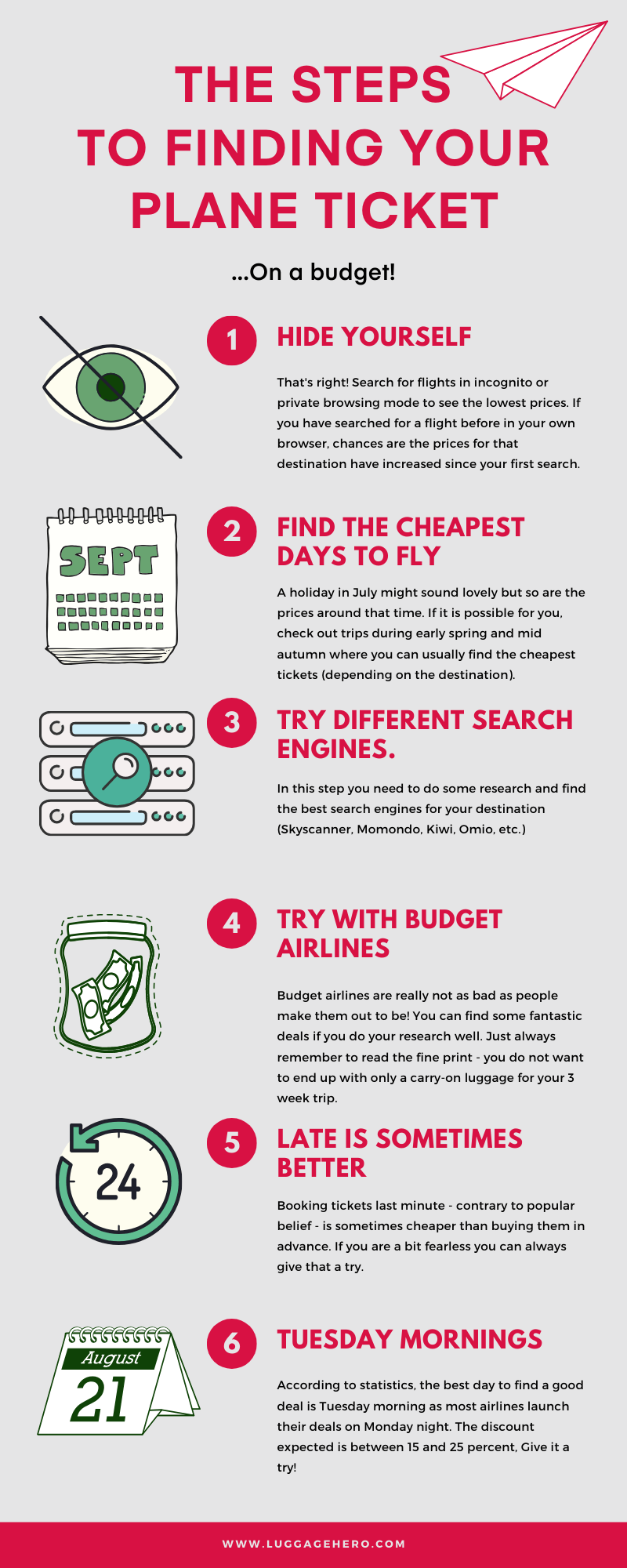
Strategic timing extends beyond just the season. The day of the week you fly, the time of day, and the lead time before your departure all have significant financial implications. Statistically, Tuesday and Wednesday flights are often cheaper due to lower business travel demand, while weekend flights typically incur a premium. Furthermore, the “sweet spot” for booking often lies several weeks to a few months out, offering a balance between early-bird discounts and the rising prices associated with last-minute demand. Booking too early might miss out on potential sales, while booking too late invariably means paying for the premium of urgency. From a financial planning perspective, this requires a careful calibration of flexibility and foresight.
Leveraging Financial Tools and Tactics
Successfully navigating the volatile landscape of airfare pricing requires more than just passive observation; it demands active engagement with financial tools and the adoption of savvy booking tactics. These strategies are designed to extract maximum financial value, converting every dollar spent or saved into a tangible benefit for your travel budget.
Maximize Credit Card Rewards and Loyalty Programs
One of the most powerful, yet often underutilized, financial strategies for cheaper flights involves leveraging credit card rewards and airline loyalty programs. Many travel-focused credit cards offer substantial sign-up bonuses, often enough for a free international flight, alongside ongoing rewards for everyday spending. These rewards typically come in the form of points or miles, which can be redeemed for flights, upgrades, or even cash back that can offset travel costs.
However, a financially responsible approach is paramount. This strategy is most effective for individuals who can pay their credit card balances in full each month, avoiding interest charges that would negate any rewards earned. Furthermore, understanding the true redemption value of points across different airlines or credit card portals is key. Some programs offer a higher return on investment (ROI) than others. Loyalty programs directly with airlines can also yield benefits such as elite status, which may include free baggage, priority boarding, and access to airport lounges – all of which translate to indirect financial savings and enhanced travel experiences. Strategic accumulation and redemption of these financial assets can dramatically reduce out-of-pocket flight expenses.
Strategic Search Engines and Price Alerts
In the digital age, a plethora of online financial tools exist to help monitor and compare flight prices. Metasearch engines like Google Flights, Skyscanner, Kayak, and Momondo don’t sell tickets directly but aggregate data from hundreds of airlines and online travel agencies (OTAs), presenting a comprehensive overview of prices. From a financial perspective, these platforms act as sophisticated market analysis tools, allowing travelers to quickly identify the most cost-effective options across various providers.
Beyond simple comparison, many of these tools offer price alert features. By setting up alerts for specific routes or dates, you receive notifications when prices drop, allowing you to seize opportunities as they arise. This proactive financial monitoring ensures you don’t miss out on fleeting deals. The key is to avoid brand loyalty to a single booking platform and instead leverage the competitive marketplace by exploring multiple sources to secure the best financial outcome. Cookies and IP addresses can sometimes influence prices, so using incognito mode or a VPN can occasionally reveal different pricing tiers, offering a minor but potentially impactful financial advantage.
The Art of Flexible Booking
Flexibility is perhaps the most significant financial asset a traveler can possess when seeking cheaper flights. Rigid travel plans often come with a premium, as airlines capitalize on fixed demand. Cultivating flexibility in several key areas can unlock substantial savings:
- Travel Dates: Shifting your departure or return by a day or two, especially to mid-week, can drastically alter prices. Using flexible date search tools (e.g., Google Flights’ calendar view or Skyscanner’s “cheapest month” feature) provides a financial overview of pricing fluctuations across an entire month or year.
- Destinations: If your primary goal is simply to “travel” rather than visit a specific place, searching for flights to “Everywhere” from your departure city can reveal incredibly cheap fares to unexpected destinations, offering an excellent return on your travel investment.
- Airports: Don’t limit yourself to the closest major airport. Investigating smaller, secondary airports within a reasonable travel radius can often uncover significantly cheaper flights due to lower landing fees and less airline competition. A quick cost-benefit analysis of the cheaper flight versus the additional ground transportation cost is essential.
- Layovers: Direct flights are convenient but often carry a premium. Opting for flights with one or more layovers can lead to substantial savings, especially on international routes. While it might add travel time, the financial trade-off can be well worth it for budget-conscious travelers.

Embracing this financial agility means viewing your travel budget as a dynamic resource that can be optimized through strategic choices, rather than a fixed sum to be spent regardless of value.
Deconstructing the “True Cost” of Air Travel
The advertised price of a flight ticket is rarely the final expenditure. Airlines have become adept at unbundling services, creating a base fare and then charging separately for what were once standard inclusions. Understanding these “ancillary fees” and how to minimize them is a critical component of finding genuinely cheaper flights.
Navigating Ancillary Fees
Ancillary fees can significantly inflate the total cost of your trip if not managed prudently. These include:
- Baggage Fees: Checked bags are almost universally chargeable, and even carry-on policies are becoming stricter. A financial strategy here involves packing light, utilizing personal items that fit under the seat, or consolidating luggage among travel companions. Weighing bags at home to avoid airport surcharges is a simple but effective financial discipline.
- Seat Selection Fees: Many airlines now charge for choosing your seat, especially for preferred spots like exit rows or front cabins. If comfort isn’t a top priority, opting for random assignment at check-in (often free) can save money.
- In-Flight Services: Meals, snacks, beverages, blankets, and entertainment systems often come with a price tag. Bringing your own snacks and a refillable water bottle (after security) eliminates these incremental expenditures.
- Booking Fees: Some online travel agencies or direct airline websites might impose small fees for processing transactions. Always check the final breakdown before confirming payment.
A financially astute traveler factors in these potential hidden costs from the outset, either by budgeting for them or, more effectively, by adopting strategies to avoid them, thus ensuring the “cheaper flight” remains cheap in its totality.
The Hidden Value of Alternative Routes and Airports
Expanding your search beyond direct routes or primary airports can unearth significant financial advantages. Often, flying into a smaller, regional airport near your final destination or utilizing a multi-leg journey with different airlines can be substantially cheaper.
Consider the “self-transfer” strategy: instead of booking a single ticket with a long layover, book two separate, cheaper flights that connect in a major hub. For example, a flight from New York to London might be expensive, but a flight from New York to Dublin and then a separate, low-cost flight from Dublin to London could yield significant savings. However, this strategy carries financial risk: if the first flight is delayed, you might miss your connection and have to purchase a new ticket. Therefore, it requires careful timing and a contingency budget or travel insurance.
Similarly, sometimes a combination of flying and ground transportation (bus or train) for part of the journey can be more economical. For instance, flying into a major European hub and then taking a high-speed train to a smaller city might be cheaper than a direct flight to the final destination, especially when factoring in the time saved by arriving directly in the city center compared to an outlying airport. A thorough cost-benefit analysis, including both monetary and time costs, is essential for these alternative approaches.
Long-Term Financial Planning for Savvy Travel
While immediate tactics can yield short-term savings, true mastery of finding cheaper flights—and affordable travel in general—is rooted in long-term financial discipline and strategic planning. This approach transforms travel from an occasional splurge into a regular, sustainable part of your lifestyle.
Budgeting for Future Adventures
Effective travel budgeting begins long before you even search for a flight. Incorporating travel savings into your regular financial plan ensures that funds are available when opportunities arise. This means setting aside a dedicated portion of your income each month, treating it as a non-negotiable expense for future experiences.
A robust travel budget accounts for more than just flights; it includes accommodation, ground transportation, activities, food, and a contingency fund for unexpected expenses. By meticulously planning and allocating funds, you gain clarity on what you can realistically afford, preventing impulsive overspending that can derail overall financial goals. This proactive budgeting allows you to confidently pounce on a great flight deal without straining your other financial commitments.
Building a Travel Savings Fund
Establishing a dedicated travel savings fund is a cornerstone of smart travel finance. This isn’t just a mental allocation; it’s a separate, often high-yield savings account specifically earmarked for travel. Automating transfers from your checking account into this fund each payday removes the temptation to spend it elsewhere and ensures consistent growth.
Beyond direct contributions, consider creative ways to bolster your travel fund. This could include dedicating specific side hustle income, allocating unexpected bonuses, or channeling savings from other areas of your budget (e.g., cutting down on non-essential subscriptions or dining out) directly into your travel reserves. By viewing your travel fund as an investment in future experiences, you cultivate the financial discipline necessary to secure those experiences at the lowest possible cost, making every journey not just memorable, but also financially sound.

Conclusion
Finding cheaper flights is a continuous process of learning, adaptation, and disciplined financial strategy. It requires moving beyond passive searches to actively understanding the economic forces at play, leveraging sophisticated financial tools, embracing flexibility, and meticulously deconstructing the true cost of travel. By integrating these insights into your personal finance framework, you empower yourself to unlock incredible travel opportunities without compromising your financial well-being. The world awaits, and with a savvy financial approach, it’s more accessible than ever.
aViewFromTheCave is a participant in the Amazon Services LLC Associates Program, an affiliate advertising program designed to provide a means for sites to earn advertising fees by advertising and linking to Amazon.com. Amazon, the Amazon logo, AmazonSupply, and the AmazonSupply logo are trademarks of Amazon.com, Inc. or its affiliates. As an Amazon Associate we earn affiliate commissions from qualifying purchases.