
In an era defined by digital convenience and the quest for efficiency, navigating the complex world of air travel can often feel daunting. The internet is awash with flight comparison sites, but few offer the intuitive power and comprehensive data aggregation that Google Flights provides. Far more than just a search engine, Google Flights is a sophisticated software application designed to demystify airfare pricing, track trends, and present users with optimal travel solutions. This guide delves deep into the technological underpinnings and practical functionalities of Google Flights, empowering you to leverage its full potential for your next journey. By understanding its interface, mastering its advanced features, and employing strategic search techniques, you’ll transform from a casual browser into a savvy digital traveler, consistently securing better deals and more convenient itineraries.
Understanding the Google Flights Interface: A Technical Overview
Google Flights is engineered for user-friendliness, yet its simplicity belies a robust backend processing vast amounts of real-time airline data. From the moment you land on the page, the interface guides you through a streamlined process designed to minimize friction and maximize information delivery. Grasping the fundamental layout and interaction models is the first step toward becoming proficient with this powerful tool.
Navigating the Homepage and Initial Search Parameters
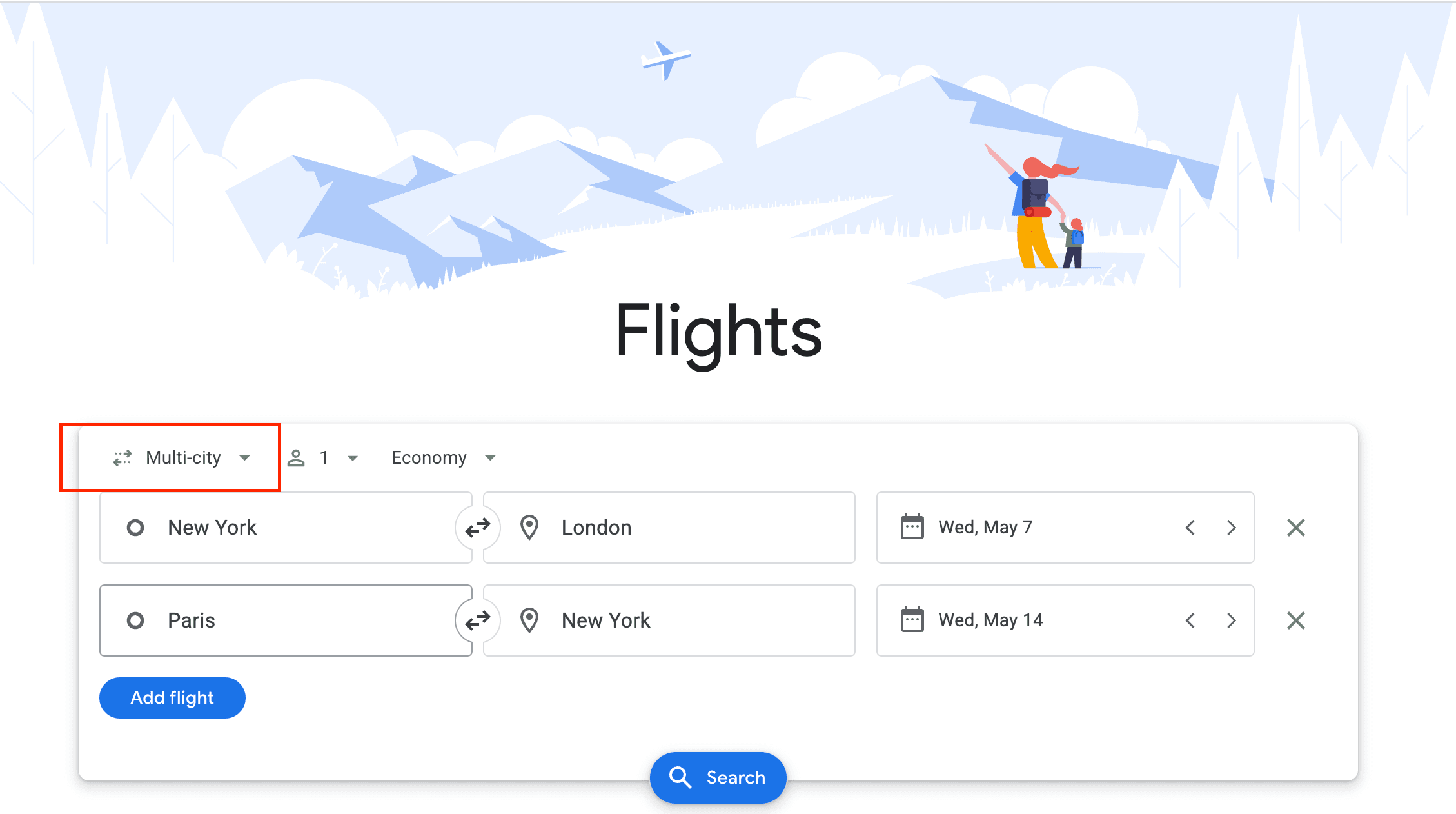
Upon accessing Google Flights (flights.google.com), you’re presented with a clean, uncluttered homepage. The core of the interface is the search widget, prominently featuring fields for departure airport, destination airport, and dates. This widget is an intelligent input system, leveraging predictive text and location services to suggest airports as you type. You can easily toggle between Round Trip, One-Way, and Multi-City options, each dynamically altering the subsequent date input fields. The passenger count selector allows for quick adjustments, accommodating anything from solo travel to family expeditions. Below these primary inputs, Google Flights often displays trending destinations or recent searches, powered by algorithmic analysis of popular queries and user history, offering inspiration or quick access to frequent routes. Understanding these initial touchpoints is crucial, as they form the foundation for any successful flight search. The system is designed to anticipate your needs, providing quick access to common functionalities and initiating a seamless data retrieval process in the background.
Deciphering Flight Results and Data Visualization
Once you initiate a search, Google Flights processes millions of data points from various airlines and online travel agencies (OTAs) in real-time, presenting the results in an organized, digestible format. The results page is a masterclass in data visualization, listing flights with key information such as airline, departure/arrival times, duration, number of stops, and, crucially, the price. Filters on the left-hand side allow for granular control over the displayed results, letting you refine by parameters like stops, airline alliance, price range, times, and even specific airports. What sets Google Flights apart is its dynamic pricing display and intelligent grouping. It often highlights “best flights” based on a balance of price, duration, and convenience, using an internal algorithm to determine optimal recommendations. Furthermore, when selecting a flight, the system provides detailed information about baggage policies, aircraft type, and even historical on-time performance, all aggregated from various data sources to give you a comprehensive understanding of your chosen itinerary. This robust display of information empowers users to make informed decisions, considering not just cost but also comfort and reliability.
Exploring the Calendar View and Date Flexibility
One of Google Flights’ most celebrated features is its intuitive calendar and date grid view, which is invaluable for travelers with flexible schedules. Instead of forcing users to search day by day, Google Flights overlays a calendar on top of a 2-month span, displaying the lowest available prices for various dates. This visual representation instantly highlights cheaper days to fly, often showing significant price differences with just a glance. For even greater flexibility, after an initial search, the “Date Grid” option expands this view into a matrix showing a range of departure and return dates, each cell populated with the total round-trip price. This innovative data display, dynamically updated, allows users to quickly identify the cheapest combinations without running multiple individual searches. It’s a powerful demonstration of how well-designed software can simplify complex comparisons, saving users time and potentially hundreds of dollars by visually revealing pricing trends tied to specific dates. This feature relies on sophisticated data indexing and retrieval to present complex fare structures in an easily consumable format.
Mastering Advanced Search Features for Optimal Deals
Beyond its core search capabilities, Google Flights offers a suite of advanced features that transform it from a simple comparison tool into a strategic travel planning assistant. These functionalities leverage sophisticated algorithms and data analytics to uncover less obvious savings and provide deeper insights into market dynamics.
Leveraging Price Tracking and Email Alerts
For those planning trips well in advance or waiting for prices to drop, Google Flights’ price tracking feature is indispensable. After performing a search, you can opt to “Track prices” for your selected route and dates. The system then continuously monitors the fares for that specific itinerary across various airlines and OTAs. When prices change significantly – either dropping to a more favorable level or rising – you receive immediate email notifications. This proactive monitoring eliminates the need for manual, repetitive checks, saving countless hours and ensuring you don’t miss out on a good deal. The underlying technology uses a combination of real-time data feeds, historical price analysis, and predictive modeling to identify meaningful shifts in airfare, making it a critical tool for budget-conscious travelers operating within flexible timelines. This feature exemplifies the power of automated digital assistance in personal finance and travel planning.
Utilizing the Explore Map for Flexible Destinations
Not everyone has a fixed destination in mind. For the adventurous traveler or those seeking inspiration, the “Explore Map” is a game-changer. Accessible from the main Google Flights page, this feature allows you to input your departure airport and then browse an interactive world map overlaid with prices to various destinations. You can filter by continent, region, or even specific interests (e.g., “beaches,” “skiing”), and set flexible date ranges (e.g., “weekend trip,” “1-week trip,” “anytime”). As you pan and zoom the map, prices dynamically update, revealing unexpected and affordable travel opportunities. This functionality is a testament to Google’s mapping and data integration capabilities, allowing users to discover destinations based on budget rather than a pre-conceived idea. It shifts the paradigm of travel planning from “where do I want to go?” to “where can I afford to go right now?”, powered by geospatial data and real-time fare availability.
Filtering by Airlines, Stops, and Baggage Policies
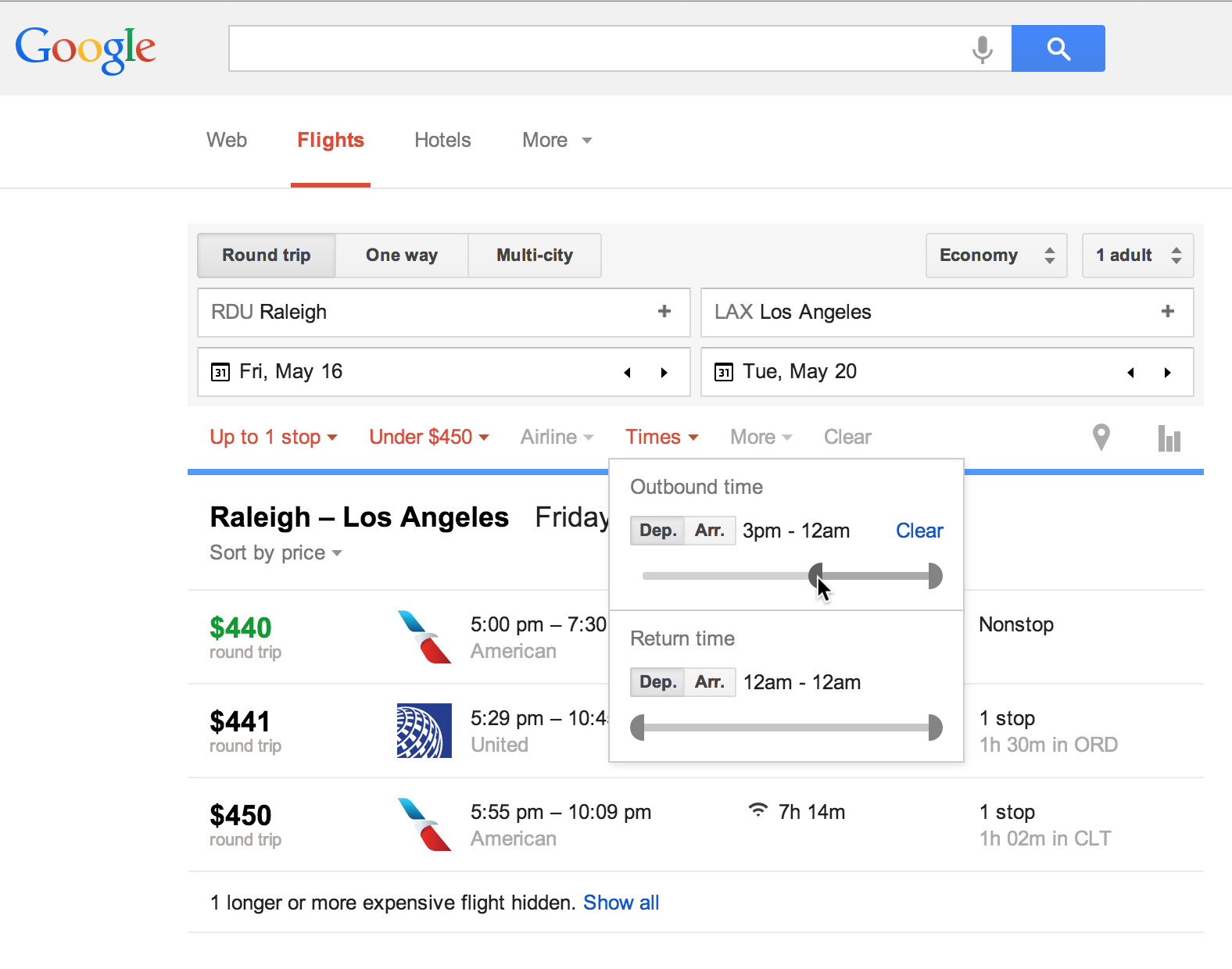
The array of filters available on the results page is crucial for tailoring your search to precise needs. Beyond the basic “stops” and “price range” filters, Google Flights allows you to specify preferred airlines or airline alliances, ensuring you can stick to loyalty programs or avoid certain carriers. The “times” filter helps you narrow down flights to specific departure or arrival windows, accommodating early birds or late sleepers. Critically, the system now integrates information on baggage policies, a feature that has become increasingly important with the proliferation of basic economy fares. You can filter to only show fares that include carry-on bags or check specific airlines’ policies directly within the interface. These granular controls are essential for customizing your itinerary and avoiding hidden costs or inconvenient travel times, reflecting a user-centric design approach that acknowledges the complexities of modern air travel rules.
Beyond Basic Searches: Unlocking Hidden Savings with Technical Know-How
While Google Flights simplifies the search process, a deeper understanding of digital mechanics and strategic application of its features can unlock even greater savings and optimization. These techniques often involve manipulating how the tool interacts with your browser and how you structure your queries.
Understanding Incognito Mode and Cookie Management
A common piece of advice in online travel booking is to use incognito or private browsing mode. While the direct impact on Google Flights prices is often debated, understanding its premise is rooted in how websites use cookies and IP addresses to track user behavior. Incognito mode prevents websites from storing cookies or remembering your browsing history for that session. This theoretically ensures that a flight search engine doesn’t “remember” previous searches for a particular route and potentially display higher prices on subsequent visits, a phenomenon sometimes attributed to dynamic pricing algorithms. While Google Flights itself strives for price transparency, using incognito mode can offer peace of mind by creating a fresh, untracked session, thus potentially bypassing any unintended algorithmic biases related to repeated searches. Managing your browser’s cookies, clearing them periodically, and understanding the role of your IP address are fundamental digital hygiene practices that extend beyond flight booking but are particularly relevant when hunting for competitive prices online.
Strategies for Finding Multi-City and Open-Jaw Flights
For complex itineraries, the Multi-City search option is a powerful tool. Instead of booking separate one-way tickets, which can be expensive, the Multi-City feature allows you to link multiple flight segments into a single itinerary. This is ideal for travelers visiting several destinations or flying into one city and out of another (an “open-jaw” itinerary). By structuring your search this way within Google Flights, the system’s algorithms can often find significantly cheaper combinations by leveraging airline alliances and connecting flights that wouldn’t appear in simple round-trip searches. The interface allows you to add up to five flight segments, giving you considerable flexibility to design intricate travel plans while optimizing for cost. Mastering this feature is crucial for extended trips or international travel where a single point of entry and exit is impractical or expensive.
Integrating Google Flights with Other Travel Tech Ecosystems
Google Flights doesn’t exist in a vacuum; it’s part of a broader travel tech ecosystem. Its integration with Google’s other services, such as Google Hotels and Google Trips (or its successor features within Google Maps and Search), creates a more cohesive planning experience. For instance, once you select a flight, Google Flights often suggests hotels or activities in your destination, drawing on data from its vast network. Furthermore, while Google Flights provides the best flight deals, cross-referencing these findings with data from other meta-search engines (like Skyscanner or Kayak) or even direct airline websites can sometimes reveal marginal differences or exclusive offers. Using browser extensions designed for travel planning or price comparison tools can also augment Google Flights’ capabilities, though always with a critical eye on data privacy and reliability. The key is to see Google Flights as a primary, incredibly powerful tool, but one that can be enhanced by judicious integration with other specialized digital services.
The Future of Flight Search: AI Integration and User Experience
The landscape of online travel is constantly evolving, driven by advancements in artificial intelligence, machine learning, and a relentless focus on user experience. Google Flights, as a leading innovator in this space, is at the forefront of these developments, continuously refining its algorithms and expanding its functionalities to offer an even more personalized and predictive service.
AI Integration and Predictive Analytics
The current capabilities of Google Flights already rely heavily on AI and machine learning to process vast datasets, identify trends, and provide recommendations. In the future, this integration is set to become even more sophisticated. Expect to see enhanced predictive analytics that can more accurately forecast future price movements for specific routes, advising users on the optimal time to book with greater certainty. AI will likely power more advanced personalized recommendations, not just based on your search history, but also on your travel patterns, loyalty program status, and even preferences inferred from your broader Google activity. Imagine a system that proactively suggests destinations and dates based on an analysis of your previous trips, budget, and real-time events, like low-cost concert tickets or unique cultural festivals. The goal is to move beyond reactive search to proactive, intelligent travel planning, making the platform feel less like a tool and more like a personal travel assistant.
Enhanced Personalization and User Experience
User experience is a continuous area of refinement for Google Flights. Future updates will likely focus on making the interface even more intuitive and offering deeper personalization. This could include more dynamic, customizable dashboards where users can track multiple potential trips, receive alerts for ancillary services (like seat upgrades or lounge access), and even manage loyalty points directly within the platform. The integration with other Google services, such as Calendar and Assistant, will also become more seamless, allowing for voice-activated searches or automatic synchronization of flight details with your personal schedule. Expect richer visual content, including 3D airport maps and virtual tours of aircraft cabins, providing a more immersive planning experience. Furthermore, as sustainability becomes a greater concern, Google Flights may integrate more prominent carbon footprint data for flights and suggest greener travel alternatives, aligning with broader technological and societal trends towards responsible consumption. These advancements underscore a future where technology doesn’t just find you a flight, but helps curate an entire, personalized, and efficient travel journey.

Conclusion
Google Flights stands as a monumental achievement in travel technology, transforming what was once a tedious and opaque process into an intuitive and insightful experience. By mastering its interface, leveraging its advanced search features, and understanding the digital strategies that unlock hidden value, travelers can consistently secure better deals and craft more efficient itineraries. From its real-time data aggregation and dynamic pricing displays to its innovative calendar views and predictive alerts, the platform empowers users with the information needed to make informed decisions. As Google continues to integrate AI and enhance personalization, Google Flights will undoubtedly remain at the forefront of digital travel planning, constantly evolving to meet the complex demands of modern explorers. Embrace its capabilities, delve into its nuances, and unlock a world of smarter, more accessible travel.
aViewFromTheCave is a participant in the Amazon Services LLC Associates Program, an affiliate advertising program designed to provide a means for sites to earn advertising fees by advertising and linking to Amazon.com. Amazon, the Amazon logo, AmazonSupply, and the AmazonSupply logo are trademarks of Amazon.com, Inc. or its affiliates. As an Amazon Associate we earn affiliate commissions from qualifying purchases.