
In an increasingly digital world, managing your finances efficiently often hinges on quick access to critical banking information. Among the most fundamental pieces of data you’ll need is your bank’s routing number. For Chase customers, the Chase Mobile app offers a convenient and secure way to retrieve this number, saving you time and streamlining various financial transactions. Understanding what a routing number is, why it’s essential, and precisely how to locate it within the app empowers you to handle everything from direct deposits to bill payments with confidence and ease. This guide will walk you through the process, ensuring you’re well-equipped to manage your financial needs.

Understanding the Significance of Your Chase Routing Number
Before diving into the “how-to,” it’s crucial to grasp the fundamental role a routing number plays in the financial ecosystem. It’s more than just a sequence of digits; it’s a critical identifier that facilitates the secure movement of money.
What Exactly is a Routing Number?
A routing number, also known as an ABA (American Bankers Association) routing transit number, is a nine-digit code that identifies the financial institution processing a transaction. Much like a street address directs mail to a specific building, a routing number ensures that funds are sent to and received by the correct bank or credit union. These numbers were originally developed by the ABA in 1910 to identify originating banks on paper checks and are now indispensable for electronic transactions.
It’s important to note that a bank can have multiple routing numbers, often varying by the state or region where the account was opened, or by the type of transaction (e.g., wire transfer vs. ACH). For instance, Chase, being a national bank, operates with several routing numbers across different geographical locations and for different service types. Knowing the specific routing number tied to your individual account is paramount for ensuring transaction accuracy. This specificity prevents funds from being misdirected, which can lead to significant delays and complications in your financial operations.
Why Your Routing Number is Indispensable for Financial Transactions
Your routing number is a cornerstone for a wide array of financial activities, both inbound and outbound. Without it, many common banking functions would be impossible, or at the very least, far more cumbersome.
One of its primary uses is for setting up direct deposits. Whether it’s your paycheck, government benefits, or tax refunds, the sender needs your bank’s routing number (along with your account number) to ensure the funds land directly in your account. This eliminates the need for paper checks, speeds up access to your money, and enhances security by reducing the risk of lost or stolen checks.
Similarly, routing numbers are essential for automated clearing house (ACH) transfers, which include automatic bill payments and recurring transfers between accounts. When you set up utilities, mortgage payments, or subscription services to debit your account directly, you’re typically providing your bank’s routing number and your account number. This automation simplifies budgeting and ensures bills are paid on time, avoiding late fees and service interruptions.
Furthermore, wire transfers, both domestic and international, heavily rely on routing numbers (or SWIFT codes for international transfers, which serve a similar purpose). While wire transfers often require additional information due to their higher value and real-time nature, the routing number is the initial key identifier for the receiving financial institution. Even when linking external bank accounts for transfers between different institutions, you’ll be prompted to enter the routing number for verification and transaction routing. For instance, connecting your Chase account to an investment platform or a peer-to-peer payment service will almost certainly necessitate providing this critical detail.
Step-by-Step Guide to Locating Your Routing Number in the Chase Mobile App
The Chase Mobile app is designed for user-friendliness, making access to your financial details straightforward. Finding your routing number is a quick process once you know where to look.
Initial Access: Logging In
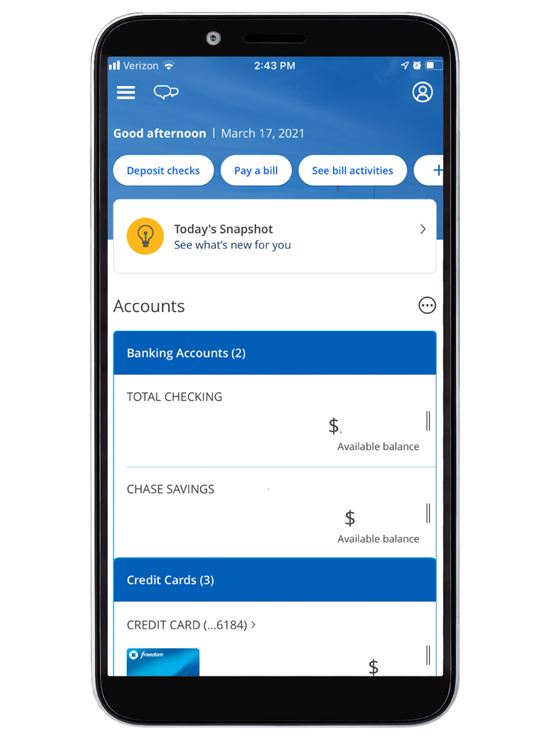
The first step, naturally, is to open the Chase Mobile app on your smartphone or tablet and securely log in. Chase prioritizes security, so you’ll typically be prompted to enter your username and password, or use biometric authentication like Touch ID or Face ID if you’ve enabled it. Ensure you are using the official Chase app and not a third-party application to protect your financial information. Once logged in, you’ll land on your account summary page, which provides an overview of your various Chase accounts.
Navigating to Account Details
From the account summary screen, you need to select the specific account for which you need the routing number. If you have multiple checking accounts, savings accounts, or even business accounts with Chase, their routing numbers might differ. For most common transactions like direct deposits or bill payments, your primary checking account’s routing number is usually what’s required.
Tap on the desired account (e.g., “Chase Checking” or “Savings”) to view its specific details. This action will take you to an account-specific overview, displaying recent transactions, current balance, and other relevant information for that particular account.
Identifying the Routing Number Field
Once you are on the individual account details page, you’ll need to look for a section or link that provides “Account details” or “Show details.” Depending on the app’s version and your device, this might be a subtle link, an icon, or a clearly labeled section. Often, you may need to scroll down slightly to find it.
Upon tapping “Account details” or a similar option, a pop-up window or a new screen will appear, revealing sensitive information related to your account. This is where you’ll find your routing number prominently displayed. It will typically be labeled “Routing number” or “ABA Routing Number” and will be a nine-digit code. Alongside it, you’ll also usually see your full account number. Take a moment to confirm these numbers match what you expect, especially if you have multiple accounts. Chase makes it relatively easy to copy these numbers to your clipboard, allowing for seamless pasting into other applications or forms, reducing the chance of manual entry errors.
Special Considerations for Multiple Accounts
As mentioned, Chase, like many large banks, can have different routing numbers for different accounts or even for accounts opened in different regions. While most personal checking and savings accounts opened in the same state might share a common routing number for ACH transactions, it’s never safe to assume. Always verify the routing number for the specific account you intend to use. For example, a business checking account might have a different routing number than a personal savings account. Similarly, wire transfer routing numbers can also differ from standard ACH routing numbers. The app will generally display the correct routing number for the account you’ve selected, but it’s a good practice to double-check if you’re dealing with an unusual transaction type or a new account. When in doubt, always confirm with Chase directly or consult your official bank statements.
Beyond the App: Alternative Methods to Retrieve Your Chase Routing Number
While the Chase Mobile app offers unparalleled convenience, there might be situations where you need to find your routing number without app access, or simply prefer an alternative method. Chase provides several other reliable avenues for retrieving this information.
Using Chase Online Banking on a Desktop
For those who prefer a larger screen or are on a computer, the Chase Online Banking website offers a comprehensive portal for managing your accounts. The process is very similar to the mobile app:
- Log In: Go to Chase.com and log in securely using your username and password.
- Select Account: From your account summary, click on the specific account (e.g., checking or savings) for which you need the routing number.
- View Account Details: Look for a link or section labeled “Account details,” “Show details,” or similar. This is often found on the main overview page for that account or under an “Account services” menu.
- Locate Routing Number: Your routing number will be clearly displayed, along with your account number and other relevant information. The desktop interface might offer a more expansive view, making it easier to spot.
This method is particularly useful if your phone battery is low, you’re experiencing app issues, or you’re already at your computer setting up an online payment or direct deposit.
Finding it on Your Chase Checks or Statements
Traditional banking methods also serve as reliable sources for your routing number.
- On Your Checks: If you have a Chase checking account, your routing number is printed on the bottom left of your checks. It’s the first nine-digit number, followed by your account number, and then your check number. This is a universally accepted method and a quick visual reference. Be cautious, however, not to use a routing number from an old check if you’ve recently changed banks or account types, as the routing number might have changed.
- On Your Bank Statements: Your monthly or quarterly Chase bank statements (paper or e-statements) also list your routing number. It’s typically found near your account number and other identifying details, often at the top of the statement or within the account summary section. Reviewing an e-statement downloaded from your online banking portal is a secure way to access this information if you don’t have physical checks handy.
Direct Contact with Chase Customer Service
When all else fails, or if you simply prefer speaking to a representative, Chase customer service is always an option.
- Phone Support: You can call Chase’s customer service line. After verifying your identity (which will typically involve personal information like your account number, address, and potentially answers to security questions), a representative can provide you with the correct routing number for your specific account. Have your account information ready to expedite the process.
- Visiting a Branch: For in-person assistance, visit any Chase bank branch. A teller or personal banker can look up your routing number after verifying your identity with an ID and account information. This can be a good option if you have complex questions or need immediate in-person help.
While contacting customer service might take a little longer, it’s the most definitive way to ensure you have the absolutely correct routing number for your specific needs, especially if you’re uncertain about which of your accounts or which type of routing number (e.g., ACH vs. wire) is required.
Practical Applications and Best Practices for Your Routing Number
Knowing how to find your routing number is just the beginning. Understanding its practical applications and adhering to best practices ensures your financial dealings remain smooth and secure.
Common Scenarios Requiring Your Routing Number
Your Chase routing number will be requested in numerous financial contexts. Being prepared with it can save you significant time and prevent delays.
- Setting Up Direct Deposit for Payroll: When you start a new job or want to switch your direct deposit, your employer’s HR or payroll department will ask for your routing and account numbers. This is typically done via a direct deposit form.
- Receiving Tax Refunds: The IRS provides an option for direct deposit of tax refunds. You’ll need to provide your routing and account numbers on your tax return.
- Paying Bills Automatically: For recurring payments like rent, utilities, insurance premiums, or loan installments, many companies allow you to set up automatic debits from your bank account using your routing and account numbers.
- Linking External Accounts: If you use third-party financial apps, investment platforms, or need to transfer money between your Chase account and an account at another bank, you’ll need the routing number for both institutions during the linking process.
- Sending or Receiving Wire Transfers: While wire transfers often have specific routing numbers, the general principle applies. Confirm with Chase or the recipient the exact routing number needed for wire transactions, as they can differ from ACH routing numbers.
Security Measures and Safeguarding Your Financial Information
Given its importance, safeguarding your routing number is crucial, though perhaps less critical than your account number or login credentials. While a routing number alone cannot compromise your account, when combined with your account number, it can facilitate unauthorized transactions if it falls into the wrong hands.
- Be Discerning About Sharing: Only provide your routing and account numbers to trusted institutions and individuals for legitimate financial transactions. Be wary of unsolicited requests via email, text, or phone calls. Chase will never ask for your full account details via unsecure methods.
- Secure Online Environments: When entering your routing number online, ensure you are on a secure website (look for “https://” in the URL and a padlock icon). Avoid using public Wi-Fi networks for sensitive transactions.
- Shred Old Documents: When disposing of old checks, bank statements, or other documents containing your routing and account numbers, shred them thoroughly to prevent identity theft.
- Regularly Monitor Accounts: Always review your bank statements and transaction history regularly to spot any unauthorized activity promptly. Chase’s mobile app makes this effortless with real-time notifications and easy access to transaction logs.
Ensuring Accuracy and Preventing Delays
Accuracy is paramount when dealing with routing numbers. A single transposed digit can lead to significant issues.
- Double-Check Everything: Before submitting any form or initiating a transaction, double-check both your routing number and account number. Many platforms prompt you to enter the number twice to mitigate errors.
- Use Copy/Paste: Whenever possible, especially when retrieving from the Chase app or online banking, use the copy-to-clipboard function to paste the routing number directly. This eliminates human transcription errors.
- Confirm with Recipient: If you are unsure which routing number to use, particularly for wire transfers or international transactions, confirm with the recipient’s bank or Chase directly. Different types of transfers sometimes require different routing numbers.
- Understand Regional Differences: Remember that routing numbers can vary by region. Always use the routing number associated with the specific branch or region where your account was opened, or as displayed for your account in the Chase app or online banking.
Optimizing Your Financial Management with Easy Access to Key Details
In today’s fast-paced world, efficient financial management is about more than just numbers; it’s about accessibility, security, and smart planning. Easy access to details like your routing number via the Chase app plays a significant role in this optimization.
The Convenience of Mobile Banking
The Chase Mobile app exemplifies the power of digital tools in personal finance. Having your bank’s routing number, account balances, transaction history, and payment capabilities at your fingertips transforms banking from a chore into a seamless part of your daily routine. This convenience extends beyond just finding numbers; it facilitates instant transfers, mobile check deposits, payment scheduling, and real-time fraud alerts. By leveraging these features, you gain greater control over your money, allowing for quicker decisions and more responsive financial adjustments. The app essentially miniaturizes an entire bank branch into your pocket, ready to serve your needs at any time.
Proactive Financial Planning
Understanding and utilizing tools like the Chase app for quick access to critical information fosters a more proactive approach to financial planning. Instead of scrambling to find a routing number when setting up a new direct deposit, you can effortlessly retrieve it. This efficiency reduces stress and frees up mental bandwidth to focus on broader financial goals, such as budgeting, saving for major purchases, or investing. Being able to quickly verify information or execute transactions empowers you to stay on top of your financial obligations and seize opportunities without delay. The blend of accessibility and security offered by modern banking apps like Chase’s is an invaluable asset in the journey towards robust personal financial health.
In conclusion, your Chase routing number is a small but mighty detail essential for countless financial interactions. By mastering how to find it within the Chase Mobile app, and understanding the alternative methods, you empower yourself with the knowledge and tools necessary for smooth, secure, and efficient financial management in the digital age.
aViewFromTheCave is a participant in the Amazon Services LLC Associates Program, an affiliate advertising program designed to provide a means for sites to earn advertising fees by advertising and linking to Amazon.com. Amazon, the Amazon logo, AmazonSupply, and the AmazonSupply logo are trademarks of Amazon.com, Inc. or its affiliates. As an Amazon Associate we earn affiliate commissions from qualifying purchases.