
In an increasingly digital world, where personal checks often feel like relics and instant digital transfers are the norm, the cashier’s check remains a steadfast pillar of secure financial transactions. For individuals and businesses dealing with significant sums of money, or when a guarantee of funds is paramount, a cashier’s check issued by a reputable institution like Chase Bank offers an unparalleled level of safety and assurance. This guide delves deep into the process of obtaining a cashier’s check from Chase, exploring its advantages, detailing the steps involved, and offering critical insights into its proper use and alternatives.
Demystifying the Cashier’s Check: Its Purpose and Advantages
Before embarking on the practical steps of acquiring one, it’s crucial to understand what a cashier’s check is, why it holds such importance, and how it stands apart from other payment methods. This foundational knowledge empowers you to make informed financial decisions, ensuring your transactions are secure and compliant.
What Exactly is a Cashier’s Check?
A cashier’s check is a check guaranteed by a bank, not by the account holder. When you request a cashier’s check from Chase, the bank debits the funds directly from your account (or takes cash from you) and issues a check drawn on its own funds. This crucial distinction means the bank itself is obligated to pay the amount stated on the check. Unlike a personal check, which can bounce if the issuer’s account lacks sufficient funds, a cashier’s check carries the bank’s promise of payment, making it exceptionally reliable and widely accepted for high-value transactions.
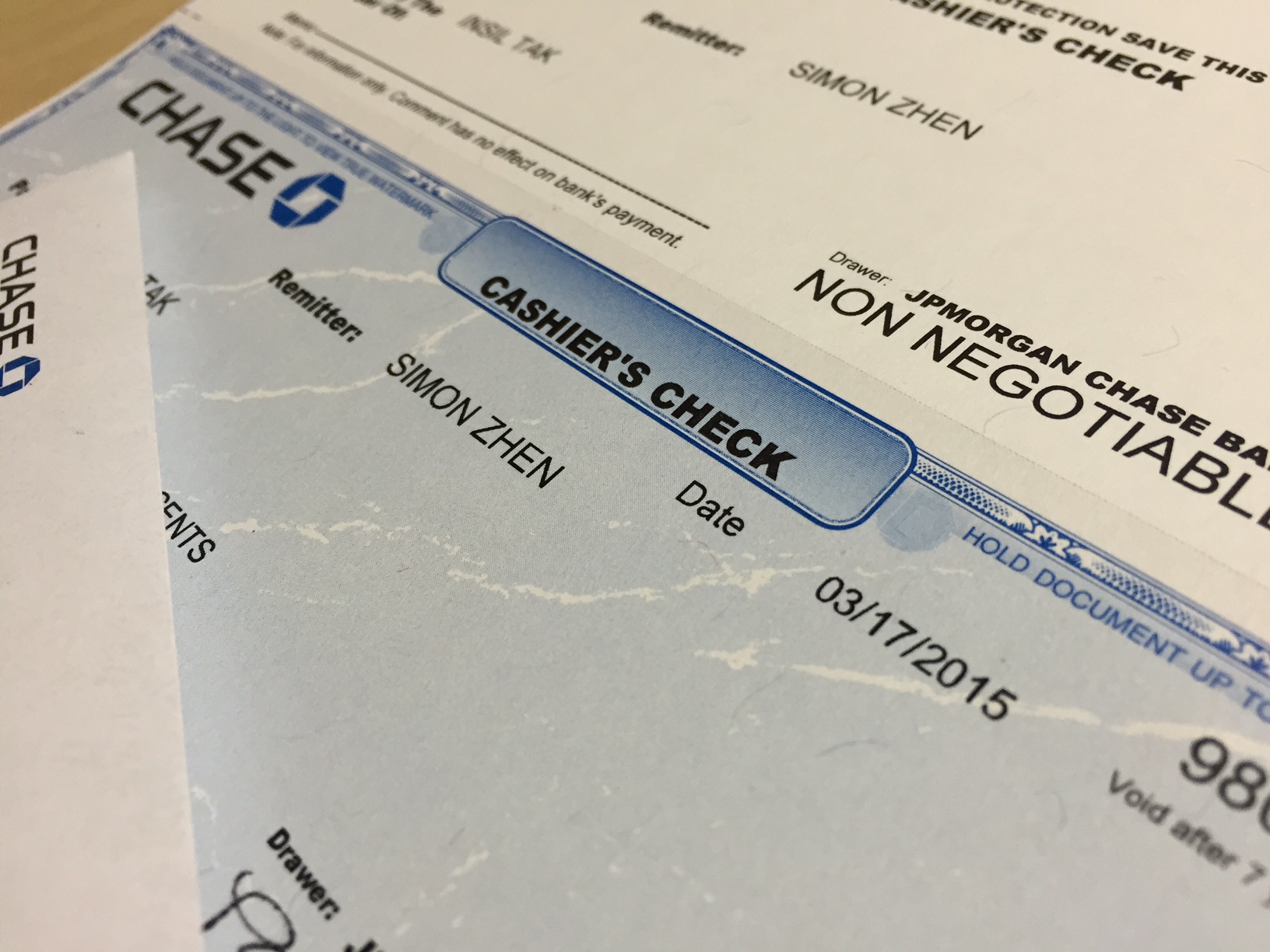
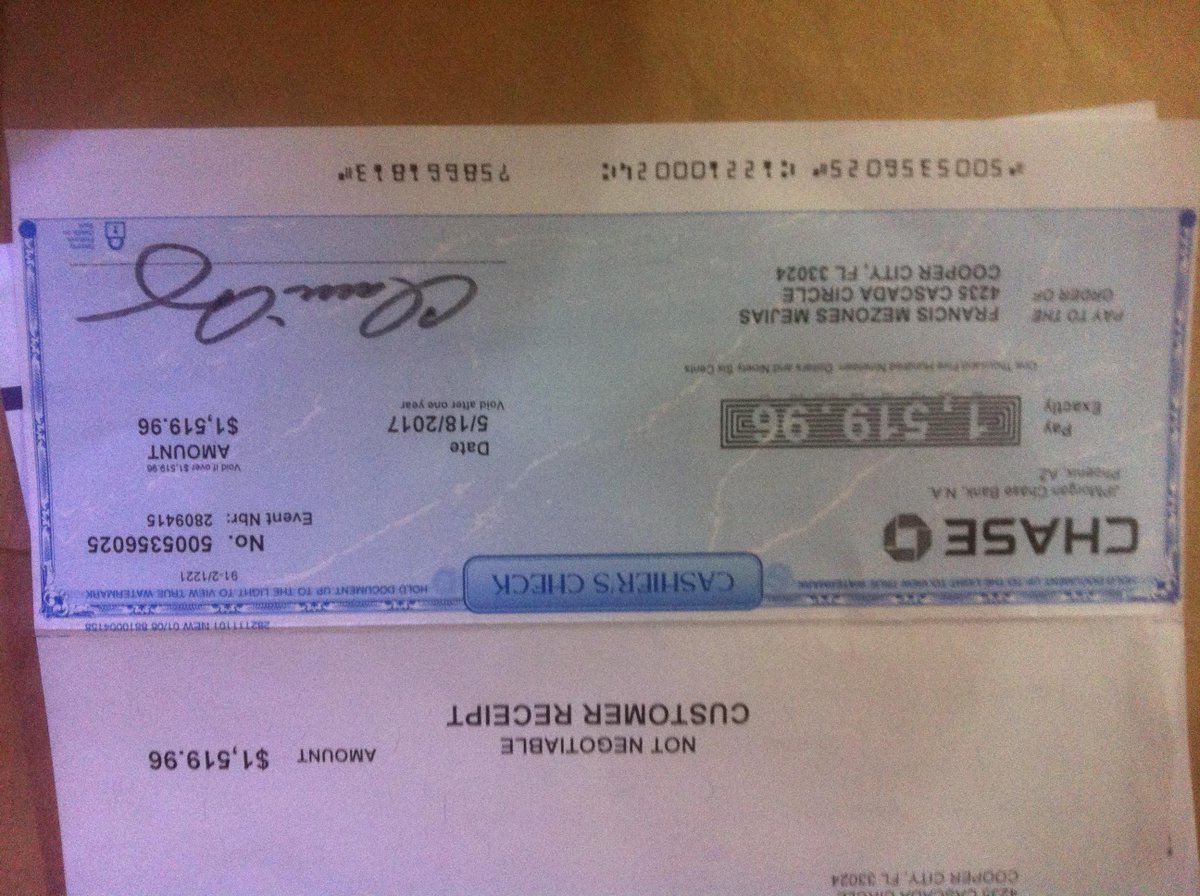
The check typically includes the names of the remitter (the person who bought the check) and the payee (the person or entity receiving the payment), the amount, the date, and the signature of a bank official. It’s often printed on security paper with watermarks and other anti-fraud features, further enhancing its credibility and protection against counterfeiting. This inherent security is why it remains a preferred method for many critical financial dealings.
The Critical Scenarios Requiring a Cashier’s Check
While personal checks and digital transfers suffice for everyday expenses, certain transactions demand the certainty and security that only a cashier’s check can provide. Understanding these scenarios is key to appreciating its enduring relevance.
- Real Estate Transactions: When buying or selling a home, earnest money deposits, down payments, and closing costs frequently require cashier’s checks. Sellers and escrow agents demand them because they guarantee the funds are available and will clear without delay, preventing potential complications in a high-stakes transaction.
- Vehicle Purchases: Whether buying a car from a dealership or a private seller, a cashier’s check is often the preferred or even mandatory payment method. Dealerships want assured payment, and private sellers want to avoid the risks associated with personal checks that could later be returned for insufficient funds.
- High-Value Personal Transactions: Any situation involving a significant sum of money between individuals, such as repaying a large loan, purchasing valuable collectibles, or a substantial gift, can benefit from the security of a cashier’s check.
- Legal Settlements and Payments: In some legal contexts, court-ordered payments or settlement agreements may require funds to be delivered via a cashier’s check to ensure irrevocability and proof of payment.
- Security Deposits for Landlords: While not always required, some landlords or property management companies prefer cashier’s checks for security deposits due to the guaranteed funds.
In these situations, the confidence that the funds are legitimate and immediately available is paramount. The cashier’s check serves as a vital tool to bridge trust between parties in financially significant exchanges.
Why Banks Issue Them: A Focus on Security and Trust
From the bank’s perspective, issuing a cashier’s check is a service that consolidates funds and provides a guarantee, thereby facilitating secure commerce. When Chase issues a cashier’s check, the bank effectively assumes responsibility for the payment. This means the funds are immediately withdrawn from the customer’s account and held by the bank until the check is presented for payment. This process mitigates risk for both the sender and the receiver.
For the sender, it provides proof that the payment was made and secured by the bank. For the receiver, it offers assurance that the check will not bounce, simplifying their financial planning and reducing the stress associated with potential payment failures. Banks leverage their established financial credibility to guarantee these payments, underpinning the trust necessary for large-scale transactions in the economy. This mechanism reinforces financial stability and enables complex transactions to occur smoothly and with confidence.
Step-by-Step: Obtaining Your Cashier’s Check from Chase Bank
Acquiring a cashier’s check from Chase is a straightforward process, primarily conducted in person at a branch. However, preparedness is key to a smooth experience. This section outlines the necessary steps, requirements, and crucial details about Chase’s policies.
Pre-Requisites and What to Bring to the Branch
Before you visit a Chase branch, ensure you have the following ready to expedite the process:
- Active Chase Account with Sufficient Funds: You must have an active checking or savings account with Chase, and crucially, enough money in that account to cover the full amount of the cashier’s check, plus any associated fees. If you don’t have a Chase account, it might still be possible to get a cashier’s check by paying in cash, but this is less common and depends on branch policy and the amount.
- Valid Government-Issued Identification: This is non-negotiable. Chase, like all financial institutions, is legally obligated to verify your identity. Bring a current photo ID such as a driver’s license, state ID card, or passport. Ensure your ID is not expired.
- Exact Payee Information: You will need the precise legal name of the person or entity you are paying, as well as the exact dollar amount of the check. Double-check this information for accuracy, as errors can cause significant delays and complications.
- Purpose of the Check (Optional but Recommended): While not always required, knowing the purpose of the check (e.g., “earnest money for property at 123 Main St”) can sometimes be useful for documentation or if the teller asks for clarification, particularly for very large amounts.
Having these items prepared beforehand will ensure a quick and efficient transaction, preventing unnecessary return trips or delays.
The In-Branch Process: A Detailed Walkthrough
Obtaining a cashier’s check from Chase is typically an in-person transaction at one of their many branch locations. Here’s what you can expect:
- Locate a Chase Branch: Use the Chase website or mobile app to find the nearest branch. Check their operating hours before you go.
- Approach a Teller or Customer Service Representative: Upon arrival, you’ll usually be directed to a teller window or a customer service desk. Inform them you wish to obtain a cashier’s check.
- Provide Required Information and Documentation: The teller will ask for your Chase account number, the amount of the check, the full legal name of the payee, and your identification. They will also ask from which account the funds should be debited.
- Fill Out a Request Form (If Applicable): Some branches or for larger amounts, you might be asked to fill out a short request form detailing the information for the check.
- Verification and Fund Debit: The teller will verify your identity and account details. Once everything is confirmed, they will debit the specified amount from your account, along with any applicable fees.
- Receive the Cashier’s Check and Receipt: After processing, the teller will print the cashier’s check, often signing it in front of you. They will also provide you with a receipt for the transaction. It is absolutely crucial to keep this receipt, as it serves as your proof of purchase and is vital if there are any issues later on.
- Review the Check Carefully: Before leaving the branch, meticulously check all details on the cashier’s check—payee name, amount, and date—to ensure there are no errors. Correcting mistakes after you’ve left the bank can be a cumbersome process.
Understanding Chase’s Specific Policies: Fees and Daily Limits
Like most financial institutions, Chase charges a fee for issuing a cashier’s check.
- Current Fee Structure: As of current general policies, Chase typically charges a fee per cashier’s check issued. This fee can vary, but it’s usually a modest amount, often around $10. It’s always best to confirm the current fee directly with a Chase representative or by checking their official fee schedule online or at the branch.
- Potential for Fee Waivers: Some premium Chase checking accounts (e.g., Chase Private Client, Chase Sapphire Banking, or accounts with higher balances) may offer waivers for cashier’s check fees as a benefit. If you hold such an account, inquire if this benefit applies to you.
- Maximum Amount Limits: While cashier’s checks are designed for large transactions, there isn’t typically an explicit “maximum limit” that Chase will issue to a single payee from an account in good standing, provided you have the funds. However, extremely large amounts (e.g., over $100,000 or $250,000) might trigger additional scrutiny or require advance notice to the branch to ensure they can accommodate the request and have necessary approvals. For such amounts, wire transfers are often preferred due to their direct electronic nature.
- Non-Account Holders: While generally easier for Chase account holders, it’s sometimes possible for non-account holders to obtain a cashier’s check by paying in cash. However, this is at the discretion of the branch, subject to strict identification requirements, and may involve higher fees or limits on the amount. It’s advisable to call ahead if you do not have a Chase account.

What If You Don’t Have a Chase Account?
If you do not have an account with Chase, obtaining a cashier’s check directly from them can be challenging, though not impossible in all cases. Most banks prefer to issue cashier’s checks only to their account holders as it simplifies the verification of funds and adherence to anti-money laundering regulations.
If you don’t have a Chase account but need a cashier’s check, your best approach is to:
- Visit Your Own Bank: Your bank will likely issue you a cashier’s check from your account there, typically with similar fees and processes.
- Inquire at a Chase Branch (with cash): If your payee specifically requires a Chase cashier’s check and you have no other options, you can visit a Chase branch with the full cash amount. Be prepared for increased scrutiny, stricter ID requirements, and a potential refusal or specific limitations. It’s highly recommended to call the specific branch in advance to confirm their policy for non-account holders paying in cash.
Beyond the Basics: Advanced Considerations for Cashier’s Checks
While cashier’s checks offer robust security, understanding their nuances beyond issuance is crucial for managing potential issues and protecting yourself from fraud. Knowing how to handle situations like tracking, potential errors, or even scams can save you significant financial and emotional distress.
Tracking, Stopping Payment, and Handling Errors
Once a cashier’s check is issued, it operates under a unique set of rules concerning its status and modification.
- Tracking: Unlike wire transfers, cashier’s checks don’t have real-time tracking numbers in the same way. However, your receipt from Chase will serve as proof of purchase, documenting the amount, date, and payee. The payee can track its deposit and clearance through their own bank. If there’s a dispute, the unique check number can be used by Chase to verify its issuance.
- Stopping Payment: This is where cashier’s checks differ significantly from personal checks. Because the bank guarantees the funds, stopping payment on a cashier’s check is extremely difficult and usually involves specific, stringent conditions. You typically cannot simply call and cancel it. If a cashier’s check is lost, stolen, or destroyed, you would need to contact Chase immediately. They will usually require you to sign an affidavit and potentially provide an indemnity bond—a promise to pay the bank back if the original check is eventually cashed. This process can take a significant amount of time (often 90 days or more) before the funds are released or a new check is issued, making it a last resort.
- Handling Errors: If you discover an error on the check after leaving the branch (e.g., incorrect payee name or amount), return to the branch as soon as possible with the check and your receipt. Depending on the nature of the error, Chase may be able to void the incorrect check and issue a new one. This process is much simpler if done before the check has been delivered or deposited by the payee.
Safeguarding Against Fraud and Scams
The inherent trust associated with cashier’s checks makes them a target for sophisticated fraudsters. Awareness and vigilance are your best defense.
- Common Cashier’s Check Scams: Be wary of scams where you are sent a cashier’s check for an amount greater than what you are owed, with instructions to deposit it and then wire back the difference. The original check is often counterfeit, and by the time your bank discovers it’s fake, the wired funds are irreversible, leaving you responsible for the entire amount. This is a common tactic in online sales, lottery scams, or “mystery shopper” schemes.
- How to Verify a Check: If you receive a cashier’s check and are suspicious, do not deposit it and then immediately spend or wire the funds. The safest way to verify a check is to contact the issuing bank directly using a phone number obtained from their official website (not from the check itself or the sender). Ask them to verify the check’s authenticity using its routing number and account number. Remember that just because a check looks real or appears to clear in your account doesn’t mean it’s legitimate; fake checks can take days or even weeks for banks to identify.
- Red Flags: Always be suspicious if:
- The check is for more than the agreed-upon amount.
- You are asked to send money back via wire transfer, gift card, or cryptocurrency.
- The sender pressures you to act quickly.
- The “opportunity” seems too good to be true.
- The check arrives from an unexpected source or looks poorly printed.
- Importance of Not Sending Funds Back: Never send money back to someone who has sent you an overpayment via a cashier’s check. This is almost always a scam.
International Use Cases and Limitations
While cashier’s checks are primarily used for domestic transactions, they can theoretically be used internationally. However, their practicality and acceptance diminish significantly. International transactions usually prefer wire transfers due to their speed, traceability, and direct nature. A cashier’s check sent internationally would face currency conversion issues, potentially higher clearance times, and might not be easily verifiable or accepted by foreign banks. For cross-border payments, consult with Chase’s international services department for the most efficient and secure method, which will almost invariably be a wire transfer.
Exploring Secure Alternatives to Cashier’s Checks
While the cashier’s check remains a robust solution for specific financial needs, it’s not always the sole or most efficient option. Understanding other secure payment methods can help you select the best tool for each transaction.
Wire Transfers: Speed and Finality
Wire transfers are electronic transfers of funds from one bank account to another, often across different financial institutions or even countries.
- Pros: They are incredibly fast (often same-day or within 24 hours for domestic wires), highly secure, and offer finality—once a wire is sent, it’s very difficult, if not impossible, to reverse. They are excellent for time-sensitive, high-value transactions.
- Cons: Wire transfers typically have higher fees than cashier’s checks (often $25-$50 for domestic wires) and require precise recipient bank information (bank name, account number, routing number, swift code for international). Errors can be costly and hard to correct.
- Comparison: For transactions where speed and immediate receipt of funds are critical, and the recipient requires direct bank-to-bank transfer, a wire transfer often surpasses a cashier’s check.
Certified Checks: A Hybrid Solution
A certified check is a personal check from your account that the bank guarantees. When you request a certified check, the bank verifies that you have sufficient funds in your account and “sets aside” or “freezes” those funds to ensure the check will clear. The bank then stamps “certified” on the check and signs it.
- Similarities with Cashier’s Checks: Both guarantee funds and are considered very secure.
- Differences: A certified check is drawn from your personal account, not the bank’s account, though the bank has guaranteed the funds. Cashier’s checks are drawn on the bank’s own funds. Certified checks are typically less expensive or sometimes even free for premium accounts, compared to cashier’s checks.
- Use Cases: Often accepted in situations where a guaranteed payment is needed, but the transaction value might be slightly lower, or where a personal check with bank backing is sufficient.
Money Orders and Bank Drafts: Lower Value Alternatives
- Money Orders: These are pre-paid certificates that can be purchased for a small fee at banks, post offices, and some retail stores. They are generally limited to lower amounts (e.g., typically up to $1,000) and are suitable for sending small sums securely through mail where a personal check isn’t accepted. They are guaranteed by the issuing entity.
- Bank Drafts: Similar to cashier’s checks, a bank draft is drawn by a bank on its own funds. The term “bank draft” is sometimes used interchangeably with “cashier’s check,” especially in an international context. However, for domestic purposes in the U.S., “cashier’s check” is the more common and understood term. They are generally used for higher value payments than money orders.
- Limitations: Money orders have strict maximum limits, making them unsuitable for large transactions. Bank drafts, while more flexible, still have the physical delivery aspect that wires overcome.
Digital Payment Solutions for Modern Transactions
For everyday transactions or smaller sums, digital payment solutions offer convenience and speed, though they lack the institutional guarantee of a cashier’s check for large, critical payments.
- Peer-to-Peer (P2P) Apps: Services like Zelle, Venmo, PayPal, and Cash App allow instant or near-instant transfers between individuals. They are excellent for splitting bills, sending gifts, or paying for services with trusted parties.
- Direct Bank Transfers (ACH): For larger, but not immediate, transfers between bank accounts (e.g., paying rent or utilities), ACH transfers are often used. They are usually free or low-cost but take a few business days to clear.
- Limitations: While convenient, these digital methods typically do not offer the same level of protection or legal guarantee for high-value transactions as a cashier’s check or wire transfer. Their finality and fraud protections vary significantly by platform and transaction type. They are generally not recommended for situations requiring the absolute guarantee of funds for purchases like real estate or vehicles.
In conclusion, while numerous payment methods exist, the cashier’s check from institutions like Chase Bank retains its vital role in the financial landscape due to its unparalleled security and guarantee of funds. By understanding its purpose, the clear steps to obtain one, and key considerations for its use and alternatives, individuals and businesses can confidently navigate their most significant financial transactions. Always prioritize due diligence and seek clarity from Chase representatives to ensure your financial dealings are as smooth and secure as possible.
aViewFromTheCave is a participant in the Amazon Services LLC Associates Program, an affiliate advertising program designed to provide a means for sites to earn advertising fees by advertising and linking to Amazon.com. Amazon, the Amazon logo, AmazonSupply, and the AmazonSupply logo are trademarks of Amazon.com, Inc. or its affiliates. As an Amazon Associate we earn affiliate commissions from qualifying purchases.