
In the vast and complex landscape of global finance, few names resonate with the same ubiquity and power as Chase. When one asks “What is Chase?”, they are, at their core, inquiring about one of the world’s most prominent financial institutions, a cornerstone of both personal and corporate finance, and a significant player in the economic fabric of the United States and beyond. More formally known as JPMorgan Chase & Co., Chase serves as the consumer and commercial banking arm of this financial giant, touching millions of lives daily through a diverse array of services ranging from simple checking accounts to sophisticated investment banking operations.

To truly understand Chase is to grasp its dual identity: a deeply integrated part of everyday financial life for individuals and small businesses, and a colossus operating at the highest echelons of global capital markets. It is a bank that manages the savings of families, finances the growth of startups, facilitates multi-billion-dollar corporate mergers, and influences global economic trends. This article delves into the multifaceted entity that is Chase, exploring its historical roots, comprehensive financial offerings, economic impact, and the technological innovations that define its contemporary presence in the money sector.
A Legacy Forged in Finance: The Evolution of JPMorgan Chase
The story of Chase is not merely a tale of a modern bank, but a grand narrative of consolidation, innovation, and strategic foresight stretching back over two centuries. Its current form, JPMorgan Chase & Co., is the result of numerous mergers and acquisitions that have brought together some of America’s most historically significant financial institutions. This rich lineage is crucial to understanding the bank’s current standing, its deep institutional knowledge, and its unparalleled reach.
From Humble Beginnings to Global Powerhouse
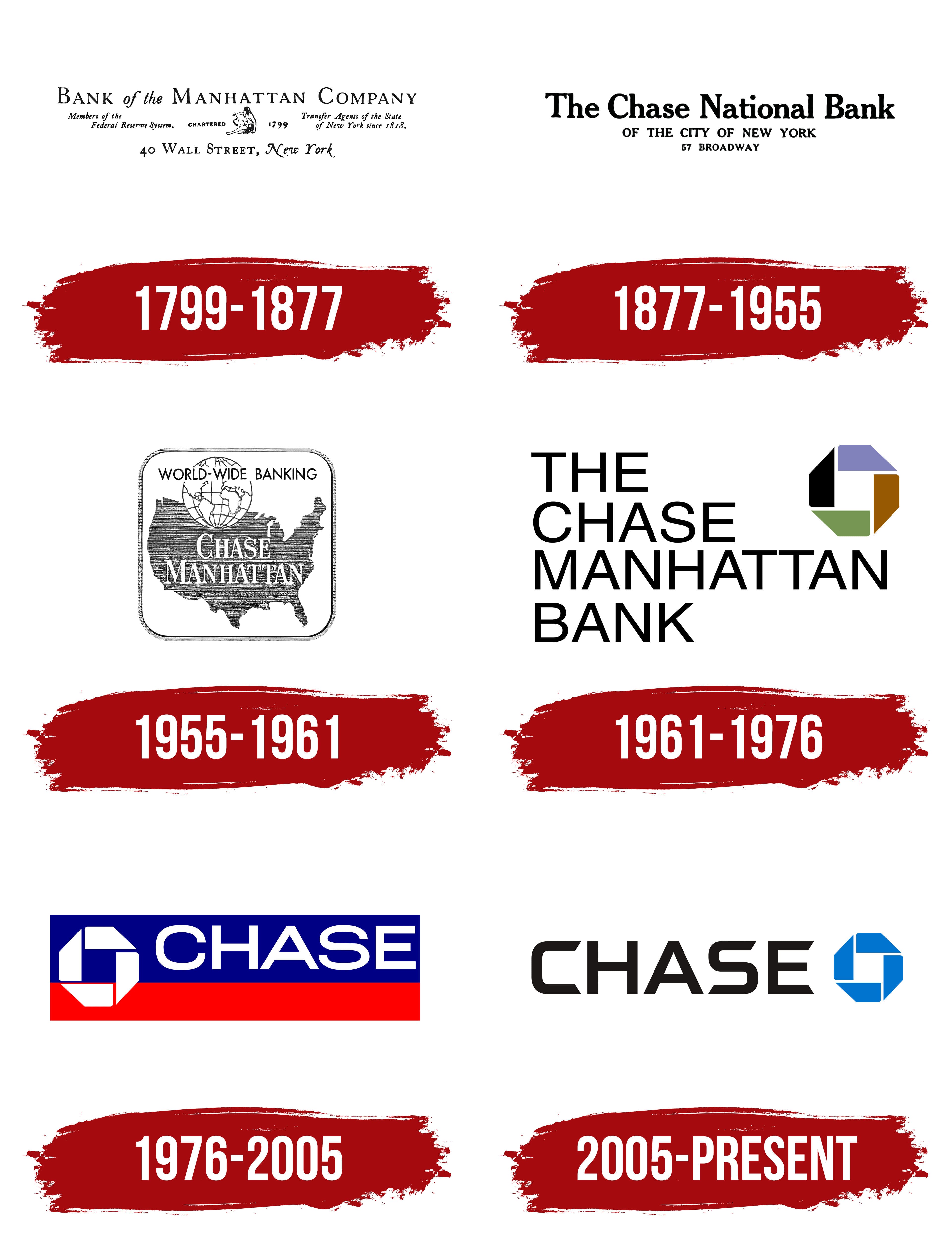
The roots of JPMorgan Chase can be traced back to the establishment of the Bank of the Manhattan Company by Aaron Burr in 1799, making it one of the oldest financial institutions in the United States. Concurrently, the firm that would become J.P. Morgan & Co. was founded in 1871 by Drexel, Morgan & Co., with J. Pierpont Morgan playing a pivotal role in shaping American finance during the Gilded Age. Morgan was instrumental in stabilizing the U.S. financial system during crises, famously bailing out the U.S. Treasury in 1895 and orchestrating a consortium to avert a complete collapse during the Panic of 1907. These early foundations laid the groundwork for a tradition of resilience, leadership, and systemic importance. The institutions that would eventually merge to form JPMorgan Chase were not just banks; they were architects of the American economy.
Key Mergers and Acquisitions Shaping Its Identity
The path to the modern JPMorgan Chase & Co. is a complex tapestry woven from a series of strategic mergers that consolidated vast financial capabilities. The most significant of these include:
- The Chase National Bank: Founded in 1877, Chase National Bank grew through its own series of mergers and became a major international player, known for its corporate and correspondent banking relationships. In 1955, it merged with the Bank of the Manhattan Company, forming Chase Manhattan Bank. This union combined an international powerhouse with a strong domestic retail presence, creating a formidable entity.
- J.P. Morgan & Co. and Chase Manhattan (2000): The landmark merger between J.P. Morgan & Co. and Chase Manhattan Corporation in 2000 created JPMorgan Chase & Co. This was a strategic move to combine the elite investment banking and institutional strength of J.P. Morgan with the extensive commercial and consumer banking network of Chase Manhattan. It created a diversified financial services behemoth capable of competing across all major financial sectors.
- Bank One (2004): The acquisition of Bank One Corporation significantly bolstered JPMorgan Chase’s consumer and middle-market banking operations, particularly in the Midwest. This merger brought Jamie Dimon, then CEO of Bank One, into JPMorgan Chase, where he would eventually become Chairman and CEO, steering the company through subsequent periods of growth and challenge.
- Bear Stearns and Washington Mutual (2008): In the tumultuous year of the 2008 financial crisis, JPMorgan Chase played a critical role in stabilizing the financial system. It acquired Bear Stearns, a major investment bank on the brink of collapse, and later acquired the banking operations of Washington Mutual (WaMu), which was the largest bank failure in U.S. history. These acquisitions, though fraught with risk, significantly expanded Chase’s retail branch network and market share in mortgage banking, cementing its position as a “too big to fail” institution.
These strategic consolidations have not only expanded Chase’s asset base and geographic reach but have also integrated diverse financial expertise and customer bases, making it the multifaceted financial entity it is today.
Comprehensive Financial Services: A Spectrum of Offerings
At its core, Chase is a money manager, facilitating the flow of capital and providing solutions for nearly every financial need imaginable, from an individual’s first checking account to a multinational corporation’s complex financing requirements. Its operational structure allows it to serve distinct market segments with tailored financial products and advisory services.
Personal Banking: Managing Your Everyday Finances
For the average consumer, Chase is often synonymous with everyday banking. It offers a comprehensive suite of personal banking services designed to help individuals manage their money, save for the future, and access credit.
- Checking and Savings Accounts: Chase provides a variety of checking accounts, including student-friendly options, premium accounts with benefits, and basic checking. Its savings accounts offer different interest-earning potentials and tools to help customers build their financial reserves.
- Credit Cards: Chase is one of the largest credit card issuers in the U.S., offering a diverse portfolio of cards catering to various needs: rewards cards for travel and cashback, balance transfer cards, secured cards for building credit, and business credit cards. These products are central to its consumer finance strategy, generating significant revenue and fostering customer loyalty through robust loyalty programs like Ultimate Rewards.
- Mortgages and Home Equity: As a major lender, Chase provides various mortgage options for home purchases and refinancing, including fixed-rate, adjustable-rate, FHA, and VA loans. It also offers home equity lines of credit (HELOCs), allowing homeowners to tap into their home’s value.
- Auto Loans: Chase finances vehicle purchases for both new and used cars, partnering with dealerships and offering direct-to-consumer options, making it a significant player in the automotive lending market.
- Personal Loans and Lines of Credit: While less emphasized than its other lending products, Chase also provides options for unsecured personal loans, though typically through its broader banking relationships.
Business and Commercial Banking: Fueling Growth and Enterprise
Beyond individual consumers, Chase is a critical financial partner for businesses of all sizes, from sole proprietorships and startups to large corporations. Its business and commercial banking divisions provide the financial infrastructure necessary for economic growth.
- Small Business Banking: Tailored for entrepreneurs and small business owners, Chase offers business checking and savings accounts, credit cards designed for business expenses, and small business loans (including SBA loans) to help with working capital, equipment purchases, and expansion. It also provides merchant services for payment processing and payroll solutions.
- Middle Market Banking (Commercial Banking): This segment serves companies with annual revenues typically ranging from $20 million to $2 billion. Chase provides these businesses with sophisticated financial solutions, including credit facilities, treasury services (cash management, payments, and receivables), equipment financing, commercial real estate loans, and international banking services. Relationship managers work closely with these clients to understand and meet their evolving financial needs.
- Corporate Client Banking: For the largest corporations, Chase offers a full suite of integrated financial services, leveraging the full capabilities of JPMorgan Chase’s global network. This includes syndicated lending, capital markets access, foreign exchange, risk management, and customized treasury solutions.
Investment Banking and Wealth Management: Navigating Markets and Building Fortunes
For high-net-worth individuals, institutional clients, and corporations engaged in complex financial transactions, Chase (or more accurately, the broader JPMorgan Chase) provides sophisticated investment banking and wealth management expertise.
- Investment Banking (J.P. Morgan): This division is a global leader in providing strategic advice and execution for mergers and acquisitions (M&A), equity and debt capital markets (underwriting IPOs, bond offerings), and corporate advisory services. It connects companies with capital and strategic opportunities on a global scale.
- Asset & Wealth Management: Catering to ultra-high-net-worth individuals, families, foundations, and institutional investors, this division offers comprehensive wealth management services. This includes investment management, financial planning, trust and estate services, and private banking. It leverages proprietary research and diverse investment strategies to help clients preserve and grow their wealth.
- Asset Management (Institutional): JPMorgan Asset Management serves institutional clients such as pension funds, endowments, and sovereign wealth funds, offering a wide range of investment strategies across various asset classes, including equities, fixed income, alternatives, and multi-asset solutions.
Chase’s Economic Footprint: Scale, Impact, and Responsibility
Chase’s sheer scale and the breadth of its operations mean it exerts a profound influence on the U.S. and global economies. Its activities, from lending to small businesses to advising multinational corporations, ripple through various sectors, making it a significant economic actor.
A Pillar of the U.S. and Global Economy
JPMorgan Chase & Co. consistently ranks as one of the largest banks in the United States and globally by assets. This massive scale translates into a vast economic footprint:
- Lending Power: As a major lender, Chase provides the capital that fuels economic activity—financing homes, businesses, infrastructure projects, and consumer spending. Its lending decisions can significantly impact credit availability and economic growth.
- Employment: It is one of the largest private sector employers, providing jobs for hundreds of thousands of individuals across the globe in diverse roles, from tellers and customer service representatives to financial analysts, software engineers, and compliance officers.
- Market Maker: In capital markets, J.P. Morgan plays a crucial role as a market maker, facilitating liquidity and efficient price discovery for a vast array of financial instruments, which is essential for the smooth functioning of global financial markets.
- Systemic Importance: Given its size and interconnectedness, JPMorgan Chase is designated as a systemically important financial institution (SIFI) by regulators. This classification underscores its critical role in maintaining financial stability and means it is subject to enhanced regulatory scrutiny.
Innovation and Digital Transformation in Financial Services
In the digital age, Chase has recognized the imperative of innovation to remain competitive and meet evolving customer expectations. While its core business is money, technology is now an inseparable part of how that money is managed, accessed, and secured.
- Mobile and Online Banking: Chase has invested heavily in its digital platforms, offering robust mobile banking apps and online portals that allow customers to manage accounts, pay bills, transfer funds, deposit checks, apply for loans, and monitor credit scores from anywhere. These platforms emphasize user experience, security, and functionality.
- Fintech Integration: The bank actively engages with the broader fintech ecosystem, investing in emerging technologies like blockchain for wholesale payments (e.g., JPM Coin), artificial intelligence for fraud detection and customer service, and data analytics to personalize offerings.
- Payment Innovations: Chase is at the forefront of payment innovation, supporting various digital payment methods, peer-to-peer transfers (like Zelle), and contactless payment options. Its merchant services arm continually updates its technology to facilitate modern payment processing for businesses.
Corporate Social Responsibility and Community Investment
Beyond its core financial activities, Chase acknowledges its role as a corporate citizen. Through JPMorgan Chase & Co., it engages in significant philanthropic efforts and community development initiatives.
- Philanthropy: The JPMorgan Chase Foundation invests hundreds of millions of dollars annually in initiatives focused on workforce development, small business growth, affordable housing, and community revitalization in cities around the world.
- Sustainable Finance: Recognizing the growing importance of environmental, social, and governance (ESG) factors, Chase has committed to facilitating significant amounts of capital towards sustainable development and green initiatives, including financing for renewable energy projects and advising clients on sustainable transitions.
- Employee Volunteerism: The company actively encourages its employees to volunteer their time and skills, contributing to local communities and fostering a culture of service.
Navigating the Chase Ecosystem: Tools, Technology, and Customer Experience
For the individual or business interacting with Chase, the experience is shaped by a blend of digital convenience and traditional banking services. Understanding how to navigate this ecosystem is key to maximizing the benefits of its financial offerings.
Digital Banking Platforms: Convenience at Your Fingertips
Chase’s online and mobile banking platforms are the primary touchpoints for millions of customers. The Chase Mobile app, consistently ranked among the best banking apps, allows for:
- Account Management: View balances, transaction history, statements, and manage account alerts.
- Payments: Bill pay, Zelle transfers to friends and family, external transfers to other banks.
- Mobile Check Deposit: Conveniently deposit checks using a smartphone camera.
- Credit Journey: Access free credit scores, personalized insights, and tools to improve financial health.
- Fraud Protection: Monitor for suspicious activity and set up travel notifications.
These digital tools empower customers to take control of their finances with unprecedented ease and speed, reflecting a broader trend towards self-service in the financial industry.
Physical Branches and ATMs: The Tangible Touchpoint
Despite the rise of digital banking, Chase maintains an extensive network of physical branches and ATMs across the United States. These physical locations continue to serve vital functions:
- Personalized Service: Branches offer in-person assistance for complex transactions, opening new accounts, applying for loans, and receiving financial advice from bankers and wealth advisors.
- Cash Services: ATMs provide convenient access for cash withdrawals, deposits, and balance inquiries. In-branch tellers handle larger cash transactions and specialized services.
- Community Presence: Branches serve as tangible representations of the bank’s presence in local communities, fostering trust and providing a sense of security that digital platforms alone cannot always replicate.
The strategic placement and design of these physical spaces complement the digital experience, offering customers a choice in how they interact with their bank.

Understanding Account Types and Credit Products
Choosing the right financial products from Chase requires a clear understanding of personal financial goals and needs.
- For everyday spending: Checking accounts like Chase Total Checking or Chase Premier Plus Checking.
- For saving: Chase Savings or Premier Savings, potentially linking to checking for higher interest rates.
- For building/rebuilding credit: Secured credit cards or responsible use of entry-level rewards cards.
- For rewards and travel: A wide array of Chase Sapphire, Freedom, or co-branded airline/hotel cards.
- For homeownership: Consulting with a Chase Home Lending Advisor for mortgage options.
- For small businesses: Chase Business Complete Banking for basic needs, or specialized business credit cards.
Chase offers educational resources, online tools, and in-person consultations to help customers make informed decisions about its diverse financial products, emphasizing responsible money management and tailored solutions.
In conclusion, “What is Chase?” is a question with a multi-layered answer. It is a venerable institution with a deep historical lineage, a provider of an expansive range of financial services for individuals and businesses, a powerful force in the global economy, and a leader in digital banking innovation. Ultimately, Chase embodies the dynamic and evolving nature of the money sector, continuously adapting to meet the financial demands of a modern world while remaining a fundamental pillar of economic activity.
aViewFromTheCave is a participant in the Amazon Services LLC Associates Program, an affiliate advertising program designed to provide a means for sites to earn advertising fees by advertising and linking to Amazon.com. Amazon, the Amazon logo, AmazonSupply, and the AmazonSupply logo are trademarks of Amazon.com, Inc. or its affiliates. As an Amazon Associate we earn affiliate commissions from qualifying purchases.