
In an increasingly digital financial world, the concept of a bank’s “location” has evolved significantly. For many modern financial institutions, particularly those that specialize in specific products or cater to a nationwide customer base, a physical branch network is no longer the primary determinant of their presence or accessibility. Credit One Bank serves as a prime example of this paradigm shift. While it maintains a distinct operational headquarters, its service model is predicated on broad digital reach rather than localized physical branches.
For individuals and businesses navigating their finances, understanding the operational model of a bank like Credit One is crucial. It informs how services are accessed, how customer support is handled, and ultimately, how one engages with their financial institution. This article delves into Credit One Bank’s physical and operational footprint, exploring how its location — or lack thereof in the traditional sense — shapes its unique position within the broader financial landscape.
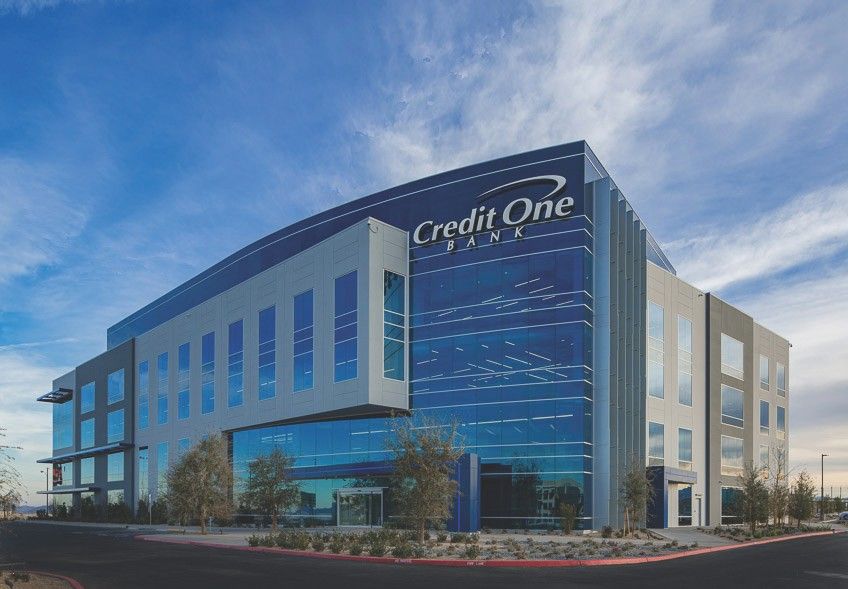
The Core Operational Hub: Credit One Bank’s Headquarters
Unlike traditional retail banks that boast a widespread network of physical branches across states and cities, Credit One Bank operates with a highly centralized structure. Its primary operational base is strategically situated to manage its extensive credit card services and digital operations across the United States.
Las Vegas, Nevada: A Strategic Choice
Credit One Bank’s official headquarters is located in Las Vegas, Nevada. This location serves as the central nexus for its administrative, operational, and customer service functions. While Las Vegas might be famously known for entertainment and hospitality, Nevada also offers a favorable regulatory and business environment that has attracted numerous financial service companies. The state’s financial regulations can often provide an amenable framework for institutions focused on credit products, contributing to its appeal as a corporate base.
The decision to base operations in Las Vegas allows Credit One Bank to consolidate its management, technology infrastructure, and support teams in one principal location. This centralization is a deliberate choice, aligning with its business model as a direct issuer of credit cards rather than a full-service commercial bank with local community ties facilitated by physical branches. For most customers, their direct interaction with Credit One Bank will not involve visiting this headquarters, as all services are designed to be accessible remotely.
The Significance of a Centralized Base
A centralized headquarters in Las Vegas enables Credit One Bank to achieve several strategic objectives. Firstly, it fosters operational efficiency. By concentrating its core functions, the bank can streamline decision-making processes, optimize resource allocation, and ensure consistent service delivery. This model is particularly effective for financial products that can be managed entirely digitally, such as credit cards.
Secondly, it supports scalability. As a financial institution serving millions of customers nationwide, a single, robust operational hub can more effectively manage growth and adapt to changing market demands compared to a dispersed branch network. This allows for centralized IT development, risk management, and compliance oversight, which are critical in the highly regulated financial industry. Finally, the choice of Nevada aligns with the bank’s strategic intent to focus on a specific segment of the credit market, where operational agility and efficiency are paramount.
Credit One Bank’s Unique Service Model: A Digital-First Approach
The question of “where is Credit One Bank located” is truly answered not by a map of branches, but by understanding its digital presence. Credit One Bank has pioneered a digital-first approach to financial services, distinguishing itself from traditional banks that rely heavily on brick-and-mortar infrastructure. This model profoundly influences how customers interact with the bank and access its financial products.
Beyond Traditional Brick-and-Mortar Branches
Unlike JPMorgan Chase, Bank of America, or Wells Fargo, Credit One Bank does not operate a network of physical retail branches for customer service or account management. This absence of a branch presence is not an oversight but a fundamental aspect of its business strategy. By foregoing the substantial costs associated with maintaining a physical branch footprint—including real estate, staffing, and utilities for hundreds or thousands of locations—Credit One Bank can potentially allocate resources more efficiently towards its core offerings and digital infrastructure.
This model is a significant departure from conventional banking, where a local branch was historically the primary point of contact for deposits, withdrawals, loan applications, and customer inquiries. For Credit One Bank, the “location” is essentially wherever its customers are, accessible through their digital devices.
The Pervasiveness of Online and Mobile Banking
Credit One Bank’s entire service delivery is built around its robust online platform and mobile applications. These digital channels serve as the virtual “branches” where customers can manage their accounts, make payments, check balances, review transactions, and access support. This commitment to digital accessibility aligns perfectly with modern consumer preferences, particularly among demographics who are comfortable managing their finances remotely.
The bank invests heavily in its digital infrastructure to ensure secure, user-friendly, and reliable online and mobile experiences. This includes features like secure login, fraud monitoring, digital statements, and various self-service options that empower customers to manage their credit cards efficiently from anywhere with an internet connection. For Credit One customers, the bank is quite literally “in their pocket” or “on their desktop,” making physical location largely irrelevant to daily banking needs.
Reaching Customers Nationwide Through Digital Channels
Without physical branches, Credit One Bank’s reach is inherently nationwide. It can serve customers across all 50 states without the geographical limitations that constrain traditional branch-based banks. This broad accessibility is particularly beneficial for its target market, which often includes individuals looking to build or rebuild their credit. These customers might not have access to traditional banking services or prefer the convenience of managing their finances remotely.
Through targeted online advertising, direct mail, and strategic partnerships, Credit One Bank acquires customers from diverse geographical locations, all of whom can access their services uniformly through its digital platforms. This national scope allows the bank to achieve economies of scale and maintain a consistent service model across its entire customer base, unhindered by regional differences in branch operations or localized service offerings.
Understanding Credit One Bank’s Niche in the Financial Landscape
To fully grasp Credit One Bank’s operational model and its location strategy, it’s essential to understand its specific niche within the competitive financial industry. This focus dictates not only how it operates but also where its primary efforts and resources are directed.
Specialization in Credit Building and Subprime Lending
Credit One Bank primarily specializes in offering credit cards to individuals with fair, limited, or developing credit histories. This market segment is often referred to as the “near-prime” or “subprime” market. These customers may have difficulty qualifying for credit cards from prime lenders due to lower credit scores, a lack of established credit history, or past financial challenges.
By focusing on this specific demographic, Credit One Bank fills a critical gap in the financial ecosystem. It provides an avenue for individuals to access credit, build a payment history, and potentially improve their credit scores over time. This specialization requires a different risk assessment model and customer service approach compared to banks that cater to prime borrowers with excellent credit. The digital-first model perfectly supports this niche, as it allows for efficient processing of applications and management of accounts for a large, geographically dispersed customer base that might not be served by local branches of traditional banks.

How a Digital Model Supports Its Target Market
The digital-centric approach is particularly advantageous for Credit One Bank’s target demographic. Individuals seeking to build credit may often prefer the discretion and convenience of applying and managing accounts online. They might not have the time or ability to visit physical branches during banking hours, or they might simply be more comfortable interacting with financial institutions through digital means.
Furthermore, the automation inherent in a digital model allows Credit One Bank to process a higher volume of applications and manage more accounts efficiently. This efficiency can contribute to offering products with varying terms and conditions tailored to different credit profiles, making credit accessible to a broader spectrum of consumers. The digital infrastructure also supports sophisticated data analytics for risk assessment and personalized offers, which are crucial in the specialized credit card market.
Regulatory Oversight and Consumer Protection
Despite its digital nature and centralized headquarters, Credit One Bank operates under stringent regulatory oversight, just like any other federally regulated financial institution. It is supervised by federal agencies such as the Office of the Comptroller of the Currency (OCC) and adheres to consumer protection laws enforced by the Consumer Financial Protection Bureau (CFPB).
This regulatory framework ensures that even without a physical branch presence, customers are protected, and the bank operates fairly and transparently. Compliance with federal laws related to lending practices, data security, and consumer disclosures is paramount. For customers, understanding that their bank, regardless of its physical footprint, is subject to these regulations provides a layer of trust and security in managing their financial products. The “location” of these regulatory bodies (e.g., Washington D.C.) has a more significant impact on the bank’s operations than a traditional branch location.
Practical Implications for Account Holders and Prospective Customers
For anyone considering a Credit One Bank credit card or already an account holder, the bank’s operational model has several practical implications. These insights are key to managing your personal finances effectively when dealing with a digital-first financial institution.
Managing Your Credit One Account Without Local Branches
The primary implication is that all account management is conducted remotely. This means:
- Online Portal & Mobile App: These are your main tools for checking balances, making payments, viewing statements, and updating personal information. Familiarity with these platforms is essential.
- Customer Service: Inquiries, disputes, and support needs are handled via phone, email, or secure messaging within the online portal. There is no physical branch to walk into for assistance.
- Payments: Payments are typically made online via electronic transfer from another bank account, by mail, or through authorized payment services. Cash payments directly to the bank are not an option.
This structure emphasizes the importance of digital literacy and secure online habits. Customers must be comfortable with online transactions and vigilant about protecting their account credentials.
Accessing Customer Support and Financial Services
Credit One Bank provides various avenues for customer support, even without a physical location. These typically include:
- Toll-Free Phone Numbers: For direct assistance with account inquiries, disputes, or technical issues.
- Secure Online Messaging: Often available through the online account portal, providing a secure way to communicate with customer service representatives.
- FAQ Sections and Knowledge Bases: Comprehensive online resources for self-service problem-solving and answering common questions.
Understanding these support channels is crucial. While the lack of face-to-face interaction might be a drawback for some, many find the 24/7 digital access and phone support to be more convenient and efficient. The key is knowing which channel is best suited for a particular need.
The Importance of Digital Security and Account Management
With a digital-first bank, the onus of maintaining digital security is shared between the bank and the customer. Credit One Bank invests in robust cybersecurity measures to protect customer data and transactions. However, customers also play a vital role by:
- Using Strong, Unique Passwords: Protecting login credentials is the first line of defense.
- Enabling Two-Factor Authentication (2FA): Adding an extra layer of security to account access.
- Monitoring Account Activity Regularly: Promptly identifying and reporting any suspicious transactions.
- Being Wary of Phishing Attempts: Understanding that legitimate banks will not ask for sensitive information via unsolicited emails or texts.
Effective account management also involves understanding the terms and conditions of your credit card, managing your credit responsibly, and leveraging the digital tools provided to stay on top of your payments and credit utilization. For Credit One customers, their ability to manage their finances is directly tied to their comfort and proficiency with digital banking tools.
The Evolving Role of “Location” in Modern Banking
The Credit One Bank model is not an anomaly but rather a reflection of a broader transformation within the financial services industry. The traditional understanding of a bank’s location is rapidly giving way to a more nuanced concept of operational presence and digital accessibility.
From Physical Proximity to Digital Accessibility
For centuries, banks were defined by their physical presence—imposing buildings in town squares, signifying trust and stability. Customer relationships were often built on face-to-face interactions with local branch managers. Today, “accessibility” has largely replaced “proximity” as the key metric. A bank’s location is less about its address on Main Street and more about its availability on your smartphone, tablet, or computer.
This shift is driven by technological advancements, changing consumer expectations for convenience, and the global nature of financial markets. Banks like Credit One Bank exemplify this by prioritizing digital accessibility, ensuring that their services are available “anytime, anywhere” rather than being confined to specific geographical points. This allows them to efficiently serve a nationwide customer base with specialized products.
Evaluating Banks Based on Service, Not Just Geography
When choosing a financial partner in today’s landscape, consumers are increasingly evaluating banks based on criteria beyond their physical footprint. Factors such as the quality of online and mobile banking platforms, customer service responsiveness through digital channels, the competitiveness of interest rates and fees, the range of specialized products (like credit-building cards), and the overall user experience are becoming more important than the number of local branches.
For Credit One Bank, its location in Las Vegas is primarily an administrative and operational detail. What truly defines its “location” for its customers is the accessibility and functionality of its digital services and the efficacy of its remote customer support. This change in evaluation criteria reflects a maturation of the digital economy and consumer comfort with remote financial interactions.

The Future of Financial Services and Distributed Operations
The trend towards distributed operations and digital-first models is likely to continue and even accelerate in the future. We are already seeing the rise of challenger banks, fintech companies, and purely digital banking platforms that operate entirely without physical branches. These entities leverage cloud computing, artificial intelligence, and advanced data analytics to deliver highly personalized and efficient financial services.
Credit One Bank represents an early successful adopter of this model in the credit card space. Its strategy demonstrates that a bank’s effective “location” in the 21st century is less about a static address and more about its dynamic, secure, and accessible digital infrastructure. For consumers, this means greater choice and convenience, but also a greater responsibility to engage securely with their financial institutions in a world where physical proximity is no longer the default.
aViewFromTheCave is a participant in the Amazon Services LLC Associates Program, an affiliate advertising program designed to provide a means for sites to earn advertising fees by advertising and linking to Amazon.com. Amazon, the Amazon logo, AmazonSupply, and the AmazonSupply logo are trademarks of Amazon.com, Inc. or its affiliates. As an Amazon Associate we earn affiliate commissions from qualifying purchases.