
Renting a car for a single day might seem like a straightforward transaction, yet the actual cost can be a moving target, influenced by a myriad of factors. For those seeking temporary wheels, understanding the financial landscape of daily car rentals is crucial for effective budgeting and avoiding unwelcome surprises. This guide delves into the core components that dictate the price of a one-day car rental, offering insights into how to navigate the market shrewdly and secure the best value for your money. From base rates to insurance intricacies and hidden fees, we’ll equip you with the knowledge to make financially sound decisions for your short-term mobility needs.

Understanding the Base Costs of Daily Car Rentals
The foundational price you’re quoted for a one-day car rental is rarely the final amount you’ll pay. This base rate is a starting point, shaped by demand, vehicle availability, and the rental company’s pricing strategy. Dissecting these initial cost drivers is the first step in forecasting your total expenditure.
Average Daily Rental Rates by Vehicle Class
The type of vehicle you choose has the most significant impact on your base rental cost. Rental fleets are typically categorized, with prices escalating alongside size, features, and luxury.
- Economy/Compact Cars: These are generally the most budget-friendly options, ideal for solo travelers or couples needing basic transportation. Their lower fuel consumption also contributes to overall savings. Expect prices to start from $30-$50 per day in many markets, though this can fluctuate significantly.
- Mid-size/Standard Sedans: Offering more space and comfort than compacts, these cars are a popular choice for small families or business travelers. Daily rates typically range from $40-$70.
- SUVs/Vans: Essential for larger groups, families with extensive luggage, or those needing extra cargo space, SUVs and passenger vans command higher daily rates. Prices can begin at $60-$100 and go upwards, depending on size and features.
- Luxury/Specialty Vehicles: For those desiring premium comfort, performance, or a particular driving experience, luxury sedans, sports cars, or specialized vehicles are available. These come with a significant price tag, often starting from $100-$200 or more per day, reflecting their higher value and specialized insurance requirements.
Geographic Variations in Rental Prices
Location plays a pivotal role in daily rental pricing. Where you pick up and drop off your vehicle can alter the cost substantially.
- Airport vs. Off-Airport Locations: Renting directly from an airport is often more convenient but almost always more expensive. Airports typically levy various fees and surcharges (e.g., concession recovery fees, customer facility charges) that are passed directly to the consumer. These can add 10-30% or more to your bill. Renting from an off-airport or downtown location, even if it requires a short taxi or ride-share, can often yield considerable savings.
- Major Cities vs. Rural Areas: Demand in bustling metropolitan areas often drives prices higher, especially during peak tourist seasons or major events. Conversely, rental prices in less densely populated or rural areas might be lower due to less demand, but availability could also be more limited.
- Country-Specific Pricing: International travel introduces another layer of variability. Rental rates, taxes, and fees differ vastly between countries due to local regulations, economic conditions, and market competition. Always research local norms if renting abroad.
Impact of Rental Company and Booking Time
Your choice of rental agency and when you book can also sway the final price.
- Major vs. Budget Rental Companies: Established brands like Hertz, Avis, Enterprise, and Budget often have extensive fleets and wide coverage but might come with slightly higher prices, reflecting their brand reputation and service guarantees. Smaller, independent, or local agencies might offer more competitive rates but could have different terms, vehicle selection, or customer service standards.
- Advanced Booking vs. Last-Minute Reservations: Generally, booking your rental car several weeks or even months in advance can secure better rates, especially during high-demand periods. Rental companies use dynamic pricing, where rates increase as availability dwindles. Last-minute bookings, while sometimes necessary, usually result in higher prices, particularly for popular vehicle types or locations. Conversely, very occasionally, you might find a last-minute deal if a company has surplus inventory they need to move.
Deconstructing the Additional Expenses: Beyond the Headline Price
The initial quote for your one-day car rental is just the tip of the financial iceberg. A significant portion of your total expenditure will likely come from additional services, insurance, and various fees that are often not fully transparent until the point of booking or even pickup. Understanding these components is essential for accurate budgeting.
Navigating Car Rental Insurance Options
Car rental insurance is a complex and often costly aspect of daily rentals. It’s vital to understand what you need, what you’re covered for, and what’s being offered.
- Collision Damage Waiver (CDW) / Loss Damage Waiver (LDW): This waives your financial responsibility for damage or theft of the rental vehicle. While optional, it’s often highly recommended, as your personal auto insurance might not fully cover rental cars, or it might have a high deductible. This is typically the most expensive additional insurance product, potentially adding $20-$30 or more per day.
- Supplemental Liability Insurance (SLI): This provides additional coverage for third-party injuries or property damage caused by the rental car beyond what the rental company’s basic liability policy offers (which can be minimal in some states/countries).
- Personal Accident Insurance (PAI) / Personal Effects Coverage (PEC): PAI covers medical expenses for you and your passengers in case of an accident, while PEC covers personal belongings stolen from the rental car. Often, your personal health insurance or homeowners/renters insurance may already provide similar coverage.
- Roadside Assistance: While standard roadside assistance (flat tires, dead battery) might be included, premium packages offering more extensive services can be an add-on.
- Credit Card Benefits: Many premium credit cards offer secondary (or sometimes primary) CDW/LDW coverage when you pay for the rental with their card. This can be a significant money-saver, but you must verify the terms and conditions with your card issuer, as coverage can vary by country, car type, and rental duration.
- Personal Auto Insurance Policy: Your existing car insurance policy may extend to rental cars, particularly for liability and collision. Always check with your insurance provider to understand your coverage limits and deductibles for rental vehicles.
The Cost of Optional Add-ons and Services
Rental companies generate significant revenue from offering convenience-based add-ons, which can quickly inflate your daily rental cost.
- GPS Navigation Systems: In the age of smartphones and free navigation apps, paying $10-$15 per day for a built-in GPS is often an unnecessary expense.
- Child Safety Seats: If traveling with young children, you’ll likely need a car seat. Renting one can cost $10-$15 per day, often capped at a certain maximum per rental. Bringing your own can save money, provided it’s convenient.
- Fuel Options: Rental companies offer various fuel plans:
- Pre-paid fuel: You pay for a full tank upfront at a competitive rate, then return the car empty. If you don’t use a full tank, you lose money.
- Return full: You refill the tank yourself before returning the car. This is usually the most cost-effective option if you can find a reasonably priced gas station.
- Rental company refills: If you return the car with less than a full tank and haven’t pre-paid, the rental company will refill it at a premium price, often significantly higher than market rates, plus a service fee.
- Additional Drivers: Most rental agreements include only one primary driver. Adding an extra driver can incur a daily fee of $10-$15, although spouses or domestic partners are sometimes exempted, depending on the state or company policy.
- Toll Pass Devices: If driving in an area with electronic tolls, rental companies offer transponders. These typically have a daily service fee, plus the cost of tolls, which can be convenient but more expensive than paying tolls directly or bringing your own compatible transponder.
Unavoidable Fees and Surcharges
Beyond the optional extras, a host of mandatory fees and taxes are tacked onto your bill, many of which are non-negotiable.
- Airport Fees/Concession Recovery Fees: As mentioned, these are levied by airports and passed on to renters.
- Vehicle Licensing Fees (VLF): A charge to cover the cost of registering and licensing the rental company’s fleet.
- Energy Surcharges: Some companies apply a small fee to offset rising energy costs.
- Sales Tax/VAT: Standard consumption taxes applicable in the region.
- Young Driver Surcharge: Drivers under 25 (typically 21-24) are almost always subject to a daily “young driver” fee, which can range from $20-$35 or more per day, reflecting the higher insurance risk. In some locations, drivers under 21 cannot rent at all.
- One-Way Rental Fees: If you pick up the car in one location and drop it off in another, you’ll almost certainly face a significant one-way fee, even for a one-day rental, which covers the cost of repositioning the vehicle.
Strategies for Economical Car Rental on a Daily Basis
Given the numerous variables that inflate car rental costs, adopting smart financial strategies is crucial for keeping your one-day rental budget in check. A proactive approach to planning and booking can yield significant savings.
Leveraging Comparison Websites and Discount Codes
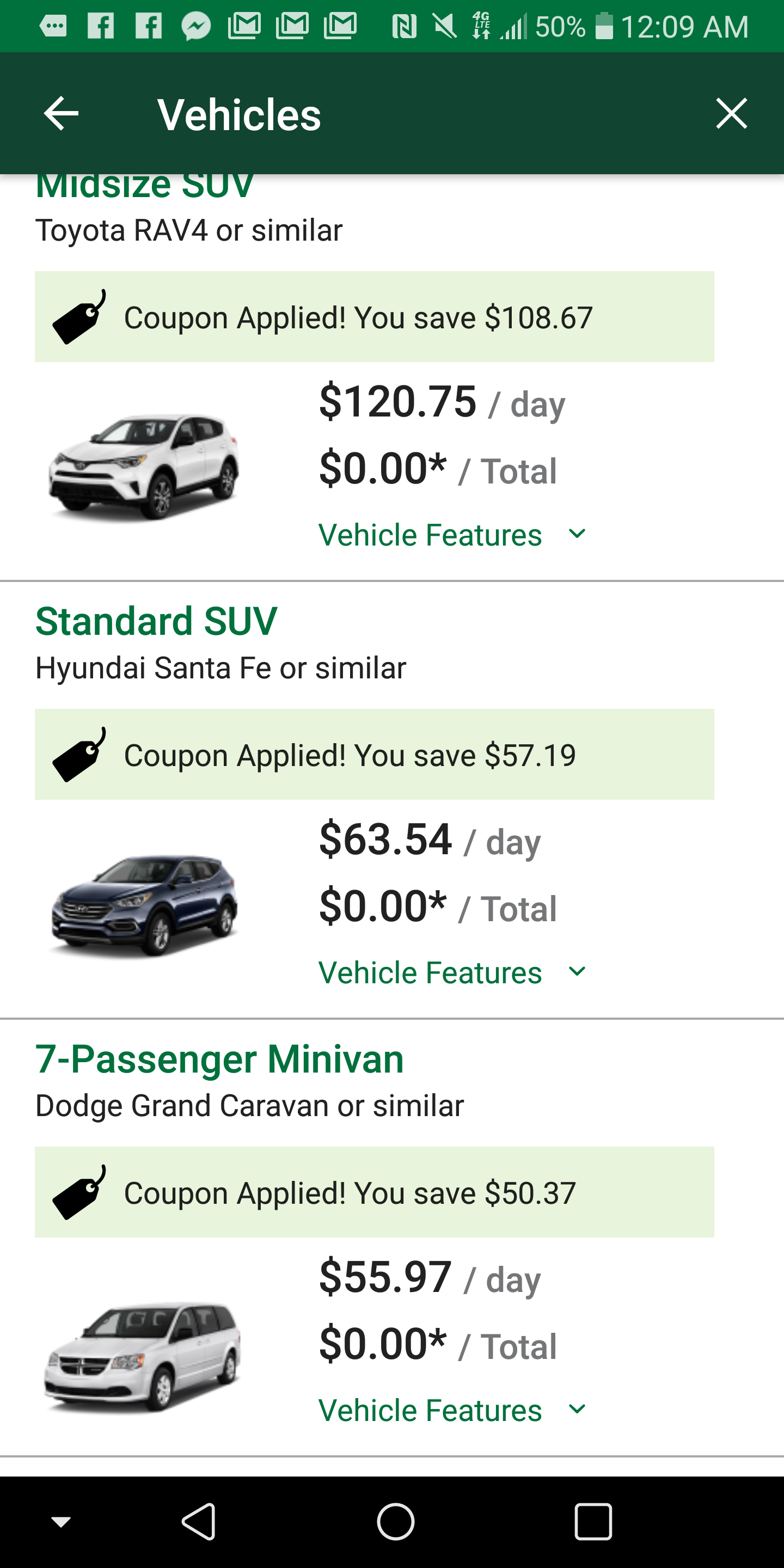
The digital age offers powerful tools for finding the best deals.
- Aggregator Websites: Use sites like Kayak, Skyscanner, Expedia, or Rentalcars.com to compare prices across multiple rental agencies simultaneously. These platforms allow you to quickly identify the most competitive base rates. However, always remember to click through to the rental company’s direct website to confirm the final price, as hidden fees might not be fully transparent on aggregators.
- Direct Booking Benefits: While aggregators are great for comparison, sometimes booking directly with a rental company can offer perks like loyalty program points, specific vehicle choices, or easier modification/cancellation policies.
- Discount Codes and Promotions: Before booking, search online for discount codes (e.g., “Hertz promo code,” “Avis coupon”). Many companies offer discounts for AAA, AARP, corporate affiliations, or seasonal promotions. Signing up for email newsletters from rental companies can also provide access to exclusive deals.
- Loyalty Programs: If you frequently rent from a particular company, joining their loyalty program can offer benefits like free upgrades, expedited service, or even free rental days after accumulating points.
Optimizing Pick-up and Drop-off Logistics
Strategic decisions about where and when you rent can significantly impact your wallet.
- Off-Airport Locations: As discussed, avoiding airport rental counters is one of the easiest ways to bypass hefty airport surcharges. Look for rental agencies located a short distance away and factor in the cost and time of reaching them via public transport or ride-share.
- Precise Rental Duration: Rental companies often price based on 24-hour cycles. If you pick up at 10 AM and return at 11 AM the next day, you might be charged for two full days, or at least a significant partial-day fee. Try to align your pick-up and drop-off times as closely as possible, ensuring you stay within the 24-hour window for a “one-day” rate. Some companies offer grace periods (e.g., 30-59 minutes) before charging an extra day, but always confirm.
- Avoiding Peak Times and Seasons: If your travel dates are flexible, try to rent during off-peak seasons or weekdays. Weekends, holidays, and major events typically see higher demand and inflated prices.
Smart Choices Regarding Fuel and Insurance
These two areas present the biggest opportunities for financial savings beyond the base rate.
- Refill the Tank Yourself: Opt for the “return full” fuel policy. Locate a gas station near the drop-off point and fill up the tank yourself. The rental company’s per-gallon price, plus service fees if they refill, will almost invariably be significantly higher.
- Leverage Existing Insurance: Before you even begin searching for rental cars, contact your personal auto insurance provider and your credit card company. Understand the full extent of your coverage for rental vehicles (collision, liability, personal effects). If you have sufficient coverage, you can confidently decline the rental company’s expensive CDW/LDW and other supplementary insurances, saving a substantial amount daily. Always get this confirmation in writing or note down policy numbers.
The Hidden Costs of Early Returns or Extensions
While less common for one-day rentals, it’s worth noting the financial implications of changing your rental duration.
- Early Returns: Returning a car early might not always result in a refund for unused days. In some cases, especially if you had a special weekly rate that you’re now breaking, the daily rate for the days you did use might be recalculated to a higher, less favorable rate. Always check the rental agreement’s terms for early returns.
- Extensions: Deciding to keep the car for longer than planned can be costly. Often, extending a rental means you’ll be charged the current, potentially higher, daily rate for the extension period, rather than the original, lower rate you booked. It’s best to book for the full anticipated duration upfront, if possible.
Budgeting and Financial Planning for Your One-Day Rental
Effective financial planning is paramount for a stress-free car rental experience. This involves not just estimating costs but also understanding payment mechanisms and scrutinizing the fine print of your rental agreement.
Creating a Realistic Rental Budget
Don’t just focus on the advertised daily rate. A comprehensive budget should include:
- Base Rental Rate: The advertised cost for your chosen vehicle class.
- Taxes and Fees: Estimate airport surcharges, state/local taxes, vehicle licensing fees, etc. (often 10-30% of the base rate).
- Insurance Costs: Decide beforehand whether you’ll rely on existing coverage or purchase additional insurance. Factor in the daily cost of any purchased waivers.
- Add-ons: Budget for any necessities like child seats, GPS (if you don’t use your phone), or additional drivers.
- Fuel Costs: Estimate how much gas you’ll likely use and budget for refilling the tank.
- Young Driver Surcharge: If applicable, this can be a significant daily expense.
- Tolls: If your route involves toll roads, estimate these costs.
By tallying these potential expenses, you can arrive at a realistic “all-in” daily cost, which might be significantly higher than the initial quote, but will prevent financial surprises.
Understanding Payment Methods and Deposits
How you pay for your rental can impact the process and your available funds.
- Credit Cards: Most major rental companies prefer, and sometimes require, a credit card for the primary renter. This is because they place a security deposit hold on your card (often several hundred dollars) which is released upon the car’s safe return. This hold reduces your available credit but avoids tying up actual cash.
- Debit Cards: While some companies accept debit cards, particularly for payment at the end of the rental, using one for the security deposit can be problematic. They might require a higher deposit amount (e.g., $500-$1000), run a credit check, or ask for additional forms of ID or proof of return ticket. The hold on a debit card directly freezes funds in your bank account, which can be inconvenient. It’s generally advisable to use a credit card if possible.
- Pre-Authorization Holds: Be aware that the rental company will typically pre-authorize your card for the estimated rental cost plus the security deposit. Ensure you have sufficient credit available to cover this.
Reviewing the Rental Agreement: Your Financial Safeguard
The rental agreement is a legally binding contract detailing all the terms and conditions of your rental. Before signing, dedicate time to reading it thoroughly.
- Line-by-Line Cost Breakdown: Ensure that every charge on the agreement matches your understanding and budget. Question any unfamiliar or unexpected fees.
- Insurance Declinations: Double-check that any insurance products you declined are clearly marked as such, to avoid being charged inadvertently.
- Fuel Policy: Confirm the agreed-upon fuel policy.
- Damage Pre-inspection: Before driving off, meticulously inspect the vehicle for any existing damage (scratches, dents, chips) and ensure it’s all accurately noted on the rental agreement’s damage report form. Take photos or videos as proof. This protects you from being charged for pre-existing damage upon return.
- Return Policy: Understand the exact return time, location, and conditions to avoid late fees or unexpected charges.
By being diligent and financially savvy throughout the car rental process, you can transform what might seem like a simple one-day expense into a transparent and budget-controlled experience.

Conclusion
Renting a car for one day, while offering immense flexibility and convenience, comes with a financial labyrinth that requires careful navigation. The journey from a quoted base rate to the final bill involves a multitude of factors, from the type of vehicle and rental location to the complexities of insurance, optional add-ons, and various mandatory fees. Without a keen eye for detail and a proactive financial strategy, renters can easily find themselves paying significantly more than anticipated.
The key to economical daily car rentals lies in comprehensive financial planning. This includes understanding average costs, diligently researching and comparing prices across platforms, wisely choosing off-airport locations where feasible, and, most crucially, leveraging existing personal insurance policies and credit card benefits to avoid redundant and expensive waivers offered by rental companies. Furthermore, making smart decisions regarding fuel, declining unnecessary add-ons like GPS, and meticulously reviewing the rental agreement before signing are all critical steps in safeguarding your budget.
Ultimately, a one-day car rental should be a seamless extension of your travel or daily needs, not a source of financial stress. By arming yourself with knowledge about the true costs involved and employing these money-saving strategies, you can confidently secure the right vehicle at a price that aligns with your financial expectations, ensuring a smooth and predictable experience from pickup to drop-off.
aViewFromTheCave is a participant in the Amazon Services LLC Associates Program, an affiliate advertising program designed to provide a means for sites to earn advertising fees by advertising and linking to Amazon.com. Amazon, the Amazon logo, AmazonSupply, and the AmazonSupply logo are trademarks of Amazon.com, Inc. or its affiliates. As an Amazon Associate we earn affiliate commissions from qualifying purchases.