
In the competitive world of big-box retail, few companies have managed to cultivate the level of brand loyalty that Costco Wholesale enjoys. Central to this success is a corporate identity built on a singular promise: providing high-quality goods at the lowest possible prices. While many consumers associate the brand with its $1.50 hot dog or its towering shelves of bulk snacks, the meat department—specifically the beef program—serves as a critical pillar of the Costco brand strategy. Understanding where Costco gets its beef is not merely a question of geography; it is an exploration of how a multi-billion-dollar brand manages complex supply chains to maintain a reputation for excellence and value.
The Architecture of the Costco Beef Brand
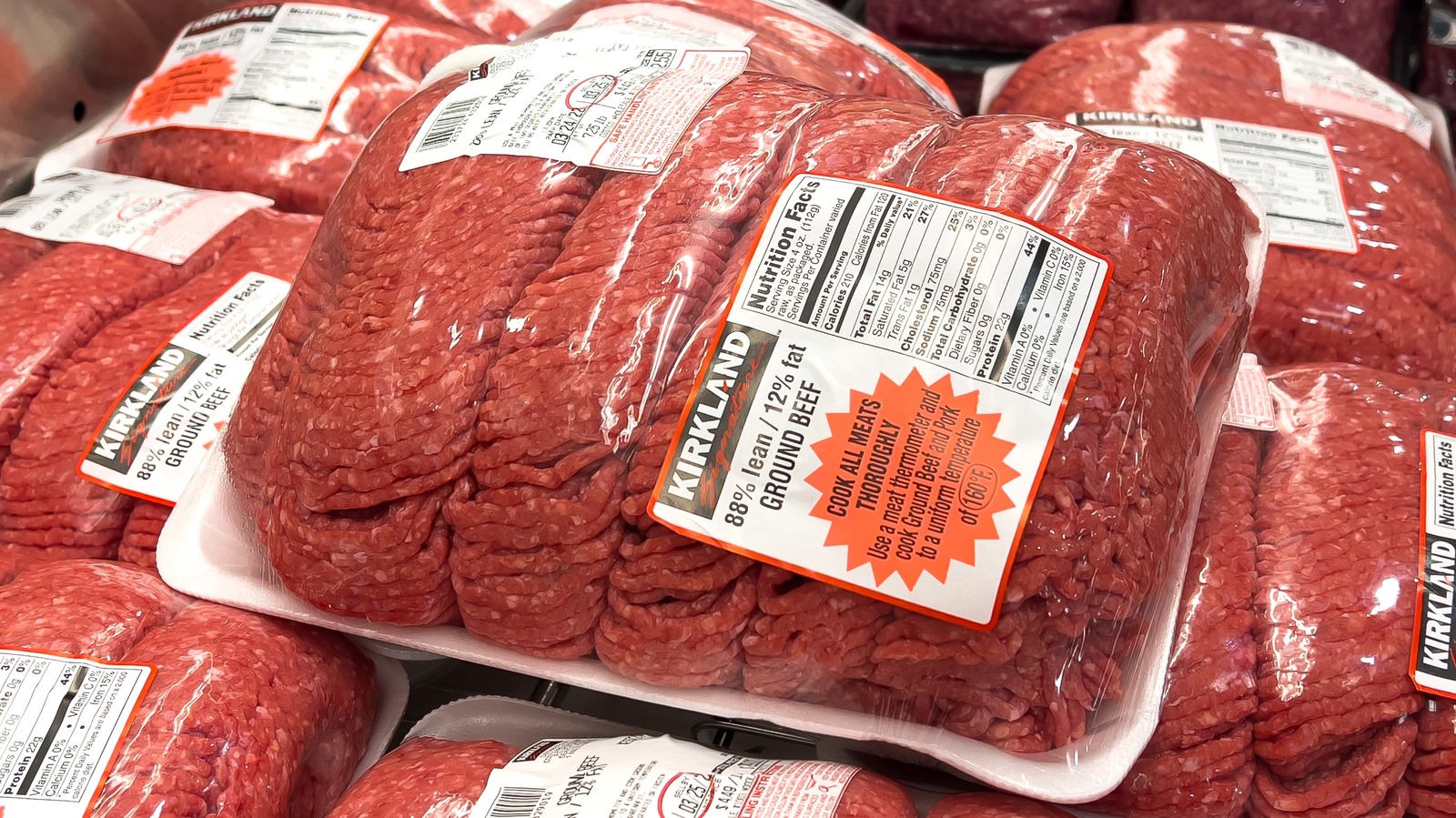
Costco’s brand identity is inextricably linked to its private label, Kirkland Signature. Launched in 1995, Kirkland Signature was designed to represent a “quality equal to or better than” national brands at a significantly lower price point. In the beef aisle, this strategy is executed with surgical precision. Unlike traditional supermarkets that may offer various tiers of quality, from “Select” to “Prime,” Costco focuses primarily on the top two tiers of the USDA grading system: Choice and Prime.
The Role of Quality Grading in Brand Trust
By exclusively offering USDA Choice and USDA Prime beef, Costco positions its brand as a premium provider. The USDA Prime designation is reserved for the top 2% to 3% of all beef produced in the United States, characterized by abundant marbling and superior flavor. By making these high-end cuts accessible to the average consumer, Costco reinforces its corporate identity as a “value-driven luxury” destination. This consistency builds a psychological contract with the member: when they purchase a Kirkland Signature steak, they know exactly what level of quality to expect, regardless of the specific ranch it originated from.
The Strategic Importance of the Meat Department
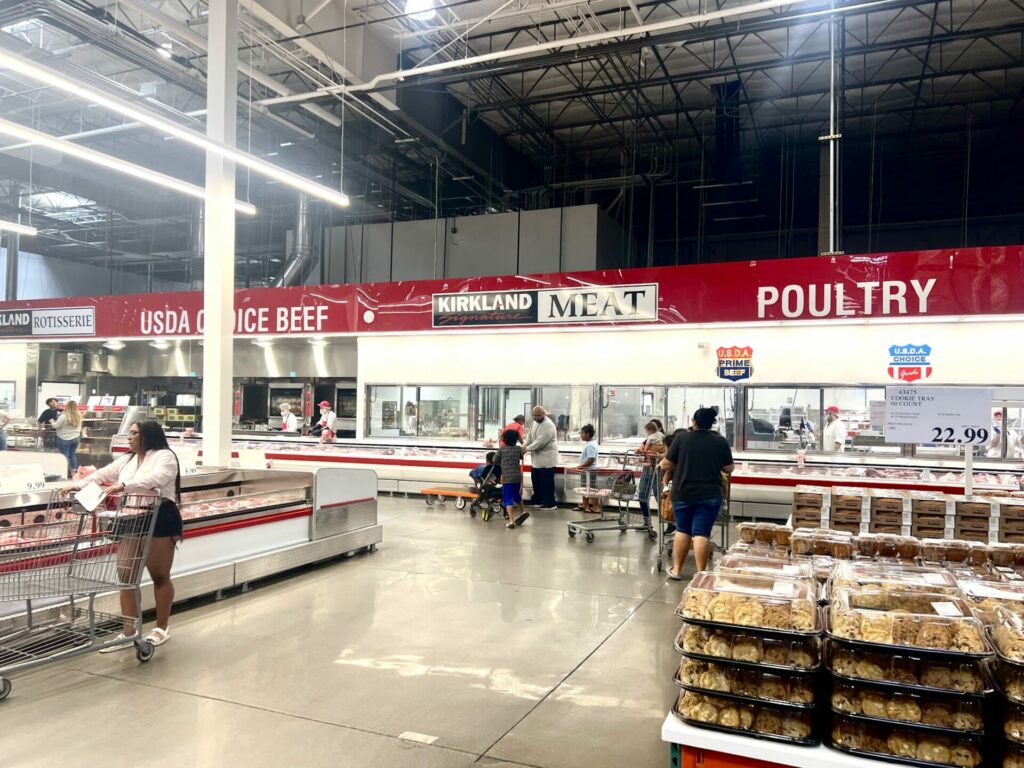
In marketing terms, the meat department acts as a “destination category.” Costco understands that if a member trusts the brand for their high-ticket protein purchases, they are more likely to renew their annual membership—the true driver of Costco’s profitability. The beef sourcing strategy is therefore a retention tool, designed to provide a “wow” factor that justifies the membership fee.
Domestic Powerhouses: The Backbone of the Supply Chain
While Costco is a global entity, the vast majority of the beef sold in its U.S. warehouses is sourced domestically. The brand relies on a network of massive meat processing firms, often referred to in the industry as the “Big Four.” These include Tyson Foods, JBS, Cargill, and National Beef.
The Nebraska and Midwest Connection
A significant portion of Costco’s beef is sourced from the Midwestern United States, particularly Nebraska. This region is known for its corn-fed cattle, which produces the specific flavor profile and marbling that American consumers prefer. By partnering with processors located in the “Beef Belt,” Costco minimizes transportation costs while ensuring a steady supply of high-grade grain-fed beef. This regional focus allows the brand to maintain a “fresh, never frozen” promise for its core steak offerings, which is a key marketing differentiator against discount competitors.
Regional Sourcing for West Coast Warehouses
For its warehouses on the West Coast, Costco often taps into suppliers in the San Joaquin Valley in California. This decentralized approach to sourcing allows the brand to optimize its logistics network, reducing the carbon footprint of its supply chain and ensuring that meat reaches the refrigerated cases as quickly as possible. From a brand management perspective, this localized sourcing also allows Costco to occasionally highlight regional producers, adding a layer of perceived “farm-to-table” authenticity to its industrial-scale operations.
Global Sourcing and the Expansion of the Grass-Fed Niche
As consumer preferences have shifted toward health-conscious and environmentally sustainable options, Costco has adapted its brand strategy to include organic and grass-fed beef. This shift required the company to look beyond the American Midwest.
The Australian and Canadian Pipelines
For its organic and grass-fed programs, Costco frequently sources beef from Australia and Canada. Australia is one of the world’s largest producers of grass-fed beef, benefiting from vast grazing lands and strict animal welfare standards. By sourcing internationally for these specific niches, Costco can maintain its “Kirkland Signature” price advantage. Sourcing grass-fed beef domestically in the U.S. at the scale Costco requires would often result in much higher retail prices, potentially alienating the value-conscious segment of their audience.
Maintaining Brand Consistency Across Borders
The challenge of international sourcing is maintaining the same quality standards that consumers expect from domestic beef. Costco solves this through rigorous third-party audits and adherence to its own internal quality specifications, which often exceed USDA requirements. This global reach demonstrates the brand’s ability to leverage international trade to protect its domestic value proposition.
Quality Control as a Brand Differentiator
Costco’s sourcing strategy is not just about where the meat comes from, but how it is handled once it enters the supply chain. The brand’s commitment to safety and quality control is a significant part of its corporate identity.
Vertical Integration and the Poultry Model
While Costco does not yet own its beef cattle ranches in the same way it owns its rotisserie chicken supply chain in Nebraska (Lincoln Premium Poultry), the company exerts an unusual amount of control over its beef suppliers. Costco dictates specific aging processes—often wet-aging its beef for at least 21 days—to ensure tenderness and flavor. This level of involvement in the post-slaughter process is a hallmark of a brand that views its supply chain as a competitive advantage rather than just a cost center.
The Impact of Mechanical Tenderization
In its pursuit of the perfect consumer experience, Costco utilizes mechanical tenderization for many of its steak cuts. While this has occasionally been a point of discussion regarding food safety, Costco’s transparent labeling and stringent safety protocols regarding “blade-tenderized” meat reflect its brand values of honesty and consumer education. The brand takes the risk of extra processing to ensure that even the leaner Choice cuts meet the “melt-in-your-mouth” standard that members expect.
Supply Chain Resilience and the Future of the Brand
The modern retail environment is fraught with volatility, from fluctuating grain prices to climate-related disruptions in cattle ranching. Costco’s beef sourcing strategy is increasingly focused on resilience and long-term sustainability to protect its brand equity.
Addressing Sustainability and Ethical Sourcing
As the “Brand Purpose” movement gains momentum, Costco has faced increasing pressure to be transparent about its environmental impact. The company has begun implementing more robust animal welfare guidelines and is exploring ways to reduce the methane footprint of its supply chain. For Costco, sustainability is not just a moral imperative but a brand-protection strategy. Ensuring a long-term, stable supply of beef requires a healthy ecosystem and ethical treatment of livestock, which in turn protects the brand from reputational risks.
The Potential for More Vertical Integration
Looking ahead, industry analysts speculate whether Costco will eventually move toward more direct ownership of its beef supply chain. Given the success of their chicken plant, a vertically integrated beef operation could allow the brand to stabilize prices even further and exert total control over genetic quality and environmental standards. Such a move would be the ultimate expression of the Costco brand: a self-sustaining ecosystem that prioritizes the member’s value above all else.
Conclusion: The Strategic Value of a Steak
The question of where Costco gets its beef reveals a sophisticated brand strategy that balances domestic volume with international specialty sourcing. By partnering with industry giants while maintaining its own rigorous standards, Costco ensures that its meat department remains a powerful draw for its millions of members. The brand doesn’t just sell beef; it sells the confidence that the beef is the best value available on the market. This trust, built one Choice-grade ribeye at a time, is the foundation upon which the entire Costco empire rests. As the company continues to navigate the complexities of global agriculture, its ability to maintain this high-stakes supply chain will remain the ultimate test of its brand promise.
aViewFromTheCave is a participant in the Amazon Services LLC Associates Program, an affiliate advertising program designed to provide a means for sites to earn advertising fees by advertising and linking to Amazon.com. Amazon, the Amazon logo, AmazonSupply, and the AmazonSupply logo are trademarks of Amazon.com, Inc. or its affiliates. As an Amazon Associate we earn affiliate commissions from qualifying purchases.