
In today’s increasingly digital financial landscape, peer-to-peer payment apps like Venmo have become indispensable tools for managing day-to-day transactions. From splitting dinner bills to sending gifts, Venmo simplifies the exchange of money between individuals. However, for many users, the primary objective often extends beyond merely receiving funds; it’s about effectively withdrawing that money from their Venmo balance and integrating it into their broader financial ecosystem. This process, while seemingly straightforward, involves understanding various options, associated costs, and best practices to ensure your digital funds serve your personal financial goals efficiently and securely.

This comprehensive guide delves into the mechanisms of moving money off Venmo, framing each method within a broader financial management context. We’ll explore the strategic considerations behind choosing standard versus instant transfers, discuss the implications of fees and limits, and highlight other avenues for utilizing your Venmo balance. By the end, you’ll be equipped with the knowledge to make informed decisions that optimize your financial control and maximize the value of your Venmo funds.
Understanding Your Venmo Balance and Its Financial Implications
Before delving into the mechanics of transferring funds, it’s crucial to grasp what your Venmo balance represents and its role within your personal financial strategy. For many, Venmo acts as a temporary holding ground for received funds, a digital pocket from which money can either be spent directly or transferred to a more permanent financial home, such as a traditional bank account. Recognizing its function as a dynamic component of your cash flow is the first step toward effective management.
Venmo as a Digital Wallet: More Than Just Payments
Think of your Venmo balance as a specialized digital wallet. It holds money that has been sent to you by others or that you’ve opted to keep within the app after receiving it. Unlike a traditional bank account, Venmo balances typically do not earn interest, making it generally suboptimal for long-term savings. Its primary utility lies in its convenience for immediate transactions and quick transfers. Understanding this distinction is vital for sound financial planning; money sitting idly in Venmo could potentially be working harder for you elsewhere or simply be safer in an FDIC-insured bank account. Therefore, actively managing your Venmo balance and promptly moving funds when not needed for immediate app-based transactions is a wise financial practice.
The Importance of Timely Fund Transfers for Financial Health
Proactive management of your Venmo balance contributes significantly to your overall financial health. Leaving large sums in your Venmo account for extended periods might expose you to certain risks, such as limited fraud protection compared to federally insured bank accounts, or simply missed opportunities for growth. Furthermore, having a clear understanding of your available funds in your primary bank account is essential for budgeting and preventing overdrafts. Regularly transferring funds from Venmo to your linked bank account ensures that your consolidated financial picture is always accurate and that your money is held in the most secure and beneficial location for your individual needs. This discipline can prevent financial missteps and provide greater clarity regarding your liquidity.
Differentiating Between Venmo Balance and Linked Bank Accounts
It’s important to clearly distinguish between your Venmo balance and the funds held in your linked bank accounts. While Venmo facilitates transfers to and from your bank, they are separate financial entities. Money on Venmo is accessible within the app for peer-to-peer payments or merchant purchases, but it does not automatically appear in your bank account until you initiate a transfer. Conversely, money in your bank account is not automatically available on Venmo unless you transfer it in or use a linked debit card for transactions that draw directly from your bank. This clear separation demands active management to ensure funds are where you need them, when you need them, optimizing both convenience and financial security.
Core Strategies for Transferring Funds from Venmo to Your Bank
The most common and financially prudent method to “get money off Venmo” is to transfer it to a linked bank account. Venmo offers two primary options for this, each with distinct financial implications regarding speed and cost. Making an informed choice between these strategies is key to optimizing your personal cash flow and minimizing unnecessary expenses.
Standard Transfers: The Cost-Effective Option
Standard transfers are the default and most financially conservative method for moving money from your Venmo balance to your bank account. These transfers are typically free of charge, making them the preferred option for users who are not in a rush to access their funds. The downside is the processing time, which usually takes 1-3 business days. While this might feel slow in a world of instant gratification, it represents a significant cost saving compared to expedited options. For regular users who manage their finances proactively, scheduling standard transfers ensures that your Venmo funds are eventually integrated into your primary banking without incurring any additional fees, thus preserving the full value of the money received. This method is ideal for funds that aren’t immediately critical for upcoming expenses.
Instant Transfers: Weighing Convenience Against Cost
For situations demanding immediate access to your Venmo funds, the instant transfer option provides unparalleled speed. With an instant transfer, your money is typically deposited into your linked debit card or bank account within minutes, often even outside of standard banking hours. However, this convenience comes at a cost. Venmo charges a fee for instant transfers, which is usually a small percentage of the transfer amount, with a minimum and maximum fee. From a financial perspective, it’s crucial to evaluate whether the urgency of accessing the funds justifies this fee. For example, if you need funds to avoid an overdraft fee, the instant transfer fee might be a worthwhile expenditure. Conversely, for non-urgent situations, opting for a standard transfer will always be the more financially sound decision. Smart financial planning involves anticipating needs and choosing the most cost-effective solution.
Ensuring Your Bank Account is Securely Linked for Transfers
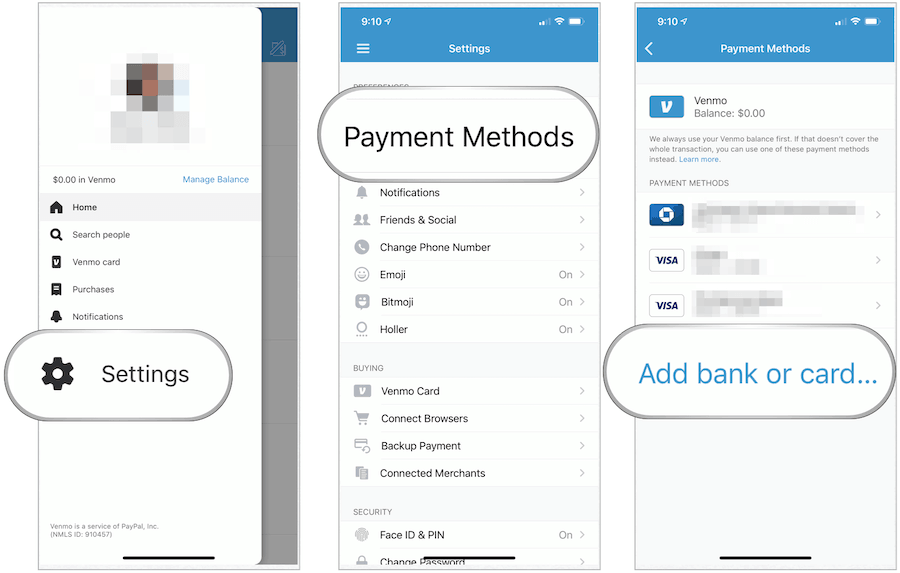
Regardless of whether you choose a standard or instant transfer, the foundational step is to ensure that your bank account is correctly and securely linked to your Venmo profile. Venmo uses a verification process, often involving small deposits or linking through your bank’s online portal, to confirm ownership and establish a secure connection. It’s imperative to double-check that the correct routing and account numbers are entered and that the linked account is active and in good standing. An incorrectly linked account can lead to transfer delays, rejected transactions, or even funds being held in limbo, creating unnecessary financial stress. Regularly reviewing and confirming your linked financial institutions safeguards your funds and ensures smooth, uninterrupted access when you need it.
Beyond Bank Transfers: Utilizing Your Venmo Balance Effectively
While transferring funds to a bank account is the most common way to “get money off Venmo,” it’s not the only avenue for utilizing your balance. Venmo has expanded its features, offering users more direct ways to spend their funds without needing to move them to an external bank account first. These options provide convenience and flexibility, transforming Venmo into a more versatile financial tool.
Making Purchases with the Venmo Debit Card: Spending Your Balance Directly
For those who frequently receive money on Venmo and prefer immediate access to their funds for everyday spending, the Venmo Debit Card is an excellent financial tool. This card, linked directly to your Venmo balance, allows you to make purchases anywhere Mastercard is accepted, both online and in physical stores. When you swipe or tap your Venmo Debit Card, the funds are drawn directly from your Venmo balance first. If your Venmo balance is insufficient, you can set it up to automatically pull from a linked bank account, effectively making your Venmo balance a primary spending account. This eliminates the need for manual transfers to your bank for daily expenses, offering a seamless way to spend the money you receive on the platform. It’s a pragmatic solution for active Venmo users to manage their daily expenditures.

Using Venmo for Merchant Payments: A Digital Spending Tool
Venmo’s utility extends beyond peer-to-peer payments to include transactions with a growing number of businesses and online merchants. Many online retailers and physical stores now accept Venmo as a payment method, allowing you to use your existing Venmo balance directly for purchases. This capability transforms your Venmo account into a versatile digital spending tool. Instead of transferring money to your bank account only to spend it elsewhere, you can often bypass this step entirely by paying directly with Venmo. This integration saves time and streamlines the purchasing process, particularly useful for recurring digital subscriptions or online shopping where Venmo is an accepted payment gateway. It reinforces Venmo’s role as an active part of your financial toolkit, not just a pass-through for funds.
Exploring Other Venmo Features for Fund Management
Venmo continues to evolve, introducing new features that enhance its financial utility. For instance, Venmo has ventured into cryptocurrency, allowing users to buy, hold, and sell certain cryptocurrencies directly within the app. While this falls under the “Money” category, it’s important to note the inherent volatility and risk associated with crypto investments. For the savvy financial planner, this represents an alternative way to utilize a Venmo balance, though it requires a higher risk tolerance and understanding of market dynamics. Additionally, Venmo might offer cash-back rewards or specific promotions when using its card or making merchant payments, which can add incremental value to your spending. Staying informed about these evolving features allows you to fully leverage Venmo as a multifaceted financial management tool, aligning its capabilities with your personal financial objectives.
Navigating Fees, Limits, and Security in Venmo Transactions
Effective financial management with Venmo isn’t just about moving money; it’s also about understanding the rules and safeguards governing those movements. Awareness of transfer fees, daily limits, and robust security practices is paramount to protecting your funds and ensuring that your transactions are both cost-effective and secure.
Understanding Transfer Fees: Maximizing Your Take-Home Amount
The most direct financial consideration when getting money off Venmo is the fee structure. As discussed, standard transfers to a bank account are typically free, making them the most cost-effective option. Instant transfers, however, incur a percentage-based fee (e.g., 1.75% as of recent updates, with a minimum and maximum), which can eat into your funds. When deciding between options, always calculate the exact fee for an instant transfer to weigh it against the urgency of your need. For example, transferring $1000 instantly might cost you $17.50, which could be a significant sum. Regularly assess whether paying this premium aligns with your immediate financial priorities. Prudent financial planning means avoiding unnecessary fees whenever possible, and understanding Venmo’s fee structure is a key part of that.
Daily and Weekly Transfer Limits: Planning Your Financial Movements
Venmo imposes daily and weekly limits on how much money you can transfer from your balance to your bank account, whether standard or instant. These limits can vary based on your account verification status and can influence how you manage larger sums of money received through the platform. For example, a verified account might have a weekly rolling limit of several thousand dollars for bank transfers. If you anticipate receiving or needing to transfer a substantial amount, it’s crucial to be aware of these limits and plan accordingly. Attempting to exceed a limit will result in a rejected transfer, causing delays and potential frustration. Financial foresight, in this context, involves checking your current limits within the Venmo app and scheduling transfers in advance if you’re dealing with amounts that approach these thresholds.
Protecting Your Funds: Essential Security Practices for Venmo Users
Security is paramount when dealing with any financial platform, and Venmo is no exception. While Venmo employs robust security measures, users also play a critical role in protecting their funds. Essential practices include:
- Strong, unique passwords: Never reuse passwords.
- Two-factor authentication (2FA): Enable this extra layer of security for every login.
- Vigilance against phishing: Be suspicious of unsolicited emails or messages asking for personal information or Venmo login credentials.
- Regular review of transactions: Check your transaction history frequently for any unauthorized activity.
- Securely linking accounts: Ensure your bank account and debit card information are accurately and privately entered.
- Reporting suspicious activity immediately: If you suspect fraud or unauthorized access, contact Venmo support without delay.
Adhering to these security protocols is not just good practice; it’s a vital component of managing your digital finances responsibly and safeguarding your money against potential threats.
Troubleshooting Common Issues and Optimizing Your Venmo Experience
Even with careful planning, occasional issues can arise when managing funds on Venmo. Understanding how to troubleshoot common problems and adopting best practices can streamline your financial interactions with the app, ensuring your money is always where it needs to be.
Delays in Transfers: What to Do When Funds Don’t Arrive Promptly
The most frequent concern among Venmo users is a delay in receiving transferred funds. While standard transfers inherently take 1-3 business days, instant transfers are usually immediate. If an instant transfer takes longer than a few minutes or a standard transfer exceeds its expected timeframe, several factors could be at play:
- Banking holidays: These can delay standard transfers.
- Bank processing times: Some banks might have slower internal processing, especially for weekend transfers.
- Venmo review: Occasionally, Venmo may review a transfer for security reasons, causing a temporary hold.
If you experience a significant delay, first check your Venmo transaction history for any status updates or notifications. Then, verify with your bank that they haven’t received the transfer. If the issue persists, contacting Venmo customer support is the next logical step. Having transaction IDs and details ready will expedite the resolution process.
Resolving Incorrect Bank Linkages or Rejected Transfers
A common cause of rejected transfers is an incorrect or outdated linked bank account. This can happen if you’ve recently changed bank accounts, or if there was a typo during the initial setup. If a transfer is rejected, Venmo will typically notify you within the app.
- Check your linked accounts: Verify that the routing and account numbers are correct for your current bank account.
- Update details: If necessary, remove the old bank account and re-link your current one, ensuring all details are accurate.
- Bank verification: Ensure your bank account is fully verified with Venmo.
Resolving these linkage issues promptly is crucial to avoid further delays in accessing your funds. It’s a good financial habit to periodically review your linked accounts on all financial apps to ensure their accuracy and prevent future disruptions.
Proactive Financial Management: Best Practices for Venmo Users
To truly optimize your Venmo experience and manage your digital funds effectively, adopt a proactive approach:
- Regularly transfer funds: Don’t let large sums sit in your Venmo balance unnecessarily, especially if you don’t plan to use them directly within the app. Schedule regular transfers to your bank.
- Understand fees: Always be aware of the costs associated with instant transfers and make a conscious decision based on your financial needs.
- Monitor security: Enable all available security features and be vigilant against fraud.
- Stay informed: Keep up-to-date with Venmo’s terms of service, feature updates, and any changes to their fee structure.
By integrating these practices into your financial routine, Venmo transforms from a simple payment app into a powerful and manageable tool within your overall personal finance strategy. Taking control of “how to get money off Venmo” empowers you to make informed decisions that serve your financial well-being.
aViewFromTheCave is a participant in the Amazon Services LLC Associates Program, an affiliate advertising program designed to provide a means for sites to earn advertising fees by advertising and linking to Amazon.com. Amazon, the Amazon logo, AmazonSupply, and the AmazonSupply logo are trademarks of Amazon.com, Inc. or its affiliates. As an Amazon Associate we earn affiliate commissions from qualifying purchases.