
The pursuit of an affordable and reliable used car is a common financial goal for many. In an era where transportation costs can significantly impact personal budgets, understanding how and where to source cheap used cars effectively is more crucial than ever. This guide delves into the strategic financial advantages of buying used, explores the most promising avenues for acquisition, and outlines smart financial strategies to ensure you make a wise, cost-effective purchase. Our focus remains squarely on the monetary aspects, helping you navigate the market to maximize value and minimize expenditure without compromising on quality.

The Financial Edge: Why Buying Used Makes Cents
Opting for a used vehicle is often one of the smartest financial decisions a car buyer can make. It’s a direct counter-strategy to the steep depreciation associated with new cars, offering a more stable asset and a lower overall cost of ownership. Understanding these core financial benefits is the first step toward a savvy purchase.
Depreciation: Your Ally in Value Retention
The most significant financial advantage of buying a used car lies in depreciation. New cars lose a substantial portion of their value – often 20-30% – within the first year alone, and continue to depreciate rapidly for the next few years. When you buy a used car, you’re letting the original owner absorb the brunt of this initial value loss. This means you acquire a vehicle at a significantly reduced price, even if it’s only a few years old, and your car’s value will decline at a much slower rate going forward. This slower depreciation means your asset retains more of its value over the period of your ownership, leading to a better return when it’s time to sell or trade it in. It’s an investment in mobility that depreciates at a far more manageable pace.
Lower Insurance Premiums and Registration Fees
Insurance companies factor in a car’s market value, repair costs, and safety ratings when calculating premiums. Since used cars generally have a lower market value than new ones, the cost to insure them is typically lower. This can translate into significant savings over the life of your policy, freeing up more of your monthly budget. Similarly, many states base vehicle registration fees on the car’s age or original sale price. A cheaper, older used car will almost invariably come with lower annual registration fees compared to a brand-new counterpart, further reducing the ongoing financial burden of car ownership. These often-overlooked savings contribute substantially to the overall affordability of a used vehicle.
Expanded Budget, Greater Value
By avoiding the premium price tag of a new car, your budget stretches further in the used car market. This means you can often afford a higher trim level, a more luxurious model, or a vehicle with more advanced features than you could if you were buying new. For instance, a two- or three-year-old luxury sedan might be available for the price of a brand-new economy car. This allows you to drive a more comfortable, safer, or better-equipped vehicle without increasing your capital outlay. Essentially, you’re getting more car for your money, a direct financial benefit that enhances your driving experience without breaking the bank.
Top Venues for Sourcing Affordable Used Vehicles
Knowing where to look is just as important as knowing why to look. The used car market is diverse, offering various channels, each with its own financial implications, risks, and rewards. Understanding these distinct buying environments is key to finding the best deal for your budget.
Online Marketplaces and Classifieds: The Digital Bargain Hunt
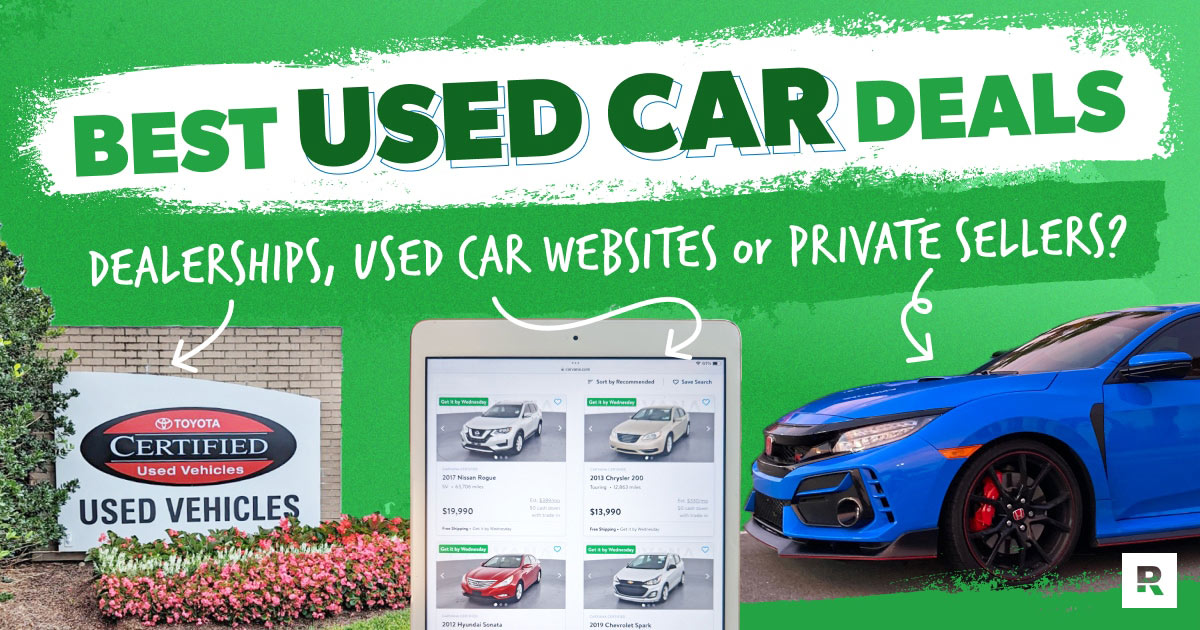
Websites like Craigslist, Facebook Marketplace, eBay Motors, and dedicated platforms such as Autotrader and Cars.com have revolutionized the private sale market. These platforms connect individual sellers directly with buyers, often leading to lower prices because there’s no dealership overhead to cover. The financial advantage here is direct negotiation and the potential for a significant bargain. However, buyers must exercise caution and due diligence. Always insist on a pre-purchase inspection (PPI) by an independent mechanic. Be wary of deals that seem too good to be true, as scams are prevalent. Financial security during transactions is paramount; avoid wire transfers and consider meeting in a public place. While offering great financial upside, these platforms demand a higher level of personal responsibility in vetting the vehicle and the seller.
Dealerships: Professionalism with a Premium
Buying from a dealership, whether a dedicated used car lot or a new car dealership selling trade-ins, generally comes with a higher price tag than a private sale. This premium covers the dealership’s overhead, reconditioning costs, and the profit margin. However, dealerships often offer certain financial advantages: financing options, trade-in capabilities, and sometimes limited warranties or Certified Pre-Owned (CPO) programs. CPO vehicles, while more expensive than non-CPO used cars, come with manufacturer-backed warranties and rigorous inspections, providing peace of mind and reducing the risk of unexpected repair costs down the line – a valuable financial safeguard. When dealing with dealerships, be prepared to negotiate not just the car’s price, but also financing rates and trade-in values.
Private Sellers: Direct Deals, Higher Responsibility
Private sellers, often found through word-of-mouth, local classifieds, or community boards, represent another direct route to potentially cheaper cars. Similar to online marketplaces, the absence of a middleman can lead to lower prices. The financial benefit comes from direct negotiation and avoiding sales taxes that some states charge on dealership purchases (though you’ll still pay sales tax when registering the car). The financial risk, however, is that “as-is” sales offer no recourse if problems arise after the purchase. Thorough independent inspection, a detailed history report (CarFax/AutoCheck), and careful examination of all paperwork are critical. Understanding the seller’s motivation (e.g., needing cash quickly) can also provide leverage in negotiations.
Auctions: High Risk, High Reward
Car auctions, including government surplus, public auto auctions, and salvage title auctions, can offer vehicles at rock-bottom prices. The financial upside can be immense, but so are the risks. Vehicles are often sold “as-is, where-is” with little to no opportunity for detailed inspection or test drives before bidding. This means you could be buying a vehicle with significant hidden mechanical issues, making it a potentially costly gamble. For those with mechanical expertise or access to trusted mechanics who can quickly assess vehicles on auction day, the financial rewards can be substantial. However, for the average buyer, the risk of purchasing a money pit often outweighs the potential savings. It’s an arena best approached with deep automotive knowledge and a clear understanding of financial risk tolerance.
Smart Financial Strategies for Your Used Car Purchase
Purchasing a used car is more than just finding a vehicle; it’s a significant financial transaction requiring strategic planning and execution. Implementing sound financial strategies ensures you not only find a cheap car but also a financially sound one.
Define Your Budget Realistically
Before you even start looking, establish a clear and realistic budget. This isn’t just about the purchase price of the car, but the total cost of ownership (TCO). Factor in potential sales tax, registration fees, insurance premiums, initial maintenance (e.g., oil change, new tires, timing belt replacement), and a contingency fund for unexpected repairs. Using a 20/4/10 rule (20% down payment, 4-year loan term, car expenses under 10% of gross income) is a good financial guideline. Sticking to your budget prevents overspending and ensures your new-to-you car remains an asset, not a financial burden.
Pre-Purchase Inspection (PPI): A Must-Have Investment
A PPI is perhaps the most crucial financial investment you can make when buying a used car. For a relatively small fee (typically $100-$200), an independent, certified mechanic will thoroughly inspect the vehicle, identifying any existing or potential mechanical issues. This investment can save you thousands in future repairs or help you walk away from a problematic vehicle. The findings from a PPI also provide valuable leverage in negotiating the price, allowing you to ask for a discount commensurate with the cost of identified repairs. Financially, it’s a protective measure that prevents buyers from inheriting someone else’s expensive problems.
Research and Compare Prices
In the digital age, market intelligence is at your fingertips. Utilize resources like Kelley Blue Book (KBB), Edmunds, and NADAguides to ascertain a fair market value for the specific make, model, year, and trim level you’re interested in. Compare prices across multiple listings and platforms. Understanding the average selling price and identifying outliers (both significantly low and high) will inform your negotiation strategy and help you recognize a genuine deal from a potential scam. This research also helps identify models with better resale value or lower maintenance costs, further enhancing your financial decision.
Negotiating the Best Financial Deal
Negotiation is where potential savings are realized. Approaching it with confidence, preparation, and a clear understanding of your financial limits can significantly reduce the final price.
Knowledge is Power: Market Value Research
Armed with thorough research on the car’s market value, condition, and any identified issues from a PPI, you are in a strong negotiating position. Don’t be afraid to cite comparable listings or PPI findings to justify a lower offer. Sellers, especially private ones, often price their cars with room for negotiation. Understanding their motivation (e.g., urgent sale) can also give you an edge. This isn’t just about getting a “deal”; it’s about paying a fair price that accurately reflects the car’s true financial value and condition.
Be Prepared to Walk Away
The most powerful negotiation tool is the ability to walk away. Emotional attachment to a particular vehicle can lead to overpaying. If the seller isn’t willing to meet your reasonable offer or address your concerns, politely decline and continue your search. There are always other vehicles available, and patience is a virtue in the used car market. This financial discipline ensures you don’t succumb to pressure and always prioritize your budget and value proposition.
Leveraging Inspection Findings for Financial Advantage
If the PPI uncovers issues, use these findings to request a price reduction. For instance, if the mechanic identifies that the tires need replacing soon (a potential $500-$1,000 expense), you can ask for that amount to be deducted from the asking price. This transforms potential post-purchase expenses into immediate savings, making the deal more financially favorable for you. Frame it not as an accusation, but as a practical adjustment to reflect the car’s actual immediate maintenance needs.
Finalizing the Deal and Paperwork
Once a price is agreed upon, ensure all financial details are clearly documented. Obtain a bill of sale that includes the final price, vehicle identification number (VIN), mileage, and both buyer and seller information. Understand the payment process – cash, cashier’s check, or secure electronic transfer – and ensure you receive the title (or lien release if applicable) and registration. Scrutinize all documents for accuracy to avoid future legal or financial complications. This final step is crucial for legally transferring ownership and safeguarding your financial investment.
Post-Purchase Financial Prudence
Buying the car is just one part of the financial journey. Responsible ownership requires budgeting for ongoing costs.
Budgeting for Maintenance and Repairs
Even cheap used cars require maintenance. Set aside a monthly or annual budget for routine servicing (oil changes, tire rotations) and potential repairs. An emergency fund specifically for car repairs can prevent unexpected breakdowns from becoming financial crises. Research the typical maintenance costs for your specific make and model to create a realistic budget. Preventive maintenance is often cheaper than reactive repairs, so adhering to service schedules can save you money in the long run.

Considering Extended Warranties (Pros and Cons)
Some dealerships or third-party providers offer extended warranties on used cars. From a financial perspective, these can provide peace of mind against major mechanical failures, but they also come at a cost. Carefully weigh the upfront cost of the warranty against the potential cost of future repairs, considering the vehicle’s reliability record and your personal risk tolerance. Read the fine print to understand what’s covered, what’s excluded, and the deductible. For a truly “cheap” car, sometimes the cost of the warranty can outweigh its financial benefit if the car is simple and easy to fix.
By approaching the used car market with a clear financial strategy, informed decision-making, and a keen eye for value, you can successfully find a cheap, reliable vehicle that meets your transportation needs without compromising your financial well-being.
aViewFromTheCave is a participant in the Amazon Services LLC Associates Program, an affiliate advertising program designed to provide a means for sites to earn advertising fees by advertising and linking to Amazon.com. Amazon, the Amazon logo, AmazonSupply, and the AmazonSupply logo are trademarks of Amazon.com, Inc. or its affiliates. As an Amazon Associate we earn affiliate commissions from qualifying purchases.