
Owning a car is a significant financial commitment, extending far beyond the initial purchase price and fuel expenses. A crucial, often underestimated, component of this commitment is regular car servicing. Far from being a mere optional expense, proactive maintenance is a cornerstone of responsible car ownership, directly impacting safety, performance, and, most importantly, your long-term financial well-being. Understanding the financial implications of car servicing, from average costs to strategies for cost management, is essential for any savvy vehicle owner. This comprehensive guide delves into the various facets of car service costs, offering insights to help you budget effectively and make informed decisions about your vehicle’s upkeep.

The Economic Imperative of Regular Car Servicing
At its core, car servicing is an investment, not just an expenditure. Neglecting routine maintenance can lead to a cascade of costly problems down the line, turning what could have been a minor preventative cost into a major repair bill. From a financial perspective, understanding why regular servicing is non-negotiable is the first step towards prudent car ownership.
What Exactly Constitutes a Car Service?
Before delving into costs, it’s vital to clarify what a “car service” entails. It’s not a one-size-fits-all operation. Generally, services are categorized by their depth and frequency:
- Interim/Minor Service: Typically recommended every 6 months or 6,000 miles (whichever comes first). This focuses on essential checks and replacements like oil and filter changes, fluid top-ups, tire pressure and tread checks, and basic safety inspections (lights, brakes). This is preventative maintenance designed to catch minor issues early.
- Full/Major Service: Usually due annually or every 12,000 miles. This is a more comprehensive check, building upon the interim service with additional inspections of the engine, gearbox, steering, suspension, air conditioning, and electrical systems. It often includes replacing air filters, fuel filters, and spark plugs, depending on mileage and manufacturer guidelines.
- Manufacturer-Specific Service: Newer cars often follow a precise service schedule dictated by the manufacturer, sometimes known as “logbook services.” These are tailored to the specific make and model, ensuring all components are checked and replaced at the optimal intervals, which is crucial for maintaining warranty validity and resale value.
Each type of service carries a different price tag, reflecting the labor involved, the number of parts replaced, and the complexity of the inspections.
The Financial Upside of Proactive Maintenance
While the immediate cost of a service might seem like an outlay, the long-term financial benefits are substantial:
- Preventing Costly Breakdowns: Minor issues, if left unaddressed, can escalate into significant mechanical failures. A worn brake pad can lead to rotor damage; a neglected oil change can cause severe engine wear. Regular servicing identifies these small problems before they become expensive, debilitating repairs.
- Extending Vehicle Lifespan: A well-maintained car simply lasts longer. By replacing fluids, filters, and worn components as recommended, you preserve the integrity of your vehicle’s engine and other critical systems, delaying the need for a costly replacement vehicle.
- Optimizing Fuel Efficiency: Clogged air filters, old spark plugs, and under-inflated tires all contribute to reduced fuel economy. Servicing addresses these issues, ensuring your engine runs efficiently and saving you money at the pump.
- Maintaining Resale Value: A comprehensive service history is a valuable asset when selling your car. Buyers are willing to pay more for a vehicle with documented evidence of meticulous care, boosting your return on investment.
- Ensuring Warranty Validity: For newer cars, adhering to manufacturer service schedules is often a prerequisite for keeping your warranty valid. Failing to do so could mean you’re on the hook for major repair costs that would otherwise be covered.
Key Factors That Dictate Car Service Costs
The question “how much does a car service cost?” doesn’t have a single, universal answer. Numerous variables come into play, influencing the final bill. Understanding these factors empowers you to anticipate expenses and make more informed financial decisions.
Vehicle Make, Model, and Age
- Luxury vs. Economy: Premium brands (e.g., BMW, Mercedes-Benz, Audi) typically command higher service costs due to more specialized parts, advanced technology, and often higher labor rates at authorized dealerships. Economy cars generally have lower parts costs and simpler mechanics, resulting in more affordable servicing.
- Availability of Parts: Rare or imported models might have more expensive parts due to limited availability and import duties. Common models benefit from readily available aftermarket parts, which can offer significant savings.
- Vehicle Age: Older cars, while potentially having simpler mechanics, can sometimes incur higher costs. They are more prone to wear and tear, requiring replacements of components like timing belts, water pumps, or suspension parts, which are often not part of standard service packages. Modern cars, especially those under warranty, often have specific, costly diagnostic tools required for servicing.
Type of Service Provider
Where you get your car serviced significantly impacts the cost:
- Dealerships: Often the most expensive option. They use genuine manufacturer parts, employ brand-specific trained technicians, and have specialized diagnostic equipment. While offering peace of mind and warranty protection, their overheads are higher.
- Independent Garages: Generally more affordable than dealerships. They often use high-quality aftermarket or OEM (Original Equipment Manufacturer) parts, and their labor rates are typically lower. Many independent mechanics specialize in certain car brands or types, offering expert service at a competitive price.
- Mobile Mechanics: Can be a convenient and sometimes cost-effective option, as they come to you. Their prices vary, but they often have lower overheads than fixed garages. However, their capabilities might be limited for complex repairs requiring specialized lifting equipment.
- Fast-Fit Chains: Companies specializing in specific services like oil changes, tire rotations, and brake replacements. They are often quick and competitively priced for basic tasks but may lack the comprehensive diagnostic capabilities of full-service garages.
Geographical Location
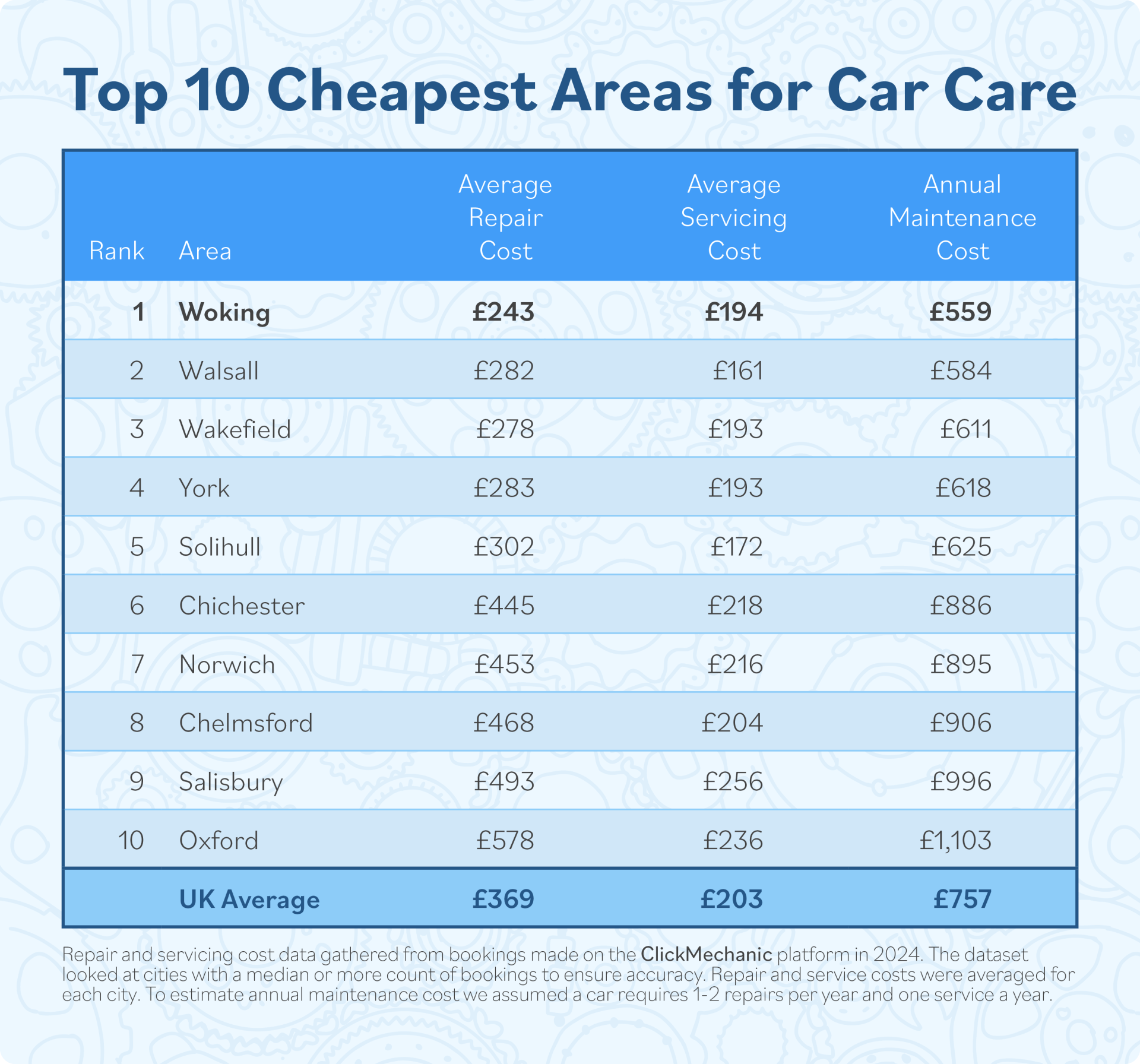
Labor rates vary significantly across different regions and countries. Servicing a car in a major metropolitan area with a high cost of living will invariably be more expensive than in a rural area. These variations account for differences in workshop rent, utility costs, and technician wages.
Scope of Service and Parts Involved
The primary differentiator in cost is the extent of the service. A basic oil change is far cheaper than a full service that includes replacing numerous filters, spark plugs, and potentially brake fluid or coolant flushes.
- Labor Costs: This is usually the largest component of a service bill. It’s calculated based on an hourly rate and the estimated time required for the job. Complex diagnostics or intricate repairs will naturally rack up more labor hours.
- Parts Costs: The cost of replacement parts (oil filter, air filter, fuel filter, spark plugs, brake pads, etc.) varies widely based on brand, quality (genuine OEM vs. aftermarket), and the specific vehicle model.
Deconstructing Average Car Service Expenses
While exact figures are elusive due to the myriad of variables, we can provide general cost ranges to help you budget. These figures are illustrative and can fluctuate based on the factors discussed above.
Typical Costs for Minor/Interim Services
An interim service, focusing on essential fluid and filter changes and basic safety checks, is generally the most affordable type of service.
- What’s Included: Oil change, oil filter replacement, fluid top-ups (coolant, power steering, screen wash), tire pressure check, basic brake and light inspection.
- Average Price Range: Expect to pay between £100 – £250 (or $150 – $350 USD). This can vary based on the type of oil required (synthetic often costs more) and the specific filter types.
Expected Costs for Full/Major Services
A full service is more comprehensive and thus more expensive. It delves deeper into the vehicle’s health and involves more component replacements.
- What’s Included: All items from an interim service, plus air filter replacement, fuel filter replacement (for diesel), spark plug replacement (for petrol), extensive checks of the engine, gearbox, steering, suspension, exhaust, and sometimes brake fluid and coolant changes.
- Average Price Range: These services typically range from £250 – £500 (or $350 – $700 USD). For premium vehicles or those with specific complex requirements, this could extend beyond £700 ($1000 USD).
Understanding Labor vs. Parts in Your Bill
When you receive a service invoice, it’s typically itemized. A significant portion of the cost will be for labor, especially for more extensive services or unexpected repairs. For instance, a major service might have 40-60% of its cost attributed to labor, with the remainder for parts and consumables. For minor services, the parts cost (oil, filter) might be a larger proportion of the total. Always ask for a detailed breakdown to understand where your money is going.
Smart Strategies for Managing and Reducing Car Servicing Costs
While car servicing is a necessary expense, there are intelligent ways to manage and even reduce these costs without compromising safety or vehicle longevity. This requires a proactive and informed financial approach.
Proactive Maintenance and Sensible Driving Habits
The cheapest repair is the one you don’t have to make.
- Regular DIY Checks: Learn to check your own tire pressure, oil level, coolant, and washer fluid. Catching issues early or preventing wear can save on professional service time and component damage.
- Gentle Driving: Aggressive acceleration, harsh braking, and speeding put undue stress on your engine, brakes, and tires, leading to faster wear and tear and increased maintenance needs. Smooth driving extends component life.
- Heed Warning Lights: Don’t ignore dashboard warning lights. They are early indicators of potential problems that can be addressed more cheaply before they escalate.
The Power of Shopping Around and Comparing Quotes
Never settle for the first quote you receive, especially for major services or repairs.
- Get Multiple Estimates: Obtain detailed quotes from 2-3 different reputable garages (dealerships, independent specialists, fast-fit centers). Ensure the quotes are for the same scope of work and parts.
- Online Comparison Tools: Many websites allow you to compare service prices from local garages. Input your car details and desired service, and you’ll receive a range of prices.
- Check Reviews: While price is important, don’t compromise on quality. Look for garages with strong positive reviews for reliability, transparency, and customer service.
The Value Proposition of Independent Garages
For many drivers, independent garages offer the best balance of cost and expertise.
- Lower Overhead, Lower Prices: Independent shops often have lower operational costs than large dealerships, allowing them to offer more competitive labor rates.
- Experienced Technicians: Many independent mechanics are former dealership technicians with years of specialized experience on specific brands, but without the premium price tag.
- Flexibility with Parts: Independent garages are often more flexible in offering options for aftermarket parts, which can be significantly cheaper than genuine OEM parts while still meeting quality standards. Always discuss part options with your mechanic.
Negotiating and Leveraging Service Packages
Don’t be afraid to discuss pricing, especially if you’re a returning customer or bundling services.
- Ask for Discounts: Sometimes, a polite inquiry can lead to a small discount or a waiver on a minor charge.
- Service Plans and Bundles: Many dealerships and larger independent chains offer service plans where you pay a monthly fee, effectively spreading the cost of future services. These can sometimes include discounts or additional benefits.
- Seasonal Offers: Keep an eye out for seasonal promotions, such as discounted air conditioning services in spring or winter safety checks.
The Financial Wisdom of Regular Car Maintenance
Ultimately, the cost of a car service should be viewed through the lens of long-term financial planning. It’s not just about today’s bill, but about protecting a significant asset and avoiding future fiscal shocks.
Protecting Your Investment and Enhancing Resale Value
A car is often the second-largest purchase most people make after a home. Regular servicing directly protects this investment:
- Slower Depreciation: A well-maintained car with a full service history depreciates slower than a neglected one. This means a better return when you eventually sell or trade it in.
- Buyer Confidence: A meticulous service record instills confidence in potential buyers, making your car more attractive and easier to sell at a higher price.
Avoiding Catastrophic and Unbudgeted Repairs
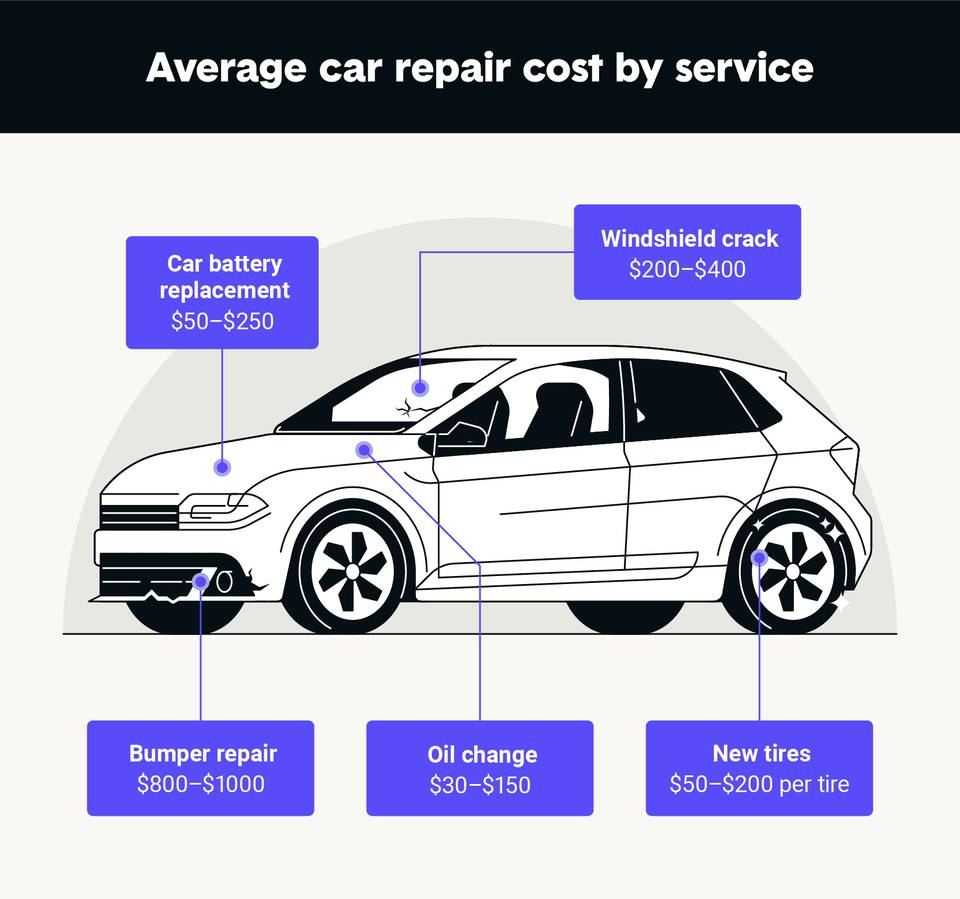
The primary financial benefit of proactive maintenance is its ability to avert much larger, unexpected repair costs. A £300 full service is far preferable to a £3,000 engine overhaul that could have been prevented. By identifying and rectifying small issues early, you avoid the sudden financial strain of major breakdowns.
Budgeting for Automotive Expenses
Incorporate car servicing into your annual financial budget. Treat it as a recurring, predictable expense rather than an unpredictable shock.
- Emergency Fund Allocation: Beyond servicing, maintain a separate emergency fund specifically for car repairs. Even with diligent servicing, unforeseen issues can arise.
- Monthly Savings: If a full service costs, say, £360 per year, aim to save £30 each month into a dedicated “car maintenance” fund. This makes the expense manageable and prevents it from impacting your other financial goals.
In conclusion, understanding “how much does a car service cost” requires a nuanced perspective, blending immediate expense with long-term financial strategy. By being informed about the types of services, the factors influencing costs, and proactive money-saving measures, you can ensure your vehicle remains safe, reliable, and a sound financial asset for years to come. Investing in regular maintenance is not just about keeping your car running; it’s about making a smart financial choice.
aViewFromTheCave is a participant in the Amazon Services LLC Associates Program, an affiliate advertising program designed to provide a means for sites to earn advertising fees by advertising and linking to Amazon.com. Amazon, the Amazon logo, AmazonSupply, and the AmazonSupply logo are trademarks of Amazon.com, Inc. or its affiliates. As an Amazon Associate we earn affiliate commissions from qualifying purchases.