
The question of “how much for medical insurance” is far more complex than a simple dollar figure. It’s a pivotal financial decision affecting millions, influencing personal budgets, long-term financial stability, and access to essential healthcare. Medical insurance is not just a safety net; it’s a critical component of personal finance, designed to mitigate the potentially devastating costs of medical emergencies, ongoing treatments, and routine care. Understanding its cost involves dissecting various factors, from policy types and coverage levels to personal demographics and market dynamics. This article aims to demystify the financial landscape of medical insurance, providing a comprehensive guide to its costs, value, and strategic considerations for managing your healthcare expenditures.
Understanding the Core Components of Health Insurance Costs
Before diving into the variables that influence medical insurance premiums, it’s essential to grasp the fundamental financial terminology that dictates how much you actually pay, both upfront and when you need care. These components collectively form the total financial commitment of your health plan.
Premiums: Your Monthly Obligation
The premium is the most straightforward cost associated with medical insurance – it’s the fixed amount you or your employer pays to the insurance company, typically on a monthly basis, to maintain your coverage. Think of it as your subscription fee for access to the healthcare system through your insurer. Premiums vary widely based on the type of plan, the level of coverage, your age, location, and whether you’re covering an individual or a family. A higher premium often (though not always) correlates with lower out-of-pocket costs when you receive care.
Deductibles: The Initial Out-of-Pocket Threshold
A deductible is the amount of money you must pay out of your own pocket for covered medical services before your insurance plan begins to pay. For example, if your plan has a $3,000 deductible, you are responsible for the first $3,000 in covered medical expenses in a policy year. After you’ve met your deductible, your insurance company starts contributing to your medical bills. Plans with lower monthly premiums often come with higher deductibles, requiring individuals to bear more of the initial costs themselves. This is a crucial financial consideration, especially for those with chronic conditions or anticipated medical needs.
Copayments and Coinsurance: Sharing the Burden
Once your deductible is met, you still might not pay nothing. This is where copayments and coinsurance come into play:
- Copayment (Copay): A fixed amount you pay for a covered healthcare service at the time you receive the service. For example, you might have a $30 copay for a doctor’s visit or a $15 copay for a prescription drug. Copays generally do not count towards your deductible (though some plans may have specific rules).
- Coinsurance: This is a percentage of the cost of a covered healthcare service you pay after you’ve met your deductible. For instance, if your plan has an 80/20 coinsurance, it means your insurer pays 80% of the cost of covered services, and you are responsible for the remaining 20%. This continues until you reach your out-of-pocket maximum.
Out-of-Pocket Maximum: Your Financial Safety Net
The out-of-pocket maximum (or limit) is the most you will have to pay for covered services in a policy year. This includes deductibles, copayments, and coinsurance. Once you hit this limit, your insurance plan pays 100% of the cost of all covered essential health benefits for the remainder of the policy year. This financial safeguard is critical for protecting individuals and families from catastrophic medical expenses resulting from serious illness or injury, offering a cap on their financial exposure.
Factors Influencing Your Insurance Premiums
The variation in medical insurance costs is not arbitrary; it’s the result of several intertwined factors that insurers use to assess risk and set prices. Understanding these determinants is key to making informed financial decisions.
Age and Location: Demographic Determinants
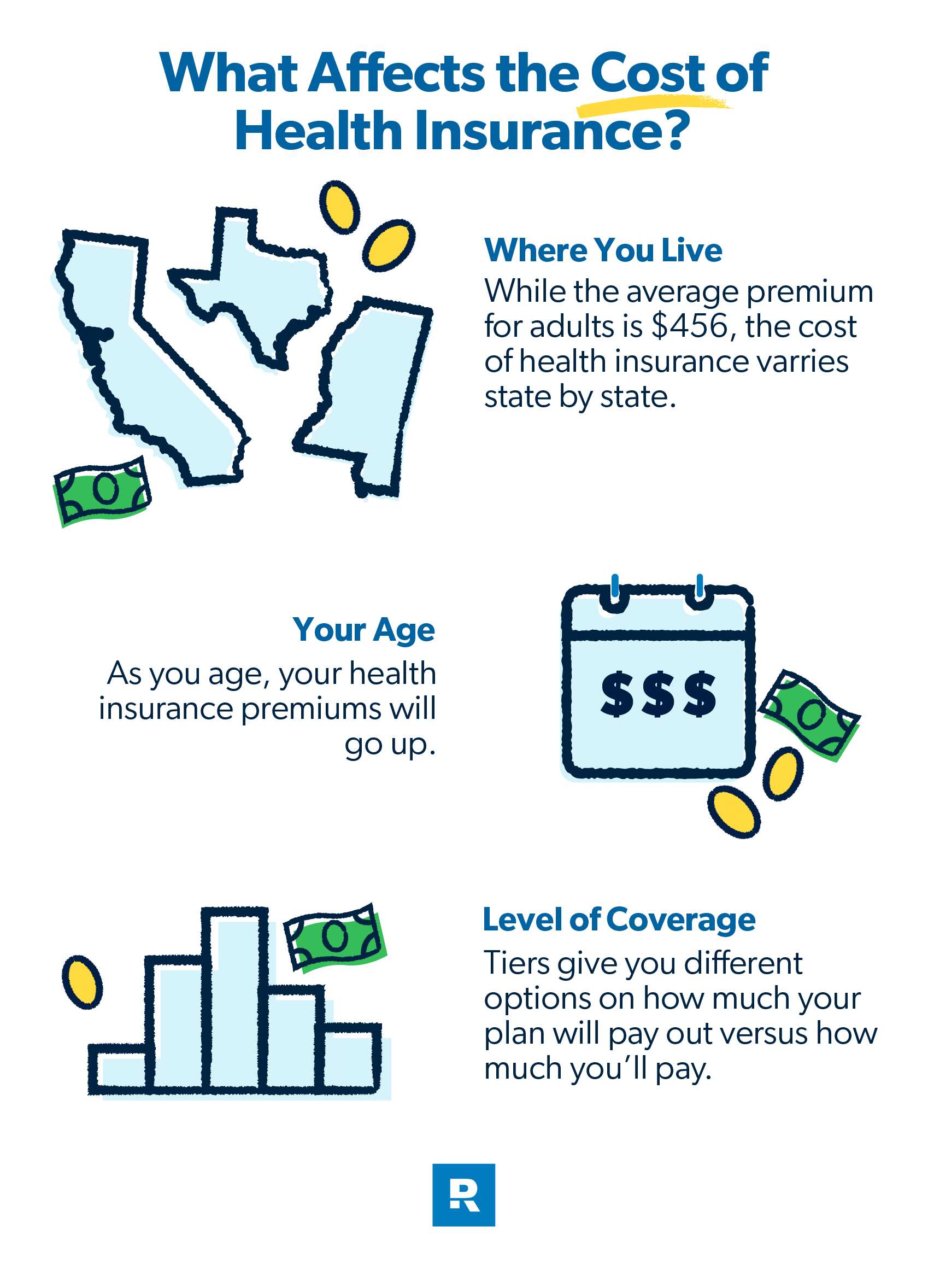
Generally, older individuals pay higher premiums than younger ones because age correlates with a higher likelihood of needing medical care. Insurers are allowed to charge older adults up to three times more than younger adults for the same plan. Your geographic location also plays a significant role, as healthcare costs, provider availability, and local regulations vary widely by state, county, and even zip code. Areas with higher healthcare costs, fewer competitive providers, or specific state mandates will typically see higher insurance premiums.
Plan Type and Coverage Level: From Bronze to Platinum
Health insurance plans are typically categorized by “metal tiers” – Bronze, Silver, Gold, and Platinum – indicating the actuarial value or the percentage of healthcare costs the plan is expected to cover for a standard population:
- Bronze plans: Cover 60% of costs; you pay 40%. Lower premiums, higher deductibles.
- Silver plans: Cover 70% of costs; you pay 30%. Moderate premiums, moderate deductibles. This tier is also where most cost-sharing subsidies are available.
- Gold plans: Cover 80% of costs; you pay 20%. Higher premiums, lower deductibles.
- Platinum plans: Cover 90% of costs; you pay 10%. Highest premiums, lowest deductibles.
Choosing a tier involves a financial trade-off: lower monthly premiums (Bronze) mean higher out-of-pocket costs when you need care, while higher monthly premiums (Platinum) offer more financial protection at the point of service.
Family vs. Individual Coverage: Scaling Costs
The cost of medical insurance significantly increases when you move from individual coverage to family coverage. Adding a spouse or dependents will naturally raise your premium, as the insurer is taking on more risk by covering more individuals. The pricing structure can vary, but generally, each additional person adds to the overall cost, though family plans often offer a slight discount compared to buying separate individual plans for each member.
Provider Network: HMOs, PPOs, EPOs, and POS Plans
The type of network structure your plan uses also impacts cost and access to care:
- HMO (Health Maintenance Organization): Generally lower premiums, but requires you to choose a primary care physician (PCP) who coordinates all your care and refers you to specialists within the network. No coverage for out-of-network care except in emergencies.
- PPO (Preferred Provider Organization): Higher premiums, but offers more flexibility. You don’t need a referral to see a specialist, and you can see out-of-network providers (though at a higher cost).
- EPO (Exclusive Provider Organization): A hybrid between HMO and PPO. You don’t need a referral, but you typically only have coverage for in-network providers, except in emergencies.
- POS (Point of Service): Also a hybrid, allows you to choose between HMO-like (in-network, referrals) and PPO-like (out-of-network, no referrals but higher cost) care each time you need services.
The stricter the network, generally the lower the premium, reflecting the insurer’s ability to manage costs more effectively.
Navigating the Market: Where to Find Coverage
The source of your medical insurance significantly impacts both its cost and the range of options available to you. Understanding these pathways is crucial for financial planning.
Employer-Sponsored Plans: The Most Common Route

For many, medical insurance is a benefit of employment. Employer-sponsored plans typically offer the most cost-effective coverage because employers often subsidize a significant portion of the premiums for their employees (and sometimes dependents). These plans usually offer a choice of PPO, HMO, or other network types, often with competitive benefits. The employer’s contribution reduces the financial burden on the individual, making this a highly desirable and financially advantageous option.
Health Insurance Marketplaces (ACA): Subsidies and Choices
The Affordable Care Act (ACA) established state and federal Health Insurance Marketplaces (exchanges) where individuals and families can purchase plans. These marketplaces are particularly important for those who don’t have access to employer-sponsored insurance, are self-employed, or work for small businesses. A key financial feature of the ACA marketplace is the availability of premium tax credits (subsidies) and cost-sharing reductions. These financial aids are income-based, helping to lower monthly premiums and out-of-pocket costs for eligible individuals and families, making coverage more affordable. Eligibility for subsidies can significantly reduce the “how much” factor for many.
Government Programs: Medicare and Medicaid
- Medicare: Primarily serves individuals aged 65 and older, as well as younger people with certain disabilities and End-Stage Renal Disease. Medicare consists of different parts (A, B, C, D) covering hospital stays, doctor visits, prescription drugs, and more. While not free, its costs (premiums, deductibles, copays) are generally lower than private insurance, especially for those who have paid Medicare taxes throughout their working lives.
- Medicaid: A joint federal and state program that provides healthcare coverage to low-income individuals and families. Eligibility is based on income and family size relative to the federal poverty level. For those who qualify, Medicaid provides comprehensive benefits with very low or no out-of-pocket costs, acting as a crucial safety net for vulnerable populations.
Private Insurance Companies: Direct Enrollment Options
Beyond the ACA marketplace, you can also purchase health insurance directly from private insurance companies. While these plans typically don’t offer the subsidies available through the marketplace, they might appeal to individuals who don’t qualify for subsidies or prefer specific plans or networks not offered on the exchange. Short-term health insurance plans also fall into this category, offering temporary, limited coverage at a lower cost, though they typically don’t cover essential health benefits or pre-existing conditions as mandated by the ACA.
Strategies for Reducing Your Healthcare Insurance Expenses
Managing the financial impact of medical insurance requires a proactive approach. Several strategies can help you control and potentially reduce your overall healthcare costs.
Choosing the Right Plan: Balancing Premiums and Potential Costs
The most crucial step is selecting a plan that aligns with your health needs and financial situation. If you are generally healthy and anticipate minimal medical visits, a high-deductible plan with a lower premium (like a Bronze or high-deductible Silver plan) might save you money annually. Conversely, if you have chronic conditions, require frequent doctor visits, or take expensive prescription drugs, a plan with a higher premium but lower deductible and out-of-pocket maximum (Gold or Platinum) might be more cost-effective in the long run, as it limits your exposure to high medical bills. Always calculate your potential worst-case scenario (hitting the out-of-pocket maximum) for different plans.
Utilizing Health Savings Accounts (HSAs) and Flexible Spending Accounts (FSAs)
These tax-advantaged accounts are powerful financial tools for healthcare expenses:
- Health Savings Account (HSA): Available only with high-deductible health plans (HDHPs), an HSA allows you to save money tax-free for medical expenses. Contributions are tax-deductible, earnings grow tax-free, and withdrawals for qualified medical expenses are tax-free. Unused funds roll over year to year, and the account is portable, making it a valuable long-term savings and investment vehicle.
- Flexible Spending Account (FSA): Offered through employers, an FSA allows you to set aside pre-tax money for qualified medical expenses. While funds generally must be used within the plan year (though some allow a small rollover or grace period), the tax savings can be substantial, effectively lowering the cost of your medical care.
Taking Advantage of Subsidies and Tax Credits
If you purchase insurance through the ACA marketplace, rigorously check your eligibility for premium tax credits and cost-sharing reductions. These income-based subsidies can significantly lower your monthly premium and reduce your deductibles, copayments, and coinsurance, making comprehensive coverage genuinely affordable. Many people overestimate their income or mistakenly believe they won’t qualify, missing out on substantial financial relief.
Preventive Care and Healthy Living
While not directly reducing your premium, investing in preventive care and maintaining a healthy lifestyle can significantly reduce your overall healthcare expenditures in the long term. Regular check-ups, screenings, vaccinations, and lifestyle choices that prevent chronic diseases mean fewer doctor visits, fewer prescription drugs, and a lower likelihood of expensive hospitalizations down the line. Most insurance plans cover preventive services at no cost, making them a wise financial and health investment.
Comparing Plans Annually
Healthcare costs, plan offerings, and your own health needs can change year to year. It’s crucial to review your health insurance options during the annual open enrollment period. Compare your current plan with new offerings on the market, paying close attention to premiums, deductibles, out-of-pocket maximums, and provider networks. A plan that was ideal one year may not be the most financially optimal choice the next.
The Long-Term Value of Medical Insurance
Beyond the immediate financial outlay, medical insurance offers profound long-term value that extends far beyond a simple cost-benefit analysis. Its role in personal finance is often understated but undeniably critical.
Protecting Against Catastrophic Costs
The most significant financial protection medical insurance provides is against catastrophic medical events. A severe accident, a life-threatening illness, or a complex surgery can rack up hundreds of thousands, even millions, of dollars in medical bills. Without insurance, such events can lead to bankruptcy, significant debt, and the depletion of life savings. The out-of-pocket maximum on most plans ensures that even in the face of dire circumstances, there is a financial limit to your personal exposure, offering an invaluable shield against financial ruin.
Access to Timely Medical Care
Beyond crisis management, medical insurance facilitates access to routine and specialized medical care. Knowing you can afford a doctor’s visit, a specialist consultation, or necessary diagnostic tests encourages proactive healthcare management. This early intervention can prevent minor issues from escalating into major, more expensive health problems, ultimately leading to better health outcomes and potentially lower long-term medical costs. It removes the financial barrier that might otherwise delay or prevent necessary medical attention.

Peace of Mind and Financial Security
Perhaps the most intangible yet significant value of medical insurance is the peace of mind it provides. Knowing that you and your family are financially protected against the unpredictable nature of health issues offers immense psychological relief. This security allows individuals to focus on their health and recovery rather than being overwhelmed by the potential for crippling medical debt. It’s an investment in your overall well-being, both physical and financial, securing your future against unforeseen health challenges.
In conclusion, the question “how much for medical insurance” opens a door to a sophisticated financial ecosystem. While the sticker price (premium) is the first consideration, a comprehensive understanding requires delving into deductibles, copayments, coinsurance, and out-of-pocket maximums. By strategically choosing a plan, leveraging available financial tools and subsidies, and prioritizing preventive care, individuals can navigate the complex world of medical insurance, securing both their health and their financial future. It’s not merely an expense; it’s a vital financial instrument for safeguarding against uncertainty and ensuring access to essential care.
aViewFromTheCave is a participant in the Amazon Services LLC Associates Program, an affiliate advertising program designed to provide a means for sites to earn advertising fees by advertising and linking to Amazon.com. Amazon, the Amazon logo, AmazonSupply, and the AmazonSupply logo are trademarks of Amazon.com, Inc. or its affiliates. As an Amazon Associate we earn affiliate commissions from qualifying purchases.