
Common stocks represent the bedrock of modern investing, offering individuals and institutions a direct stake in the growth and profitability of publicly traded companies. More than just a piece of paper or a digital entry, a common stock signifies fractional ownership in a corporation, bestowing upon its holder certain rights and potential benefits. For many, understanding common stocks is the first crucial step in navigating the complex world of personal finance and wealth creation. This article will delve into the fundamental nature of common stocks, exploring their characteristics, how they generate returns, the inherent advantages and disadvantages, and their critical role within a well-diversified investment portfolio.

Understanding the Fundamentals of Common Stocks
At its core, a common stock is a security that represents ownership in a corporation. When you purchase a share of common stock, you become a part-owner of the issuing company, however small your stake may be. This ownership comes with specific rights and responsibilities, distinguishing common stock from other financial instruments like bonds or preferred stock.
Defining Common Stock: A Share of Ownership
Imagine a company like Apple or Microsoft. When these companies needed capital to grow, expand operations, or fund new projects, they divided their ownership into millions or billions of small units called shares. These shares are then sold to the public through stock exchanges. Each share of common stock represents a proportionate claim on the company’s assets and earnings. For example, if a company has 100 million shares outstanding and you own 1,000 shares, you effectively own 0.001% of that company. This direct link to the company’s fortunes is what makes common stock such a powerful and popular investment vehicle. As the company grows and becomes more profitable, the value of your ownership stake—your common stock—tends to increase.
Key Characteristics: Voting Rights and Residual Claims
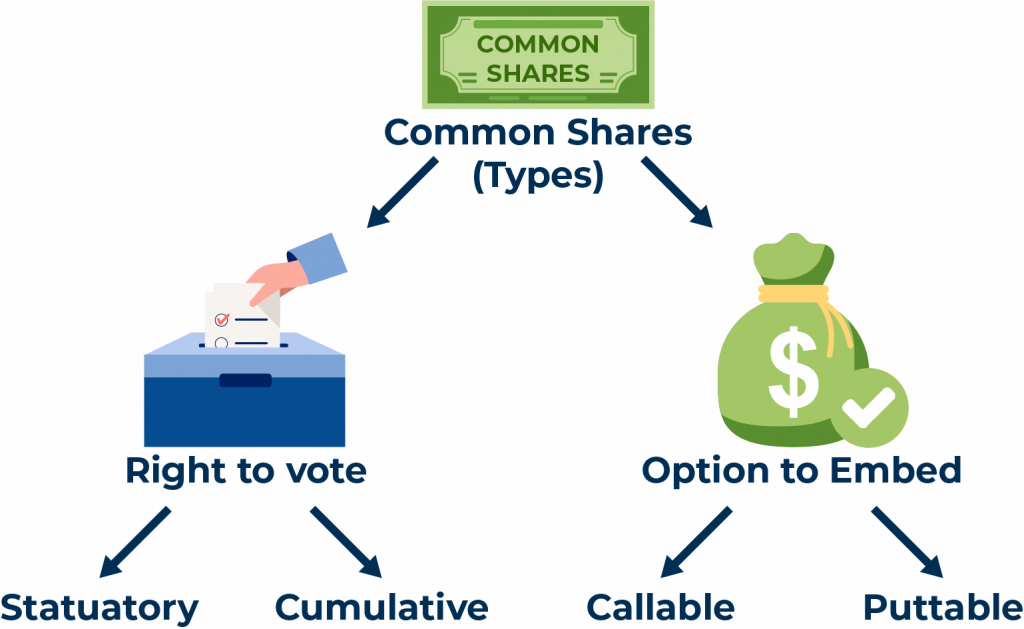
Two defining characteristics set common stocks apart: voting rights and residual claims.
Voting Rights: Common stockholders are typically granted the right to vote on significant corporate matters. This includes electing the company’s board of directors, approving mergers and acquisitions, and other critical decisions that shape the company’s future. While individual retail investors holding a small number of shares may feel their vote has little impact, collectively, shareholder votes influence corporate governance and strategy. These votes are usually exercised at annual shareholder meetings, either in person or by proxy. This democratic aspect ensures that management remains accountable to the owners of the company.
Residual Claims: Common stockholders hold a residual claim on the company’s assets and earnings. This means that in the event of liquidation, common stockholders are the last to be paid after all creditors, bondholders, and preferred stockholders have received their due. While this might seem like a disadvantage, it is precisely why common stocks offer the highest potential for reward. Since their claims are residual, common stockholders are also the primary beneficiaries of a company’s success. After all expenses and obligations are met, any remaining profits belong to the common shareholders, either through retained earnings (which can fund growth and increase stock value) or through dividend distributions. This “last in line” position for payouts is balanced by being “first in line” for long-term growth and prosperity.
The Mechanics of Stock Ownership and Returns
Understanding how common stocks generate returns is crucial for any investor. Unlike a savings account that pays a fixed interest rate, the returns from common stocks are dynamic, influenced by both the company’s performance and broader market sentiment.
How Common Stocks Generate Returns: Dividends and Capital Appreciation
Investors primarily benefit from common stocks through two main avenues:
1. Capital Appreciation: This is arguably the most significant source of returns for common stock investors. Capital appreciation occurs when the market price of a stock increases over time. For instance, if you buy a stock at $50 per share and later sell it for $70 per share, you’ve realized a capital gain of $20 per share. This appreciation is typically driven by a company’s strong financial performance, increased earnings, positive future prospects, innovation, or overall market demand for its shares. As a company grows, becomes more profitable, and enhances its competitive position, investors are often willing to pay more for its stock, reflecting the increased value of the underlying business.
2. Dividends: Many companies distribute a portion of their profits directly to shareholders in the form of dividends. Dividends are typically paid quarterly, though some companies pay monthly, semi-annually, or annually. These payments can be a crucial source of income for investors, particularly those in retirement or seeking passive income streams. Not all companies pay dividends; growth-oriented companies, for example, often reinvest all their earnings back into the business to fuel further expansion, aiming for greater capital appreciation rather than immediate payouts. However, mature, stable companies in established industries are often reliable dividend payers. Dividends can be reinvested to buy more shares, compounding returns over time, or taken as cash income.
The Role of Exchanges and Market Makers
The buying and selling of common stocks primarily occur on stock exchanges, such as the New York Stock Exchange (NYSE) or NASDAQ. These exchanges provide organized, regulated marketplaces where investors can trade securities. The process involves several key players:
Brokers: Investors typically buy and sell stocks through brokerage firms (e.g., Charles Schwab, Fidelity, Robinhood). These firms act as intermediaries, executing trades on behalf of their clients.
Market Makers: Within the exchanges, market makers play a vital role in ensuring liquidity. They continuously stand ready to buy or sell specific stocks, quoting both a “bid” price (the price at which they are willing to buy) and an “ask” price (the price at which they are willing to sell). This ensures that there is always a buyer when someone wants to sell and a seller when someone wants to buy, facilitating smooth trading and tighter spreads between bid and ask prices.
Electronic Trading: Today, most stock trading is electronic, allowing for rapid execution of orders and global access to markets. This technological advancement has democratized investing, making it easier and often cheaper for individual investors to participate.
Advantages and Disadvantages of Investing in Common Stocks
Investing in common stocks offers a unique blend of opportunities and risks. A balanced understanding of both is essential for making informed investment decisions.
Potential for Significant Long-Term Growth
Historically, common stocks have outperformed most other asset classes over the long term, including bonds, real estate, and commodities. This superior performance is largely due to the power of compounding and the ability of well-managed companies to innovate, grow earnings, and expand their market share. By investing in common stocks, individuals can participate directly in the economic growth of nations and the innovation of leading businesses. Over decades, capital appreciation combined with reinvested dividends can lead to substantial wealth accumulation, making stocks a powerful tool for achieving long-term financial goals like retirement or funding education. The equity risk premium, which is the excess return that an individual stock or the overall stock market provides over a risk-free rate, is a testament to this long-term growth potential.
Liquidity and Accessibility
Common stocks are generally considered highly liquid assets. This means they can be easily bought and sold on exchanges, often within seconds, without significantly affecting their price (for most large-cap stocks). This liquidity provides investors with flexibility, allowing them to adjust their portfolios quickly in response to changing financial needs or market conditions. Furthermore, stock markets are highly accessible. With the advent of online brokerage platforms and fractional share investing, individuals can start investing in stocks with relatively small amounts of capital, lowering the barrier to entry for new investors. This accessibility fosters broader participation in financial markets.
Inherent Risks: Volatility and Loss of Capital
Despite their advantages, common stocks are not without significant risks.
Volatility: Stock prices can fluctuate wildly in the short term, influenced by company-specific news, economic data, geopolitical events, and investor sentiment. This volatility means that the value of an investment can decrease rapidly, potentially leading to anxiety for investors. While long-term investors often ride out these short-term fluctuations, short-term traders can face substantial losses if market movements go against their positions.
Loss of Capital: The most significant risk is the potential for permanent loss of capital. If a company performs poorly, faces bankruptcy, or is unable to compete, its stock price can plummet to zero. Unlike bonds, where investors typically get their principal back, there is no guarantee of return for common stock investors. Therefore, thorough research, diversification, and a long-term perspective are critical strategies to mitigate this risk. Investors must understand that past performance is not indicative of future results, and every investment carries a degree of risk.
Common Stocks in a Diversified Investment Portfolio
Integrating common stocks effectively into an investment portfolio requires strategic planning and a clear understanding of personal financial goals and risk tolerance. Common stocks, when used judiciously, can be a powerful engine for portfolio growth.
Balancing Risk and Reward
A fundamental principle of investing is the trade-off between risk and reward. Common stocks typically offer higher potential returns but also come with higher risk compared to safer assets like government bonds or cash. A well-diversified portfolio aims to balance this trade-off by combining different asset classes. This means not putting all your eggs in one basket—investing in a mix of stocks, bonds, real estate, and potentially other assets. Within the stock component, diversification further means investing across various industries, company sizes (large-cap, mid-cap, small-cap), and geographical regions. This strategy helps to reduce specific company or sector risk, as a poor performance in one area can be offset by stronger performance in another. The goal is to maximize returns for a given level of risk or minimize risk for a given level of return.
Long-Term vs. Short-Term Investment Horizons
The time horizon of an investment significantly influences the role of common stocks in a portfolio.
Long-Term Investing: For long-term goals (e.g., retirement, saving for a child’s college education many years away), common stocks are often the preferred asset class. Over extended periods (typically 10+ years), the ups and downs of market volatility tend to smooth out, allowing the inherent growth potential of equities to manifest. A long-term horizon provides the opportunity for compounding returns to work their magic, converting modest initial investments into substantial wealth. Investors with a long-term view can afford to ride out market corrections and bear markets, knowing that historical data suggests recovery and further growth.
Short-Term Investing: For short-term goals (e.g., saving for a down payment on a house next year), common stocks are generally less suitable due to their inherent volatility. The risk of a significant market downturn within a short timeframe could jeopardize the invested capital needed for the immediate goal. For short-term needs, lower-risk assets like money market accounts, certificates of deposit (CDs), or short-term bonds are usually more appropriate, even if they offer lower returns.
Factors Influencing Stock Prices and Market Performance
The price of a common stock is not static; it is a dynamic reflection of various internal and external factors. Understanding these influences can provide investors with a more nuanced perspective on market movements and potential investment opportunities.
Company Performance and Financial Health
The most direct influence on a company’s stock price is its fundamental performance and financial health.
Earnings and Revenue Growth: Companies that consistently grow their revenues and earnings per share (EPS) tend to see their stock prices rise. Strong financial results signal a healthy and expanding business.
Profitability and Margins: High-profit margins and efficient operations indicate a well-managed company that can convert sales into robust profits.
Balance Sheet Strength: A strong balance sheet with low debt and ample cash reserves indicates financial stability and the ability to weather economic downturns.
Management Quality and Innovation: Competent leadership, a clear strategic vision, and a commitment to innovation can drive long-term growth and investor confidence. Conversely, poor management decisions, declining sales, or increasing debt can lead to significant stock price declines. Investors continuously analyze financial statements, earnings reports, and news releases to gauge a company’s health.
Economic Conditions and Sector Trends
Broader macroeconomic factors and specific industry trends also play a crucial role.
Economic Growth: A robust economy typically correlates with higher corporate earnings and increased consumer spending, generally positive for the stock market as a whole. Recessions or slow economic growth can put downward pressure on stock prices.
Interest Rates: Higher interest rates can make borrowing more expensive for companies, potentially slowing growth. They also make fixed-income investments (like bonds) more attractive, drawing capital away from stocks.
Inflation: High inflation can erode corporate profits and consumer purchasing power, negatively impacting stock valuations.
Sector-Specific Trends: Certain sectors may perform better or worse depending on technological advancements, regulatory changes, demographic shifts, or global events. For example, a surge in oil prices might benefit energy stocks but hurt industries reliant on cheap fuel.

Investor Sentiment and Market Psychology
Beyond fundamentals and economics, human psychology and sentiment heavily influence stock prices.
Fear and Greed: These two powerful emotions often drive market bubbles and crashes. During periods of irrational exuberance (greed), stock prices can be pushed far beyond their intrinsic value. Conversely, during periods of panic (fear), good companies’ stocks can be oversold.
News and Media: Financial news, analyst reports, and social media can significantly impact investor perceptions and short-term trading decisions. A positive news story can send a stock soaring, while negative news can cause a rapid decline.
Technical Analysis: Many traders use technical analysis, studying historical price movements and trading volumes, to predict future price trends, which can also influence buying and selling behavior.
In conclusion, common stocks are a vital component of the financial landscape, offering unparalleled opportunities for wealth creation through ownership in dynamic businesses. While they carry inherent risks, a thorough understanding of their characteristics, drivers of return, and appropriate integration into a diversified, long-term portfolio can empower investors to achieve their financial aspirations.
aViewFromTheCave is a participant in the Amazon Services LLC Associates Program, an affiliate advertising program designed to provide a means for sites to earn advertising fees by advertising and linking to Amazon.com. Amazon, the Amazon logo, AmazonSupply, and the AmazonSupply logo are trademarks of Amazon.com, Inc. or its affiliates. As an Amazon Associate we earn affiliate commissions from qualifying purchases.