
The term “stock market crash” frequently conjures images of economic despair, frantic selling, and profound financial loss. It’s a phrase often tossed around in media headlines and casual conversation, sometimes inaccurately, leading to confusion and unnecessary panic among investors. While any significant downturn in the market can feel alarming, not every dip, correction, or bear market qualifies as a true “crash.” Understanding the precise characteristics and contextual factors that define a stock market crash is crucial for both seasoned investors and financial novices alike. This article delves into the nuances of what constitutes a crash, exploring its quantitative and qualitative dimensions, historical precedents, underlying causes, and the broader implications for the global economy and individual investors.
Defining a Stock Market Crash: Beyond Just a Dip
To truly understand what qualifies as a stock market crash, we must move beyond anecdotal observations and into a more structured definition that considers both the magnitude and the speed of market declines. It’s a severe and sudden drop, distinct from other, less drastic market movements.
The Quantitative Threshold: What Constitutes a Crash?
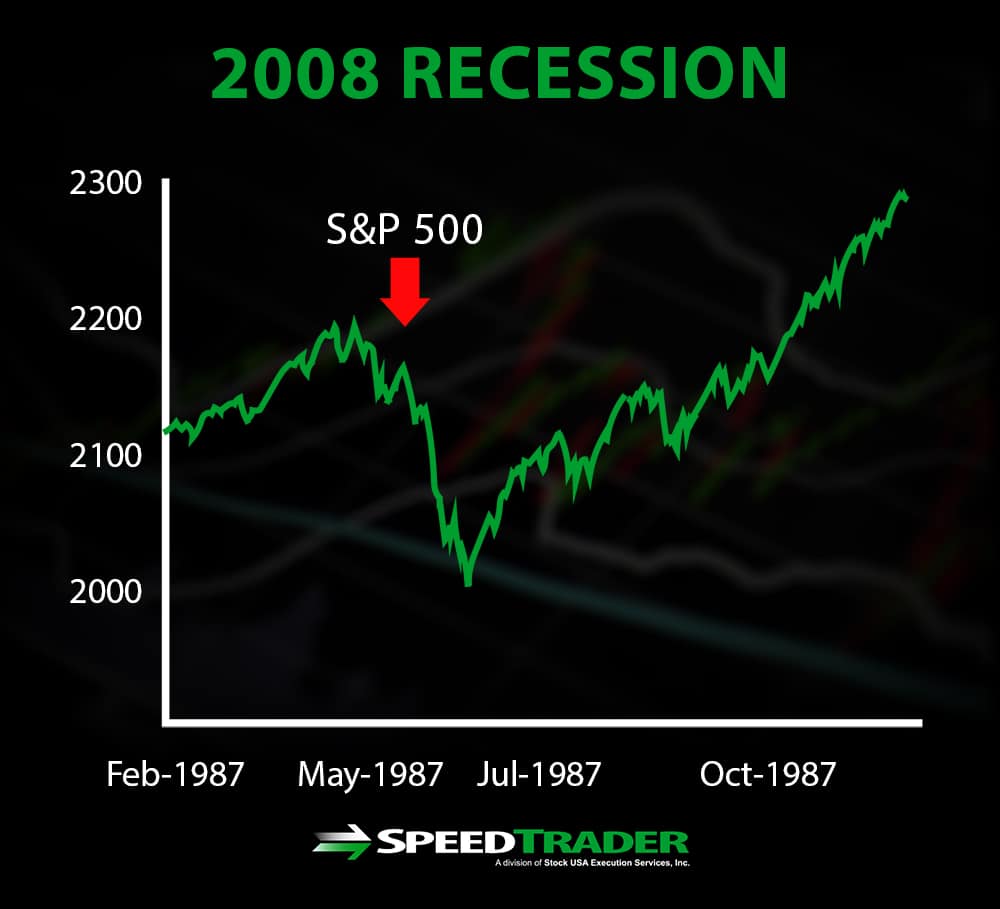
While there’s no universally agreed-upon, single-percentage definition etched in stone, most financial experts and economists generally concur that a stock market crash involves a rapid and significant percentage decline in major market indices over a very short period. Typically, this implies a drop of 20% or more within a few days or weeks, often even within a single trading day, for a specific index like the S&P 500 or Dow Jones Industrial Average. The speed of the decline is paramount; it’s not just the depth but how quickly that depth is reached. For instance, Black Monday in 1987 saw the Dow Jones Industrial Average plummet by 22.6% in a single day, an undeniable crash. The COVID-19-induced market plunge in March 2020 saw the S&P 500 drop by over 30% in just a few weeks, also fitting the criteria.
Distinguishing Crashes from Corrections and Bear Markets
It’s essential to differentiate a crash from other common market downturns to avoid misinterpretation and manage expectations.
- Market Correction: A correction is a decline of 10% or more from a recent peak in a stock index or individual asset. Corrections are relatively common and can be healthy, helping to reset market valuations. They are typically short-lived, lasting weeks or a few months, and usually resolve without devolving into a prolonged downturn.
- Bear Market: A bear market is characterized by a sustained and prolonged decline in market prices, typically defined as a drop of 20% or more from recent highs. Unlike a crash, a bear market unfolds over a longer period, often months or even years. While a crash can initiate a bear market, the crash itself is the acute, rapid phase. Bear markets are driven by underlying economic weakness, such as recessions, and are often accompanied by widespread investor pessimism.
- Stock Market Crash: A crash is an abrupt, steep, and often unexpected collapse in stock prices, frequently triggered by a specific event or series of events that ignite widespread panic selling. The key differentiators are the speed and severity of the decline. Crashes are characterized by a sudden loss of confidence, often leading to a “domino effect” as investors liquidate holdings en masse.
The Role of Speed and Severity
The distinguishing factor for a crash is not just the total percentage drop, but the velocity at which it occurs. A 20% decline spread over a year might be a bear market, but a 20% decline in a day or a week is a crash. This rapid descent often overwhelms market mechanisms, triggers circuit breakers, and fuels a sense of urgency and fear that can exacerbate the selling pressure. The psychological impact of such a swift decline is profound, often leading to irrational decisions and a breakdown in normal market functioning.
Common Triggers and Underlying Causes of Market Crashes
Stock market crashes are rarely isolated events; they are typically the culmination of various economic, financial, and psychological factors. Identifying these underlying causes helps us understand the conditions that precede such dramatic market dislocations.
Economic Bubbles and Overvaluation
One of the most frequent precursors to a market crash is the formation and subsequent bursting of an economic bubble. A bubble occurs when asset prices rise rapidly and significantly above their intrinsic value, often driven by speculative buying rather than fundamental growth. Examples include the dot-com bubble of the late 1990s, where technology stocks were valued extraordinarily high without corresponding profits, and the U.S. housing bubble of the mid-2000s, which led to the 2008 financial crisis. When these bubbles inevitably burst, the rapid correction of overvalued assets can trigger widespread selling and a market crash.
Geopolitical Events and Global Crises
External shocks can also serve as potent catalysts for market crashes. Major geopolitical events such as wars, terrorist attacks, or significant political instability can sow uncertainty and undermine investor confidence, leading to a flight to safety and a sell-off in riskier assets like stocks. Similarly, global crises such as pandemics (e.g., COVID-19 in 2020), natural disasters affecting critical economic regions, or commodity price shocks (e.g., oil crises) can disrupt supply chains, reduce demand, and depress corporate earnings, thus precipitating market downturns.
Systemic Financial Fragilities
Sometimes, the seeds of a crash are sown within the financial system itself. Excessive leverage, complex and opaque financial instruments, inadequate regulation, or a lack of transparency can create systemic vulnerabilities. The subprime mortgage crisis and the subsequent collapse of institutions like Lehman Brothers in 2008 exposed the interconnectedness of global finance and how a problem in one sector (housing) could rapidly contaminate the entire system, leading to a worldwide financial crisis and stock market crash.
Investor Psychology: Panic and Herd Mentality
While economic fundamentals and external events provide the initial spark, investor psychology often plays a critical role in transforming a downturn into a full-blown crash. Fear and panic can become self-fulfilling prophecies. As prices fall, more investors become nervous, leading them to sell their holdings, which further drives down prices, creating a vicious cycle. This “herd mentality,” where individuals follow the actions of a larger group, can amplify market movements and push prices far below their intrinsic value during a crash. The emotional rather than rational decision-making of a large segment of the market can be a powerful accelerant.
Historical Perspectives: Notable Stock Market Crashes
Examining past market crashes provides invaluable insights into their causes, characteristics, and aftermath. Each event, while unique, offers lessons on market dynamics and investor behavior.
The Great Depression and Black Tuesday (1929)
Perhaps the most famous market crash, “Black Tuesday” on October 29, 1929, saw the Dow Jones Industrial Average drop 12%. This event was not just a single-day crash but followed several days of heavy selling and marked the beginning of the Great Depression. Fueled by widespread speculation, margin buying, and an unregulated banking system, the crash had devastating long-term economic consequences globally.
Black Monday (1987): A Flash Crash Precedent
On October 19, 1987, the Dow Jones Industrial Average plummeted an astounding 22.6% in a single day, the largest one-day percentage drop in stock market history. The crash was largely attributed to newly introduced computer trading programs (program trading), illiquidity, and a rapid feedback loop of selling. Despite the severity, the economy itself did not enter a recession, and the market recovered relatively quickly, highlighting the distinct nature of a pure market crash versus an economic crisis.
The Dot-Com Bubble Burst (2000)

Following years of excessive speculation in technology and internet-related companies, the Nasdaq Composite index, rich with tech stocks, peaked in March 2000 and then rapidly declined, losing nearly 78% of its value by October 2002. While not a single-day crash like 1987, the extended and deep decline in a major segment of the market caused significant wealth destruction and contributed to a mild recession.
The Global Financial Crisis (2008)
Triggered by the collapse of the U.S. housing market and complex mortgage-backed securities, the 2008 crisis saw major stock indices around the world suffer steep declines. The S&P 500 fell over 50% from its peak in 2007 to its trough in March 2009. This crash was rooted in systemic financial vulnerabilities and led to a severe global recession, necessitating massive government interventions and regulatory reforms.
The COVID-19 Market Plunge (2020)
In March 2020, as the reality of the COVID-19 pandemic and its potential economic impact set in, global stock markets experienced one of the fastest declines in history. The S&P 500 dropped by more than 30% in just over a month. This crash was a direct response to an unprecedented global health crisis and the immediate cessation of economic activity. However, due to swift and massive fiscal and monetary stimulus from governments and central banks, the market also saw one of the fastest recoveries.
The Broader Impact and Aftermath of a Market Crash
The repercussions of a stock market crash extend far beyond the trading floor, affecting individuals, businesses, and economies worldwide.
Economic Recession and Job Losses
Crashes often correlate with, or precede, economic recessions. The destruction of wealth, reduced consumer confidence, and tightening credit markets can lead to decreased spending, reduced investment, and ultimately, job losses as businesses cut back. The 2008 crisis, for example, plunged the global economy into a deep recession, with widespread unemployment.
Wealth Destruction and Investor Confidence
For individuals, a crash can wipe out significant portions of retirement savings, investment portfolios, and overall net worth. This immediate wealth destruction can severely impact consumer confidence and spending habits, further exacerbating economic downturns. It also erodes trust in financial markets, making some investors hesitant to re-enter.
Regulatory Changes and Policy Responses
In the wake of severe crashes, governments and regulatory bodies often implement new rules and policies aimed at preventing future crises. The Securities and Exchange Commission (SEC) introduced circuit breakers after Black Monday 1987 to halt trading during sharp declines. The Dodd-Frank Act was enacted after the 2008 crisis to reform the financial system. These responses aim to increase market stability and protect investors.
Opportunities for Long-Term Investors
While devastating in the short term, market crashes can present unique opportunities for long-term investors. When quality assets are sold off indiscriminately, they can become significantly undervalued. For those with capital and a long-term perspective, buying during a crash or its immediate aftermath can lead to substantial returns once the market eventually recovers.
Navigating a Stock Market Crash: Strategies for Investors
Experiencing a stock market crash can be frightening, but a well-informed and disciplined approach can help mitigate losses and even uncover opportunities.
The Importance of Diversification
Holding a diversified portfolio across different asset classes (stocks, bonds, real estate, commodities), industries, and geographies is crucial. Diversification helps reduce the impact of any single asset class or sector performing poorly during a downturn. While diversification doesn’t guarantee profits or protect against all losses, it can significantly smooth out portfolio volatility.
Maintaining a Long-Term Perspective
Perhaps the most critical strategy during a crash is to maintain a long-term outlook. Historically, stock markets have always recovered from every crash and correction, eventually reaching new highs. Panicking and selling off investments at the bottom locks in losses and prevents participation in the subsequent recovery. Investors with a horizon of several years or decades are better positioned to ride out the volatility.
Rebalancing and Dollar-Cost Averaging
- Rebalancing: Periodically adjusting your portfolio back to its target asset allocation can be beneficial. During a crash, assets like bonds might perform better than stocks, becoming a larger portion of your portfolio. Rebalancing would involve selling some bonds and buying more stocks, effectively buying low.
- Dollar-Cost Averaging: This strategy involves investing a fixed amount of money at regular intervals, regardless of market conditions. During a crash, your fixed investment buys more shares at lower prices, reducing your average cost over time and setting you up for greater gains when the market recovers.
Having an Emergency Fund
A robust emergency fund, covering 3-6 months (or more) of living expenses, is essential. This cash reserve ensures that you don’t have to sell your investments at depressed prices during a market downturn to cover unexpected expenses or job loss, allowing your portfolio time to recover.

Avoiding Panic Selling
The instinct to sell when the market is crashing is strong, driven by fear. However, succumbing to panic selling is often the worst decision an investor can make. Market bottoms are rarely identifiable in real-time, and selling in a panic almost guarantees locking in losses and missing out on the initial stages of a recovery, which can be swift and significant. Sticking to your investment plan and focusing on your long-term goals is paramount.
In conclusion, a stock market crash is a severe and rapid decline in market indices, often 20% or more, occurring over a short period. It is distinct from corrections and bear markets primarily by its speed and the panic it instills. While painful and economically disruptive, understanding crashes, their causes, and appropriate investor responses is key to navigating the inevitable cycles of the financial markets successfully.
aViewFromTheCave is a participant in the Amazon Services LLC Associates Program, an affiliate advertising program designed to provide a means for sites to earn advertising fees by advertising and linking to Amazon.com. Amazon, the Amazon logo, AmazonSupply, and the AmazonSupply logo are trademarks of Amazon.com, Inc. or its affiliates. As an Amazon Associate we earn affiliate commissions from qualifying purchases.