
The aviation industry is a fiercely competitive arena where brands battle for market share, customer loyalty, and a positive public image. For Spirit Airlines, a name synonymous with ultra-low-cost travel, the battle often seems to be an uphill one, plagued by a persistent reputation for being “bad.” This article delves into the brand strategy pitfalls and operational challenges that have cemented Spirit’s contentious image, exploring how its unique business model, customer experience, and communication practices have collectively contributed to a narrative of dissatisfaction and mistrust. From the perspective of brand management, we will dissect the strategic decisions and their consequences, offering insights into why this airline frequently finds itself at the receiving end of consumer ire.
The Unbundling Paradox: A Brand Strategy Under Fire
Spirit Airlines built its brand on the promise of exceptionally low base fares, an appealing proposition for budget-conscious travelers. However, this strategy is underpinned by a rigorous unbundling model, where virtually every amenity beyond the seat itself—from carry-on bags and checked luggage to seat selection, bottled water, and even printing a boarding pass at the airport—incurs an additional fee. While financially sound for the airline, this approach has created a significant disconnect between initial customer expectations and the actual cost of travel, severely impacting brand perception and customer trust.
The Illusion of Low Fares: Eroding Trust
The core of Spirit’s branding challenge lies in the perception of deception surrounding its pricing. Customers are initially drawn in by advertised fares that appear significantly lower than competitors. However, as they proceed through the booking process or encounter the flight experience, they are confronted with a litany of charges for services typically included by other airlines. This “nickel-and-diming” strategy, while transparent in its disclosures according to regulatory standards, often feels disingenuous to the average consumer. The discrepancy between the advertised base price and the final “all-in” cost creates a feeling of being misled, directly eroding trust, a foundational element of any strong brand.
Brand equity is built on consistent positive experiences and adherence to a clear value proposition. When the value proposition—”low fares”—is perceived as an initial bait-and-switch, it fosters skepticism rather than loyalty. Customers begin to associate the Spirit brand not with affordability, but with hidden costs and unpleasant surprises. This negative association permeates the customer journey, making every interaction a potential source of frustration, regardless of how clearly the fees are outlined in the fine print. The brand’s messaging, however effective at driving initial clicks, ultimately fails to deliver a transparent and genuinely low-cost experience for many, leading to widespread dissatisfaction.
Fee Fatigue: A Barrier to Brand Loyalty
The cumulative effect of numerous ancillary fees often results in “fee fatigue” among customers. Each additional charge, no matter how small, adds a layer of friction to the travel experience. For a brand aiming to cultivate repeat business and foster loyalty, this friction is counterproductive. Instead of feeling empowered by choices, customers often feel penalized for standard travel needs. This creates a psychological barrier, where the act of booking or flying with Spirit becomes mentally taxing, a continuous exercise in vigilance against unexpected expenses.
Brand loyalty is cultivated when customers perceive consistent value, reliability, and a positive overall experience. When the financial experience is characterized by constant vigilance and a feeling of being exploited, loyalty becomes an unattainable goal. Customers may choose Spirit out of necessity (e.g., it’s the only direct flight or significantly cheaper initial fare), but rarely out of genuine preference or affection for the brand. This transactional relationship, devoid of emotional connection, leaves the brand vulnerable to any competitor offering a more straightforward or perceived fairer pricing structure. The brand fails to move beyond being a last resort for many, hindering its ability to build a robust and loyal customer base.
Communication Breakdown: Setting Misleading Expectations
Effective brand communication is about more than just conveying information; it’s about managing expectations and building a narrative that resonates positively with the target audience. Spirit’s communication, while legally compliant in its disclosure of fees, often falls short in proactively managing customer expectations in a way that prevents frustration. The emphasis in advertising remains heavily on the low base fare, without adequately preparing customers for the true financial implications of their choices. This creates an expectation gap that is often filled with disappointment.
From a brand perspective, it’s not enough to simply state the facts; a brand must also guide the customer toward a positive understanding of those facts. When a customer arrives at the gate only to be surprised by an exorbitant charge for an oversized carry-on, it’s not just a financial transaction; it’s a breakdown in the brand’s promise of a smooth travel experience. The lack of empathetic communication, or the perceived lack of effort to simplify the cost structure for the average traveler, contributes significantly to the brand’s image as difficult and customer-unfriendly. This failure to proactively educate and manage expectations transforms potential positive customer experiences into common negative anecdotes that spread through word-of-mouth and social media, further tarnishing the brand’s reputation.
Operational Inconsistencies: Damaging Brand Reliability
Beyond the pricing strategy, Spirit’s brand image is heavily impacted by its operational performance, particularly concerning flight reliability and customer service during disruptions. In the competitive airline industry, punctuality, safety, and efficient problem resolution are non-negotiable elements of brand reliability. Frequent delays, cancellations, and perceived inadequate responses to these issues directly undermine Spirit’s credibility and amplify negative customer sentiment.
Punctuality and Dependability: Core Brand Promises
Airlines, regardless of their price point, fundamentally promise to transport passengers from point A to point B safely and, ideally, on time. When an airline consistently underperforms on punctuality, as Spirit often does, it directly contradicts a core brand promise of dependability. Frequent delays and cancellations, often attributed to factors like aircraft maintenance issues or crew availability—challenges that every airline faces but some manage more effectively—signal operational inefficiencies and a lack of preparedness.
From a brand perspective, reliability is a cornerstone of trust. When a brand consistently fails to deliver on this basic expectation, it erodes the implicit contract with its customers. Travelers, particularly those on a tight schedule or with connecting flights, choose an airline not just for its price, but for its perceived ability to get them to their destination without undue stress. When Spirit fails in this regard, the impact goes beyond mere inconvenience; it triggers a deep sense of frustration and helplessness, feelings that become intrinsically linked to the Spirit brand. This consistent operational vulnerability makes it difficult for the brand to ever be seen as a reliable choice, even if the price is right.
Customer Service Failures: The Human Face of the Brand
Customer service interactions are critical touchpoints where a brand’s values are put to the test. For Spirit, anecdotes of poor customer service during operational disruptions are widespread. When flights are delayed or canceled, the manner in which airline staff communicate with and assist stranded passengers can either mitigate or exacerbate negative sentiment. Reports frequently describe unhelpful agents, long wait times, and a general lack of empathy, transforming stressful situations into infuriating experiences.
Every interaction with airline personnel is an opportunity to reinforce or damage the brand. When staff are perceived as unhelpful or uncaring, it reflects poorly on the entire organization and its commitment to its customers. The human element of the brand, intended to provide reassurance and solutions, instead becomes a source of additional frustration. This creates a significant brand liability, as negative experiences with staff are highly memorable and frequently shared, contributing to the airline’s “bad” reputation. Investing in robust training, empowerment, and adequate staffing for customer service is not merely an operational cost; it is a critical investment in brand equity and customer relationship management. Without it, the brand struggles to recover from inevitable operational setbacks.
Handling Disruptions: A Test of Brand Resilience
How an airline handles unforeseen disruptions—be it weather, mechanical issues, or air traffic control delays—is a critical test of its brand resilience and its commitment to customer welfare. Spirit’s brand image is often negatively impacted by its perceived lack of contingency planning and limited resources for reaccommodation during major disruptions. With a lean operational model designed to maximize efficiency and minimize costs, the airline often struggles to quickly recover from significant setbacks, leading to cascading delays and cancellations that impact a large number of passengers.
This inability to recover gracefully during disruptions is not just an operational flaw; it is a brand crisis. When passengers are left without clear information, alternative travel options, or adequate compensation for lengthy delays or overnight stays, the brand is perceived as abandoning its responsibilities. This lack of robust crisis management reflects poorly on the brand’s integrity and its implicit promise of care for its passengers. While all airlines face disruptions, a brand’s ability to minimize passenger suffering and restore confidence quickly is what differentiates the strong from the weak. For Spirit, consistent struggles in this area contribute significantly to its negative brand equity and reinforces the perception that the airline prioritizes cost-cutting over customer well-being.
The Spartan Experience: A Deliberate, Yet Divisive, Brand Image
Spirit Airlines has intentionally cultivated a “no-frills” or “bare-bones” brand image, offering a stripped-down travel experience to keep base fares low. This deliberate strategy, while appealing to a specific segment of the market, inevitably creates a divisive customer base. For many, the lack of amenities and comfort, coupled with the intricate fee structure, translates into a profoundly unsatisfactory experience, feeding into the perception that the airline is “bad.”
Comfort vs. Cost: Defining the Value Proposition
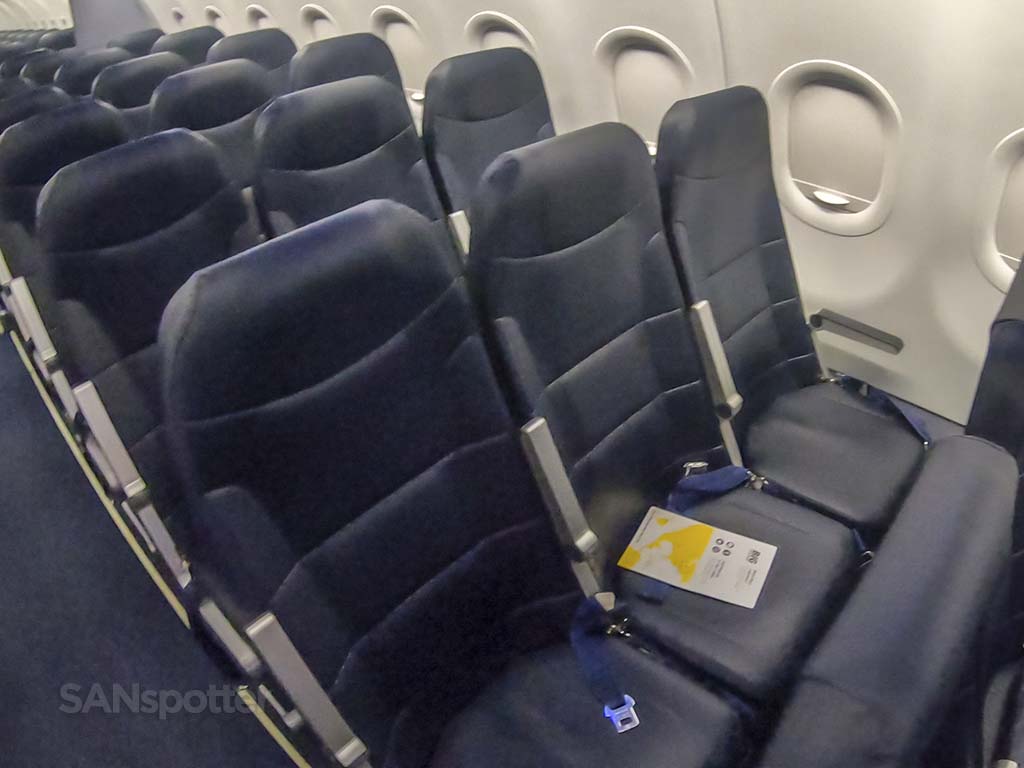
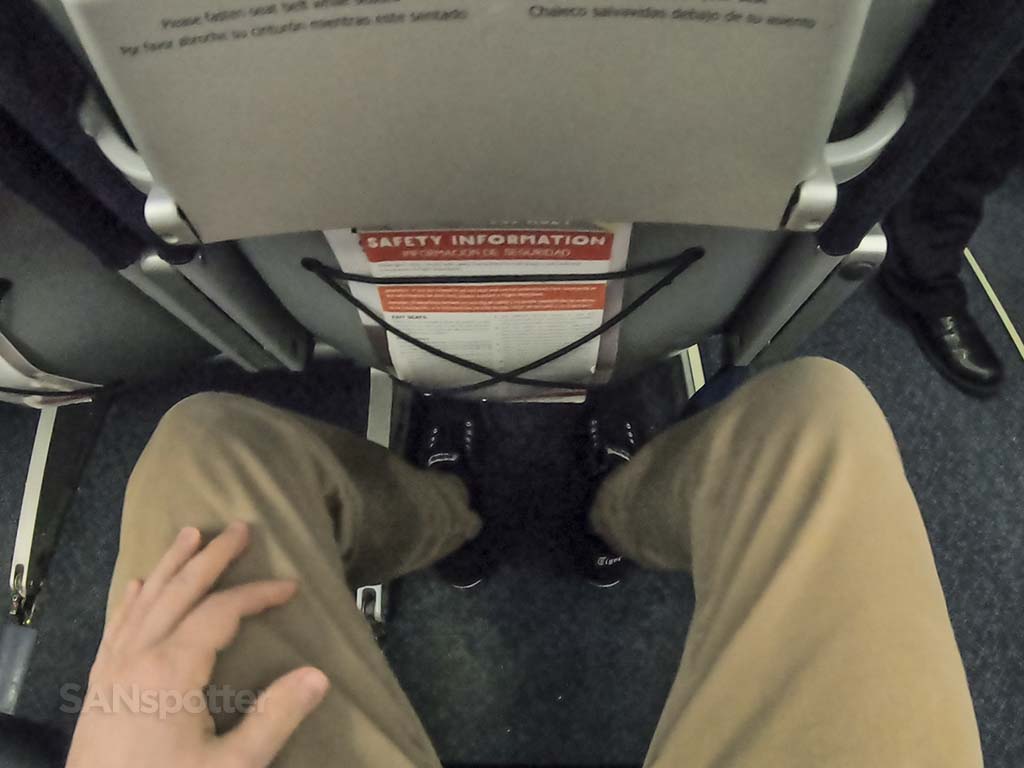
Spirit’s brand promise is explicitly about trading comfort and amenities for cost savings. This means seats are typically narrower, have minimal recline, and often lack in-flight entertainment or power outlets. While this is a clear part of their value proposition, the execution of this “spartan” experience often pushes the boundaries of acceptable comfort for many travelers, even those on a budget. The physical discomfort, especially on longer flights, becomes a tangible negative experience directly associated with the Spirit brand.
From a branding perspective, while defining a niche is crucial, there’s a fine line between a focused value proposition and one that alienates a significant portion of potential customers. Spirit’s deliberate choice to minimize physical comfort, coupled with the emotional discomfort of navigating fees, creates a brand experience that, for many, is simply not worth the perceived savings. The brand struggles to convince a broader audience that the trade-off is truly advantageous, leading to a perception that it’s not just “no-frills,” but actively uncomfortable and inconvenient. This deliberate choice impacts not just the physical experience, but also the emotional journey of the customer, often tipping towards regret rather than satisfaction.
Amenities as Brand Differentiators: Or Lack Thereof
In a crowded market, amenities can serve as powerful brand differentiators. For Spirit, the absence of amenities is itself a differentiator, but one that often works against its overall brand perception. While other airlines compete on factors like seat pitch, Wi-Fi availability, or complimentary snacks, Spirit champions their removal. This strategy, while cost-efficient, positions the brand at the very bottom of the convenience and comfort spectrum, making it a brand of last resort rather than first choice for many.
This minimalist approach means that the brand sacrifices opportunities to create positive micro-experiences for customers. A complimentary drink or a comfortable seat, while seemingly small, can significantly enhance the perceived value of a flight and foster positive brand associations. By removing these, Spirit focuses solely on the transactional aspect of travel, leaving little room for delight or even basic satisfaction. The brand essentially relies on its price point as its sole differentiator, which is a fragile position when competitors can occasionally match or offer a slightly higher price for a vastly superior experience. The lack of amenities thus becomes a symbol of the brand’s perceived cheapness, not just in price, but in quality and customer care.
Target Audience Segmentation: Risks and Rewards
Spirit’s brand strategy clearly targets a segment of travelers for whom price is the overwhelming determinant, often individuals with extreme budget constraints or those making very short, infrequent trips. This focused approach has allowed them to carve out a profitable niche. However, the risk inherent in such a narrow segmentation is that it alienates a vast majority of the flying public who prioritize a balance of cost, comfort, and reliability.
While niche targeting can be powerful, Spirit’s brand positioning is so extreme that it invites widespread negative sentiment from those outside its core demographic. The “why Spirit is so bad” narrative is often driven by customers who, perhaps unknowingly or out of limited options, fly Spirit despite not being their ideal target. When these customers encounter the unbundled fees, discomfort, and service issues, their negative experiences are amplified because their expectations were fundamentally misaligned with the brand’s actual offering. This creates a powerful negative word-of-mouth effect that extends far beyond the intended target audience, polluting the broader perception of the brand. The brand’s reward (loyal budget travelers) comes with the significant risk of being widely perceived as a substandard option by the mainstream, thus limiting its growth and broader appeal.
Erosion of Brand Equity: Long-Term Consequences
The cumulative effect of Spirit Airlines’ pricing strategy, operational performance, and customer experience has led to a significant erosion of its brand equity. Brand equity, a measure of a brand’s value to its customers and its market, is built on reputation, trust, and perceived quality. For Spirit, persistent negative sentiment and a reputation for being “bad” pose long-term challenges for customer retention, market expansion, and overall brand health.
Word-of-Mouth and Social Media: Amplifying Negative Sentiment
In the digital age, brand reputation is significantly shaped by word-of-mouth and social media discourse. Spirit Airlines frequently finds itself as a prime example in discussions about terrible travel experiences, hidden fees, and customer service nightmares. Viral anecdotes, online reviews, and social media posts often amplify individual negative experiences, turning them into widely recognized patterns associated with the brand. This public airing of grievances serves as a powerful deterrent for potential new customers and reinforces existing negative perceptions.
Brand managers understand that social proof, whether positive or negative, heavily influences consumer decisions. When an overwhelming amount of social proof points to a brand being “bad,” it creates a self-fulfilling prophecy. Potential customers, after seeing numerous warnings and complaints, are either deterred entirely or approach the brand with extreme caution and low expectations, making it even harder for the brand to deliver a satisfactory experience. This continuous cycle of negative amplification makes it incredibly difficult for Spirit to pivot its brand image or attract customers beyond its most price-sensitive segment, trapping it in a cycle of reputational damage.
Customer Retention Challenges: The Cost of Dissatisfaction
A core objective of brand strategy is to foster customer loyalty and retention. For Spirit, the pervasive dissatisfaction and negative brand image directly translate into significant customer retention challenges. Many travelers who fly Spirit do so out of necessity rather than choice, often vowing never to return after a frustrating experience. This high churn rate means the brand is constantly expending resources to acquire new customers, rather than benefiting from the cost efficiencies and revenue stability that come with a loyal customer base.
The cost of customer acquisition is significantly higher than the cost of customer retention. When a brand struggles to retain customers due to poor perception and dissatisfaction, it incurs continuous marketing and sales expenses to replace those who leave. This undermines long-term profitability and makes it harder for the brand to invest in improvements that could enhance customer experience. The cycle of flying Spirit once, having a bad experience, and then avoiding it, creates a transient customer base that limits the brand’s ability to build lasting relationships or cross-sell other services. This fundamental flaw in customer relationship management, driven by its brand image, is a significant impediment to sustainable growth.
Reputational Damage: Impact on Future Growth
Ultimately, the persistent “bad” reputation of Spirit Airlines represents significant reputational damage that impacts its future growth potential. A tarnished reputation can make it harder to attract new markets, form strategic partnerships, or even recruit top talent. While the airline has found a niche, its widespread negative perception limits its ability to evolve, expand, or diversify its services without facing immediate skepticism and resistance.
For any brand, reputation is a valuable asset. For Spirit, that asset has been significantly depreciated. Rebuilding a positive reputation would require a substantial shift in brand strategy, operational priorities, and customer communication, along with significant long-term investment. This would mean not just addressing the symptoms (e.g., specific fees or delays) but fundamentally re-evaluating the brand’s core value proposition and how it delivers on its promises. Without such a concerted effort, the Spirit brand risks remaining perpetually associated with negative experiences, limiting its aspirations and trapping it in a low-cost, low-satisfaction cycle within the aviation industry.
In conclusion, Spirit Airlines’ reputation for being “so bad” is not merely anecdotal; it is a direct consequence of a brand strategy that prioritizes extreme cost-cutting at the expense of customer experience, trust, and operational reliability. While its unbundled model appeals to a segment of the market, it simultaneously alienates many, leading to widespread dissatisfaction, negative word-of-mouth, and significant erosion of brand equity. For Spirit to truly shed its controversial image, it would necessitate a fundamental re-evaluation of its brand promise, a greater emphasis on transparent communication, and a renewed commitment to customer satisfaction as a pillar of its brand identity, rather than just an afterthought.
aViewFromTheCave is a participant in the Amazon Services LLC Associates Program, an affiliate advertising program designed to provide a means for sites to earn advertising fees by advertising and linking to Amazon.com. Amazon, the Amazon logo, AmazonSupply, and the AmazonSupply logo are trademarks of Amazon.com, Inc. or its affiliates. As an Amazon Associate we earn affiliate commissions from qualifying purchases.