
The question “who owns Spirit Air” might seem simple, but the answer for a major airline like Spirit Airlines is far more complex than identifying a single individual or private entity. As a publicly traded company on the New York Stock Exchange (NYSE) under the ticker symbol SAVE, Spirit Airlines is ultimately owned by its shareholders. This distributed ownership model, common among large corporations, means that its fate, financial performance, and strategic direction are influenced by a vast ecosystem of investors, market dynamics, and corporate governance structures. Understanding who truly owns Spirit Air requires an exploration into the nuances of public ownership, the influence of institutional investors, and the significant financial events that have shaped its recent history, particularly the high-stakes merger attempts that captivated the airline industry.

The Publicly Traded Reality: Beyond a Single Owner
Unlike a privately held business where ownership might reside with a founder, family, or a small group of private equity firms, Spirit Airlines operates as a public entity. This fundamental characteristic dictates that its ownership is fragmented across millions of shares, each representing a tiny stake in the company. When you buy a share of Spirit Airlines stock (SAVE), you become one of its owners, entitled to a proportional share of its profits and a say (albeit often indirect) in its governance.
Understanding Shareholder Structure
The ownership structure of Spirit Airlines, like most publicly traded corporations, is a complex mosaic. No single person or entity holds 100% of the company. Instead, ownership is distributed among various types of investors:
- Institutional Investors: These are large organizations that invest on behalf of their clients or members. This category includes mutual funds, hedge funds, pension funds, index funds, and asset management firms. They often hold significant blocks of shares, giving them considerable influence over corporate decisions. For Spirit, firms like Vanguard, BlackRock, and State Street are typically among the largest institutional holders, managing vast portfolios that include Spirit’s stock. Their investment decisions are driven by financial analysis, market trends, and their fiduciary duties to their own investors.
- Retail Investors: These are individual investors who buy and sell shares for their personal portfolios, often through brokerage accounts. While each retail investor typically holds a smaller number of shares compared to institutions, their collective activity can still impact stock prices and market sentiment.
- Company Insiders: This group includes executives, members of the board of directors, and other key employees who often receive company stock as part of their compensation or purchase it as an investment. Their ownership aligns their interests with those of other shareholders, incentivizing them to improve the company’s financial performance.
The dynamic interplay between these shareholder groups creates a market where stock prices fluctuate based on supply and demand, company performance, economic outlook, and industry-specific news. Each share represents a claim on the company’s assets and earnings, and the aggregate value of all outstanding shares determines the company’s market capitalization.
Key Institutional Investors and Their Influence
Institutional investors, by virtue of their large holdings, exert significant influence over Spirit Airlines. They often engage with management on strategic decisions, executive compensation, and environmental, social, and governance (ESG) matters. Their investment theses are typically rooted in deep financial analysis of Spirit’s balance sheet, income statements, cash flow, competitive position in the ultra-low-cost carrier (ULCC) market, and future growth prospects. For example, a large mutual fund might invest in Spirit because they believe in the long-term viability of the ULCC model, its market expansion plans, or its potential for a successful turnaround. Conversely, a hedge fund might take a short position if they foresee financial distress or believe the stock is overvalued, contributing to price volatility. The quarterly reports revealing institutional ownership changes are closely watched by market analysts for clues about the “smart money’s” sentiment towards Spirit.
The Dynamics of Corporate Governance at Spirit Airlines
While shareholders technically own the company, the day-to-day management and strategic oversight are handled by distinct bodies. Corporate governance is the system of rules, practices, and processes by which a company is directed and controlled. It involves balancing the interests of a company’s many stakeholders, such as shareholders, management, customers, suppliers, financiers, government, and the community. For Spirit Airlines, robust corporate governance is crucial for maintaining investor confidence and ensuring accountability.
Board of Directors: Overseeing Shareholder Interests
At the apex of Spirit’s governance structure is its Board of Directors. Elected by shareholders, the board is responsible for overseeing the company’s management, setting broad strategic objectives, and ensuring the company operates in the best interests of its investors. The board, composed of both independent directors and company executives, performs several critical functions:
- Strategic Direction: Approving major strategic initiatives, including expansion plans, fleet acquisitions, and significant financial transactions.
- Executive Oversight: Hiring, evaluating, and compensating the CEO and other senior executives.
- Risk Management: Ensuring the company has robust systems in place to identify, assess, and mitigate operational, financial, and reputational risks.
- Financial Integrity: Overseeing the company’s financial reporting and auditing processes.
- Shareholder Advocacy: Acting as fiduciaries, the board’s primary duty is to maximize long-term shareholder value.
The composition and independence of Spirit’s board are often scrutinized by institutional investors and activist shareholders, as a well-functioning board is seen as vital for sound financial performance and ethical conduct.
Executive Leadership: Driving Operational and Financial Strategy
Reporting to the Board of Directors, Spirit’s executive leadership team, headed by the CEO, is responsible for the daily operations and implementation of the strategic vision. This includes managing routes, pricing, customer service, employee relations, and most importantly, the financial health of the airline. Their performance, measured by metrics such as revenue growth, profitability, cost efficiency, and customer satisfaction, directly impacts the company’s stock price and shareholder returns. Investors closely monitor quarterly earnings calls and financial reports for insights into the executive team’s ability to navigate the highly competitive and capital-intensive airline industry. Their decisions on fuel hedging, labor negotiations, and fleet modernization have direct implications for Spirit’s financial performance.
SEC Filings and Transparency for Investors
As a publicly traded entity, Spirit Airlines is subject to stringent reporting requirements by the U.S. Securities and Exchange Commission (SEC). This means the company must regularly file detailed financial statements, including 10-K (annual reports), 10-Q (quarterly reports), and 8-K (current reports for significant events). These filings are treasure troves of information for investors, offering transparency into the company’s financial condition, operational performance, risks, and strategic outlook. Analysts and investors pour over these documents to make informed investment decisions, assess management’s effectiveness, and understand the company’s long-term viability. The integrity and accuracy of these disclosures are paramount for maintaining trust with the shareholder base.
The Battle for Control: Unpacking Spirit’s Recent Merger Sagas
The question of “who owns Spirit Air” became particularly dynamic and contentious during its recent merger sagas. These events highlighted the power of shareholders, the strategic maneuvers of competing bidders, and the formidable influence of regulatory bodies on corporate ownership. The prolonged bidding war for Spirit Airlines fundamentally reshaped its trajectory and profoundly impacted its shareholders.
The Frontier Airlines Proposal: An Initial Consolidation Attempt
In February 2022, Frontier Group Holdings, Inc., the parent company of Frontier Airlines, announced a definitive merger agreement to acquire Spirit Airlines. The proposed deal, valued at approximately $2.9 billion in cash and stock, aimed to create the fifth-largest airline in the U.S., a formidable ultra-low-cost carrier combining the strengths of both companies. From a financial perspective, the merger was touted as an opportunity for significant synergies, cost savings, and an expanded route network, promising enhanced shareholder value for both Frontier and Spirit investors. Spirit’s board initially endorsed this offer, believing it represented the best path forward for its shareholders. The deal’s structure, involving both cash and shares, meant that Spirit’s owners would become significant owners in the combined entity.
JetBlue’s Competing Bid: A High-Stakes Acquisition Battle
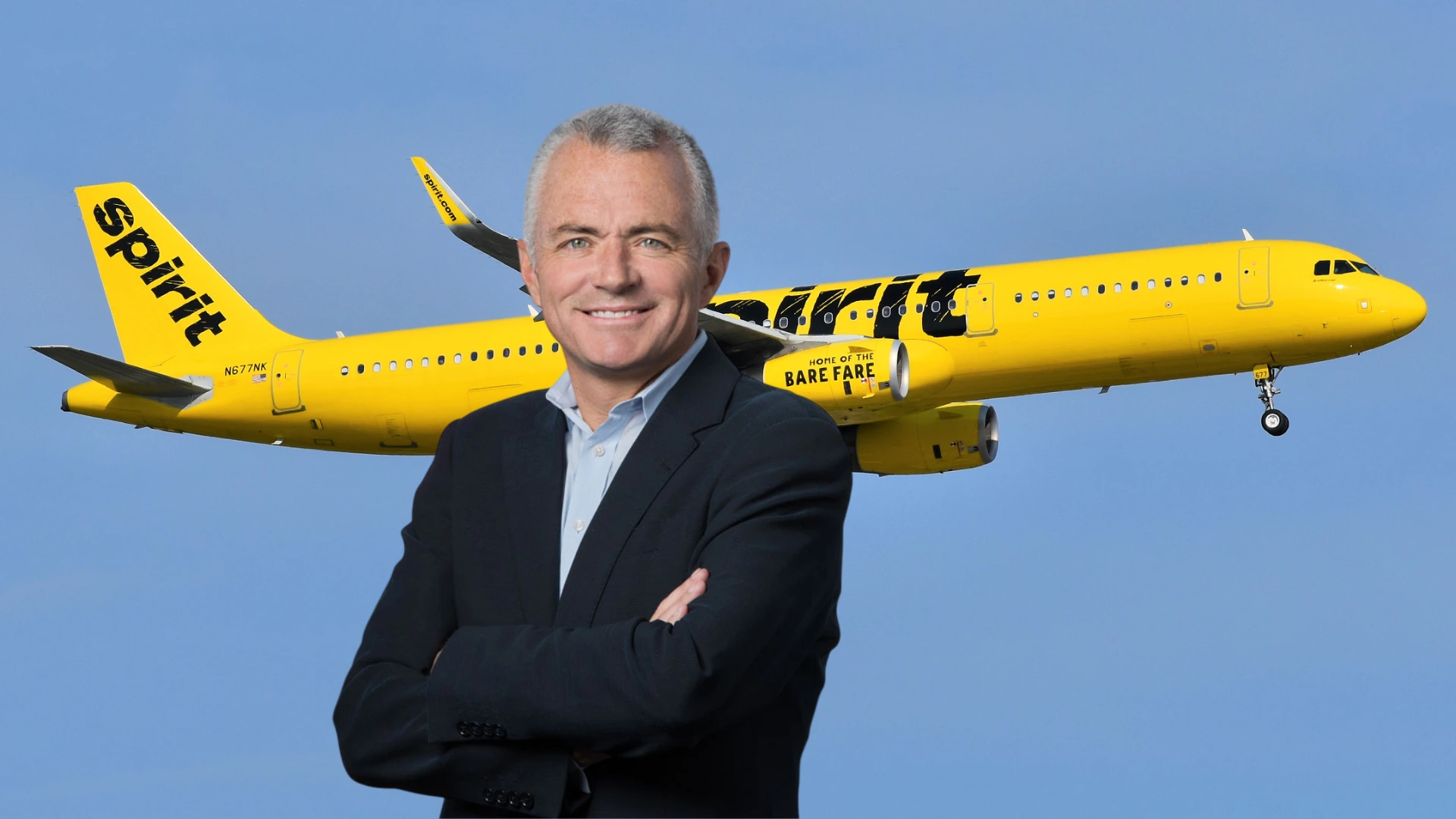
Shortly after the Frontier announcement, JetBlue Airways (JBLU) entered the fray with an unsolicited all-cash offer to acquire Spirit at a significantly higher valuation, initially around $3.6 billion. This sparked an intense bidding war, illustrating the premium placed on Spirit’s strategic assets, including its airport slots, aircraft, and customer base, particularly in key leisure markets. JetBlue’s rationale was to expand its footprint and transform into a more formidable national competitor against the “Big Four” airlines. The ensuing months saw multiple revised offers from both Frontier and JetBlue, with increasing cash components and shareholder sweeteners, including “reverse breakup fees” designed to compensate Spirit shareholders if the deal fell through due to regulatory objections. This battle was a masterclass in corporate finance and M&A strategy, where shareholder approval became the ultimate prize, and both bidders aggressively courted Spirit’s diverse investor base. The financial implications for Spirit’s stock were immediate and dramatic, with share prices reacting sharply to each new offer and counter-offer.
Regulatory Hurdles and the Department of Justice Intervention
Despite the compelling financial arguments presented by both bidders, the ultimate fate of the merger lay in the hands of regulatory authorities. The Department of Justice (DOJ), along with other antitrust enforcers, scrutinized the proposed deals for their potential impact on competition, consumer choice, and airfares. After Spirit’s shareholders ultimately voted in favor of JetBlue’s higher offer, agreeing to be acquired for $3.8 billion, the DOJ filed a lawsuit to block the merger. The DOJ argued that the consolidation would lead to higher fares, reduced choices, and less innovation, particularly for budget-conscious travelers who rely on Spirit’s ultra-low-cost model. The legal battle was prolonged and intense, focusing on the competitive landscape of the U.S. airline industry. Ultimately, in January 2024, a federal judge sided with the DOJ, issuing a permanent injunction to prevent the merger, citing concerns about reduced competition. This ruling effectively killed the deal, forcing Spirit to once again reassess its standalone future.
Financial Implications of a Standalone Spirit
The collapse of the JetBlue merger had profound financial implications for Spirit Airlines and its shareholders. The company, which had been preparing for an integration into a larger airline, suddenly found itself needing to independently navigate a challenging economic and competitive environment. This situation triggered significant volatility in its stock price and forced a re-evaluation of its strategic and financial trajectory.
Navigating Post-Merger Uncertainty: Stock Performance and Investor Confidence
The period following the merger attempts and their ultimate failure was characterized by significant investor uncertainty. Spirit’s stock price, which had initially surged on merger speculation, plummeted upon the definitive blocking of the JetBlue deal. Investors factored in the significant costs associated with the failed merger attempt, including legal fees, breakup fees (Spirit received $69 million from JetBlue as a breakup fee, but the opportunity cost of the merger was far greater), and the operational distractions. Furthermore, the market began to price in the challenges Spirit faced as a standalone entity in an increasingly concentrated and competitive industry. Investor confidence took a hit, as the perceived safety net of a larger airline acquisition evaporated, leaving Spirit exposed to its inherent operational and market risks.
Operational Challenges and the Ultra-Low-Cost Model
As a standalone ULCC, Spirit Airlines faces unique operational and financial challenges. Its business model relies on extremely low base fares, unbundled services (charging extra for everything from seat selection to carry-on bags), high aircraft utilization, and a singular focus on cost efficiency. While this model has proven successful in attracting price-sensitive travelers, it is also highly susceptible to external pressures:
- Fuel Price Volatility: Fuel is a major operating expense, and price spikes can quickly erode narrow profit margins.
- Labor Costs: Competitive labor markets and union negotiations can put upward pressure on wages.
- Operational Reliability: While striving for efficiency, any operational disruptions (e.g., weather, air traffic control issues, staffing shortages) can lead to significant costs in terms of passenger compensation, crew displacement, and reputational damage.
- Aircraft Maintenance and Acquisition: Maintaining a modern fleet and acquiring new aircraft requires substantial capital expenditure.
The failed merger also left Spirit with strategic questions about its fleet, its network expansion, and its ability to compete against both legacy carriers and other ULCCs like Frontier without the scale and resources that a larger partner would have provided.
Strategic Pathways for Future Growth and Profitability
Despite the setbacks, Spirit Airlines remains a significant player in the U.S. airline market. Its future financial health and ability to deliver shareholder value hinge on its ability to execute a robust standalone strategy. Potential pathways for future growth and profitability include:
- Network Optimization: Adjusting routes to maximize profitability, focusing on high-demand leisure markets, and potentially expanding internationally where the ULCC model can thrive.
- Cost Management Initiatives: Aggressively pursuing further cost reductions across all operational areas, from maintenance to ground handling.
- Revenue Diversification: Enhancing ancillary revenue streams through innovative product offerings and pricing strategies for unbundled services.
- Fleet Modernization: Continuing to invest in fuel-efficient aircraft to reduce operating costs and improve environmental performance.
- Customer Experience Enhancements: While being an ULCC, there is still room to improve operational reliability and passenger satisfaction without compromising the cost structure, thereby fostering repeat business.
- Potential Future Consolidation: While recent attempts failed, the airline industry is cyclical, and future opportunities for mergers or acquisitions (perhaps with different partners or under different regulatory climates) cannot be entirely ruled out in the long term.
Investing in Spirit Airlines: Risks and Opportunities
For investors considering Spirit Airlines (SAVE) stock, the current landscape presents both significant risks and potential opportunities. Understanding the core tenets of the ULCC model and the broader market context is crucial for making informed financial decisions.
Evaluating the ULCC Business Model
Spirit Airlines’ investment appeal largely rests on the strengths and weaknesses of its ultra-low-cost carrier model. On the opportunity side, ULCCs cater to a large segment of the population that prioritizes price above all else, making air travel accessible to more people. This can lead to robust demand during economic upturns or when discretionary spending is high. When executed effectively, the model can generate strong margins by keeping fixed costs low and maximizing ancillary revenues.
However, the risks are substantial. ULCCs operate with very thin profit margins, making them highly sensitive to input costs (especially fuel), economic downturns (which reduce discretionary travel), and intense price competition. Labor relations can be strained due to the cost-conscious environment, and operational disruptions can disproportionately impact brand perception and customer loyalty, leading to higher compensation costs and lost revenue.
Market Position and Competitive Landscape
Spirit Airlines operates in a highly competitive market, facing direct competition from other ULCCs like Frontier, as well as indirect competition from legacy carriers (American, Delta, United) and other low-cost carriers (Southwest, JetBlue) that often offer competing basic economy fares. Its market position is defined by its strong presence in key leisure markets, particularly Florida, and its extensive network across the U.S., Caribbean, and Latin America.
The failed merger attempts underscore the industry’s desire for consolidation to reduce competition and improve pricing power. As a standalone entity, Spirit must continually innovate and adapt to maintain its competitive edge. Its success will depend on its ability to offer compelling value to its target customer segment while defending market share against aggressive rivals. Investors need to assess Spirit’s ability to maintain its cost advantage and grow its network profitably in this challenging environment.

Long-Term Outlook for Shareholders
The long-term outlook for Spirit Airlines shareholders remains contingent on several factors. On one hand, air travel demand is generally projected to grow over the long term, and the ULCC model has a proven track record globally. If Spirit can successfully execute its standalone strategy, optimize its operations, and weather economic headwinds, there could be significant upside for its stock. The company’s resilience, its established brand in the budget travel segment, and its modern, fuel-efficient fleet are tangible assets.
On the other hand, the specter of overcapacity, continued high operating costs, and the potential for future competitive pressures from a consolidating industry pose ongoing risks. The substantial debt load taken on for fleet expansion also presents a financial burden. For investors, Spirit Airlines represents a higher-risk, higher-reward proposition, demanding a thorough understanding of its business model, financial health, and strategic direction within the dynamic and often turbulent airline industry. Ultimately, Spirit Air is owned by its diverse body of shareholders, whose collective financial interests will determine the company’s future value and strategic path.
aViewFromTheCave is a participant in the Amazon Services LLC Associates Program, an affiliate advertising program designed to provide a means for sites to earn advertising fees by advertising and linking to Amazon.com. Amazon, the Amazon logo, AmazonSupply, and the AmazonSupply logo are trademarks of Amazon.com, Inc. or its affiliates. As an Amazon Associate we earn affiliate commissions from qualifying purchases.