
Investing in the stock market can seem like a daunting endeavor, a complex arena reserved for seasoned financiers and Wall Street titans. However, this perception couldn’t be further from the truth. For individuals seeking to build wealth, achieve financial independence, and secure their future, the stock market offers an accessible and powerful avenue. It’s a journey that, while requiring diligence and a willingness to learn, is entirely within reach for anyone, regardless of their starting capital or prior experience. This comprehensive guide aims to demystify the process, providing a clear, actionable roadmap for beginners to confidently take their first steps into the world of stock market investing.
The Imperative of Stock Market Investing for Wealth Growth
In an era where inflation can silently erode the purchasing power of static savings, and traditional interest rates offer meager returns, the stock market stands out as a critical tool for wealth preservation and growth. It allows your money to work for you, potentially generating returns that outpace inflation and contribute significantly to your long-term financial objectives.
Understanding the Power of Compounding
At the heart of stock market investing’s allure lies the miraculous principle of compounding. Often referred to as the “eighth wonder of the world,” compounding is the process where the returns you earn on your investments also begin to earn returns. This exponential growth model means that even small, consistent investments made over a long period can accumulate into substantial sums. Imagine investing $100 regularly; not only does your initial $100 grow, but the gains from that $100 also start earning their own gains. The earlier you start, the more time compounding has to work its magic, transforming modest contributions into significant wealth over decades. This long-term perspective is crucial for harnessing the full power of the stock market.
Setting Clear Financial Goals
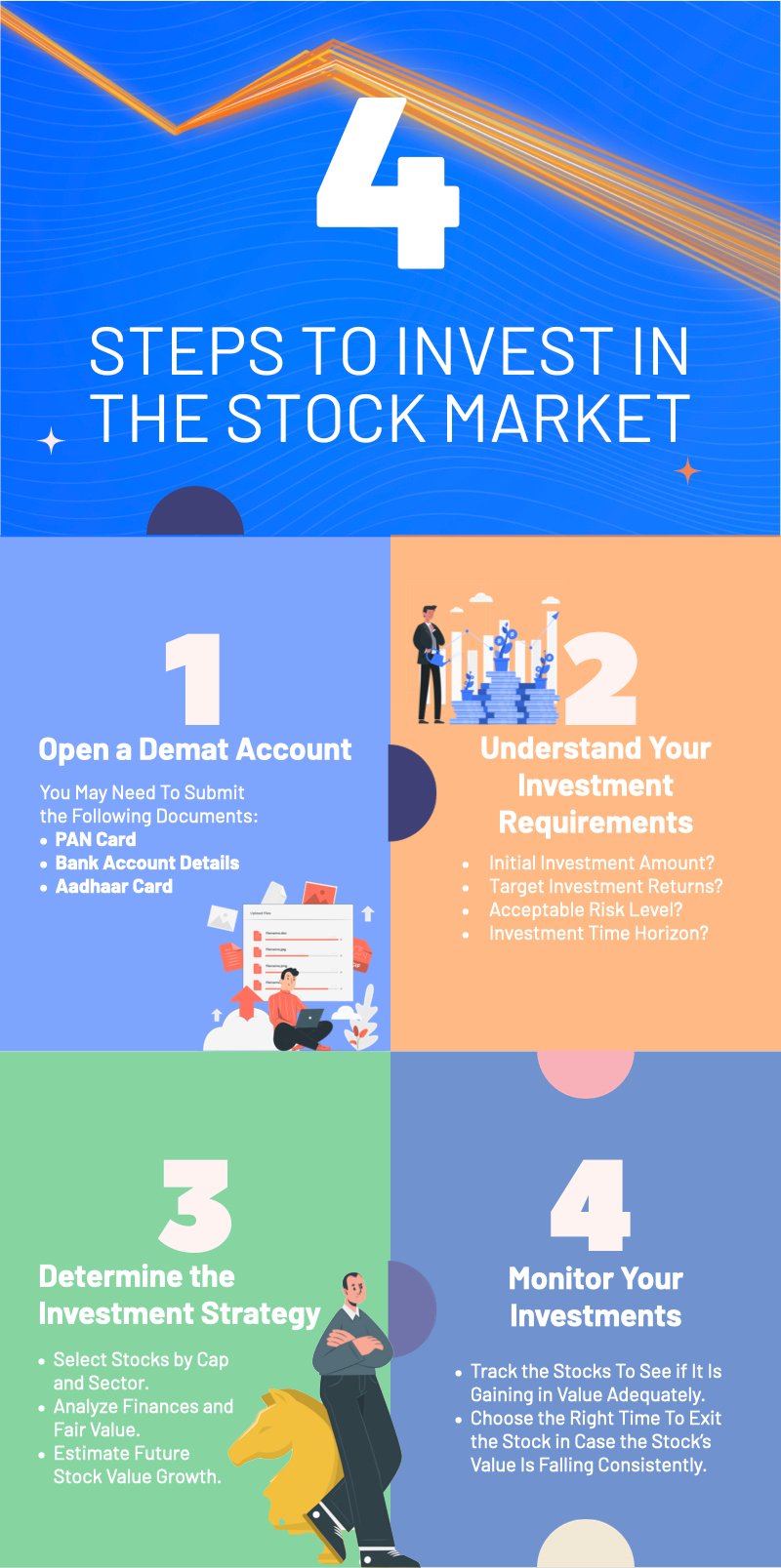
Before diving into the market, it’s essential to define why you’re investing. Are you saving for retirement, a down payment on a house, your children’s education, or simply building a general wealth fund? Establishing clear, quantifiable financial goals will not only provide motivation but also dictate your investment strategy, risk tolerance, and time horizon. For instance, a long-term goal like retirement planning might allow for a higher allocation to growth-oriented stocks, while a shorter-term goal like a house down payment might necessitate a more conservative approach with lower-risk assets. Aligning your investments with specific objectives ensures your financial decisions are purposeful and strategic, rather than reactive.
Navigating the Fundamentals of the Stock Market
Understanding the basic components and mechanisms of the stock market is foundational to successful investing. It’s not necessary to become an expert economist, but a grasp of key terminology and options will empower informed decision-making.
Decoding Common Investment Vehicles (Stocks, ETFs, Mutual Funds)
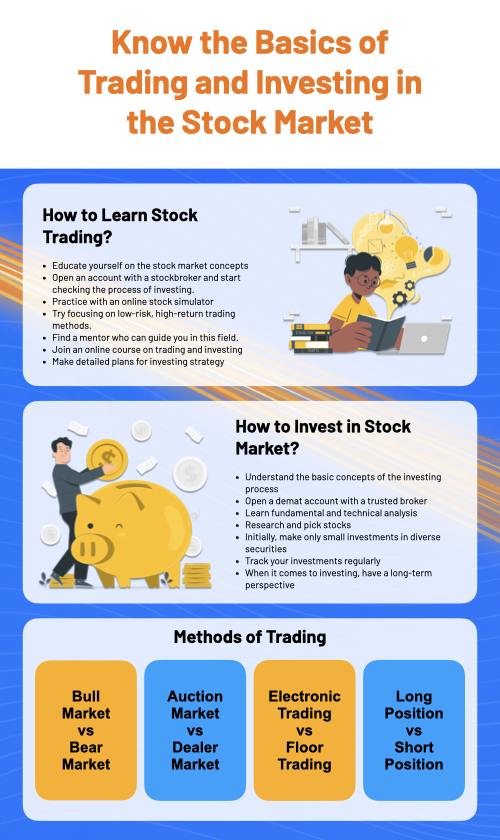
The stock market offers a variety of ways to invest, each with its own characteristics and risk profiles:
- Stocks: When you buy a stock, you’re purchasing a small ownership share in a particular company. If the company performs well and its value increases, the price of its stock typically rises, and you can sell your shares for a profit. Stocks offer the potential for high returns but also come with higher risk, as individual company performance can be volatile.
- Exchange-Traded Funds (ETFs): ETFs are baskets of various securities (like stocks, bonds, or commodities) that trade on an exchange, much like individual stocks. They offer immediate diversification because you’re investing in many companies or assets simultaneously. For example, an S&P 500 ETF holds shares of the 500 largest U.S. companies. ETFs are popular among beginners due to their diversification, relatively low fees, and ease of trading.
- Mutual Funds: Similar to ETFs, mutual funds also pool money from multiple investors to invest in a diversified portfolio of stocks, bonds, or other assets. However, mutual funds are typically actively managed by a professional fund manager and are bought and sold directly through the fund company at the end of the trading day. They often come with higher management fees than passively managed ETFs. Both ETFs and mutual funds are excellent choices for beginners looking for diversified exposure without having to research and select individual stocks.
Choosing Your Investment Account: Brokerage Options
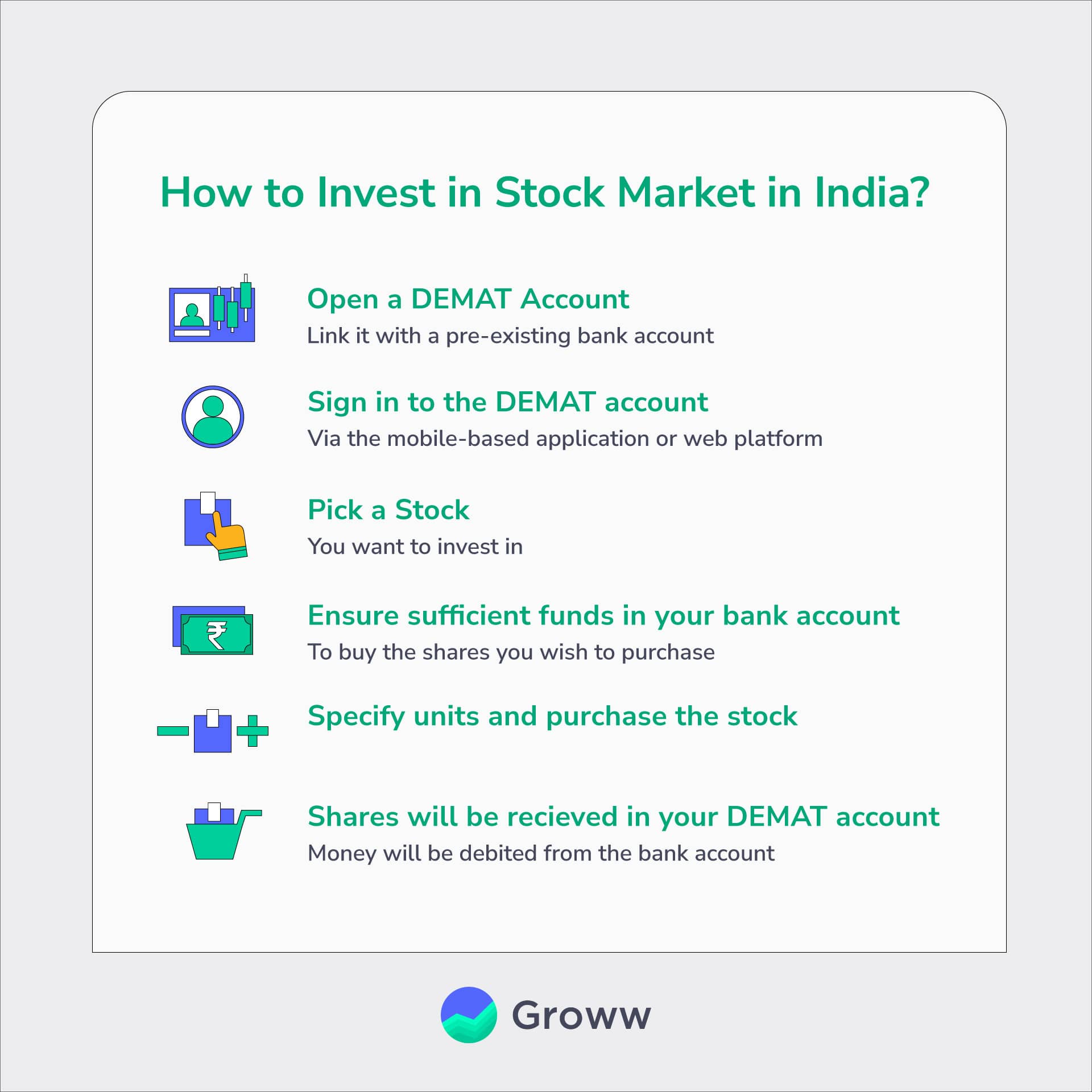
To invest in the stock market, you’ll need a brokerage account. These accounts are offered by financial institutions that act as intermediaries, allowing you to buy and sell securities. There are several types to consider:
- Taxable Brokerage Accounts: These are standard investment accounts where you can invest in various assets. Gains are subject to capital gains taxes each year (or when you sell), making them flexible but less tax-efficient than retirement accounts.
- Individual Retirement Accounts (IRAs): These are tax-advantaged accounts designed specifically for retirement savings.
- Traditional IRA: Contributions might be tax-deductible, and taxes are paid upon withdrawal in retirement.
- Roth IRA: Contributions are made with after-tax money, and qualified withdrawals in retirement are tax-free. Roth IRAs are particularly attractive for young investors who expect to be in a higher tax bracket later in life.
- 401(k)s and Other Employer-Sponsored Plans: If your employer offers a 401(k), 403(b), or similar plan, it’s often the best place to start, especially if they offer a matching contribution. This “free money” is an immediate and significant boost to your investment returns. These accounts are also tax-advantaged, typically deferring taxes until retirement.
When choosing a brokerage, consider factors like fees (trading commissions, account maintenance fees), investment options available, educational resources, and the quality of their trading platform and customer service. Many reputable online brokerages now offer commission-free trading for stocks and ETFs, making investing more accessible than ever.
Crafting Your Investment Strategy and Portfolio
Once you understand the basics and have an account, the next step is to develop a strategy that aligns with your goals and risk tolerance. This isn’t about predicting the market, but about building a resilient approach.
The Cornerstone of Diversification
Diversification is perhaps the most fundamental principle of prudent investing. It means spreading your investments across various assets, industries, and geographical regions to minimize risk. The adage “don’t put all your eggs in one basket” perfectly encapsulates this concept. If one investment performs poorly, the impact on your overall portfolio is cushioned by the performance of other assets. For beginners, investing in diversified ETFs or mutual funds is an excellent way to achieve broad market exposure without the need to meticulously research individual companies. Over time, as your knowledge and capital grow, you might consider diversifying into different asset classes like bonds or real estate.
Active vs. Passive Investing Approaches
Investors generally lean towards one of two primary strategies:
- Passive Investing: This approach involves investing in diversified index funds or ETFs that aim to replicate the performance of a market index (like the S&P 500) rather than trying to beat it. Passive investing is characterized by low fees, minimal trading, and a long-term buy-and-hold philosophy. It’s often recommended for beginners due to its simplicity, lower costs, and historical track record of outperforming many actively managed funds over the long run.
- Active Investing: This strategy involves attempting to outperform the market by actively buying and selling securities based on research, analysis, and market timing. While it offers the potential for higher returns, it also carries higher risks, demands significant time and expertise, and often incurs higher trading fees. Most individual investors, especially those starting out, find passive investing to be a more suitable and less stressful path to wealth accumulation.
Embracing a Long-Term Perspective
The stock market is inherently volatile in the short term, experiencing ups and downs driven by economic news, company performance, and investor sentiment. Attempting to time the market by buying low and selling high is notoriously difficult, even for professionals. A long-term perspective—thinking in terms of decades rather than months or years—allows you to ride out these short-term fluctuations. Historical data consistently shows that over long periods, the stock market has delivered positive returns, compensating for temporary downturns. Patiently holding onto your investments through market cycles is a hallmark of successful investing.
Managing Risks and Avoiding Common Pitfalls
Investing isn’t without risk, but understanding and mitigating these risks is crucial for sustained success. Avoiding common mistakes can save you significant capital and emotional stress.
Understanding Market Volatility and Risk Tolerance
Market volatility refers to the degree of variation of a trading price series over time. It’s normal for the market to experience periods of decline, known as corrections or bear markets. These periods can be unsettling, but they are a natural part of the economic cycle. Understanding your personal risk tolerance—your ability and willingness to take on financial risk—is vital. A high-risk tolerance might allow you to invest more heavily in growth stocks, while a low-risk tolerance might lead you towards more conservative, stable investments. It’s important not to panic during downturns; instead, view them as potential buying opportunities if your financial situation allows. A well-diversified portfolio and a long-term mindset are your best defenses against volatility.
The Importance of Continuous Learning and Due Diligence
While starting with diversified funds is wise, as you progress, continuous learning becomes indispensable. Educate yourself on financial concepts, read reputable financial news, and understand the companies or sectors you invest in (if choosing individual stocks). Due diligence involves thoroughly researching an investment before committing capital. This means understanding a company’s business model, financial health, competitive landscape, and management team. For ETFs and mutual funds, it involves reviewing their underlying holdings, expense ratios, and historical performance. Never invest in something you don’t understand, and be wary of “get rich quick” schemes. The best investors are perpetual students.
Taking Your First Steps: A Practical Guide
Now that you have a foundational understanding, it’s time to put knowledge into action. Starting your investing journey is often simpler than many imagine.
Starting Small and Staying Consistent
You don’t need a large sum of money to begin investing. Many online brokerages allow you to start with just a few dollars, often through fractional shares (buying a portion of a single share). The key is to start now and be consistent. Set up an automatic transfer from your checking account to your investment account each month. Even a modest amount, like $50 or $100, invested consistently over time, will grow significantly due to compounding. This practice of dollar-cost averaging—investing a fixed amount regularly—also helps mitigate risk by averaging out your purchase price over time, meaning you buy more shares when prices are low and fewer when prices are high.
Leveraging Technology and Financial Tools
The digital age has democratized investing. Modern financial technology offers a plethora of tools to assist beginners:
- Robo-Advisors: These automated investment platforms build and manage diversified portfolios based on your financial goals and risk tolerance, often at a lower cost than traditional financial advisors. They are an excellent option for beginners who want a hands-off approach.
- Investment Apps: Many brokerage firms offer intuitive mobile apps that make it easy to manage your investments, track performance, and access educational content on the go.
- Budgeting and Financial Planning Software: Tools that help you track your income and expenses can identify funds available for investing and help you stick to your financial plan.
These tools simplify the investment process, making it accessible and manageable even for those with limited financial expertise. Embrace them to streamline your journey and stay organized.
In conclusion, starting to invest in the stock market is a powerful step towards securing your financial future. It requires patience, discipline, and a commitment to continuous learning, but the rewards can be transformative. By understanding the basics, setting clear goals, diversifying wisely, and maintaining a long-term perspective, you can confidently navigate the market and build substantial wealth over time. The best time to start investing was yesterday; the second best time is today.
aViewFromTheCave is a participant in the Amazon Services LLC Associates Program, an affiliate advertising program designed to provide a means for sites to earn advertising fees by advertising and linking to Amazon.com. Amazon, the Amazon logo, AmazonSupply, and the AmazonSupply logo are trademarks of Amazon.com, Inc. or its affiliates. As an Amazon Associate we earn affiliate commissions from qualifying purchases.