
The allure of building an online business is undeniable. The promise of flexibility, scalability, and potentially significant income streams draws millions of aspiring entrepreneurs each year. However, beneath the surface of innovative ideas and digital platforms lies a critical, often underestimated, foundation: sound financial planning and management. Opening an online business isn’t just about setting up a website or launching a product; it’s about meticulously constructing a financially viable entity designed for sustained profitability and growth. This guide will walk you through the essential financial considerations and steps, ensuring your online venture is built on solid economic ground.
I. Laying the Financial Foundation: From Ideation to Profitability
Every successful online business begins with a clear understanding of its potential to generate revenue and profit. This initial phase is less about grand visions and more about rigorous financial validation.
Identifying a Lucrative Niche and Validating Your Business Idea
Before investing a single dollar, it’s paramount to identify a market need that customers are willing to pay to satisfy. A “lucrative” niche isn’t merely a popular one; it’s one with sufficient demand, manageable competition, and a clear path to monetization.
- Market Research for Demand and Competition: This involves more than just a quick Google search. Dive into market reports, analyze competitor pricing strategies, and study customer reviews to identify gaps where your business can offer unique value. What problems are people actively searching for solutions to? What existing solutions are falling short, and where can you differentiate yourself to command a fair price? Understanding your target audience’s demographics, psychographics, and purchasing power is crucial. A niche with high demand but low competition (or where you can effectively compete) presents the most favorable financial prospects.
- Problem-Solving Approach: At its core, every profitable business solves a problem or fulfills a desire. Whether you’re selling a physical product that simplifies a daily task, a digital course that imparts valuable skills, or a service that saves businesses time and money, your offering must address a genuine pain point. The more acute the problem, the higher the perceived value, and often, the greater the willingness to pay.
- Understanding Target Audience’s Willingness to Pay: This is a direct financial indicator. Research what customers currently pay for similar solutions. Are there premium segments willing to pay more for enhanced quality, convenience, or exclusivity? Conversely, are there budget-conscious segments looking for cost-effective alternatives? Your pricing strategy will directly impact your revenue potential, so understanding this threshold is non-negotiable.
Choosing a Sustainable Business Model
The way you generate revenue directly shapes your financial health. Selecting the right business model impacts everything from your startup costs to your profit margins and long-term scalability.
- E-commerce (Physical Products): This traditional model involves selling tangible goods. Financially, considerations include inventory management costs (warehousing, spoilage, obsolescence), shipping expenses, and supply chain reliability. Models like dropshipping or print-on-demand significantly reduce upfront inventory costs, improving cash flow, but may come with lower per-unit profit margins or less control over product quality and shipping times. Understanding these trade-offs is crucial for profitability.
- Digital Products/Services: This category includes online courses, e-books, software-as-a-service (SaaS), consulting, coaching, and freelance services. Financially, digital products often boast high-profit margins after initial development costs, as duplication and distribution are virtually free. Services require your time, which is a finite resource, but can command premium rates and often have low overhead. Subscription models for digital offerings provide predictable, recurring revenue, a highly desirable financial trait.
- Affiliate Marketing/Content Monetization: Here, you earn commissions by promoting other companies’ products or services. While startup costs are typically low, relying on advertising revenue or affiliate commissions means your income can be less predictable and often requires significant traffic generation. This model focuses on leveraging content to drive traffic and converting that traffic into profitable referrals or ad impressions.
- Subscription Models: Offering products or services on a recurring subscription basis (e.g., monthly boxes, software access, exclusive content) is excellent for financial forecasting and building customer lifetime value. It creates a stable revenue stream, making it easier to plan expenses and investments.
Crafting a Robust Financial Plan
A detailed financial plan serves as your business’s roadmap, outlining how much money you need, how you’ll make it, and how you’ll manage it.
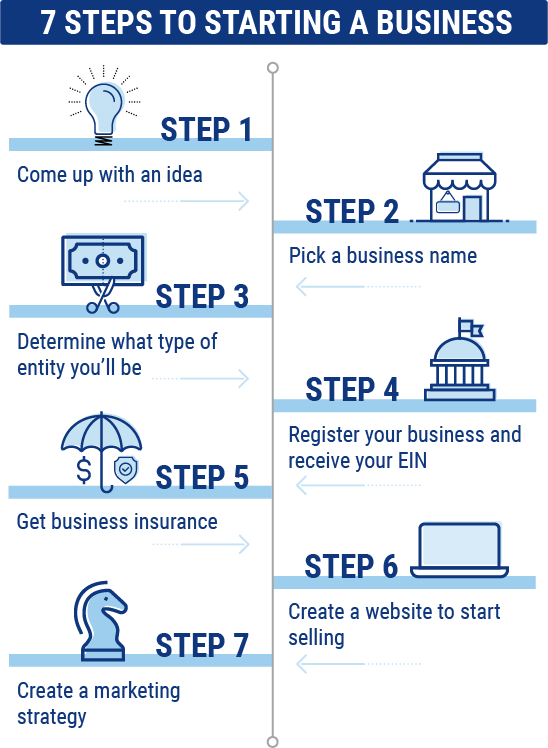
- Startup Costs and Initial Investment: Itemize every initial expense: website domain and hosting, e-commerce platform fees, legal entity registration, initial inventory, software subscriptions, professional services (accountant, lawyer), initial marketing spend, and any equipment. Be realistic and err on the side of overestimation. This figure determines your initial funding requirements.
- Pricing Strategy and Revenue Projections: How will you price your products or services? Consider cost-plus pricing (cost of goods + desired profit margin), value-based pricing (what the customer perceives the value to be), or competitive pricing (based on competitor rates). Project your sales volume realistically, month-by-month for the first year, and then annually for three to five years. This forms the basis of your income statement.
- Break-Even Analysis and Profitability Forecasts: Calculate your break-even point – the volume of sales needed to cover all your fixed and variable costs. This is a crucial metric for understanding when your business will become profitable. Develop detailed profitability forecasts, analyzing gross margins (revenue minus cost of goods sold) and net margins (revenue minus all expenses). This helps identify areas for cost reduction or revenue enhancement.
- Operating Expenses: Beyond startup costs, list all ongoing monthly expenses: hosting fees, software licenses, marketing budget, salaries (if applicable), payment processing fees, and professional services. These recurring costs must be covered by your revenue for the business to remain solvent.
II. Establishing Financial & Legal Structure
Once your financial plan is solid, the next step involves formalizing your business operations from a legal and financial standpoint. These decisions have significant implications for liability, taxation, and long-term financial health.
Legal Entity Selection and Registration
Choosing the right legal structure is one of the most critical early decisions, impacting personal liability and tax obligations.
- Sole Proprietorship, LLC, Partnership: A Sole Proprietorship is the simplest and cheapest to set up, but it offers no personal liability protection, meaning your personal assets are at risk. A Limited Liability Company (LLC) offers personal liability protection (separating business and personal assets) and often provides favorable tax flexibility, making it a popular choice for online businesses. A Partnership is suitable if you’re co-founding with others, but requires a robust partnership agreement to avoid future financial disputes. Your choice should be made in consultation with a legal and financial professional, considering your specific circumstances, risk tolerance, and growth aspirations.
- Business Licenses and Permits: Depending on your location and the nature of your online business (e.g., selling certain types of products), you may need specific local, state, or federal licenses and permits. Failing to secure these can result in fines and legal issues, impacting your financial stability. Research these requirements diligently.
Setting Up Business Banking and Accounting
Separating personal and business finances is not just a best practice; it’s a necessity for accurate financial tracking, tax compliance, and projecting a professional image.
- Separate Business Bank Accounts: Open dedicated checking and savings accounts for your business as soon as your legal entity is established. This simplifies expense tracking, makes tax preparation easier, prevents commingling of funds, and demonstrates professionalism to clients, suppliers, and potential investors.
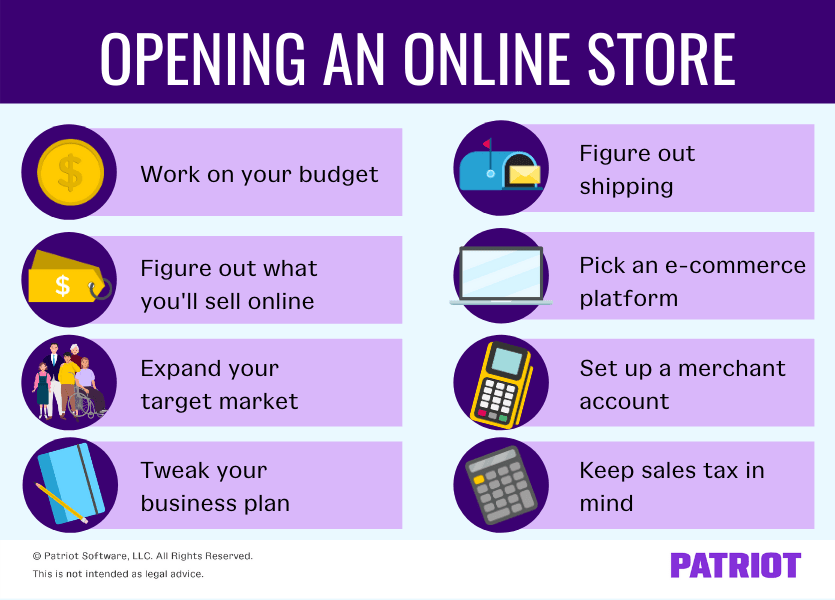
- Payment Gateways and Merchant Accounts: To accept online payments, you’ll need to integrate reliable payment gateways (e.g., Stripe, PayPal, Square). Understand their transaction fees, payout schedules, and any associated monthly costs. These fees directly impact your profit margins, so choose wisely. For higher-volume businesses, direct merchant accounts might offer better rates.
- Choosing Accounting Software: Implement accounting software (e.g., QuickBooks, Xero, Wave Accounting) from day one. This will automate expense tracking, facilitate invoicing, simplify payroll (if applicable), and generate essential financial reports like profit and loss statements, balance sheets, and cash flow statements. Accurate records are fundamental for budgeting, tax compliance, and making informed financial decisions.
Understanding Tax Obligations and Compliance
Taxes are an unavoidable part of doing business. Proactive planning and accurate compliance are crucial to avoid financial penalties and maximize legitimate deductions.
- Sales Tax, Income Tax, Self-Employment Tax: Understand your obligations for sales tax (if selling taxable goods/services and having nexus in certain states/countries), federal and state income tax, and self-employment tax (which covers Social Security and Medicare for self-employed individuals). These vary significantly based on your business structure, location, and revenue.
- Record-Keeping Best Practices: Maintain meticulous records of all income and expenses, invoices, receipts, and bank statements. Good record-keeping is not only a legal requirement but also invaluable for financial analysis and preparing for tax season.
- Seeking Professional Financial Advice: Engaging a qualified accountant or tax advisor is highly recommended. They can guide you through complex tax laws, help optimize your deductions, ensure compliance, and provide strategic financial planning advice to improve your business’s profitability.
III. Funding Your Online Venture and Managing Capital
Every business needs capital to start and grow. Understanding your funding options and efficiently managing your cash flow are paramount to survival and expansion.
Exploring Funding Options
The capital you choose can impact your ownership, debt burden, and growth trajectory.
- Self-funding/Bootstrapping: Using personal savings or revenue generated early on to fund your business minimizes debt and maintains full ownership. It’s often the preferred method for online businesses with lower startup costs, fostering financial discipline.
- Small Business Loans: Options like SBA loans (in the US) or traditional bank loans can provide significant capital. However, they require a solid business plan, good credit, and often collateral. Understand interest rates, repayment schedules, and eligibility criteria.
- Angel Investors/Venture Capital: For high-growth potential businesses, external investors can provide substantial capital in exchange for equity. This path often comes with rigorous due diligence, expectations for rapid growth, and a degree of control relinquishment.
- Crowdfunding: Platforms like Kickstarter or Indiegogo can not only raise capital but also validate your product idea and build an early customer base. It’s a non-dilutive form of funding but requires significant marketing effort to succeed.
Mastering Cash Flow Management
Cash flow is the lifeblood of any business. Positive cash flow means more money is coming in than going out, enabling operations, debt repayment, and growth.
- Monitoring Income and Expenses Closely: Use your accounting software to regularly review your cash inflows and outflows. Identify trends, anticipate shortages, and proactively address discrepancies.
- Optimizing Inventory (if applicable): For e-commerce businesses, inventory represents tied-up capital. Avoid overstocking, manage lead times effectively, and implement just-in-time inventory strategies where possible to free up cash.
- Managing Accounts Receivable and Payable: Promptly invoice clients and follow up on overdue payments to accelerate cash inflow. Conversely, manage your accounts payable strategically, taking advantage of payment terms without damaging supplier relationships.
- Building an Emergency Fund for the Business: Just like personal finance, having a buffer of 3-6 months’ worth of operating expenses in reserve can protect your business from unexpected downturns, market shifts, or unforeseen expenses.
Strategic Reinvestment and Growth Capital
Once profitable, the question becomes: how do you strategically reinvest profits to fuel further growth?
- Allocating Profits for Growth: Instead of immediately taking all profits, allocate a portion towards reinvestment in areas that will drive future revenue. This could include enhanced marketing campaigns, product development, technology upgrades, or hiring key talent.
- Understanding ROI for Investments: Every investment of capital should have an anticipated return on investment (ROI). For example, investing in a new marketing channel should lead to a measurable increase in sales that justifies the expenditure. Track and analyze the ROI of your reinvestments to ensure capital is being deployed effectively.
- Planning for Future Funding Needs: As your business scales, your capital needs will likely increase. Develop a long-term financial strategy that anticipates these needs, whether through retained earnings, securing new lines of credit, or attracting further investment.
IV. Profitable Marketing & Sales Strategies
Marketing and sales are not just about visibility; they are about acquiring customers profitably. Every marketing dollar spent must contribute to the bottom line.
Developing a Budget-Conscious Marketing Plan
Your marketing efforts must be strategic, measurable, and financially viable.
- Organic vs. Paid Strategies: Organic marketing (SEO, content marketing, social media presence) builds long-term authority and traffic without direct per-click costs, but takes time. Paid strategies (PPC, social media ads) offer immediate reach and measurable results but require a defined budget and constant optimization. A balanced approach often yields the best financial outcomes.
- Measuring ROI of Marketing Efforts: Crucial metrics include Customer Acquisition Cost (CAC) – how much it costs to acquire one new customer – and Customer Lifetime Value (CLTV) – the total revenue a customer is expected to generate over their relationship with your business. Ensure your CLTV significantly outweighs your CAC for sustained profitability.
- Utilizing Analytics to Optimize Ad Spend and Campaign Performance: Tools like Google Analytics, Facebook Ads Manager, and e-commerce platform dashboards provide invaluable data. Analyze conversion rates, click-through rates, cost per conversion, and sales attribution to continually refine your marketing budget allocation and improve campaign efficiency.
Pricing for Profitability and Market Positioning
Pricing is a delicate balance between attracting customers and ensuring your business generates healthy margins.
- Value-Based Pricing vs. Competitor Pricing: While competitive analysis is important, avoid simply undercutting competitors. Instead, focus on value-based pricing, positioning your offering based on the unique benefits and value it provides to the customer. Premium pricing can signal quality and exclusivity, attracting a more affluent segment.
- Tiered Pricing Strategies and Bundles: Offer different product/service tiers or create bundles to cater to various customer segments and increase average order value (AOV). This allows customers to choose a price point that fits their budget and needs, maximizing your revenue potential.
- Discounting and Promotions: While attractive to customers, discounts can quickly erode profit margins. Use them strategically – for limited-time offers, clearing excess inventory, or rewarding loyal customers – rather than as a constant sales tactic. Always calculate the impact of discounts on your gross margin.
Conversion Optimization for Revenue Growth
It’s not enough to attract visitors; you need to convert them into paying customers. Optimizing your sales funnel directly impacts your revenue.
- Streamlining the Sales Funnel to Reduce Abandonment: Analyze your website’s user experience, from product discovery to checkout. Identify bottlenecks, confusing steps, or unnecessary friction that causes potential customers to abandon their purchase. A smoother, more intuitive process directly translates to higher conversion rates and increased revenue.
- A/B Testing for Improved Conversion Rates: Continuously test different elements of your website and marketing materials – headlines, call-to-action buttons, product descriptions, images, pricing displays – to see which versions perform better in terms of conversions. Small improvements can lead to significant revenue gains over time.
- Customer Retention Strategies: Acquiring a new customer is often far more expensive than retaining an existing one. Invest in strategies to build customer loyalty, such as excellent customer service, loyalty programs, personalized offers, and post-purchase follow-ups. Increasing customer lifetime value (CLTV) is a cornerstone of long-term financial success for any online business.

Conclusion
Opening an online business is an exciting journey, but its enduring success hinges on a disciplined and strategic approach to finance. From the initial validation of a profitable idea to the ongoing management of cash flow, legal structures, and marketing investments, every step must be considered through a financial lens. By meticulously planning, meticulously tracking, and proactively optimizing your financial strategies, you not only increase your chances of launching a successful venture but also build a resilient, profitable online business capable of thriving in the dynamic digital landscape. Your financial blueprint isn’t just a document; it’s the operational spine of your entrepreneurial dream.
aViewFromTheCave is a participant in the Amazon Services LLC Associates Program, an affiliate advertising program designed to provide a means for sites to earn advertising fees by advertising and linking to Amazon.com. Amazon, the Amazon logo, AmazonSupply, and the AmazonSupply logo are trademarks of Amazon.com, Inc. or its affiliates. As an Amazon Associate we earn affiliate commissions from qualifying purchases.