
The question of how long a business plan should be is one that often vexes aspiring entrepreneurs and seasoned business owners alike. It’s a crucial concern, not because length inherently equates to quality, but because the optimal length directly impacts its effectiveness, readability, and ultimately, its ability to secure funding or guide strategic decisions. In the realm of business finance, where clarity, precision, and compelling arguments are paramount, understanding the ideal scope of your business plan is as critical as the financial projections within it. Forget the outdated notion that a business plan must be a weighty tome; the modern financial landscape values agility and impact.
The Myth of the Marathon Business Plan
For decades, the standard advice for crafting a business plan often revolved around creating an exhaustive document, sometimes stretching to fifty or even a hundred pages. This perception has led many entrepreneurs to view the business planning process as an insurmountable hurdle, an arduous task that delays action and stifles innovation. However, this lengthy approach is increasingly outdated, especially in today’s fast-paced financial environment where venture capitalists, angel investors, and lenders are inundated with proposals. They rarely have the time or inclination to wade through excessive detail.
Quality Over Quantity: Why Brevity Often Wins
The true measure of a business plan’s effectiveness isn’t its page count, but its ability to convey critical information clearly, concisely, and persuasively. A well-structured, shorter plan that gets straight to the point can be far more impactful than a sprawling document filled with unnecessary jargon and redundant information. Investors, in particular, are looking for key data points: market opportunity, competitive advantage, team expertise, and, most importantly, financial viability and potential returns. If these elements can be articulated in a compelling manner within 10-20 pages, or even less, it demonstrates a strong grasp of the business model and an understanding of what truly matters. Brevity forces clarity; it compels you to distill your vision into its most potent form, making it easier for financial stakeholders to grasp your potential.
Tailoring Your Plan to Your Audience
Perhaps the most significant factor determining business plan length is its intended audience. A plan written for internal strategic guidance might look very different from one designed to attract a seed investor, secure a bank loan, or convince a corporate partner. For internal use, the plan can be a dynamic working document, perhaps more focused on operational details, growth milestones, and team responsibilities. When seeking external funding, however, the plan becomes a sales document. It needs to be polished, professional, and strategically tailored to address the specific concerns and interests of potential financial backers. Understanding who you are trying to impress, and what information they prioritize, is essential in deciding how much detail to include and, consequently, the optimal length.
Understanding Your Business Plan’s Purpose and Audience
A business plan serves multiple functions, acting as a roadmap, a communication tool, and a strategic guide. Its purpose dictates its content, tone, and ultimately, its length. Failing to define its primary objective from the outset can lead to a bloated, unfocused document that fails to achieve any of its potential goals.
Internal Compass: Guiding Your Business Operations
For internal use, a business plan acts as your company’s strategic compass. It’s a living document that guides daily operations, sets long-term objectives, and ensures that all team members are aligned with the company’s vision and mission. In this context, the plan can afford to be more detailed on operational procedures, internal milestones, resource allocation, and specific team responsibilities. The length here is less about impressing an external party and more about providing comprehensive clarity for those driving the business forward. It can be revisited and updated regularly, allowing for flexibility and adaptation as the business evolves. For this purpose, a more detailed traditional plan (perhaps 20-40 pages) or a “lean” plan with detailed appendices might be appropriate, depending on the complexity of the operations.
External Magnet: Attracting Investors and Lenders
When the goal is to attract capital, your business plan transforms into a powerful marketing tool. Its primary purpose is to articulate a compelling investment opportunity to angel investors, venture capitalists, or bank loan officers. These audiences are looking for a clear, concise, and persuasive narrative that outlines the market opportunity, the problem you’re solving, your unique solution, competitive advantages, your team’s capabilities, and, most critically, robust financial projections and a clear path to profitability and return on investment. For investors, time is money, and they often skim executive summaries first. A concise, impactful plan (typically 10-25 pages, plus financials) that highlights the most attractive aspects of your venture is essential for generating interest and securing follow-up meetings. Overly long plans can be seen as a red flag, indicating a lack of focus or an inability to prioritize information.
Strategic Document: The Dynamic Blueprint for Growth
Beyond initial funding, a business plan remains a vital strategic document throughout the company’s lifecycle. It’s not a one-and-done exercise but a dynamic blueprint that evolves with your business. As you achieve milestones, pivot strategies, or enter new markets, your plan should be updated to reflect these changes. This ongoing strategic utility means that even if you start with a lean plan, it may naturally expand over time to include new market analyses, product roadmaps, or organizational structures. The overall length, therefore, becomes a function of the business’s maturity and strategic complexity. A mature business planning for expansion might have a more comprehensive plan than a lean startup seeking its first round of seed funding.
Key Factors Influencing Business Plan Length
While audience and purpose are primary drivers, several other practical factors significantly influence the appropriate length of your business plan. Understanding these nuances helps in striking the right balance between comprehensiveness and conciseness.
Stage of Your Business: From Startup Spark to Scaling Success
The maturity of your business plays a critical role.
- Early-Stage Startups: For nascent businesses, a shorter, more agile plan (often 10-15 pages, excluding appendices) is usually sufficient. At this stage, the focus is on validating the core concept, market opportunity, and initial financial projections. You might not have extensive historical data, so the emphasis is on the vision, team, and unique value proposition. Lean startup plans or even a compelling executive summary can be enough to pique investor interest.
- Growth-Stage Companies: As a business matures and seeks Series A, B, or C funding, or explores mergers and acquisitions, the plan will naturally expand. It will incorporate more detailed financial performance data, market penetration strategies, organizational charts, and a deeper analysis of competitive landscapes and potential risks. These plans might range from 20-40 pages, providing robust evidence of traction and scalability.
- Established Businesses: For established companies seeking new market entry, a significant expansion, or a major strategic shift, the business plan can be more extensive, often encompassing detailed market research, risk assessments, and complex financial modeling. Here, the plan might serve as a comprehensive internal guide as much as an external pitch.
Industry Nuances and Regulatory Requirements
Different industries have varying levels of complexity and regulatory oversight, which can impact plan length.
- Highly Regulated Industries: Businesses in sectors like pharmaceuticals, financial services, healthcare, or aerospace often require extensive documentation regarding compliance, intellectual property, regulatory approvals, and safety protocols. Their business plans will naturally be longer to accommodate these critical details.
- Technology and Innovation: Tech startups, while often favoring lean plans, may need to provide detailed technical specifications, intellectual property strategies, and scalability roadmaps, which can add length. However, the core narrative should still be concise.
- Brick-and-Mortar vs. E-commerce: A retail store might need detailed location analysis and operational plans, while an e-commerce business might focus more on digital marketing strategies and logistics, each influencing the specific content and, by extension, the length.
The Specific Ask: Funding Requests and Strategic Partnerships
The “ask” you are making directly influences how much detail you need to provide.
- Seed Funding/Angel Investment: These often require a more concise plan (10-20 pages) focusing on the big picture, the team, and the potential ROI. Angels and seed investors are often investing in the idea and the people.
- Venture Capital Funding: VCs typically demand a more comprehensive plan (15-30 pages) with robust market analysis, detailed financial projections (usually for 3-5 years), an in-depth competitive analysis, and a clear exit strategy. They are looking for significant scalability and a well-defined path to market dominance.
- Bank Loans: Lenders prioritize risk assessment and repayment capability. A bank loan application will require detailed financial history, collateral information, cash flow projections, and a solid business case for how the loan will be used and repaid. These plans often include extensive financial appendices and might fall in the 20-40 page range for the core document.
- Strategic Partnerships: When proposing a partnership, the plan will need to focus on mutual benefits, synergistic opportunities, and how each party contributes to the shared goals. Its length will depend on the complexity of the proposed collaboration.
Different Formats for Different Needs
Recognizing that one size does not fit all, several business plan formats have emerged, each catering to specific needs and audiences, and consequently, varying in length.
The Lean Startup Plan: Agility and Focus
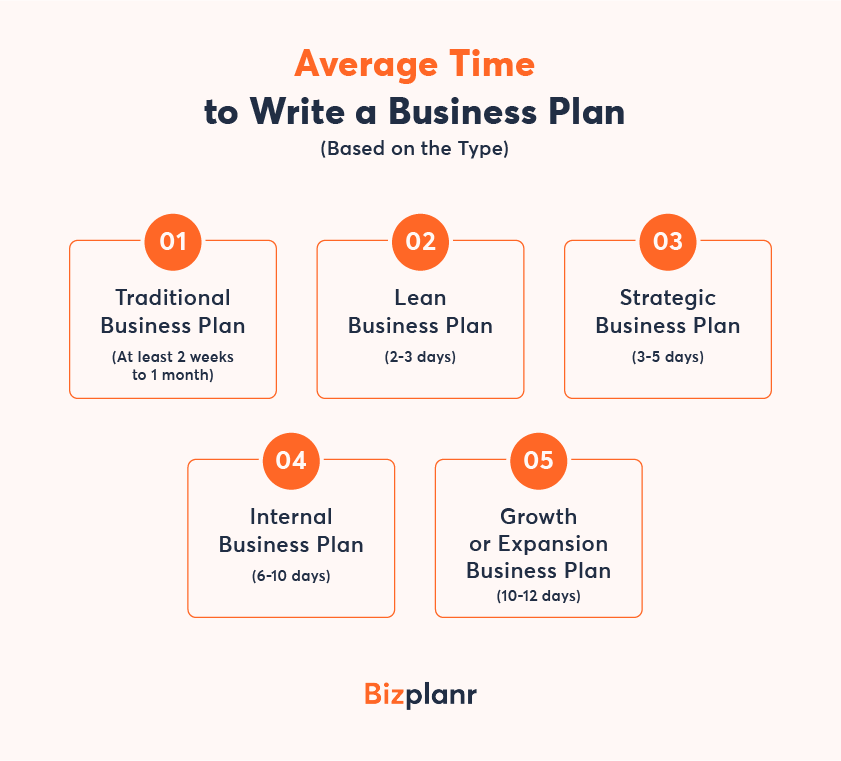
Inspired by the Lean Startup methodology, this plan prioritizes agility and iteration over exhaustive detail. It’s typically a short, concise document (often 5-10 pages) that focuses on the core elements of the business model: problem, solution, target market, value proposition, key metrics, channels, revenue streams, cost structure, and competitive advantage. The lean plan is excellent for internal use, quick pitches to early-stage investors, or when you’re rapidly testing hypotheses. It’s designed to be easily updated as you learn and pivot, making it a dynamic tool for navigating uncertainty. This format is a stark contrast to traditional lengthy plans, emphasizing validated learning and speed to market.
The Traditional Business Plan: Comprehensive Detail
This is what most people picture when they hear “business plan.” It’s a formal, detailed document that covers all aspects of the business in depth. Sections typically include an executive summary, company description, market analysis, organization and management, service or product line, marketing and sales strategy, funding request, and detailed financial projections. A traditional plan can range from 15 to 50 pages or more, depending on the business’s complexity and the funding needed. This format is often required for bank loans, larger venture capital rounds, or when you need to present a highly detailed case to a diverse group of stakeholders. While thorough, it demands significant time and effort to create and maintain.
The One-Page Business Plan: Executive Summary Power
At the extreme end of brevity is the one-page business plan, often presented as a business model canvas or a robust executive summary. This format forces you to condense your entire business idea into a single, highly impactful page. It’s incredibly challenging to craft but immensely effective for grabbing attention and quickly communicating your value proposition. It’s perfect for initial introductions to busy investors, networking events, or as an internal alignment tool to ensure everyone understands the core strategy. While not a standalone document for securing significant funding, it can serve as an exceptional entry point, prompting further interest and a request for a more detailed plan.
Crafting an Effective Business Plan, Regardless of Length
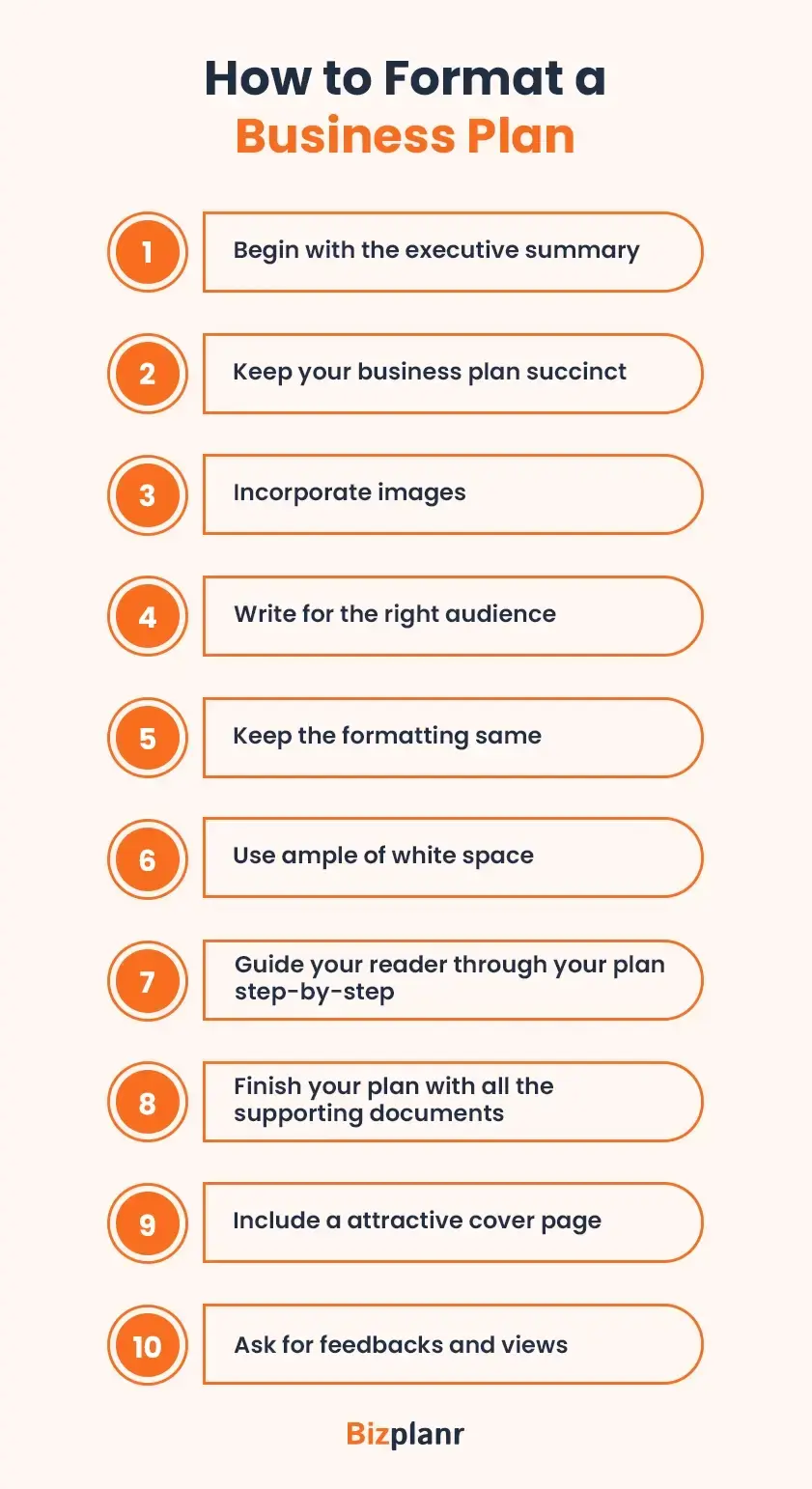
Regardless of whether your business plan is five pages or fifty, its effectiveness hinges on clarity, compelling content, and strategic thinking. The goal is always to communicate your vision, strategy, and financial viability in a way that resonates with your specific audience.
Essential Sections Every Plan Needs
While length varies, certain core sections are indispensable in almost any business plan:
- Executive Summary: A concise overview of your entire plan, highlighting key aspects, market opportunity, and financial projections. Often written last, but read first.
- Company Description: What your business does, its mission, vision, and legal structure.
- Products/Services: A detailed explanation of what you offer, its features, benefits, and unique selling proposition.
- Market Analysis: Understanding your target market, industry trends, and competitive landscape.
- Marketing and Sales Strategy: How you will reach customers, acquire sales, and grow your market share.
- Management Team: Profiles of key personnel, their experience, and why they are the right people to execute the plan.
- Financial Projections: Detailed forecasts of revenue, expenses, cash flow, profit and loss, and balance sheets (usually for 3-5 years). These are critical for any financial stakeholder.
- Funding Request (if applicable): A clear statement of how much capital is needed and how it will be utilized.
Tips for Conciseness and Clarity
To maximize impact while managing length:
- Focus on the “Why” and “How”: Clearly articulate the problem you’re solving and how your solution is unique and effective.
- Use Visuals: Charts, graphs, and infographics can convey complex information far more efficiently than dense text.
- Bullet Points and White Space: Improve readability and allow readers to quickly scan for key information.
- Eliminate Jargon: Write in plain, professional English that anyone can understand.
- Be Specific and Quantifiable: Back up claims with data, market research, and realistic numbers.
- Proofread Meticulously: Errors undermine professionalism and credibility.
The Iterative Process: Your Plan is a Living Document
Perhaps the most crucial insight is to view your business plan not as a static, final document but as a living, breathing guide. It should be revisited, reviewed, and revised regularly as your business evolves, market conditions change, and new opportunities or challenges arise. Whether it started as a lean, 10-page document or a comprehensive, 40-page blueprint, its value lies in its continuous relevance and its ability to adapt. For financial success, a business plan must be a dynamic tool that empowers informed decision-making and strategic growth, rather than a dusty manuscript that satisfies a one-time requirement. The optimal length is ultimately the length that effectively serves its current purpose, provides necessary detail, and remains agile enough to evolve with your business journey.
aViewFromTheCave is a participant in the Amazon Services LLC Associates Program, an affiliate advertising program designed to provide a means for sites to earn advertising fees by advertising and linking to Amazon.com. Amazon, the Amazon logo, AmazonSupply, and the AmazonSupply logo are trademarks of Amazon.com, Inc. or its affiliates. As an Amazon Associate we earn affiliate commissions from qualifying purchases.