
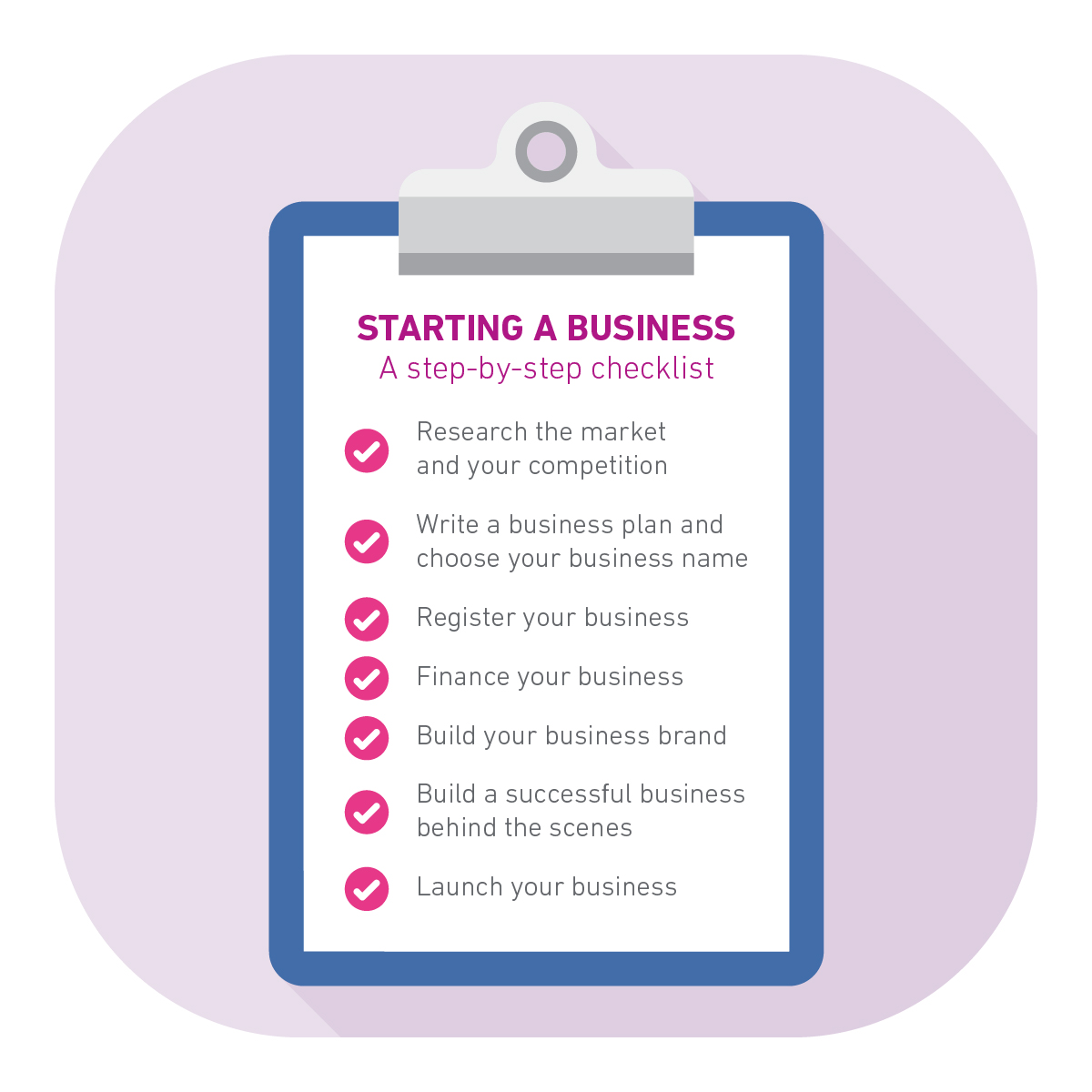
Embarking on the entrepreneurial journey is an exciting prospect, fraught with potential, challenges, and, critically, financial considerations. For many aspiring business owners, the initial thought of “how do I set up a business?” quickly leads to a cascade of questions centered around money: How much will it cost? Where will the capital come from? How do I ensure profitability and sustainability? This guide aims to demystify the financial aspects of launching a new venture, providing a professional, insightful, and engaging roadmap strictly from a monetary perspective. Understanding these financial pillars is not just about crunching numbers; it’s about building a resilient and prosperous future for your business.
I. Laying the Financial Foundation: Initial Planning and Capital
The very first step in setting up any business, regardless of its size or industry, is a meticulous financial groundwork. This involves understanding the economic landscape of your idea, quantifying your needs, and strategizing how to fund them. Without a solid financial foundation, even the most brilliant business concept can falter.
Understanding Your Business Model and Financial Projections
Before you invest a single dollar, you must deeply understand how your business will generate revenue and incur costs. This isn’t just a conceptual exercise; it’s about building a financial model. Ask yourself: What product or service will I sell? Who is my target customer, and what are they willing to pay? What are my direct costs for producing or delivering this offering (Cost of Goods Sold – COGS)? What are my fixed costs, regardless of sales volume (rent, salaries, utilities)?
Developing realistic financial projections is crucial. This typically includes:
- Sales Forecasts: Estimates of revenue over a specific period (e.g., 1-3 years), broken down by product/service. Base these on market research, competitor analysis, and conservative growth assumptions.
- Profit and Loss (P&L) Statement Projections: A forecast of your expected revenues, costs, and ultimately, your net profit or loss over a period. This will show if your business is financially viable.
- Cash Flow Projections: This is arguably the most important. It predicts the actual inflow and outflow of cash, helping you anticipate potential shortfalls and manage liquidity. A profitable business can still fail if it runs out of cash.
These projections will serve as your financial blueprint, guiding subsequent decisions and demonstrating viability to potential investors or lenders.
Estimating Startup Costs: The Initial Investment
Every business requires some level of initial investment. Identifying and accurately estimating these startup costs is paramount to avoid being undercapitalized, a common pitfall for new businesses. Startup costs can vary wildly depending on the nature of your business but generally fall into categories such as:
- Legal and Administrative Fees: Business registration, legal structure setup, permits, licenses, trademarks.
- Equipment and Inventory: Machinery, tools, office equipment, initial stock of goods, raw materials.
- Technology and Software: Computers, specialized software (CRM, accounting, project management), website development, domain registration.
- Rent and Utilities: Security deposits, initial months of rent, utility hook-up fees.
- Marketing and Branding: Logo design, initial advertising campaigns, website content creation.
- Salaries and Wages: Initial employee salaries, including your own, for the first few months before revenue stabilizes.
- Insurance: Business liability, property, workers’ compensation.
- Working Capital Buffer: Funds set aside to cover operating expenses for the first 3-6 months, especially before substantial revenue starts flowing in. This is critical for survival.
Thorough research and obtaining multiple quotes for each expense item will help you create a realistic and comprehensive startup budget. It’s always wise to add a contingency fund (15-20% of your total estimated costs) for unforeseen expenses.
Funding Your Venture: Exploring Capital Sources
Once you have a clear picture of your startup costs and ongoing financial needs, the next challenge is securing the necessary capital. There are several avenues for funding, each with its own advantages and disadvantages from a financial perspective.
- Self-Funding (Bootstrapping): Using personal savings, credit cards, or loans from friends and family. This offers maximum control but can put personal assets at risk. It’s often the first step for many small businesses.
- Debt Financing:
- Bank Loans: Traditional small business loans, lines of credit. Require a solid business plan, collateral, and good credit history.
- SBA Loans: Government-backed loans (in the US, Small Business Administration) which offer more favorable terms for qualified small businesses.
- Microloans: Smaller loans from non-profit organizations, often aimed at underserved entrepreneurs.
- Equity Financing:
- Angel Investors: High-net-worth individuals who invest in early-stage companies in exchange for equity. They often provide mentorship as well.
- Venture Capital (VC) Firms: Professional investors who fund high-growth potential startups in exchange for significant equity. Typically for businesses seeking rapid scaling.
- Crowdfunding (Equity-Based): Raising small amounts of capital from a large number of people in exchange for equity, popular on platforms like SeedInvest or StartEngine.
- Grants: Non-repayable funds, often from government agencies or foundations, for businesses in specific sectors or those that meet certain criteria (e.g., innovation, social impact). Highly competitive.
The choice of funding will significantly impact your business’s financial structure, ownership, and future obligations. Carefully evaluate the terms, repayment schedules, and equity dilution before committing.
Crafting a Robust Business Plan with Financials
While not solely a financial document, a business plan is incomplete without a comprehensive financial section. This document articulates your business idea, strategies, and, crucially, its financial viability. For lenders and investors, the financial projections are often the most scrutinized part.
Your financial plan within the business plan should include:
- Startup Cost Breakdown: Detailed list of all initial expenses.
- Funding Request: How much money you need and how it will be used.
- Financial Projections: Your projected P&L, cash flow, and balance sheets for at least 3-5 years.
- Break-Even Analysis: The point at which your total revenue equals your total costs, indicating when your business will become profitable.
- Key Financial Assumptions: Clearly state the assumptions underpinning your forecasts (e.g., average sale price, customer acquisition cost, growth rate).
- Exit Strategy (if applicable): For equity investors, how they can expect to get a return on their investment (e.g., acquisition, IPO).
A well-researched and clearly articulated financial section in your business plan demonstrates foresight, reduces perceived risk, and is essential for securing external funding.
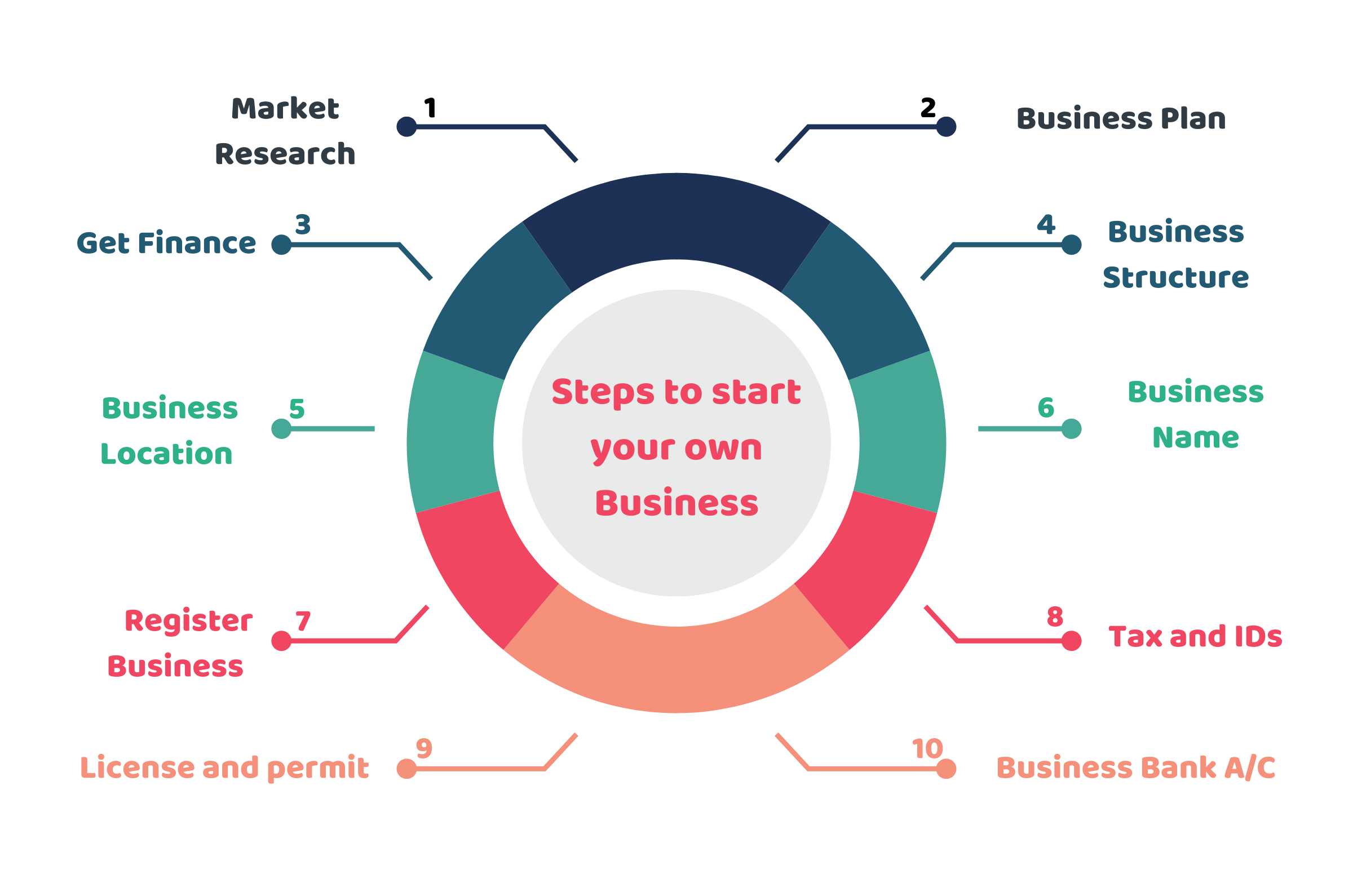
II. Legal and Regulatory Frameworks: The Cost of Compliance
Establishing the correct legal and regulatory structure is more than just paperwork; it has profound financial implications for your business, affecting liability, taxation, and administrative costs. Navigating these requirements correctly from the outset can save significant money and legal headaches down the line.
Choosing the Right Legal Structure: Sole Proprietor, LLC, Corporation
The legal structure you choose impacts everything from how you pay taxes to your personal liability for business debts. Each option has distinct financial ramifications:
- Sole Proprietorship: Simple to set up, minimal initial costs. The business and owner are legally the same, meaning personal assets are at risk for business debts. Taxes are filed on your personal income tax return.
- Partnership: Similar to sole proprietorship but with two or more owners. Financial responsibilities and profits are shared as per a partnership agreement. Personal liability often remains.
- Limited Liability Company (LLC): Offers personal liability protection (separates personal and business assets) while providing flexible tax treatment. Can be taxed as a sole proprietorship, partnership, or even a corporation. Moderate setup and annual maintenance costs. This is often a popular choice for small to medium businesses due to its balance of protection and simplicity.
- Corporation (S-Corp, C-Corp): Provides the strongest personal liability protection, as the corporation is a separate legal entity. More complex and expensive to set up and maintain, with more rigorous reporting requirements. C-Corps face “double taxation” (corporate profits taxed, then dividends to shareholders taxed). S-Corps allow profits and losses to be passed directly to the owners’ personal income without being subject to corporate tax rates, avoiding double taxation.
Your choice should consider your risk tolerance, the number of owners, capital needs, and tax strategy. Consulting with an accountant or business attorney is highly recommended to make the most financially advantageous decision.
Understanding Tax Obligations and EIN
Taxes are an unavoidable and significant financial aspect of running a business. Failing to understand and comply with tax obligations can lead to severe penalties.
- Employer Identification Number (EIN): Most businesses will need an EIN from the IRS (or equivalent tax authority in your country), which acts as a social security number for your business. It’s required for hiring employees, opening a business bank account, and filing certain tax returns.
- Federal, State, and Local Taxes: Depending on your legal structure, industry, and location, you may be subject to various taxes, including:
- Income Tax: On business profits.
- Self-Employment Tax: For sole proprietors and partners, covering Social Security and Medicare.
- Payroll Taxes: For employees (Social Security, Medicare, unemployment).
- Sales Tax: If you sell taxable goods or services.
- Property Tax: On business real estate or tangible personal property.
- Excise Tax: On certain goods or services (e.g., fuel, tobacco).
Setting aside funds regularly for tax payments is crucial. Many small businesses pay estimated taxes quarterly to avoid a large bill and potential penalties at year-end. Implementing a robust accounting system from day one will make tax preparation much smoother and help identify potential deductions.
Licenses, Permits, and Insurance: Essential Financial Safeguards
Beyond the legal structure, most businesses require specific licenses and permits to operate legally, and insurance to protect against financial risks. These are often mandatory costs of doing business.
- Business Licenses: A general business license may be required by your city or county to operate any business within their jurisdiction.
- Professional/Industry-Specific Licenses: Certain professions (e.g., healthcare, food service, construction) require specific state or federal licenses to ensure compliance with health, safety, or professional standards.
- Zoning Permits: If you plan to operate from a physical location, you’ll need to ensure your business activities comply with local zoning laws and obtain appropriate permits.
- Health Permits: For businesses handling food or those with public contact points.
Business Insurance: This is a non-negotiable financial safeguard. The cost of a lawsuit, property damage, or an employee injury can be catastrophic for a new business without adequate coverage. Essential types of business insurance include:
- General Liability Insurance: Protects against claims of bodily injury, property damage, and advertising injury to third parties.
- Property Insurance: Covers damage to your business’s physical assets (buildings, equipment, inventory).
- Professional Liability (E&O) Insurance: For service-based businesses, protects against claims of negligence or errors in professional services.
- Workers’ Compensation Insurance: Mandatory in most states if you have employees, covering medical costs and lost wages for work-related injuries.
- Business Interruption Insurance: Replaces lost income and covers extra expenses if your business is forced to close temporarily due to a covered peril.
Factor these recurring costs into your budget from the outset. They are investments in your business’s financial stability and continuity.
III. Operationalizing Your Business: Managing Finances Day-to-Day
Once the foundational setup is complete, the focus shifts to the ongoing financial management that underpins daily operations. Effective financial management isn’t just about tracking money; it’s about making informed decisions that ensure sustained profitability and growth.
Setting Up Business Banking and Accounting Systems
A fundamental step for any new business is to separate personal and business finances. This is not only a legal requirement for certain structures (like LLCs and corporations) but also crucial for financial clarity, tax preparation, and projecting a professional image.
- Business Bank Account: Open a dedicated checking and savings account for your business. This makes tracking income and expenses infinitely easier and simplifies tax filing. Many banks offer business accounts with features tailored for small businesses.
- Business Credit Card: A dedicated business credit card can help build business credit history, offers an emergency spending option, and further separates personal from business expenses.
- Accounting Software: Invest in good accounting software (e.g., QuickBooks, Xero, FreshBooks). This is a critical financial tool for:
- Tracking Income and Expenses: Categorize every transaction for accurate financial reporting.
- Invoicing and Billing: Generate professional invoices and track payments.
- Bank Reconciliation: Match your bank statements to your financial records.
- Financial Reporting: Generate P&L statements, balance sheets, and cash flow reports.
- Tax Preparation: Streamline the process of gathering data for your tax accountant.
Even if you hire a bookkeeper or accountant, understanding how to use these systems and reviewing financial reports regularly is vital for informed decision-making.
Budgeting for Operational Expenses
Beyond the initial startup costs, your business will have ongoing operational expenses that need careful budgeting and monitoring. These are the costs incurred to keep your business running day-to-day.
- Fixed Costs: Expenses that generally remain constant regardless of your sales volume (e.g., rent, insurance premiums, software subscriptions, salaries for administrative staff).
- Variable Costs: Expenses that fluctuate directly with your production or sales volume (e.g., raw materials, packaging, shipping costs, sales commissions).
- Marketing & Sales Costs: Ongoing advertising, promotion, website maintenance, sales team expenses.
- Administrative Costs: Office supplies, utilities, professional fees (accountant, lawyer).
Creating a detailed operational budget and comparing actual expenses against it will help you identify areas for cost savings, optimize spending, and ensure you’re not overspending in any particular area. Regular budget reviews are essential, especially as your business grows and evolves.
Pricing Strategies and Revenue Generation
How you price your products or services directly impacts your revenue and profitability. This is a critical financial decision that needs careful consideration.
- Cost-Plus Pricing: Calculate your total costs (fixed + variable) per unit, then add a desired profit margin. Simple, but might not reflect market value.
- Value-Based Pricing: Price based on the perceived value of your product or service to the customer, rather than just your costs. Requires a strong understanding of your target market and competitive landscape.
- Competitor-Based Pricing: Set prices based on what your competitors are charging. Useful for competitive markets, but be careful not to undervalue your unique offering.
- Penetration Pricing: Set a low initial price to attract customers and gain market share, then gradually increase it.
- Skimming Pricing: Set a high initial price for a new, unique product and then lower it over time as competitors enter the market.
Beyond the initial price, consider payment terms, discounts, bundles, and subscription models. Your pricing strategy must cover your costs, generate a sustainable profit margin, and be attractive to your target customers while reflecting your brand’s value.
Managing Cash Flow and Working Capital
Cash flow is the lifeblood of any business. It’s the movement of money in and out of your business. Positive cash flow means more money is coming in than going out, allowing you to pay expenses, invest, and grow.
- Cash Flow Management: Regularly monitor your cash flow projections against actual inflows and outflows. Identify potential cash gaps before they occur.
- Accounts Receivable Management: Ensure you invoice promptly and follow up on overdue payments. Delayed payments can severely impact your cash flow. Consider offering early payment discounts.
- Accounts Payable Management: Manage your own payments to suppliers strategically. Take advantage of payment terms, but avoid late payments that could harm relationships or incur penalties.
- Working Capital: This is the difference between your current assets (cash, accounts receivable, inventory) and current liabilities (accounts payable, short-term debt). Adequate working capital is essential to cover short-term operational needs. Too little can lead to liquidity issues; too much can indicate inefficient use of assets.
Effective cash flow and working capital management ensure your business has the funds it needs to operate smoothly, capitalize on opportunities, and withstand unexpected financial challenges.
IV. Growth, Scaling, and Financial Sustainability
Setting up a business is just the beginning. For long-term success, you must focus on financial sustainability and strategic growth. This involves continuous financial monitoring, astute reinvestment, and adapting your financial strategy as your business evolves.
Reinvesting Profits for Expansion
Once your business achieves profitability, a crucial financial decision is how to allocate those profits. While taking some personal income is warranted, strategic reinvestment is key to sustainable growth.
- Expanding Product/Service Lines: Investing in research and development for new offerings.
- Increasing Marketing Spend: Scaling up advertising, digital marketing, or sales efforts to reach a broader audience.
- Hiring Talent: Expanding your team to increase capacity or bring in specialized skills.
- Technology Upgrades: Investing in better software, equipment, or infrastructure to improve efficiency and capability.
- Market Expansion: Opening new locations, entering new geographical markets, or exploring international opportunities.
Each reinvestment decision should be driven by a clear financial justification, with expected returns and impact on profitability carefully analyzed. It’s a balance between growth and maintaining a healthy cash reserve.
Monitoring Financial Performance: Key Metrics and KPIs
You can’t manage what you don’t measure. Regularly monitoring key financial metrics and Key Performance Indicators (KPIs) is fundamental for understanding your business’s health and making data-driven decisions.
- Revenue Growth: Track month-over-month and year-over-year revenue increases.
- Gross Profit Margin: (Revenue – COGS) / Revenue. Indicates the profitability of your core products/services.
- Net Profit Margin: Net Profit / Revenue. Shows overall business profitability after all expenses.
- Customer Acquisition Cost (CAC): Total sales and marketing expenses / Number of new customers. How much it costs to acquire a new customer.
- Customer Lifetime Value (CLTV): The total revenue a customer is expected to generate over their relationship with your business. Comparing CLTV to CAC is crucial for marketing ROI.
- Burn Rate (for startups): How quickly your business is spending its cash reserves before becoming profitable.
- Return on Investment (ROI): The profitability of an investment relative to its cost.
Regularly reviewing these and other relevant KPIs will provide early warning signs of financial issues and highlight areas of success to be replicated. Financial dashboards and regular meetings with your accountant or finance team can facilitate this.

Adapting to Market Changes and Financial Resilience
The business landscape is dynamic, and financial strategies must be adaptable. Economic downturns, shifts in consumer behavior, technological advancements, or increased competition can all impact your financial outlook.
- Scenario Planning: Develop contingency plans for different financial scenarios (e.g., a 10% drop in sales, a significant increase in material costs). How would you react financially?
- Building Cash Reserves: Maintain a healthy cash reserve (e.g., 3-6 months of operating expenses) to weather unexpected challenges or capitalize on sudden opportunities.
- Diversifying Revenue Streams: Relying on a single product or customer segment can be financially risky. Explore diversification to spread risk.
- Continuous Cost Optimization: Regularly review expenses to identify opportunities for efficiency and cost reduction without sacrificing quality or customer experience.
- Staying Informed: Keep abreast of economic trends, industry changes, and new financial regulations that could impact your business.
Ultimately, setting up a business is a continuous financial endeavor. It requires diligent planning, careful management, and a proactive approach to ensure not just survival, but sustained growth and profitability. By mastering these monetary aspects, you equip your entrepreneurial venture with the financial resilience it needs to thrive in the long run.
aViewFromTheCave is a participant in the Amazon Services LLC Associates Program, an affiliate advertising program designed to provide a means for sites to earn advertising fees by advertising and linking to Amazon.com. Amazon, the Amazon logo, AmazonSupply, and the AmazonSupply logo are trademarks of Amazon.com, Inc. or its affiliates. As an Amazon Associate we earn affiliate commissions from qualifying purchases.