
The aroma of a sizzling patty, the crunch of fresh lettuce, the perfect melt of cheese – these sensory delights have long defined the burger experience. For decades, ordering a burger meant a trip to a diner, a call to a local joint, or a hurried drive-thru. Today, however, that experience has been fundamentally reshaped by technology. The phrase “order online” has transitioned from a niche convenience to an indispensable pillar of the fast-casual dining industry, fundamentally altering how consumers interact with their favorite burger establishments. This digital transformation, driven by a confluence of innovative software, robust infrastructure, and evolving consumer habits, places technology at the heart of the modern burger business.
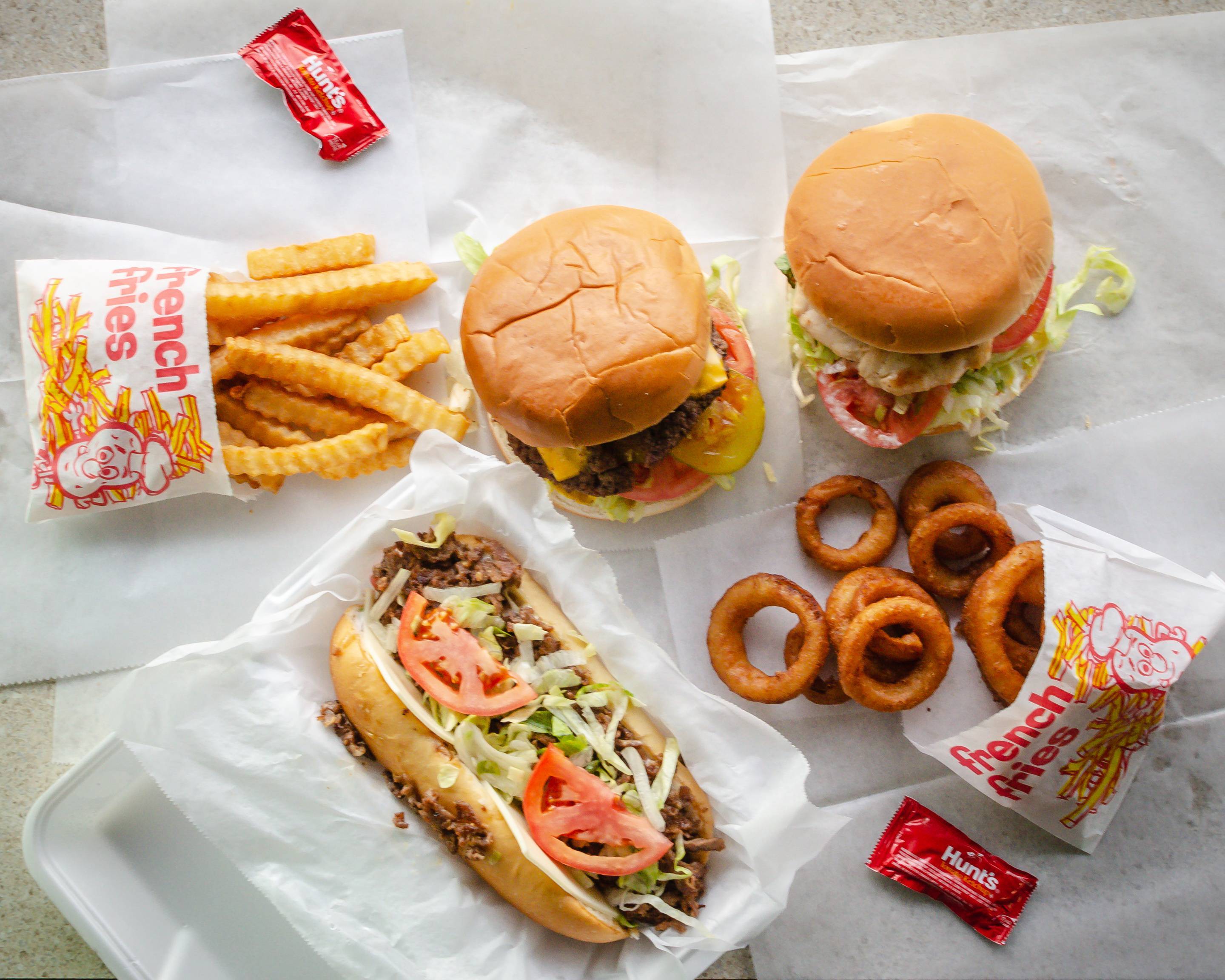
This article delves into the technological underpinnings of online burger ordering, exploring the systems, platforms, and innovations that enable seamless digital transactions. We will examine the core technologies that power these operations, the strategic advantages they confer, the technical challenges that must be overcome, and the exciting future directions where digital burger ordering is headed. Our focus remains firmly on the technological lens, dissecting the engineering and architecture behind every click, tap, and delivered meal.
The Digital Revolution of Fast Casual Dining
The culinary world, traditionally slow to adopt radical technological shifts, has embraced digital transformation with unprecedented speed, particularly within the fast-casual segment. The humble burger, a global culinary icon, has become a prime example of how technology can enhance, streamline, and redefine a traditional product.
From Counter to Click: The Paradigm Shift
The move from physical counter service to digital ordering platforms represents more than just a change in transaction method; it signifies a fundamental paradigm shift in customer engagement and operational workflow. Historically, burger joints relied on human interaction for order taking, often leading to potential errors, slower service during peak hours, and limited customization options. The advent of online ordering systems has effectively digitized these processes, offloading the initial transaction from human staff to automated software interfaces. This includes everything from menu browsing and selection to customization (e.g., “extra pickles, no onions”), payment processing, and order confirmation.
This shift is powered by sophisticated web applications and mobile apps, which serve as the primary interface. These applications are built on modern web frameworks (like React, Angular, Vue.js for the front-end) and robust back-end systems (Python with Django/Flask, Node.js with Express, Ruby on Rails, or Java with Spring Boot). They interact with databases that store menu items, pricing, user profiles, and order history, all designed for high availability and low latency, ensuring a smooth user experience even under heavy load. The transition also necessitates robust cloud infrastructure (AWS, Azure, Google Cloud) to host these applications, providing scalability and reliability that on-premise solutions struggle to match.
Meeting the Modern Consumer: Expectations vs. Reality
Today’s consumer lives in a hyper-connected world, accustomed to instant gratification and personalized experiences across various digital touchpoints. This expectation extends directly to food ordering. A modern burger joint is no longer just competing on taste and price; it’s also competing on convenience, speed, and the seamlessness of its digital ordering process. A clunky app, a slow website, or a complicated checkout flow can deter customers just as effectively as a mediocre burger.
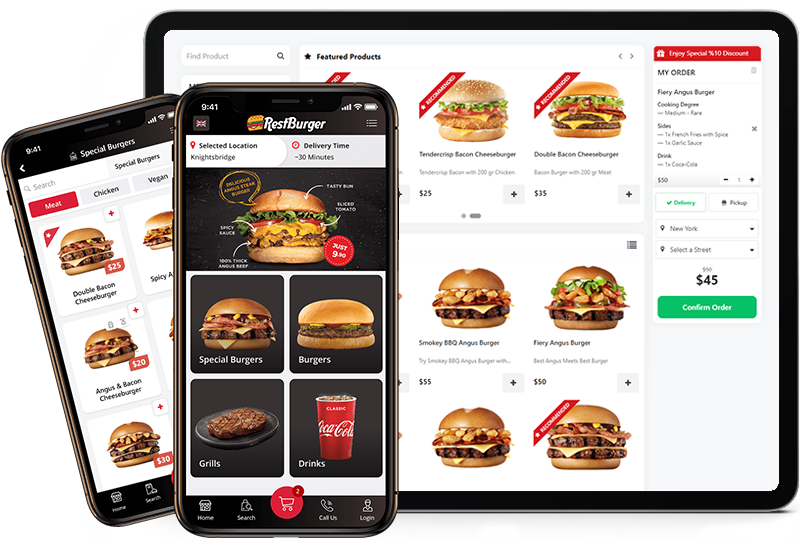
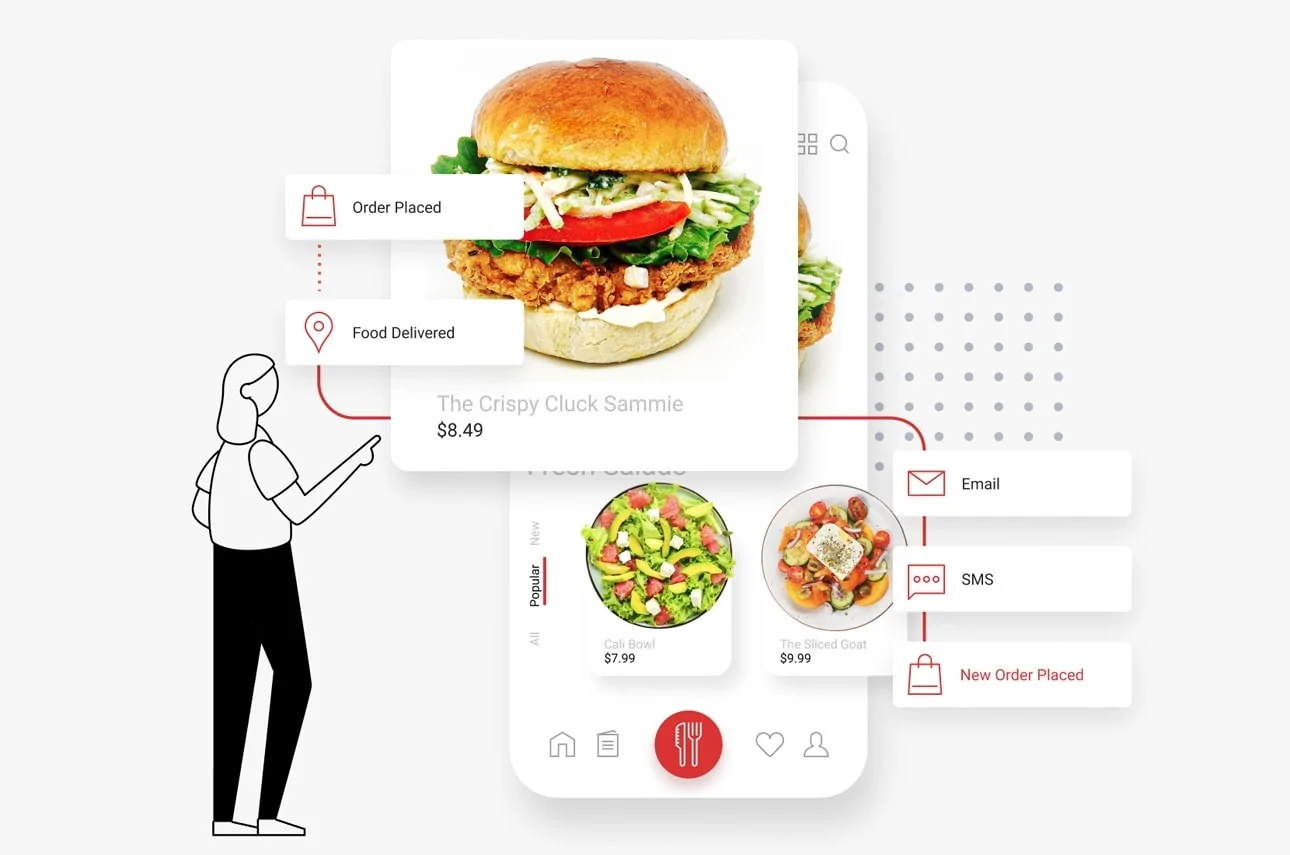
Meeting these expectations requires not just having an online ordering system, but having a superior one. This means investing in intuitive User Interface (UI) and User Experience (UX) design, ensuring the platform is mobile-first, and providing features like order tracking, secure payment options, and accessible customer support channels. Reality dictates that consumers expect real-time updates on their order status, accurate delivery estimates, and a personalized experience based on past orders or preferences. The underlying technology must support this complexity, integrating real-time data feeds from kitchen management systems and delivery logistics platforms to provide accurate, up-to-the-minute information to the customer, ensuring their digital experience mirrors the efficiency and satisfaction they seek.
Core Technologies Powering Online Burger Orders
The magic behind ordering a burger online isn’t a single application but a sophisticated ecosystem of interconnected technologies working in harmony. Each component plays a vital role in ensuring a smooth journey from the customer’s click to the delivered meal.
The Front-End Experience: Intuitive Websites and Mobile Apps
The customer-facing side of online ordering is typically a combination of a dedicated website and mobile applications (iOS and Android). These are the “digital storefronts” where customers browse menus, customize orders, and make payments.
- Responsive Web Design: Websites are built with responsive design principles, ensuring they adapt seamlessly to various screen sizes, from desktops to tablets and smartphones. This often involves HTML5, CSS3, and JavaScript frameworks.
- Mobile Applications: Native mobile apps offer superior performance, access to device-specific features (like push notifications, GPS for location services), and a more integrated user experience. They are developed using Swift/Kotlin or cross-platform frameworks like React Native or Flutter.
- Menu Management Systems (MMS): Integrated into the front-end, MMS allow for dynamic updating of menus, pricing, promotional offers, and availability in real-time. This system typically has a content management system (CMS) for administrators to manage inventory and offerings.
- Personalization Engines: Advanced platforms use algorithms to suggest items based on past orders, popular choices, or even time of day, enhancing the user experience and potentially increasing order value. This requires robust data analytics and machine learning capabilities.
Back-End Infrastructure: POS Integration and Kitchen Workflow Optimization
Behind the sleek customer interface lies a complex network of systems that process orders and manage operations.
- Point-of-Sale (POS) Integration: This is perhaps the most critical integration. When an order is placed online, it must be instantly and accurately transmitted to the restaurant’s POS system. This integration ensures that online orders are handled alongside in-house orders, maintaining inventory accuracy, sales tracking, and synchronized pricing. APIs (Application Programming Interfaces) are the backbone of this communication, allowing disparate systems to talk to each other.
- Kitchen Display Systems (KDS): Instead of paper tickets, many modern burger joints use KDS. Online orders are displayed on screens in the kitchen, often color-coded by urgency or order type. KDS facilitate efficient workflow, allow for tracking preparation times, and help manage order queueing, reducing errors and speeding up service.
- Order Management Systems (OMS): These systems sit between the front-end and the kitchen, orchestrating the entire order lifecycle. They handle order routing, status updates, problem resolution, and communication with delivery partners.
- Inventory Management Systems: Integrated with POS, these systems automatically deduct ingredients from stock as orders are processed, providing real-time inventory levels and triggering reorder alerts. This reduces waste and ensures availability of popular items.
Secure Transactions and Data Management
The digital nature of online ordering introduces critical requirements for security and data handling.
- Payment Gateway Integration: Secure payment processing is paramount. Online ordering platforms integrate with third-party payment gateways (e.g., Stripe, PayPal, Square, local payment solutions) that handle credit card processing, digital wallets, and other payment methods. These gateways are PCI DSS compliant, ensuring secure handling of sensitive financial data.
- SSL/TLS Encryption: All data transmitted between the customer’s device and the server, especially payment information, is encrypted using SSL/TLS protocols to prevent eavesdropping and data tampering.
- Database Security: Customer data (names, addresses, order history) is stored in secure databases, often encrypted at rest and in transit. Access controls, regular audits, and vulnerability assessments are critical to protect against breaches. Compliance with data privacy regulations like GDPR and CCPA is also a key technical consideration.
- Fraud Detection: Advanced systems employ algorithms and machine learning to detect and prevent fraudulent transactions, protecting both the customer and the business.
Strategic Technological Advantages for Burger Joints
Embracing online ordering isn’t just about keeping up with trends; it offers tangible strategic advantages that can significantly impact a burger joint’s operations, customer relationships, and overall market position, all driven by the underlying technology.
Enhancing Operational Efficiency through Automation
The automation inherent in online ordering systems fundamentally transforms back-of-house operations.
- Reduced Manual Errors: Digitizing the order-taking process drastically reduces human errors associated with misheard orders or manual data entry. This translates to fewer remakes, less food waste, and higher customer satisfaction.
- Optimized Staff Allocation: With customers entering their own orders and payments, staff can be reallocated from order-taking to food preparation, customer service, or delivery logistics, leading to more efficient labor utilization.
- Streamlined Kitchen Workflow: KDS and integrated OMS ensure a steady, organized flow of orders to the kitchen. Batching similar items, prioritizing orders, and providing clear preparation instructions directly on screens contribute to faster ticket times and improved kitchen throughput, especially during peak hours.
- Faster Service & Throughput: The entire process, from order placement to pickup/delivery, is accelerated. Customers can order ahead, reducing wait times, and kitchens can operate more efficiently, serving more customers in the same timeframe.
Data-Driven Insights for Menu Optimization and Customer Engagement
One of the most powerful advantages of digital ordering is the sheer volume of data it generates. This data, when properly collected, analyzed, and leveraged, becomes an invaluable asset.
- Sales Analytics: Detailed reports on popular menu items, peak ordering times, average order value, and combo preferences provide crucial insights for menu development and promotional strategies. This data can inform decisions on ingredient purchasing, staffing levels, and even new product launches.
- Customer Behavior Analysis: Tracking customer ordering habits, preferences, and demographics allows burger joints to understand their clientele better. This data can be used to identify loyal customers, target specific segments with personalized offers, and tailor the overall experience.
- Personalization & Loyalty Programs: Technology enables sophisticated loyalty programs that track purchases, award points, and offer personalized discounts or rewards. Machine learning algorithms can predict future purchasing behavior, allowing for proactive, targeted engagement that fosters brand loyalty.
- A/B Testing: Online platforms facilitate A/B testing of menu layouts, pricing strategies, promotional messages, and even new product descriptions. This allows businesses to make data-backed decisions about what resonates best with their audience, continually optimizing their digital offerings.
Scalability and Reach: Expanding Market Footprint Digitally
Online ordering inherently breaks down geographical barriers and allows businesses to scale operations more flexibly.
- Wider Customer Reach: A digital storefront is accessible 24/7 (within operational hours) from anywhere with an internet connection. This significantly expands a burger joint’s potential customer base beyond its immediate physical vicinity.
- Support for Multiple Locations: For chains or franchises, a centralized online ordering system simplifies management across multiple outlets. It ensures consistency in branding, pricing, and menu offerings while allowing individual locations to manage their specific inventory and operational hours.
- Integration with Third-Party Delivery Platforms: Technology enables seamless integration with major food delivery aggregators (Uber Eats, DoorDash, Grubhub, Deliveroo). While these platforms take a cut, they provide access to an even broader customer base and handle the complex logistics of delivery, allowing burger joints to focus on food preparation.
- Virtual Brands & Ghost Kitchens: Online ordering is the foundation for the burgeoning trend of virtual brands and ghost kitchens. These “restaurants” exist solely online, optimizing for delivery and minimizing overhead, leveraging existing kitchen infrastructure to launch new concepts without a physical storefront, purely through digital channels.
Navigating Technical Challenges and Ensuring Robustness
While the benefits of online ordering are undeniable, implementing and maintaining such a system is not without its technical hurdles. Addressing these challenges is crucial for long-term success and to prevent negative customer experiences.
Cybersecurity and Data Privacy Imperatives
The digital realm is a constant target for cyber threats. Burger joints collecting customer data and processing payments become custodians of sensitive information, requiring robust cybersecurity measures.
- Threat Landscape: Businesses face risks such as data breaches, ransomware attacks, denial-of-service (DoS) attacks, and phishing scams. These can compromise customer data, disrupt operations, and severely damage reputation.
- Implementing Security Protocols: This involves using strong encryption for data in transit and at rest, implementing multi-factor authentication for administrative access, regular security audits, penetration testing, and employee training on security best practices.
- Compliance with Regulations: Adhering to global data privacy regulations like GDPR (Europe), CCPA (California), and PCI DSS (for payment card handling) is not optional. It requires careful data mapping, consent management, and strict data retention policies, all of which are complex technical and legal undertakings.
- Incident Response Planning: Having a well-defined incident response plan is critical to mitigate the damage of a security breach, including forensic analysis, containment, eradication, and recovery strategies.
System Integration Complexities and Downtime Mitigation
The ecosystem of online ordering involves numerous interconnected systems, and ensuring they all communicate flawlessly is a significant technical challenge.
- API Management: Integrating POS, KDS, payment gateways, delivery platforms, and loyalty programs requires robust API management. Issues with API compatibility, versioning, and latency can lead to system failures, lost orders, or incorrect information.
- Scalability Challenges: Traffic can surge unexpectedly during peak hours, holidays, or viral marketing campaigns. The underlying infrastructure must be capable of scaling dynamically (e.g., using auto-scaling groups in cloud environments) to handle increased load without performance degradation or crashes.
- Downtime and Reliability: Any system downtime directly translates to lost sales and customer frustration. Implementing high-availability architectures, redundant systems, failover mechanisms, and comprehensive monitoring (with alerts) is essential to minimize service interruptions.
- Legacy System Integration: Many existing burger joints have older POS or back-office systems. Integrating these legacy systems with modern online ordering platforms can be particularly complex and costly, often requiring custom development or middleware solutions.
User Experience (UX) Design and Continuous Improvement
A technically sound backend is useless if the front-end user experience is frustrating or inefficient.
- Intuitive Navigation: Customers expect a clean, intuitive interface that makes finding items, customizing orders, and checking out effortless. Poor UX can lead to abandoned carts and lost sales.
- Performance and Speed: Slow loading times, buggy interfaces, or unresponsive elements are major deterrents. Optimizing image sizes, leveraging content delivery networks (CDNs), and efficient code are crucial.
- Mobile-First Approach: Given the dominance of smartphones, designing the online ordering platform with a mobile-first philosophy is critical. This ensures the experience is optimized for smaller screens and touch interactions.
- Feedback Loops and Iteration: Continuous improvement requires collecting user feedback (through surveys, reviews, analytics) and iteratively updating the platform. This means having a development team capable of rapid prototyping, testing, and deployment to address issues and introduce new features regularly.
The Future of Online Burger Ordering: Innovations on the Horizon
The technological evolution of online burger ordering is far from complete. Emerging technologies promise to further revolutionize how we select, purchase, and consume our favorite burgers, pushing the boundaries of convenience, personalization, and operational efficiency.
AI-Powered Personalization and Predictive Ordering
Artificial intelligence and machine learning are poised to elevate the online ordering experience from convenient to hyper-personalized.
- Predictive Ordering: AI algorithms, analyzing vast datasets of past orders, weather patterns, local events, and individual preferences, will be able to predict what a customer is likely to order even before they open the app. Imagine receiving a push notification for “your usual combo” just as you’re leaving work.
- Dynamic Pricing and Promotions: AI can analyze real-time demand, ingredient costs, and competitor pricing to dynamically adjust menu prices or offer personalized discounts, maximizing revenue and customer engagement.
- Voice AI and Conversational Ordering: Integration with smart speakers (Amazon Alexa, Google Assistant) and sophisticated chatbots will allow customers to order burgers through natural language commands, making the process even more hands-free and seamless.
- Automated Customer Support: AI-powered chatbots will handle routine customer inquiries (order status, menu questions, common issues), freeing human staff for more complex problem-solving.
Emerging Delivery Technologies: Drones and Autonomous Vehicles
The “last mile” of food delivery remains a significant logistical and cost challenge. Future technologies aim to automate and optimize this critical step.
- Drone Delivery: In areas with favorable regulations and infrastructure, drones could deliver smaller orders quickly and efficiently, bypassing traffic congestion. This requires advanced navigation systems, payload management, and robust regulatory frameworks.
- Autonomous Ground Vehicles (AGVs): Self-driving robots and vehicles are being tested for local deliveries, especially for bulk orders or in areas with predictable routes. These vehicles combine AI, GPS, Lidar, and sensor fusion for safe navigation.
- Temperature-Controlled Containers: Whether via drone or AGV, the technology for maintaining optimal food temperature during transit (heating and cooling elements, insulated compartments) will be crucial for preserving food quality.
- Optimized Routing and Logistics: Advanced AI algorithms will continue to optimize delivery routes, batch orders efficiently, and manage a fleet of traditional and autonomous delivery vehicles, minimizing delivery times and costs.
The Metaverse Menu: Augmented Reality and Immersive Experiences
Beyond functional convenience, future technologies aim to make the digital ordering experience more engaging and immersive.
- Augmented Reality (AR) Menus: Imagine holding your phone up and seeing a 3D, life-sized rendering of your burger choice appear on your table, allowing you to examine it from all angles before ordering. AR can enhance customization by visually demonstrating ingredient additions or removals.
- Virtual Reality (VR) “Taste Tests”: While truly tasting food in VR is a distant prospect, VR could offer immersive brand experiences, allowing customers to “virtually visit” the burger joint, learn about ingredients, or even watch a virtual chef prepare their meal.
- Gamified Ordering: Integrating gamification elements into ordering apps (e.g., earning virtual badges, leaderboards for loyal customers, interactive challenges) could increase engagement and repeat business.
- NFTs and Digital Collectibles: The blockchain and NFTs could be used for loyalty programs, offering exclusive digital collectibles or access to unique menu items as rewards, creating a new layer of brand interaction.
In conclusion, “what a burger order online” is far more than a simple transaction; it represents a triumph of technological integration and a relentless pursuit of efficiency and customer satisfaction. From the robust back-end systems processing orders to the intuitive front-end applications guiding customer choices, technology is the silent, yet powerful, engine driving this culinary revolution. As innovation continues at a rapid pace, the future promises even more sophisticated, personalized, and seamless ways to enjoy our favorite burgers, all orchestrated by the ever-evolving landscape of digital technology.
aViewFromTheCave is a participant in the Amazon Services LLC Associates Program, an affiliate advertising program designed to provide a means for sites to earn advertising fees by advertising and linking to Amazon.com. Amazon, the Amazon logo, AmazonSupply, and the AmazonSupply logo are trademarks of Amazon.com, Inc. or its affiliates. As an Amazon Associate we earn affiliate commissions from qualifying purchases.