
For seasoned investors and curious newcomers alike, understanding the daily rhythm of the stock market is fundamental. The New York Stock Exchange (NYSE), a cornerstone of global finance, operates within specific hours, and knowing these times is crucial for strategic trading, portfolio management, and avoiding missed opportunities or unexpected order executions. Today, like most standard trading days, the NYSE will adhere to its regular schedule, marking the close of its primary trading session at a precise moment that impacts markets worldwide.
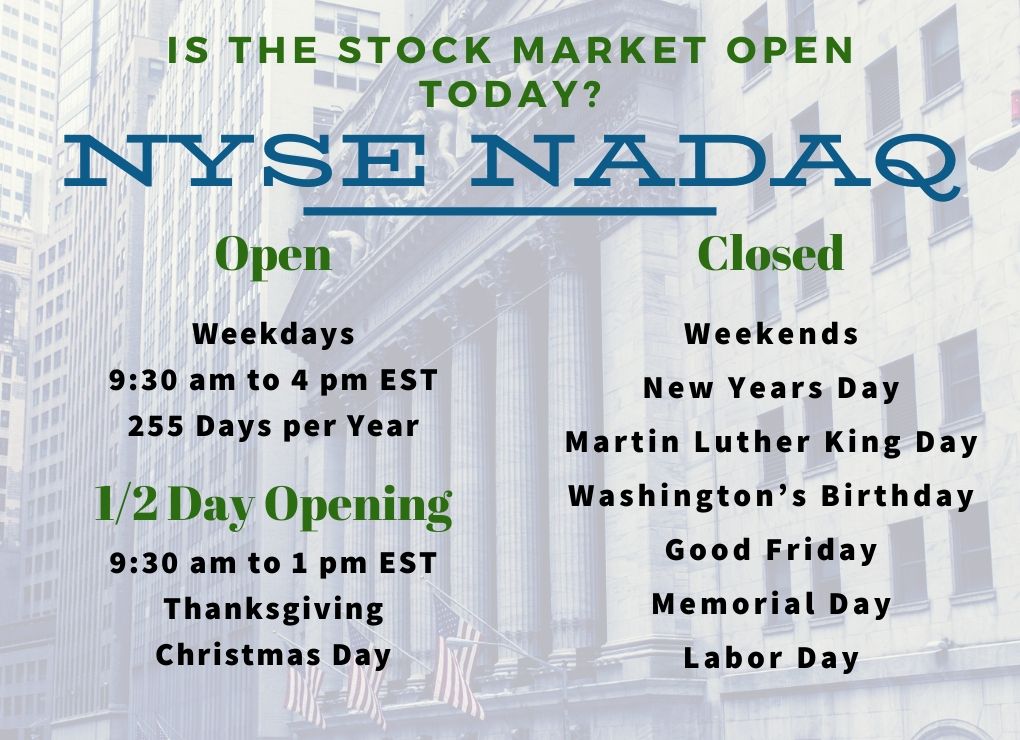
The standard operating hours of the NYSE are a fixed beacon in the often-volatile seas of finance. Typically, the exchange opens its doors for trading at 9:30 AM Eastern Time (ET) and concludes its trading day at 4:00 PM ET. This 6.5-hour window is when the vast majority of price discovery, order matching, and market activity occurs. Therefore, if you’re asking “what time will NYSE close today,” the answer, barring any special circumstances or holidays, is 4:00 PM ET. However, this seemingly simple answer merely scratches the surface of a complex ecosystem where timing can be everything. The implications of these hours extend far beyond just executing a trade, touching upon market psychology, liquidity dynamics, and the very mechanics of price formation.
The Standard Rhythm: NYSE Trading Hours Explained
The daily lifecycle of the New York Stock Exchange is punctuated by two iconic moments: the opening and closing bells. These sounds are not just ceremonial; they signify the commencement and conclusion of official trading, establishing a framework within which billions of dollars in transactions occur daily. Understanding this standard rhythm is the first step in navigating the stock market effectively.
The Opening Bell Ritual
At precisely 9:30 AM ET, the NYSE’s opening bell rings out, signaling the start of the trading day. This moment is often accompanied by significant media attention, with executives or public figures invited to ring the bell, symbolizing the market’s role in the broader economy. More than just a photo opportunity, the opening bell marks a critical juncture. Prior to this, pre-market trading might have already indicated potential price movements, but the official opening unleashes the full force of investor sentiment and order flow.
The initial minutes after the opening bell are often characterized by heightened volatility and increased trading volume. Orders accumulated overnight or during the pre-market session are executed, and market participants react to overnight news, economic data releases, and global market movements. For day traders and institutional investors, these early moments can present significant opportunities, but also considerable risk. Understanding the underlying dynamics of this period is vital for anyone looking to capitalize on, or simply observe, the market’s initial direction. The careful orchestration of market makers and specialists ensures an orderly opening, even amidst a flurry of activity, striving for fair and transparent price discovery from the very first trade.
The Closing Bell Significance
As the clock ticks towards 4:00 PM ET, anticipation builds for the closing bell. When it chimes, it marks the end of regular trading hours, freezing prices for the vast majority of securities until the next trading day. While the open is often about reaction and initial momentum, the close can be equally telling. Many investors and portfolio managers aim to execute trades before the close to ensure they are filled at the day’s final prices, which are then used for portfolio valuations, index calculations, and financial reporting.
The period leading up to the closing bell, often referred to as “the close,” can also see elevated trading activity and volatility. Institutional investors might be rebalancing portfolios, executing large block trades, or attempting to influence end-of-day prices (known as “window dressing”). This final push can sometimes lead to significant price swings in the last few minutes, influencing where a stock “settles” for the day. For long-term investors, the closing price provides a clear snapshot of a company’s valuation at the end of the business day, serving as a critical benchmark for performance tracking and future investment decisions. The closing bell is thus not merely an end but a definitive statement, encapsulating the day’s market sentiment and setting the stage for the next trading session.
Navigating Exceptions and Special Trading Days
While the 9:30 AM to 4:00 PM ET schedule is the norm, the NYSE does not operate in a vacuum. Various factors, including national holidays, half-day sessions, and unforeseen circumstances, can alter these standard hours. Being aware of these exceptions is paramount for any investor to avoid surprises and plan their trading activities accordingly.
Major U.S. Holidays
The NYSE observes a comprehensive list of U.S. federal holidays, during which the market remains completely closed. These include New Year’s Day, Martin Luther King, Jr. Day, Presidents’ Day, Good Friday, Memorial Day, Juneteenth National Independence Day, Independence Day, Labor Day, Thanksgiving Day, and Christmas Day. On these days, no trading occurs, and all market orders placed during this time will queue for execution on the next open trading day. It’s crucial for investors to check the official NYSE holiday calendar well in advance, especially around long weekends or traditional market-moving holidays, as news released during these closures can lead to significant market gaps on the next open. This foresight allows for adjustments to trading strategies, such as closing positions or placing limit orders to mitigate risk during inactive periods.
Half-Day Trading Sessions
In addition to full closures, the NYSE occasionally operates on a shortened schedule, typically closing early. These half-day sessions often occur on days immediately preceding or following major holidays, such as the day after Thanksgiving (Black Friday) or Christmas Eve. On these days, the market might close at 1:00 PM ET instead of the usual 4:00 PM ET. While still trading days, the reduced hours mean less time for price discovery and liquidity can sometimes be thinner.
For investors, these shortened days require careful planning. Order execution strategies might need to be adjusted, and the typically lower volume can sometimes lead to greater price volatility, particularly closer to the early close. Monitoring financial news sources and the official NYSE calendar for these half-day schedules is essential to ensure trades are executed as intended and to avoid holding positions through unexpected market closures. These sessions serve as a reminder that the market’s rhythm isn’t always uniform and requires constant vigilance.
Unforeseen Circumstances
Beyond scheduled holidays and half-days, rare but significant events can also lead to unscheduled market closures or delays. These might include extreme weather conditions (e.g., blizzards affecting New York City’s operations), major national emergencies, or severe technical glitches that impact the exchange’s ability to operate fairly and efficiently. While infrequent, such events underscore the importance of staying informed through reliable financial news outlets and official NYSE communications. During these times, market continuity plans are typically invoked, and the primary concern is the integrity and safety of the trading environment. Investors should be aware that in such circumstances, access to trading platforms might be limited, and the execution of orders could be delayed or canceled.
Why Understanding Market Hours Matters for Investors
Understanding NYSE trading hours extends far beyond simply knowing when to place a buy or sell order. It forms a foundational layer of knowledge that influences everything from risk management to strategic decision-making, directly impacting an investor’s ability to navigate the market successfully.
Impact on Order Execution
The most immediate and practical implication of market hours is their effect on order execution. A market order placed when the exchange is closed will not be executed until the next trading day, at the prevailing market price upon opening. This can be problematic if significant news breaks overnight, causing the stock’s price to “gap” up or down significantly from its previous close. A buy order might be filled at a much higher price, or a sell order at a much lower one, than anticipated.
Limit orders, which specify a maximum buy price or minimum sell price, offer more protection against price volatility outside of market hours but still depend on the market being open to find a matching trade. Understanding the opening and closing dynamics helps investors decide when to place different types of orders, whether to use limit orders for precision or market orders for immediate execution during active trading hours. For example, placing a market order just before the close might expose one to heightened volatility as institutions make their final moves, while placing it earlier in the day might offer better liquidity.
Volatility and Liquidity Considerations
Market hours are intrinsically linked to volatility and liquidity. During regular trading hours, particularly shortly after the open and before the close, market liquidity tends to be highest, meaning there are many buyers and sellers, and it’s easier to execute trades without significantly impacting the price. However, these periods can also be the most volatile due to concentrated order flow and reactions to news.
Conversely, during after-hours or pre-market trading, liquidity is generally much lower. Fewer participants mean that even small orders can cause significant price swings. For investors, this implies that trading outside of regular hours can be riskier, with wider bid-ask spreads and less predictable price movements. Understanding these dynamics allows investors to make informed decisions about when to enter or exit positions, weighing the desire for quick action against the need for stable prices and deep liquidity. For instance, executing a large block trade during peak hours minimizes market impact, while attempting the same during illiquid periods could substantially move the stock price against the investor.
Strategic Planning for Investors
Beyond immediate trading concerns, a deep understanding of market hours is critical for strategic investment planning. This includes scheduling when to analyze market news, review portfolio performance, and make long-term decisions. For instance, earnings reports are often released after market close or before market open to allow investors time to digest the information before trading resumes.
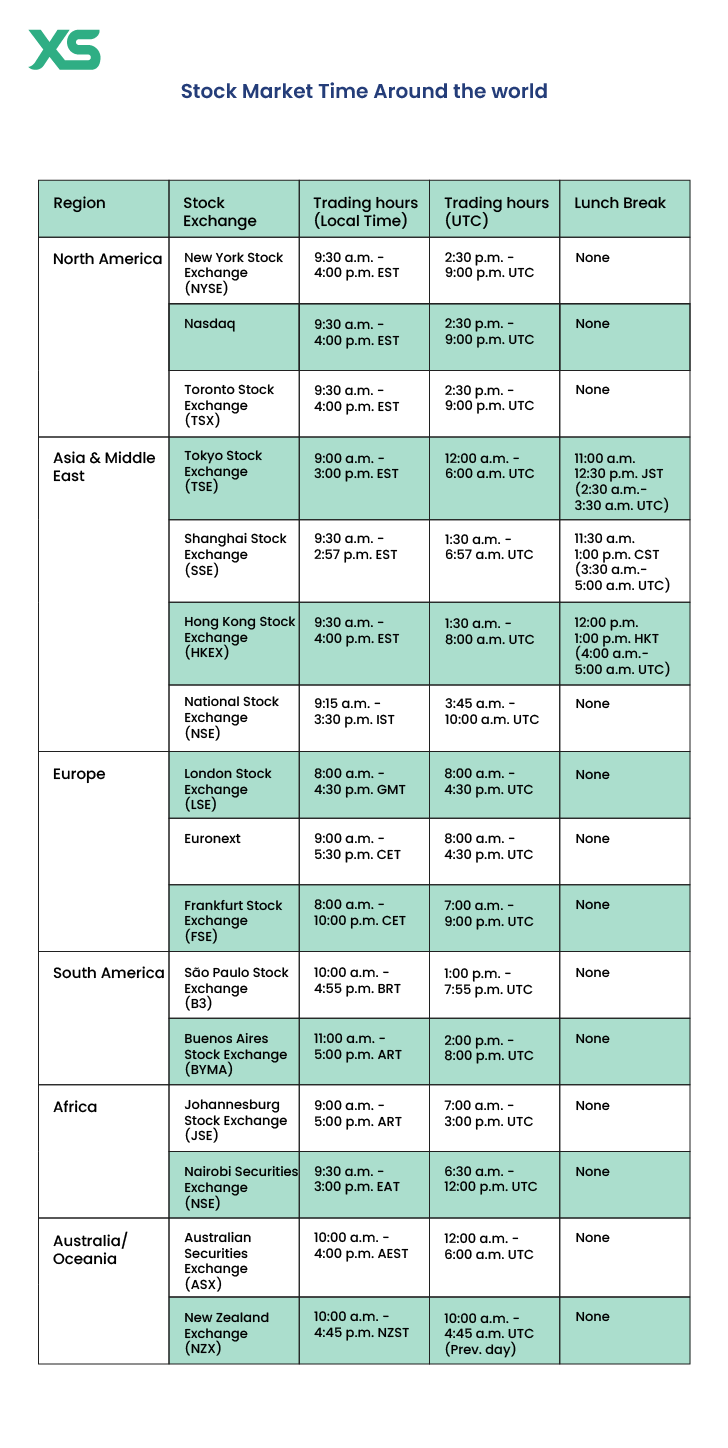
Savvy investors factor these timings into their research schedule, ensuring they have adequate time to process new information before deciding on their next move. Moreover, for international investors, aligning with NYSE hours is essential for real-time engagement and avoiding costly misalignments due to time zone differences. The ability to anticipate market closures or early closes also plays into risk management strategies, allowing investors to adjust their exposure or hedge positions before periods of market inactivity when they cannot react to breaking news. It enables a more proactive rather than reactive approach to investing, ensuring that every decision is made with full awareness of the market’s operational framework.
Navigating After-Hours and Pre-Market Trading
While the NYSE’s official trading hours define the core market activity, the world of stock trading doesn’t entirely shut down at 4:00 PM ET or wait until 9:30 AM ET the next morning. After-hours and pre-market trading sessions extend the opportunities for investors, albeit with a distinct set of characteristics and risks.
Understanding the Mechanics
After-hours trading typically runs from 4:00 PM ET to 8:00 PM ET, while pre-market trading usually begins as early as 4:00 AM ET and concludes at 9:30 AM ET. These sessions are facilitated by electronic communication networks (ECNs) rather than the physical floor of the NYSE. ECNs automatically match buy and sell orders without human intermediaries, allowing for continuous trading even when the main exchange is closed.
Crucially, trading during these extended hours is not limited to NYSE-listed stocks but also includes those listed on NASDAQ and other exchanges. However, not all brokers offer access to extended hours trading, and the types of orders accepted (e.g., limit orders are common, market orders less so due to volatility) can vary. It’s essential for investors to understand their brokerage’s specific rules and capabilities regarding extended hours trading before attempting to participate. These periods are particularly useful for reacting quickly to news released outside of standard hours, such as corporate earnings announcements or economic data, without waiting for the next day’s open.
Risks and Opportunities
Extended-hours trading presents both unique opportunities and significant risks. The primary opportunity lies in the ability to react instantaneously to breaking news. For example, if a company releases a surprisingly positive earnings report at 4:30 PM ET, investors can buy shares immediately in after-hours trading, potentially getting ahead of the crowd that waits until the next morning. Similarly, negative news can be acted upon quickly to mitigate potential losses.
However, the risks are substantial. The most prominent is significantly lower liquidity. With fewer participants, bid-ask spreads (the difference between the highest price a buyer is willing to pay and the lowest price a seller is willing to accept) tend to be wider. This means it can be harder to execute trades at desired prices, and even small orders can cause disproportionately large price movements. Volatility can also be higher, as news can have an outsized impact on prices in a less liquid environment. Furthermore, institutional investors and professional traders often dominate these sessions, making it challenging for retail investors to compete effectively. Price discovery can also be less efficient, as not all information may be fully disseminated, leading to potential mispricings that correct themselves during regular hours.
Accessibility for Retail Investors
In recent years, access to after-hours and pre-market trading has become more widespread for retail investors, thanks to online brokerage platforms. Many platforms now integrate extended-hours trading capabilities directly into their standard offerings. However, it’s crucial for retail investors to exercise caution. Before engaging in extended-hours trading, one should thoroughly research the risks, understand how their broker handles these orders, and ideally gain experience with smaller positions.
Utilizing limit orders exclusively during these times is a prudent strategy, as it ensures trades are executed only at a specified price or better, protecting against adverse price swings. While the allure of reacting quickly to news is strong, the thinner liquidity and increased volatility demand a disciplined approach. For most long-term investors, monitoring the overall market direction and making decisions during regular hours, when liquidity is ample and price discovery more robust, often remains the safer and more effective strategy. Extended hours are a tool, but one that requires a deep understanding of its nuances and potential pitfalls.
Tools and Resources for Tracking Market Schedules
Staying informed about NYSE trading hours, especially when exceptions apply, is a continuous responsibility for investors. Fortunately, a plethora of reliable tools and resources are available to ensure you’re always aware of when the market opens and, more importantly, when the NYSE will close today.
Brokerage Platforms
Your online brokerage platform is often your first and most convenient source of information. Most reputable brokers provide clear indications of current market status (open/closed) and often publish detailed calendars for upcoming market holidays and special trading hours directly within their dashboards or news sections. Many also send out email notifications or alerts regarding impending market closures or changes to their trading schedules.
These platforms are designed to be user-friendly, integrating market data, news feeds, and execution capabilities. Familiarizing yourself with your broker’s specific tools for tracking market hours is a critical step. Beyond just displaying the closing time, many platforms also offer pre-market and after-hours trading options, with clear disclaimers about the associated risks, further empowering investors to act with full knowledge of the market’s current state.
Financial News Websites
Leading financial news websites are indispensable resources for real-time market updates, including changes to trading schedules. Outlets like The Wall Street Journal, Bloomberg, Reuters, CNBC, and reputable financial news sections of major newspapers consistently publish articles and alerts concerning market holidays, early closes, and any unforeseen disruptions. They often have dedicated market calendars that are regularly updated.
Beyond just the closing time, these sources provide valuable context, such as why an early close might be particularly significant for certain sectors, or what kind of news is anticipated during a market holiday. Regularly consulting these sites ensures you stay abreast of not only the ‘what’ but also the ‘why’ behind market hours, helping you to form more informed trading and investment strategies.

Official Exchange Calendars
For the most authoritative and definitive information, the official NYSE website (nyse.com) publishes a comprehensive calendar of trading holidays and special hours for the current year and often for the upcoming year as well. This is the primary source of truth for market schedules.
Visiting the NYSE’s official site directly guarantees the accuracy of the information, which is particularly important when planning for long-term investment strategies or coordinating with international partners. These calendars typically detail full market closures, early closes, and any other unique operational adjustments, leaving no room for ambiguity. Cross-referencing information from your broker and financial news outlets with the official NYSE calendar provides the highest level of confidence in your understanding of the market’s operational rhythm. Relying on official sources minimizes the risk of misinformation and ensures that your trading decisions are based on the correct market timings.
aViewFromTheCave is a participant in the Amazon Services LLC Associates Program, an affiliate advertising program designed to provide a means for sites to earn advertising fees by advertising and linking to Amazon.com. Amazon, the Amazon logo, AmazonSupply, and the AmazonSupply logo are trademarks of Amazon.com, Inc. or its affiliates. As an Amazon Associate we earn affiliate commissions from qualifying purchases.