
The daily ebb and flow of the stock market are an inherent part of investing. While the allure of green numbers and rising portfolios often dominates financial news, understanding and reacting to days when stocks are down is equally, if not more, critical for long-term financial success. For seasoned investors and novices alike, a “red” day can evoke a range of emotions, from apprehension to opportunity. This article delves into the dynamics of market downturns, offering an insightful perspective on how to interpret daily declines, manage risks, and even capitalize on moments when the market seems to be faltering. It’s not just about identifying the companies losing value; it’s about understanding the underlying reasons and what it means for your broader financial strategy.
Understanding the Dynamics of Daily Market Fluctuations
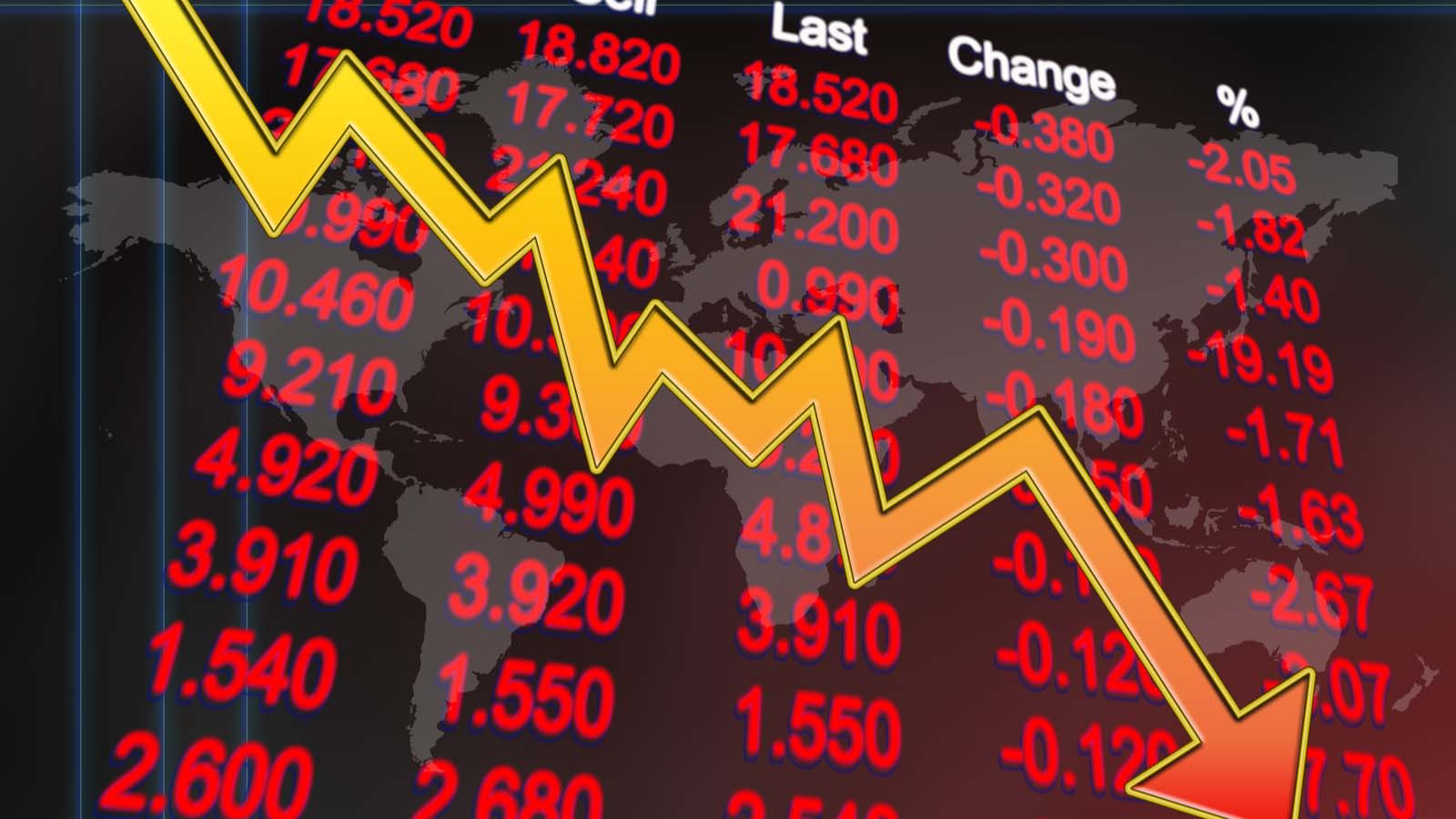
The stock market is a complex ecosystem, constantly influenced by a myriad of factors, both global and localized. A day where a significant number of stocks, or even the broader market indices, show declines is not an anomaly but a regular feature of market cycles. Understanding these dynamics is the first step toward building a resilient investment approach.
The Underlying Causes of Market Downturns
Daily market downturns rarely occur in a vacuum. They are typically a reaction to a confluence of economic, political, and corporate events. Macroeconomic data, such as inflation reports, interest rate decisions from central banks, or employment figures, can send ripples across entire sectors. Geopolitical tensions, trade disputes, or even unexpected natural disasters can introduce uncertainty, prompting investors to pull back from riskier assets. On a micro level, company-specific news – a missed earnings report, a product recall, regulatory scrutiny, or a change in management – can cause a particular stock or even an industry segment to plunge. It’s essential to differentiate between a broad market correction driven by systemic issues and a targeted decline impacting only a few companies or a specific sector.
The Role of Market Sentiment and Technical Indicators
Beyond fundamental news, market sentiment plays an enormous role in daily price movements. Fear and greed are powerful emotions that can override rational decision-making, leading to rapid sell-offs or irrational exuberance. Negative news, even if minor, can trigger a cascade of selling as investors panic, driving prices down further than fundamentals might suggest. Technical indicators, which analyze past price movements and trading volumes, also influence investor behavior. When key support levels are breached, or specific bearish patterns emerge, algorithms and traders often react by selling, contributing to the downward momentum. Understanding that sentiment can often lead short-term movements allows investors to avoid knee-jerk reactions and focus on the long-term value proposition.
Differentiating Between Sectoral and Broad Market Declines
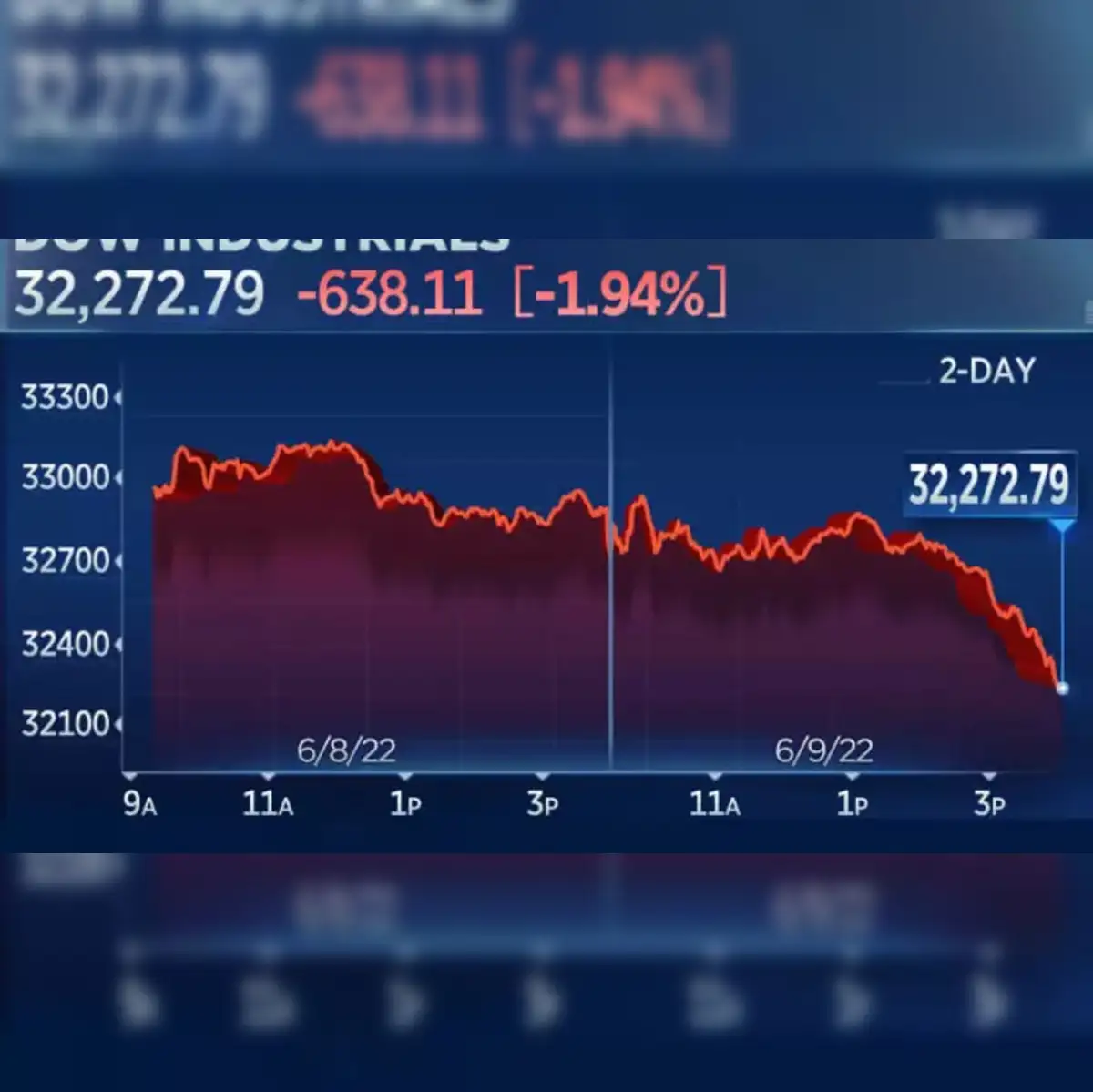
It is crucial for investors to distinguish between a decline affecting an entire sector and a broader market downturn. A tech sector sell-off, for instance, might be triggered by new regulations impacting large digital companies, while the energy sector could be soaring due to rising oil prices. Such sectoral rotations are common and reflect changing economic priorities or emerging trends. Conversely, a broad market decline, often characterized by major indices like the S&P 500 or Dow Jones Industrial Average falling significantly, suggests more widespread economic concerns, such as an impending recession or a global financial crisis. Your response to these two scenarios should differ considerably, with sectoral declines potentially offering opportunities for diversification and broad downturns demanding a more defensive stance.
Navigating a Down Market: Investor Perspectives and Strategies
When stocks are down, the natural instinct for many is to panic and sell. However, history repeatedly shows that such reactive behavior is often detrimental to long-term wealth accumulation. A well-informed investor views market declines not as a catastrophe, but as an integral part of the investment journey, one that can even present unique opportunities.
The Emotional Impact and Maintaining Composure
The sight of a portfolio shrinking can be deeply unsettling. The human brain is wired to avoid losses, and this aversion can lead to irrational decisions during market volatility. It’s critical to acknowledge these emotions but not let them dictate your investment strategy. A disciplined approach, guided by a pre-defined investment plan and risk tolerance, is paramount. Regularly reviewing your financial goals and reminding yourself of the long-term growth potential of equities can help maintain perspective. Avoiding constant monitoring of daily price movements can also reduce emotional stress, allowing you to focus on the bigger picture.
Long-Term Vision vs. Short-Term Volatility
For most retail investors, the stock market is a tool for long-term wealth creation, spanning decades rather than days or weeks. Daily fluctuations, while often dramatic, tend to smooth out over extended periods. Companies that demonstrate strong fundamentals, adaptable business models, and robust financial health often recover and thrive even after significant downturns. Focusing on the intrinsic value of your investments rather than their fluctuating market price on any given day is a cornerstone of successful long-term investing. Short-term traders might react to daily shifts, but for buy-and-hold investors, these moments are often noise.
The Power of Diversification in Volatile Times
Diversification is often lauded as an essential risk management tool, and its value becomes most apparent during market downturns. By spreading investments across different asset classes (stocks, bonds, real estate), industries, geographies, and company sizes, you mitigate the risk of a single negative event crippling your entire portfolio. When one sector or asset class is performing poorly, others might be stable or even gaining. A well-diversified portfolio acts as a buffer, reducing overall volatility and providing a more stable return path over time, even on days when specific stocks or sectors are down.
Strategic Responses to Falling Stocks
While it’s easy to preach calm during a storm, actually implementing effective strategies when stocks are declining requires foresight and discipline. There are several proactive steps investors can take to protect their capital and position themselves for future gains.
Re-evaluating Your Portfolio and Risk Tolerance
A day when stocks are down can serve as an excellent catalyst for a portfolio review. This is not about panic selling, but rather an opportunity to re-assess whether your current holdings still align with your financial goals, time horizon, and risk tolerance. Have certain stocks in your portfolio become overvalued, even after a dip? Are there underlying weaknesses in some companies that a market downturn has exposed? This is the time to prune underperforming assets or those that no longer fit your strategy, rather than clinging to them out of hope. It’s also a good time to ensure your asset allocation remains appropriate for your current life stage and financial objectives.
Opportunities in Adversity: The “Buy the Dip” Strategy
Perhaps one of the most compelling aspects of a down market is the opportunity it presents for long-term investors: buying quality assets at a discount. This strategy, often termed “buying the dip,” involves purchasing shares of fundamentally strong companies that have temporarily fallen in price due to broader market sentiment or short-term headwinds. For those with available capital, a market downturn can be an ideal time to accumulate shares of companies you believe in at more attractive valuations. However, this requires careful research to differentiate between a temporary dip in a solid company and a genuine decline in a company facing fundamental problems. It’s also wise to implement this strategy gradually, dollar-cost averaging into positions rather than deploying all capital at once, as markets can always fall further.
Implementing Risk Management Tools: Stop-Loss Orders and Hedging
For more active investors or those with higher risk exposure, various risk management tools can help mitigate losses during sharp downturns. Stop-loss orders, for example, automatically sell a stock once it falls to a predetermined price, thereby limiting potential downside. While useful, they must be used judiciously, as they can sometimes trigger sales during temporary market volatility, causing investors to miss out on subsequent recoveries. Hedging strategies, such as using options or inverse ETFs, can also be employed to protect a portfolio from market declines, though these are typically more complex and suited for experienced investors. The key is to have a defined risk management framework in place before a downturn occurs, rather than scrambling to implement one in a panic.
Leveraging Information for Informed Future Decisions
In today’s interconnected world, information is abundant. The challenge lies in discerning reliable, actionable insights from the sheer volume of daily financial news. A strategic approach to consuming and analyzing market data is crucial for making informed decisions, especially when confronting days where stocks are down.
Reliable Sources for Market Data and Analysis
To understand why stocks are down and what the implications might be, investors must rely on credible sources. Reputable financial news outlets, such as The Wall Street Journal, Bloomberg, Reuters, and the Financial Times, provide in-depth analysis and timely reporting. Official company financial statements, SEC filings, and analyst reports offer fundamental insights into specific businesses. Economic reports from government agencies (e.g., Bureau of Labor Statistics, Federal Reserve) provide crucial macroeconomic context. Diversifying your information sources and cross-referencing data can help form a more balanced and accurate picture of market conditions. Avoid speculative forums or unverified social media chatter, which can often propagate misinformation and lead to poor decisions.
Developing an Informed Investment Philosophy
Consistent market performance is rarely a result of chasing daily headlines or hot tips. Instead, it stems from a well-defined and consistently applied investment philosophy. This philosophy should encompass your core beliefs about value, growth, risk, and asset allocation. When stocks are down, your philosophy acts as a guiding principle, helping you filter out noise and stick to your long-term plan. Whether you’re a value investor looking for undervalued assets, a growth investor focused on innovative companies, or an income investor seeking dividends, having a clear framework helps you make rational choices during periods of market stress. Regularly reviewing and refining this philosophy based on your experiences and evolving market conditions is a continuous process.
The Importance of Continuous Financial Education
The financial markets are dynamic, constantly evolving with new technologies, regulations, and global economic shifts. For investors, continuous education is not a luxury but a necessity. Understanding complex financial instruments, economic theories, market history, and behavioral economics can significantly enhance your ability to navigate market downturns. Reading books, attending webinars, following respected financial experts, and engaging with educational platforms can deepen your knowledge base. The more you understand about how markets function and react to various stimuli, the better equipped you will be to interpret events like “what stocks are down today” not just as a piece of daily news, but as a data point within a much larger, ongoing financial narrative, allowing you to react strategically and confidently.
aViewFromTheCave is a participant in the Amazon Services LLC Associates Program, an affiliate advertising program designed to provide a means for sites to earn advertising fees by advertising and linking to Amazon.com. Amazon, the Amazon logo, AmazonSupply, and the AmazonSupply logo are trademarks of Amazon.com, Inc. or its affiliates. As an Amazon Associate we earn affiliate commissions from qualifying purchases.