
For many investors, particularly those new to the market or seeking a foundational piece for their portfolio, the S&P 500 index fund represents a cornerstone of prudent investing. It offers broad market exposure, diversification across 500 of America’s largest companies, and a historically strong track record, all typically at a very low cost. The question, however, isn’t whether to invest in the S&P 500, but rather: “What is the best S&P 500 index fund?” The answer, as with many financial decisions, isn’t a simple one-size-fits-all, but rather depends on individual circumstances, preferences, and a clear understanding of the options available.
Understanding the S&P 500 Index Fund Landscape
Before diving into specific funds, it’s crucial to grasp what an S&P 500 index fund truly is and why it holds such a prominent place in personal finance discussions.
What is an S&P 500 Index Fund?
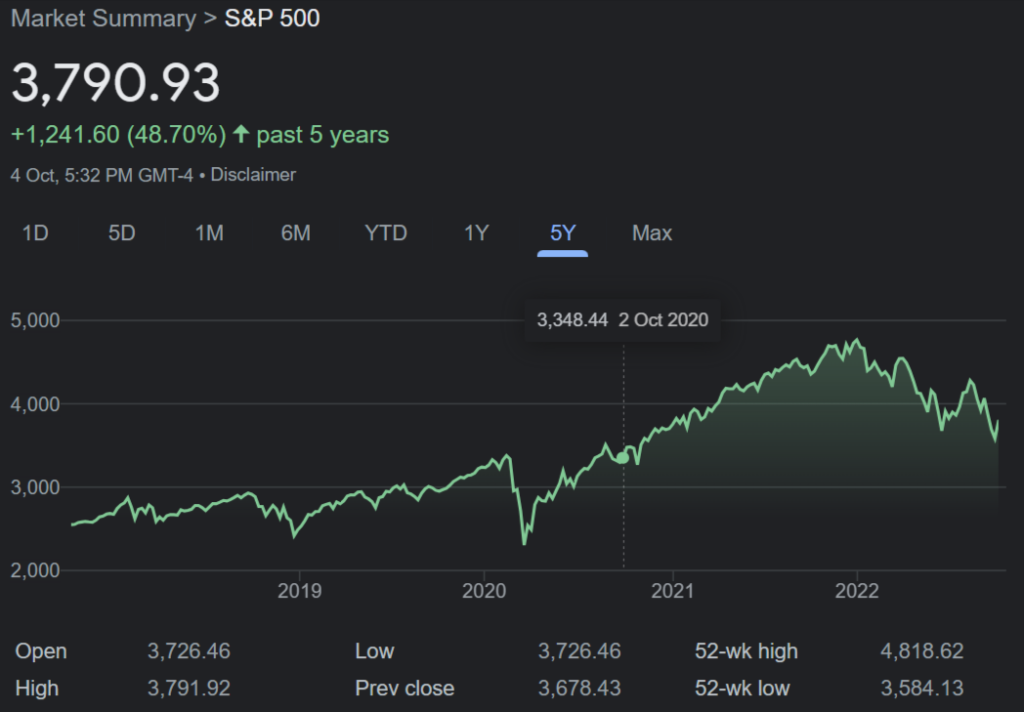
An S&P 500 index fund is a type of mutual fund or exchange-traded fund (ETF) that aims to replicate the performance of the S&P 500 index. This index comprises 500 of the largest publicly traded companies in the United States, weighted by market capitalization. By investing in an S&P 500 index fund, you gain a small ownership stake in a diversified portfolio of these companies, without needing to buy individual stocks. These funds are passively managed, meaning fund managers don’t actively try to pick winning stocks; instead, they simply track the index, leading to lower management fees compared to actively managed funds.
Why Invest in the S&P 500?
The appeal of S&P 500 index funds is multifaceted. Firstly, they offer broad diversification, mitigating the risk associated with individual stock picks. If one company performs poorly, the impact on your overall portfolio is minimal. Secondly, they provide access to the growth of the U.S. economy, as the S&P 500 represents a significant portion of the total U.S. stock market value. Thirdly, their low expense ratios mean more of your money stays invested, compounding over time. Historically, the S&P 500 has delivered robust returns over the long term, making it an attractive option for wealth building.
ETFs vs. Mutual Funds: Key Distinctions
When exploring S&P 500 index funds, you’ll primarily encounter two structures: Exchange-Traded Funds (ETFs) and traditional Mutual Funds. While both track the index, their operational characteristics differ:
- ETFs trade like stocks on an exchange throughout the day. Their price fluctuates, and you buy or sell them at the prevailing market price. This offers intraday liquidity and often slightly lower expense ratios. However, you might pay a commission per trade, depending on your brokerage.
- Mutual Funds are bought and sold directly from the fund company at the end of each trading day, based on their Net Asset Value (NAV). They are often preferred for automated investing, dollar-cost averaging, and are particularly popular within retirement accounts like 401(k)s, where specific fund options are pre-selected. Some mutual funds have minimum investment requirements.
The “best” choice between an ETF and a mutual fund often comes down to your preferred trading style, investment amount, and the structure of your investment account.
Key Criteria for Selecting Your S&P 500 Fund
While many S&P 500 index funds aim to achieve the same goal – tracking the index – they are not all identical. Several critical factors distinguish them and should influence your decision.
The All-Important Expense Ratio
The expense ratio is perhaps the most crucial factor. It represents the annual fee you pay as a percentage of your total investment to cover the fund’s operating costs. Since S&P 500 funds are passively managed and largely undifferentiated in their underlying holdings, a lower expense ratio directly translates to higher net returns for you over the long term. Even a difference of a few basis points (0.01%) can amount to thousands of dollars over decades. Aim for funds with expense ratios well under 0.10%.
Tracking Error and Performance Fidelity
Tracking error measures how closely a fund’s performance matches that of its underlying index. A perfect tracking fund would have zero tracking error. While minor deviations are normal due to fees, cash holdings, or rebalancing, consistently higher tracking error indicates the fund isn’t as efficient at replicating the index. Reputable S&P 500 funds from major providers generally have minimal tracking error, delivering performance very close to the S&P 500 itself, minus their expense ratio. Review a fund’s historical performance relative to the index to assess its tracking fidelity.
Fund Provider Reputation and Size
The reputation and size of the fund provider are important considerations. Established firms like Vanguard, BlackRock (iShares), State Street, Fidelity, and Schwab have vast resources, deep experience in index investing, and robust infrastructure. They manage immense assets, which can lead to economies of scale and further drive down expense ratios. While newer or smaller providers might offer competitive funds, sticking with industry leaders often provides peace of mind regarding stability, liquidity, and administrative efficiency.
Accessibility and Brokerage Compatibility
Finally, consider where you hold your investment accounts. Some brokerages offer commission-free trading on their own ETFs or a select list of third-party ETFs. Similarly, some mutual funds might be exclusive to certain providers or have lower fees when purchased through their proprietary platforms. For example, if you primarily use Fidelity, their Fidelity 500 Index Fund (FXAIX) might be a seamless and cost-effective choice. If you prefer Schwab, SWPPX could be optimal. Ensure the fund you choose integrates well with your existing investment ecosystem to minimize transaction costs and simplify management.
Top Contenders: Popular S&P 500 Index Funds
Leveraging the criteria above, several funds consistently rank among the “best” due to their low costs, excellent tracking, and widespread availability.
Vanguard S&P 500 ETF (VOO)
Vanguard is renowned for its low-cost index funds, and VOO is a prime example. With an expense ratio of just 0.03%, it offers incredibly cheap exposure to the S&P 500. It’s highly liquid, widely available commission-free at many brokerages, and offers the simplicity and reliability Vanguard is known for. VOO is an ETF, suitable for investors who prefer the flexibility of trading throughout the day.
iShares Core S&P 500 ETF (IVV)
Offered by BlackRock, the world’s largest asset manager, IVV is another excellent choice with an identical 0.03% expense ratio to VOO. It shares many characteristics with VOO, including high liquidity and broad availability. The choice between VOO and IVV often comes down to personal preference or which one your specific brokerage offers commission-free or with better execution.
SPDR S&P 500 ETF Trust (SPY)
SPY is the oldest and largest S&P 500 ETF, with massive trading volume, making it extremely liquid. However, its expense ratio is slightly higher at 0.09% compared to VOO and IVV. While 0.09% is still very low, the difference can add up. SPY is often favored by institutional investors and day traders due to its unparalleled liquidity, but for long-term retail investors, VOO or IVV might be marginally better due to lower costs.
Fidelity 500 Index Fund (FXAIX)
For investors who prefer mutual funds, especially those with Fidelity brokerage accounts, FXAIX is a compelling option. It boasts an ultra-low expense ratio of 0.015%, making it one of the cheapest ways to access the S&P 500. It has no minimum investment, making it highly accessible for new investors. Its mutual fund structure makes it ideal for automated, recurring investments.
Schwab S&P 500 Index Fund (SWPPX)
Similar to Fidelity’s offering, Schwab provides SWPPX, an S&P 500 mutual fund with an extremely low expense ratio of 0.02%. It also has no minimum investment, making it a strong choice for Schwab customers seeking a low-cost, straightforward way to invest in the S&P 500.
Making Your Personal Best Choice
Given the strong competition among these top funds, the “best” one is often the one that aligns most seamlessly with your personal investment strategy and financial circumstances.
Aligning with Your Investment Goals
Consider your overall financial plan. Are you saving for retirement, a down payment, or a child’s education? The S&P 500 index fund is generally a long-term investment vehicle. Your time horizon and risk tolerance should guide how much of your portfolio you allocate to equity index funds. The S&P 500 provides excellent market exposure, but it’s not the only investment you should have.
Considering Your Account Type and Existing Holdings
As discussed, your brokerage account and whether you prefer ETFs or mutual funds will heavily influence your decision. If you have a 401(k) or other employer-sponsored plan, your choices might be limited to a specific S&P 500 fund offered within that plan, so choose the lowest-cost option available. If you’re building a new portfolio in a taxable brokerage account or Roth IRA, you have more flexibility to pick from the top contenders. Also, check if your brokerage offers commission-free trading for any of these funds.
The Power of Long-Term Investing
Regardless of which S&P 500 index fund you choose, the true power of this investment comes from consistency and a long-term perspective. Resist the urge to constantly check daily fluctuations or time the market. Instead, focus on dollar-cost averaging (investing a fixed amount regularly, regardless of market highs or lows) and allowing the magic of compounding to work over decades. The S&P 500 has proven its resilience and growth potential through numerous market cycles, rewarding patient investors.
Beyond Just “Best”: A Holistic Approach
While selecting an excellent S&P 500 index fund is a significant step, a truly optimized investment strategy extends beyond this single choice.
Diversification Beyond the S&P 500
While the S&P 500 offers broad diversification within large-cap U.S. equities, a truly diversified portfolio might also include international stocks (developed and emerging markets), mid-cap and small-cap U.S. stocks, and fixed income (bonds). This further reduces risk and provides exposure to different growth drivers. An S&P 500 fund is an excellent core holding, but it shouldn’t be your only holding unless your strategy is highly simplified and focused on pure large-cap U.S. exposure.
The Role of Rebalancing and Patience
Even with the “best” fund, active management of your overall portfolio allocation is crucial. Periodically rebalance your portfolio to bring your asset classes back to your target percentages. For example, if stocks have performed exceptionally well, you might trim some of your S&P 500 holdings and reallocate to underperforming asset classes to maintain your desired risk profile. Most importantly, cultivate patience. Investing is a marathon, not a sprint. The market will have its ups and downs, but a consistent, disciplined approach to investing in low-cost index funds like those tracking the S&P 500 is a proven path to long-term financial success.
In conclusion, the “best” S&P 500 index fund is one that offers a rock-bottom expense ratio, tracks the index faithfully, and integrates seamlessly into your existing financial framework. For most investors, funds like VOO, IVV, FXAIX, or SWPPX will deliver virtually identical market returns, making the choice largely a matter of slight cost differences and personal preference in fund structure and provider. By focusing on these core principles, you can confidently build a robust foundation for your financial future.
aViewFromTheCave is a participant in the Amazon Services LLC Associates Program, an affiliate advertising program designed to provide a means for sites to earn advertising fees by advertising and linking to Amazon.com. Amazon, the Amazon logo, AmazonSupply, and the AmazonSupply logo are trademarks of Amazon.com, Inc. or its affiliates. As an Amazon Associate we earn affiliate commissions from qualifying purchases.