
In the intricate dance of global financial markets, few indicators offer as immediate and telling a glimpse into investor sentiment and market direction as stock futures. Often referred to as the “pre-market pulse,” these derivatives contracts trade around the clock, allowing market participants to bet on the future price of a stock index before the main trading sessions even begin. Their real-time movements provide crucial insights, hinting at whether the broader market is poised for a surge, a dip, or a day of indecision. Understanding what stock futures are doing right now isn’t just an exercise for day traders; it’s a vital component of any informed investor’s strategy, offering an early warning system and a lens through which to interpret the broader economic narrative.
The immediate performance of stock futures is rarely arbitrary. It’s a confluence of global economic data releases, corporate earnings announcements, central bank commentary, geopolitical tensions, and even technical trading patterns. For those looking to gain an edge or simply understand the forces at play, monitoring these instruments provides an invaluable head start. This article delves into the mechanics of stock futures, explores the primary factors currently influencing their trajectory, interprets what their movements signal for the market, and outlines the implications for various types of investors and traders.
Understanding the Pulse of the Market: What Are Stock Futures?
Stock futures are derivative contracts that obligate a buyer to purchase, or a seller to sell, an underlying stock index at a predetermined price on a specified date in the future. Unlike individual stock futures (which exist but are less common), index futures track the performance of a basket of stocks, such as the S&P 500, Nasdaq 100, or Dow Jones Industrial Average. This makes them powerful tools for hedging against market risk, speculating on market direction, and gaining broad market exposure without purchasing individual stocks.
Defining Stock Futures: A Forward-Looking Instrument
At its core, a stock future contract is a standardized agreement between two parties. For example, an E-mini S&P 500 futures contract represents a fraction of the value of the S&P 500 index, allowing participants to gain exposure to the index’s movements. These contracts have an expiration date, and their prices are constantly adjusting based on current market expectations regarding the future value of the underlying index. When you hear financial news outlets report that “futures are up/down,” they are generally referring to the prices of these index futures contracts relative to their previous closing values.
The key characteristic of futures is their forward-looking nature. Their prices reflect what traders collectively believe the underlying index will be worth at a future point in time. This makes them highly sensitive to new information and market sentiment, often acting as a leading indicator for the cash market (the actual stock exchanges).
The Significance of Pre-Market Futures Activity
One of the most compelling aspects of stock futures is their extended trading hours. While the major stock exchanges typically operate during standard business hours, futures markets are often open nearly 24 hours a day, five days a week. This continuous trading allows investors and traders to react to significant economic news, corporate announcements, and geopolitical events as they unfold, even if the primary stock markets are closed.
For instance, if a major economic report is released overnight, or a significant development occurs in another global market, futures prices will adjust immediately. This pre-market activity gives a strong indication of how the main stock market is likely to open. A sharp rise in futures before the market opens suggests a strong positive sentiment, potentially leading to a higher open for stocks. Conversely, a significant drop in futures can signal an impending negative open. This early insight is critical for institutional investors and individual traders alike, enabling them to strategize before the opening bell, adjust portfolios, or prepare for potential volatility. It allows for a preliminary gauge of market mood, helping participants anticipate price gaps and momentum shifts.
Key Drivers Shaping Futures Movements Today
The immediate movements of stock futures are rarely driven by a single factor. Instead, they are the result of a complex interplay of macroeconomic forces, corporate performance, geopolitical events, central bank policies, and the collective psychology of millions of market participants. Understanding these drivers is essential for anyone trying to decipher what stock futures are doing at any given moment.
Economic Data Releases: Inflation, Employment, and GDP
Economic data forms the bedrock of market sentiment, and futures react swiftly to new information. Reports on inflation (Consumer Price Index, Producer Price Index), employment (Non-Farm Payrolls, unemployment rate), and economic growth (Gross Domestic Product) are particularly impactful. A surprisingly high inflation report, for example, might send futures lower on fears that central banks will raise interest rates aggressively, thereby slowing economic growth and potentially hurting corporate profits. Conversely, strong employment figures could boost futures, signaling a healthy economy, unless they stoke inflation fears too much. Each data point contributes to the broader narrative of economic health and future central bank actions, directly influencing futures prices.
Corporate Earnings and Guidance: The Micro-Level Impact
While economic data provides a macro view, corporate earnings reports offer a crucial micro-level perspective. When major companies release their quarterly results, the market pays close attention not just to past performance but, more importantly, to future guidance. Positive earnings surprises or optimistic outlooks from industry leaders can propel futures higher, as they signal robust corporate health and potential for future growth. Conversely, disappointing earnings or cautious forecasts can trigger sharp declines, especially if the companies are bellwethers for their respective sectors or the economy at large. The aggregated impact of these reports shapes the overall perception of corporate profitability, which is a major driver of stock valuations and, consequently, futures prices.
Central Bank Policies and Geopolitical Developments
Central banks, especially the U.S. Federal Reserve, wield immense influence over financial markets. Their policy decisions regarding interest rates, quantitative easing, and other monetary tools directly impact the cost of capital, borrowing, and the overall liquidity in the system. Statements from central bank officials, minutes from policy meetings, and interest rate decisions can cause immediate and significant shifts in futures prices, as traders adjust their expectations for future economic conditions. A hawkish stance (favoring higher rates) often depresses futures, while a dovish stance (favoring lower rates) can boost them.
Beyond monetary policy, geopolitical events also cast a long shadow. Wars, trade disputes, political instability, and major international agreements can introduce uncertainty, disrupt supply chains, and affect global economic growth. Futures markets, being highly sensitive to risk, will react by either rising (if a resolution is anticipated) or falling (if tensions escalate), reflecting a collective assessment of the potential economic consequences.
Technical Analysis and Market Sentiment
Finally, market participants often employ technical analysis to identify patterns and predict future price movements based on historical data. Key support and resistance levels, moving averages, and chart patterns can influence trading decisions, creating self-fulfilling prophecies in the short term. Beyond technicals, general market sentiment—whether it’s optimism, fear, greed, or complacency—plays a critical role. Herd behavior, algorithmic trading, and the prevailing risk appetite can amplify or dampen the effects of fundamental news, causing futures to overshoot or undershoot their fundamental values based on the prevailing psychological state of the market.
Interpreting Current Futures Performance: What Does It Signal?
The direction and magnitude of stock futures movements are not just numbers; they are powerful signals. Interpreting them correctly can provide a tactical advantage, helping investors and traders understand the prevailing market mood and anticipate the likely direction of the broader stock market.
Upward Trajectories: Optimism and Growth Expectations
When stock futures are trading significantly higher, especially after hours or during the pre-market session, it typically signals optimism among investors. This bullish sentiment can be driven by a range of factors: positive economic news (e.g., lower-than-expected inflation, strong job growth), better-than-anticipated corporate earnings, a dovish shift from a central bank, or a resolution to geopolitical tensions. An upward trajectory suggests that market participants expect the underlying stock indices to open higher and potentially continue their ascent during the trading day. It reflects confidence in future economic growth and corporate profitability, encouraging buyers to enter the market.
Downward Trends: Concerns and Risk Aversion
Conversely, a substantial drop in stock futures indicates a prevailing sense of concern or risk aversion. This bearish outlook often stems from negative economic surprises (e.g., higher-than-expected inflation, weak economic data), disappointing corporate guidance, a hawkish stance from central banks (signaling higher interest rates), or escalating geopolitical risks. A downward trend implies that market participants are anticipating a lower open for the stock market and potentially further declines. It suggests a collective move towards defensive assets or a reduction in overall market exposure as investors brace for potential headwinds.
Sideways Movements: Indecision and Consolidation
Sometimes, stock futures show little significant movement, trading within a tight range. These sideways movements often signal indecision or a period of consolidation in the market. This can occur when there is a lack of significant new catalysts, conflicting economic signals, or when investors are awaiting a major event (like a central bank meeting or a key economic report). During such periods, the market is essentially “pausing,” weighing different factors, and building energy for its next move. Sideways action can precede either an upward or downward breakout, making it a critical time for careful observation rather than impulsive action. It often reflects a balance between buying and selling pressures, where neither bulls nor bears have a clear advantage.
Major Futures Contracts: S&P 500, Nasdaq, and Dow Mini Futures
While there are many types of stock futures, the most commonly monitored are those tied to the major U.S. indices:
- E-mini S&P 500 futures (ES): These are the most heavily traded index futures contracts globally. They track the S&P 500 index, which is considered a broad gauge of U.S. large-cap stocks and a proxy for the overall health of the U.S. economy. Their movements are widely watched as an indicator of general market sentiment.
- E-mini Nasdaq 100 futures (NQ): These contracts track the Nasdaq 100 index, which is heavily weighted towards technology and growth stocks. Their performance is a key indicator for the tech sector and often reflects risk appetite, as tech stocks tend to be more volatile.
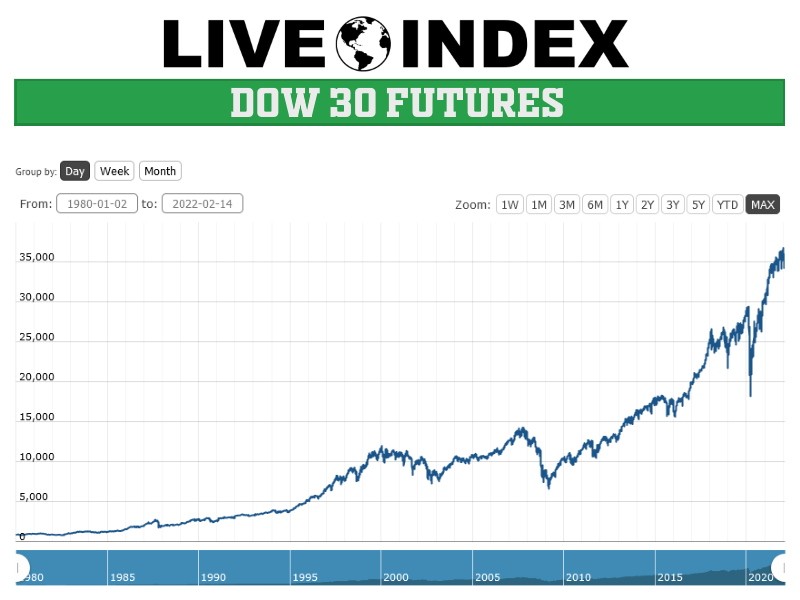
- Dow Jones Industrial Average futures (YM): These futures track the Dow 30, an index of 30 prominent U.S. companies. While less broad than the S&P 500, their movements provide insight into the performance of established industrial leaders.
Monitoring the interplay between these different contracts can offer nuanced insights. For instance, if Nasdaq futures are underperforming S&P futures, it might suggest a rotation out of growth stocks and into value or more defensive sectors.
Implications for Investors and Traders
The dynamic behavior of stock futures carries significant implications for various market participants, from long-term investors to high-frequency traders. Their real-time movements influence strategic decisions, risk management, and tactical entries and exits.
Gauging Market Open Sentiment
For traders and investors, the primary and most immediate implication of stock futures activity is gauging the likely sentiment at the market open. A strong positive move in futures suggests a higher opening for stocks, potentially signaling a continuation of bullish momentum or a reversal of previous day’s losses. Conversely, deeply negative futures point to a lower open, indicating potential panic selling or continued bearishness. This early read allows for adjustments to trading plans, such as preparing for gap-up or gap-down openings, which can present unique opportunities or risks. It informs whether one should be looking for breakout trades, fade opportunities, or simply waiting for volatility to subside.
Risk Management and Portfolio Adjustments
Stock futures serve as valuable tools for risk management. For portfolio managers, a significant drop in futures overnight might prompt them to consider hedging strategies, such as buying inverse ETFs or adjusting their exposure to certain sectors before the market opens. Individual investors with open positions can use futures activity to assess potential morning losses or gains, helping them decide whether to set stop-loss orders tighter or prepare to take profits. The information allows for proactive, rather than reactive, management of portfolio risk, minimizing potential damage from adverse market shifts.
Short-Term Trading Opportunities
For day traders and short-term speculators, the volatility and liquidity of stock futures present numerous opportunities. Traders can take positions in futures contracts themselves, speculating on their short-term direction, or use futures movements to inform their decisions on individual stocks or ETFs. For example, if futures are showing strong upward momentum, a day trader might look for long opportunities in leading stocks or sector ETFs. The ability to trade futures nearly 24/5 also allows traders to capitalize on news events that occur outside regular market hours, which can lead to significant price movements.
Long-Term Investment Strategy Adaptation
While long-term investors typically don’t react to every single fluctuation, stock futures provide context for the broader economic narrative. Persistent weakness in futures, driven by ongoing inflation concerns or recession fears, might lead a long-term investor to re-evaluate their asset allocation, perhaps increasing exposure to defensive sectors or alternative investments. Conversely, consistently strong futures, supported by robust economic data, could reinforce a bullish long-term outlook, encouraging continued investment in growth-oriented assets. Futures help long-term investors understand the “temperature” of the market, guiding strategic adjustments rather than tactical maneuvers.
Navigating the Future: Outlook and Considerations
Predicting the exact movements of stock futures is an impossible task, given the multitude of unpredictable factors at play. However, understanding the underlying dynamics and exercising sound judgment are crucial for navigating the market effectively.
Volatility and Uncertainty: A Constant Companion
Stock futures, by their very nature, are highly susceptible to volatility. Any major piece of economic news, political statement, or corporate announcement can trigger rapid price swings. In today’s interconnected global economy, uncertainty is a constant companion, whether stemming from geopolitical tensions, central bank policy shifts, or unexpected economic data. Investors and traders must acknowledge this inherent volatility and approach the futures market with caution, employing robust risk management strategies and avoiding over-leveraging. The “right now” of stock futures is often a reflection of the latest uncertainty, demanding a flexible and adaptable approach.
The Importance of Diversified Information Sources
Relying solely on one news source or a single indicator for futures movements is a perilous strategy. A comprehensive understanding requires synthesizing information from a diverse array of sources: reputable financial news outlets, economic calendars, central bank statements, corporate investor relations, and independent market analysis. Cross-referencing data and opinions helps to form a more balanced and informed perspective, reducing the risk of being swayed by biased or incomplete information. Understanding why futures are moving, rather than just how much, is paramount.
Disclaimers and the Role of Professional Advice
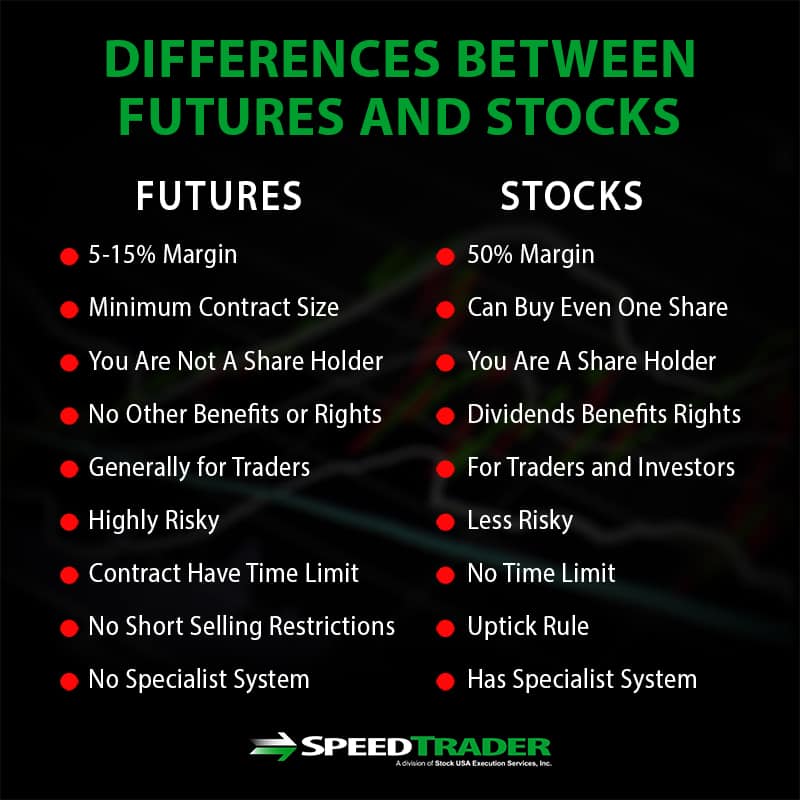
It is crucial to remember that trading stock futures involves significant risk and is not suitable for all investors. Leverage, a common feature of futures trading, can amplify both gains and losses. Past performance is not indicative of future results, and market conditions can change rapidly. Before engaging in any futures trading or making significant investment decisions based on futures activity, individuals should conduct thorough research, understand the associated risks, and consider consulting with a qualified financial advisor. Professional guidance can help tailor strategies to individual financial situations, risk tolerance, and investment goals, ensuring that decisions are well-informed and prudent.
In conclusion, “what are stock futures doing right now” is a question that probes the immediate sentiment and anticipated trajectory of the financial markets. By understanding their role, the forces that drive them, and how to interpret their signals, market participants can gain valuable insights, manage risk more effectively, and position themselves more strategically in the ever-evolving landscape of global finance.
aViewFromTheCave is a participant in the Amazon Services LLC Associates Program, an affiliate advertising program designed to provide a means for sites to earn advertising fees by advertising and linking to Amazon.com. Amazon, the Amazon logo, AmazonSupply, and the AmazonSupply logo are trademarks of Amazon.com, Inc. or its affiliates. As an Amazon Associate we earn affiliate commissions from qualifying purchases.