
The quest for the “cheapest insurance company” is a common one, driven by a universal desire to save money without compromising essential protections. In an increasingly complex financial landscape, insurance premiums can feel like a significant burden on household budgets. However, defining the “cheapest” provider is far from straightforward; it’s a highly individual calculation influenced by a myriad of personal, financial, and policy-specific factors. This article delves into the nuances of insurance pricing, offers actionable strategies for reducing your premiums, and guides you on how to find the best value, rather than just the lowest price, for your specific insurance needs.
The Elusive “Cheapest” – Understanding Insurance Pricing
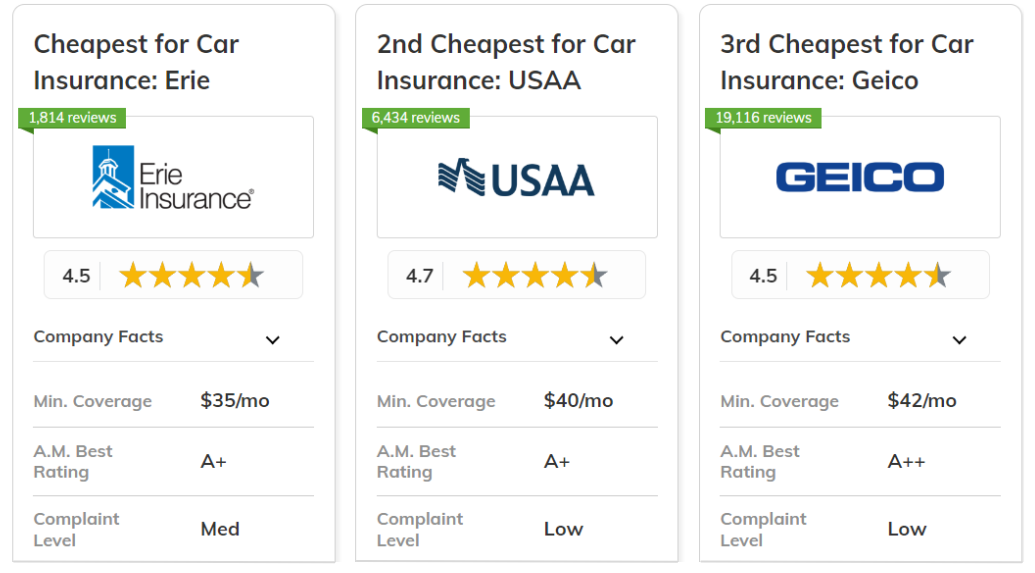
The notion that a single insurance company holds the title of “cheapest” for everyone is a myth. Insurance pricing is a sophisticated actuarial science, designed to assess individual risk profiles and predict the likelihood of a claim. What might be the most affordable option for one person could be prohibitively expensive for another.
Why There’s No Single “Cheapest” Company
Insurance companies use proprietary algorithms to evaluate risk, and these algorithms weigh various factors differently. One insurer might prioritize a clean driving record more heavily, while another might place greater emphasis on your credit score or the safety features of your home. This divergence in risk assessment means that the same individual, seeking the same coverage, can receive wildly different quotes from multiple providers. Furthermore, an insurer’s competitive pricing strategies can shift over time and vary by region or even specific zip code, making a static “cheapest” designation impossible.
Key Factors Driving Your Insurance Premiums
Understanding the core components that influence your insurance rates is the first step towards finding more affordable coverage. These factors broadly fall into categories related to your personal profile, the specifics of your policy, and your past claims history.
Personal Profile and Demographics
Your personal characteristics play a significant role in determining your premiums. For auto insurance, factors like your age (younger drivers often pay more), gender (in some states), marital status, and driving record are crucial. A history of accidents or traffic violations will almost invariably lead to higher rates. For home insurance, your location, the age and construction type of your home, and local crime rates are major considerations. Even your credit score can impact premiums in many states, as insurers often correlate a higher credit score with a lower likelihood of filing claims.
Coverage Choices and Deductibles
The level of coverage you choose directly impacts your premium. Opting for higher liability limits, comprehensive and collision coverage on your auto policy, or extensive endorsements on your home insurance will naturally increase the cost. Similarly, your deductible—the amount you pay out-of-pocket before your insurance kicks in—is a critical factor. A higher deductible generally leads to a lower premium, as you are taking on more of the initial financial risk. Finding the right balance between coverage and deductible is key to managing costs without leaving yourself exposed.
Risk Assessment and Claims History
Every time you file a claim, it can potentially affect your future insurance rates. Insurers review your claims history to gauge your risk level. Frequent claims, even minor ones, can signal a higher propensity for future claims, leading to increased premiums. Conversely, a long period without any claims can often qualify you for good driver or claims-free discounts, demonstrating the reward for responsible behavior. The type of asset being insured (e.g., a sports car vs. a sedan, a home in a flood zone vs. one on high ground) also forms part of the risk assessment, directly influencing the premium.
Proven Strategies to Slash Your Insurance Costs
While the “cheapest” company remains elusive, there are concrete, actionable strategies you can employ to significantly reduce your insurance expenditures. These methods focus on smart shopping, leveraging available discounts, and optimizing your policy choices.
The Power of Comparison Shopping
This is arguably the single most effective strategy for finding affordable insurance. Never settle for the first quote you receive. Insurance markets are highly competitive, and prices vary widely.
Gathering Multiple Quotes
The internet has made it easier than ever to compare quotes from various providers. Utilize online comparison tools, or contact multiple agents directly. Aim to get at least three to five quotes for the exact same coverage levels to ensure a fair comparison. Remember to compare not just the bottom-line price, but also the specific coverages, deductibles, and any exclusions.
Reviewing Annually
Insurance rates are not static. Your personal circumstances change, market conditions evolve, and companies adjust their pricing models. What was the cheapest option last year might not be this year. Make it a habit to shop for new quotes every year or two, especially if you’ve had a life event like buying a new car, moving, or getting married.
Leveraging Discounts and Bundling Options
Insurance companies offer a wide array of discounts, many of which are underutilized. Actively inquire about every discount for which you might qualify.
Common Discounts to Explore
- Multi-Policy/Bundling: Insuring your car and home with the same company often results in substantial savings on both policies.
- Safe Driver/Claims-Free: Rewards for maintaining a clean driving record over several years.
- Good Student: Discounts for young drivers who maintain good academic grades.
- Vehicle Safety Features: Discounts for cars equipped with anti-lock brakes, airbags, anti-theft devices, and other safety features.
- Home Safety Features: Discounts for homes with alarm systems, smoke detectors, deadbolt locks, or new roofing.
- Loyalty: Some companies reward long-term customers.
- Payment Method: Discounts for paying premiums annually, quarterly, or via automatic payments.
- Occupational/Affiliation: Certain professions or memberships might qualify for group discounts.
The Appeal of Bundling Policies
Bundling isn’t just about convenience; it’s a significant cost-saving measure. Companies incentivize bundling because it consolidates their customer base and reduces administrative costs. Always ask your current insurer what discounts they offer for bundling and compare that with the bundled rates from competitors.
Optimizing Your Coverage and Deductibles
While you don’t want to be underinsured, there might be opportunities to adjust your coverage to save money.
Adjusting Deductibles
Raising your deductible from, say, $500 to $1,000 can noticeably reduce your premium. Just ensure you have enough in savings to comfortably cover the higher deductible if you need to file a claim.
Reviewing Coverage Levels
For older vehicles, the cost of comprehensive and collision coverage might outweigh the car’s actual cash value. Consider dropping these coverages if your car is old and paid off, and you can absorb the cost of repair or replacement out-of-pocket. Similarly, for home insurance, ensure your coverage accurately reflects the cost to rebuild your home, not its market value (which includes land).
Usage-Based Insurance
Telematics programs (usage-based insurance) track your driving habits via a device or app. Safe drivers can earn significant discounts. If you drive cautiously and infrequently, this could be an excellent way to save.
Improving Your Financial and Risk Profile
Some long-term strategies involve improving factors that insurers use to assess your risk.
Boosting Your Credit Score
In states where it’s allowed, a higher credit-based insurance score can lead to lower premiums. Paying bills on time and managing debt responsibly can improve this score over time.
Maintaining a Clean Record
Avoid accidents and traffic violations. A clean driving record is one of the most powerful factors in keeping auto insurance costs low. For homeowners, taking steps to mitigate risks (e.g., trimming trees, maintaining property) can help prevent claims and keep rates stable.
Beyond Price: The Value Proposition in Insurance
While finding the cheapest rate is important, true financial prudence dictates looking beyond price alone. Insurance is a promise, and that promise is only as good as the company backing it. The goal should be to find the best value – the optimal balance of affordability, adequate coverage, and reliable service.
Why Cheapest Isn’t Always Best
A rock-bottom premium might come with hidden costs. These could include overly restrictive coverage, a higher deductible than you can comfortably afford, or a company with a poor track record for customer service and claims processing. The momentary savings could evaporate quickly if you face a claim and discover your policy doesn’t cover what you thought it did, or if the claims process is a nightmare.
Assessing Insurer Reliability and Customer Service
Researching an insurance company’s reputation is crucial. Look for reviews from current and former customers regarding their experience with claims, customer support, and overall satisfaction. Check financial strength ratings from independent agencies like A.M. Best, Standard & Poor’s, or Moody’s; these indicate the company’s ability to pay out claims. A financially stable insurer with good customer service can provide peace of mind that goes far beyond a low premium.
The Cost of Being Underinsured
One of the gravest mistakes is to choose insufficient coverage simply to achieve the lowest possible premium. Being underinsured means that in the event of a major loss (a severe car accident, a house fire), your insurance payout won’t cover your actual damages or liabilities. This can leave you personally responsible for substantial financial burdens, potentially wiping out savings or forcing you into debt. Always ensure your policy provides adequate coverage for your assets and potential liabilities, even if it means a slightly higher premium.
Navigating Specific Insurance Types for Savings
While the general principles apply across the board, each type of insurance has unique considerations for finding cost-effective coverage.
Auto Insurance: Driving Down Premiums
Beyond the general strategies, consider factors specific to your vehicle. Choose cars that are cheaper to insure (often those with higher safety ratings and lower repair costs). Drive fewer miles, if possible, as some insurers offer low-mileage discounts. Consider taking a defensive driving course, which can sometimes reduce premiums. Remember, raising your credit score and maintaining a clean driving record are paramount for auto insurance savings.
Home and Renter’s Insurance: Protecting Your Property Wisely
For homeowners, the age and condition of your home, proximity to a fire station, and local crime rates are significant. Consider replacing an old roof, upgrading electrical systems, or installing a security system, as these improvements can lead to discounts. For both home and renter’s insurance, accurately assessing the value of your possessions is key. Don’t over-insure items you don’t own, but ensure valuable items are properly covered, potentially with specific riders.
Life and Health Insurance: Securing Your Future Without Breaking the Bank
Life insurance premiums are heavily influenced by your age and health. The younger and healthier you are when you purchase a policy, the lower your rates typically will be. Quitting smoking or improving your overall health can lead to better rates. For health insurance, exploring different plan types (HMO, PPO, HDHP) and understanding their deductibles, copays, and out-of-pocket maximums is essential. Utilizing employer-sponsored plans is often the most cost-effective route, but comparing options on the marketplace is vital if you’re self-employed or not covered by an employer.
Your Personal Roadmap to Affordable Insurance
Finding the “cheapest” insurance company is less about identifying a single provider and more about mastering a continuous process of informed decision-making. It requires proactive engagement, periodic review, and a willingness to understand the intricacies of your own financial protection.
Annual Review: A Critical Step
Your insurance needs and the market itself are not static. Set a reminder to review your policies and shop for new quotes annually. Major life events—such as marriage, having children, buying a new car or home, or changing jobs—are prime opportunities to reassess your coverage and potentially find better rates. Don’t wait for renewal notices; be proactive in seeking out savings.
The Role of Financial Tools and Brokers
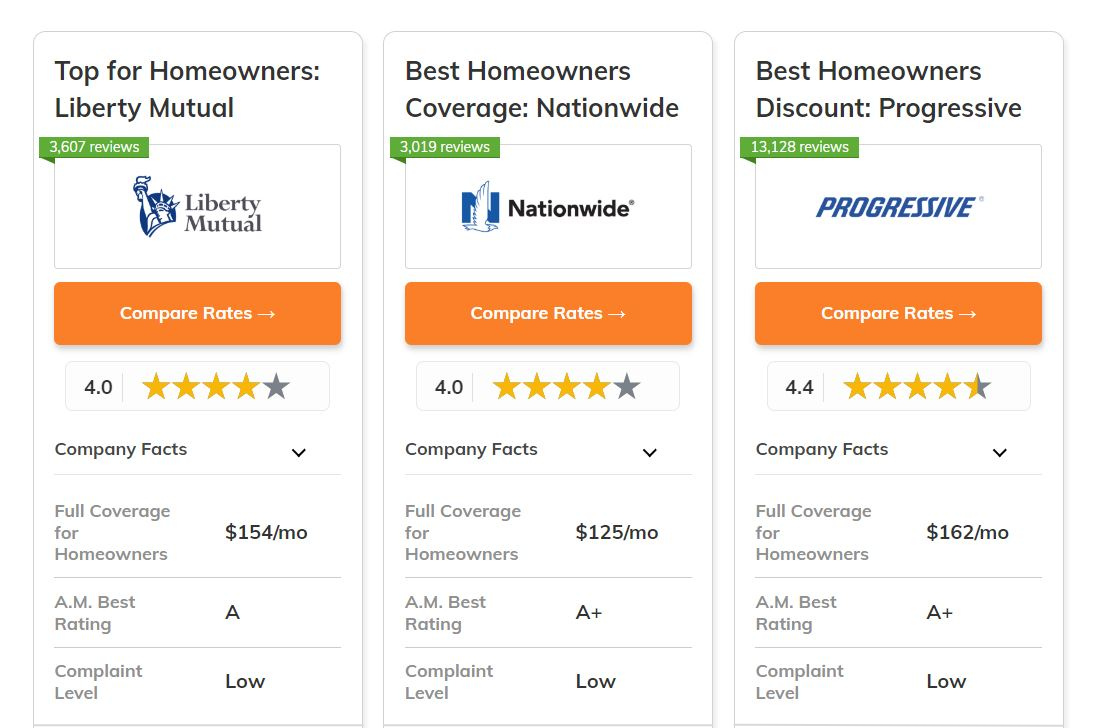
Leverage online comparison websites and financial tools designed to streamline the quote-gathering process. These platforms can quickly provide multiple quotes, helping you identify competitive options. Alternatively, consider working with an independent insurance broker. Unlike captive agents who work for a single company, independent brokers represent multiple insurers and can shop the market for you, often finding deals you might miss on your own. They can also offer expert advice on appropriate coverage levels based on your unique circumstances.
In conclusion, the “cheapest insurance company” is a moving target, unique to each individual. By understanding the factors that influence pricing, actively seeking out discounts, diligently comparing quotes, and prioritizing value alongside cost, you can effectively navigate the insurance market and secure the comprehensive coverage you need without overspending. The ultimate goal is not merely to find the lowest premium, but to achieve financial peace of mind through a policy that truly protects you when it matters most.
aViewFromTheCave is a participant in the Amazon Services LLC Associates Program, an affiliate advertising program designed to provide a means for sites to earn advertising fees by advertising and linking to Amazon.com. Amazon, the Amazon logo, AmazonSupply, and the AmazonSupply logo are trademarks of Amazon.com, Inc. or its affiliates. As an Amazon Associate we earn affiliate commissions from qualifying purchases.