
The dream of generating income while you sleep has captivated individuals for generations. In the digital age, this aspiration has become more accessible than ever, thanks to the vast opportunities presented by the internet. Passive income, at its core, refers to earnings derived from an enterprise in which one is not actively involved. While it often requires significant upfront effort, investment, or creation, the goal is to build systems and assets that continue to generate revenue with minimal ongoing intervention. The internet, with its global reach, automation capabilities, and diverse platforms, has democratized the ability for almost anyone to construct these income streams. This article delves into the strategies, principles, and considerations for successfully making passive income on the internet, offering a professional and insightful guide for those ready to embark on this financially empowering journey.

Understanding the Core Principles of Internet-Based Passive Income
Before diving into specific methods, it’s crucial to establish a clear understanding of what passive income truly entails in the online realm and why it’s such an attractive pursuit for many. Misconceptions often lead to unrealistic expectations, making a grounded perspective essential for success.
What Truly Defines Passive Income Online?
The term “passive” can sometimes be misleading. True passive income isn’t about doing nothing; it’s about front-loading your effort. You build a system, create a product, or establish a platform that, once operational, can generate revenue without requiring your constant, direct involvement. For instance, writing an e-book is a significant effort, but once published, it can sell copies for years with little to no additional work from the author. Similarly, creating an online course or developing a software tool demands substantial initial investment in time and expertise, but the sales that follow can be highly automated.
The key characteristic is decoupling your time from your earnings. Traditional jobs trade hours for dollars; passive income aims to generate dollars from assets or systems, regardless of whether you are actively working at that moment. This doesn’t mean zero effort; rather, it means ongoing effort is typically minimal, focused on maintenance, updates, or strategic improvements, rather than continuous production.
The Allure and Reality: Why Pursue It?
The appeal of passive income is multifaceted. For many, it represents the path to greater financial freedom, offering the potential to escape the traditional 9-to-5 grind or simply supplement existing income. It can provide a safety net, diversify income sources, and enable individuals to pursue passions without immediate financial pressure. Imagine earning money while traveling, spending time with family, or even sleeping – this is the promise of effective passive income streams.
However, it’s vital to acknowledge the reality. Building robust passive income streams on the internet requires dedication, strategic planning, and often a willingness to learn new skills. There’s no “get rich quick” scheme; sustainable passive income is built through value creation, audience engagement, and smart leveraging of online tools and platforms. The initial phase is often intensive, demanding significant time and sometimes financial investment, before the “passive” aspect truly begins to manifest. Patience and persistence are not merely virtues but necessities for anyone serious about this path.
Proven Strategies for Generating Passive Income Online
The internet offers a diverse landscape of opportunities for generating passive income. From leveraging your creative talents to capitalizing on digital marketplaces, here are some of the most effective and widely adopted strategies.
Digital Product Creation: Leveraging Your Expertise
One of the most direct routes to passive income involves creating and selling digital products. These can include:
- E-books and Guides: Share your knowledge on a specific topic. Once written and marketed, an e-book can be sold repeatedly without needing to create new inventory. Platforms like Amazon Kindle Direct Publishing make global distribution straightforward.
- Online Courses: Package your expertise into structured video lessons, tutorials, and resources. Platforms like Teachable, Thinkific, or Udemy allow you to host and sell your courses to a global audience. While course creation is intensive, the revenue can be highly passive once launched.
- Templates and Presets: Graphic designers, photographers, and content creators can sell templates (e.g., for social media, resumes, Notion workspaces), Photoshop presets, or Lightroom filters. These are created once and downloaded indefinitely.
- Stock Photos, Videos, and Music: If you have skills in photography, videography, or music composition, you can license your work through stock agencies like Shutterstock, Adobe Stock, or Pond5. Each sale generates a royalty, creating a stream of passive income from a single creation.
The beauty of digital products lies in their infinite scalability and minimal overhead once created.
Affiliate Marketing: Monetizing Recommendations
Affiliate marketing involves promoting other companies’ products or services and earning a commission on every sale made through your unique affiliate link. This strategy is incredibly passive once your content is created and ranking well.
- Content Platforms: Blogs, YouTube channels, and podcasts are excellent vehicles for affiliate marketing. You can write reviews, create tutorials, or discuss products, embedding affiliate links naturally within your content.
- Niche Focus: Success in affiliate marketing often hinges on selecting a niche you’re knowledgeable and passionate about, allowing you to provide genuine value and build trust with your audience.
- Major Programs: Amazon Associates, ClickBank, ShareASale, and individual company affiliate programs (e.g., software companies, fashion brands) offer vast opportunities. The key is to recommend products that genuinely benefit your audience, as authenticity builds long-term passive income.
Content Monetization: Advertising and Subscriptions
If you enjoy creating content and building an audience, monetizing that content through advertising or subscriptions can generate significant passive income.
- Blogging and Display Ads: Create valuable blog posts on a consistent basis. As your traffic grows, you can display ads through networks like Google AdSense, Mediavine, or AdThrive. The more visitors you attract, the more ad revenue you generate, largely passively after the content is published.
- YouTube Channel: Build a YouTube channel around a topic you’re passionate about. Once you meet YouTube’s eligibility requirements, you can enable monetization through Google AdSense, earning revenue from ads displayed on your videos. Older, evergreen content can continue to generate views and ad revenue for years.
- Patreon and Membership Sites: For creators with a dedicated following, platforms like Patreon allow your audience to directly support your work through recurring monthly subscriptions. Similarly, membership sites can offer exclusive content or community access for a fee, providing a stable, recurring revenue stream.

Automation in E-commerce: Dropshipping and Print-on-Demand
While often requiring more initial setup and some customer service, certain e-commerce models can be structured for significant passivity.
- Dropshipping: You set up an online store, market products, and take orders. When a customer buys, you simply forward the order to a third-party supplier who ships the product directly to the customer. You never handle inventory, packaging, or shipping. The “passive” aspect comes from automating order processing and customer service as much as possible, though competitive markets require ongoing marketing efforts.
- Print-on-Demand (POD): This model allows you to create unique designs for t-shirts, mugs, phone cases, and other merchandise. When a customer orders, a POD company prints your design on the product and ships it. Like dropshipping, you avoid inventory and fulfillment. Platforms like Merch by Amazon, Redbubble, and Printful integrate with e-commerce stores, making it relatively hands-off after design creation and store setup.
Essential Steps for Building Your Passive Income Streams
Regardless of the specific strategy chosen, a foundational approach is necessary to build sustainable and profitable passive income streams on the internet. These steps are crucial for laying a strong groundwork.
Niche Identification and Market Research
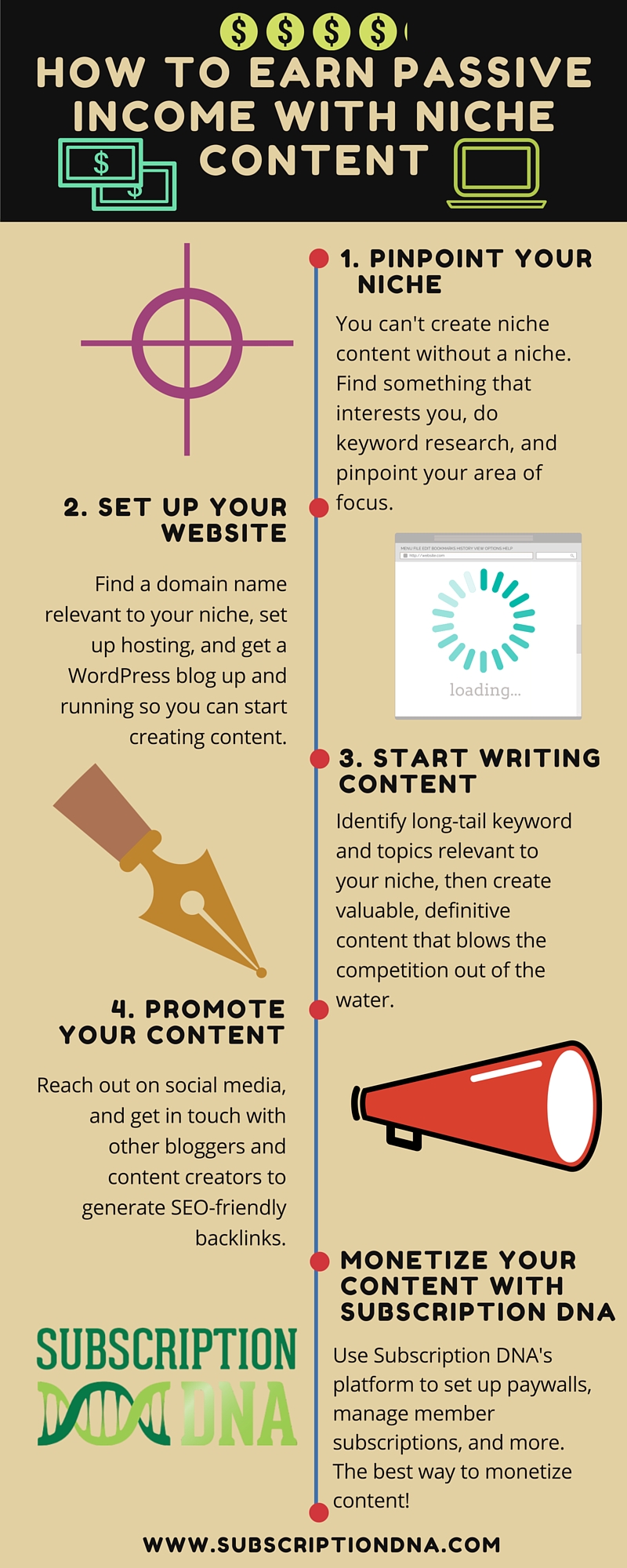
The first and most critical step is to identify a viable niche. A niche is a specific segment of a larger market that you can target with specialized products or services.
- Passion Meets Profit: Ideally, your niche should align with your interests or expertise, making the work enjoyable and sustainable. More importantly, it must have an audience willing to spend money.
- Problem-Solving: The most successful passive income ventures solve a problem or fulfill a need for a specific group of people. Conduct market research to identify common pain points, underserved audiences, or areas where existing solutions are lacking.
- Competitor Analysis: Research competitors to understand what they offer, their pricing, and their marketing strategies. This helps you identify gaps and differentiate your own offering. Tools like Google Trends, keyword research tools, and social media analytics can provide valuable insights.
Building Your Platform and Audience
Once you’ve identified your niche, you need a platform to reach your audience and deliver your value.
- Choose Your Channel: This could be a blog (WordPress, Squarespace), a YouTube channel, a social media presence (Instagram, TikTok, LinkedIn), or an e-commerce store (Shopify, Etsy). Your platform should be where your target audience congregates.
- Content is King: Consistently create high-quality, valuable content that attracts and engages your audience. This content can be informative articles, entertaining videos, inspiring images, or helpful tutorials. The goal is to establish authority and trust.
- Audience Engagement: Actively engage with your audience through comments, Q&A sessions, and social media interactions. Building a loyal community is paramount for long-term passive income, as engaged followers are more likely to convert into customers or patrons.
- Email List Building: An email list is one of your most valuable assets. Offer something valuable (e.g., a free guide, template, mini-course) in exchange for email sign-ups. This allows you to communicate directly with your audience, promote your products, and nurture relationships outside of algorithm-dependent platforms.
Automation and Scalability
The key to “passive” income lies in automation and scalability.
- Automate Processes: Utilize tools and software to automate repetitive tasks. This includes email marketing sequences, social media scheduling, order fulfillment (for digital products), customer support chatbots, and payment processing.
- Systematize Operations: Document your processes so they can be easily outsourced or delegated if needed. This reduces your direct involvement and frees up your time.
- Scalable Solutions: Ensure your chosen income stream can handle growth without requiring a proportional increase in your time or resources. Digital products are inherently scalable, as are advertising models. For e-commerce, ensuring your suppliers can meet demand is crucial. The goal is to build an engine that can run efficiently with minimal hands-on operation.
Overcoming Challenges and Sustaining Your Online Income
While the internet offers incredible potential for passive income, the journey is not without its hurdles. Understanding and preparing for these challenges is essential for long-term success.
Initial Investment and Time Commitment
The biggest misconception about passive income is that it requires no initial effort. In reality, the “passive” aspect only comes after a significant upfront investment of time, and sometimes money.
- Time: Creating a comprehensive online course, writing an e-book, building an engaged audience, or developing a custom software solution takes hundreds of hours. This initial grind is where many give up.
- Financial: While many online passive income streams can be started with low capital, some may require investment in tools, software, advertising, or outsourcing. Budgeting for these initial costs and understanding that profitability may not be immediate is crucial.
- Patience: Results rarely appear overnight. It can take months or even years to build a substantial passive income stream. Maintaining motivation during this gestation period is critical.
Staying Relevant and Adapting to Change
The internet is a dynamic environment. Algorithms change, trends shift, new technologies emerge, and competition intensifies.
- Continuous Learning: Stay abreast of industry changes, new marketing strategies, and platform updates. What works today might not work tomorrow.
- Content Updates: Regularly review and update your digital products, courses, and blog content to ensure they remain accurate, relevant, and valuable. Outdated information can erode trust and reduce sales.
- Diversification: Relying on a single passive income stream or platform is risky. Diversify your income sources and distribution channels to mitigate the impact of changes in any one area.
Legal, Tax, and Financial Considerations
As your online income grows, it’s vital to address the administrative and legal aspects of running a business.
- Business Registration: Depending on your location and income level, you may need to register your online venture as a business entity.
- Taxes: All income is taxable. Understand your local tax obligations, keep meticulous records of your income and expenses, and consider consulting with a tax professional.
- Legal Compliance: Be aware of legal requirements such as data privacy regulations (e.g., GDPR, CCPA), consumer protection laws, intellectual property rights, and terms of service for platforms you use. Proper disclaimers for affiliate marketing and clear terms for digital products are also essential.
- Financial Management: Separate personal and business finances. Use accounting software to track income and expenses, making tax season much smoother and providing clear insights into your business’s financial health.
Making passive income on the internet is a marathon, not a sprint. It demands foresight, tenacity, and a commitment to continuous learning and adaptation. By understanding its core principles, strategically implementing proven methods, and proactively addressing potential challenges, you can build a robust portfolio of online income streams that contribute significantly to your financial well-being and freedom. The internet truly offers an unprecedented opportunity to craft a future where your efforts continue to pay dividends long after the initial work is done.
aViewFromTheCave is a participant in the Amazon Services LLC Associates Program, an affiliate advertising program designed to provide a means for sites to earn advertising fees by advertising and linking to Amazon.com. Amazon, the Amazon logo, AmazonSupply, and the AmazonSupply logo are trademarks of Amazon.com, Inc. or its affiliates. As an Amazon Associate we earn affiliate commissions from qualifying purchases.