
The location of a corporate headquarters is far more than a mere postal address; it is a profound declaration of a brand’s identity, strategic priorities, operational philosophy, and its aspirations for the future. For a company as globally influential and technologically pioneering as Tesla, the decision regarding its corporate home carries immense weight, reverberating through its marketing narratives, talent acquisition strategies, and public perception. As of late 2021, Tesla officially moved its headquarters from the bustling heart of Silicon Valley to the expansive landscapes of Austin, Texas. This strategic relocation wasn’t simply a logistical adjustment; it represented a deliberate recalibration of Tesla’s brand identity, a testament to its evolving corporate strategy, and a powerful signal to its stakeholders about its vision for scale, efficiency, and future growth.

This article delves into the strategic implications of Tesla’s headquarters location, dissecting how this choice influences its corporate identity, market positioning, and the broader narrative it projects to the world. We will explore the journey from its Californian origins to its Texan embrace, understanding the branding advantages and challenges associated with each locale, and ultimately, how this physical presence underpins the very essence of the Tesla brand.
The Evolving Corporate Home of an Automotive Icon
Tesla’s journey from an audacious startup to a global automotive and energy powerhouse has been mirrored by the evolution of its corporate home. Each location has embedded a distinct layer into the brand’s multifaceted identity, reflecting different phases of its growth and strategic focus.
From Silicon Valley Roots to Lone Star Horizons
Tesla’s formative years were intrinsically linked to Palo Alto, California. Situated at the epicenter of technological innovation, its original headquarters in Silicon Valley conferred an undeniable aura of cutting-edge tech, disruptive thinking, and groundbreaking software development. Being headquartered alongside giants like Google, Apple, and Facebook automatically positioned Tesla as a technology company first, and an automotive manufacturer second—a crucial differentiator in its early branding efforts. This location was instrumental in attracting top-tier engineering and software talent, benefiting from the rich ecosystem of venture capital, and leveraging the “move fast and break things” mentality that characterized the Valley. The brand narrative was deeply intertwined with innovation, disruption, and a future-forward ethos, all intrinsically tied to its Californian origins.
However, as Tesla matured, transitioning from a niche EV manufacturer to a mass-market player with ambitious production targets, the limitations of its Silicon Valley base began to surface. The high cost of living and doing business, coupled with a regulatory environment perceived by some as challenging for large-scale manufacturing, created an impetus for change. The brand, while still valuing its tech roots, increasingly needed to emphasize its prowess in manufacturing, logistics, and global supply chains. The search for a new home became an exploration of a new strategic direction and, consequently, a rebranding exercise in itself.
Austin, Texas: Giga Factory and Corporate Hub
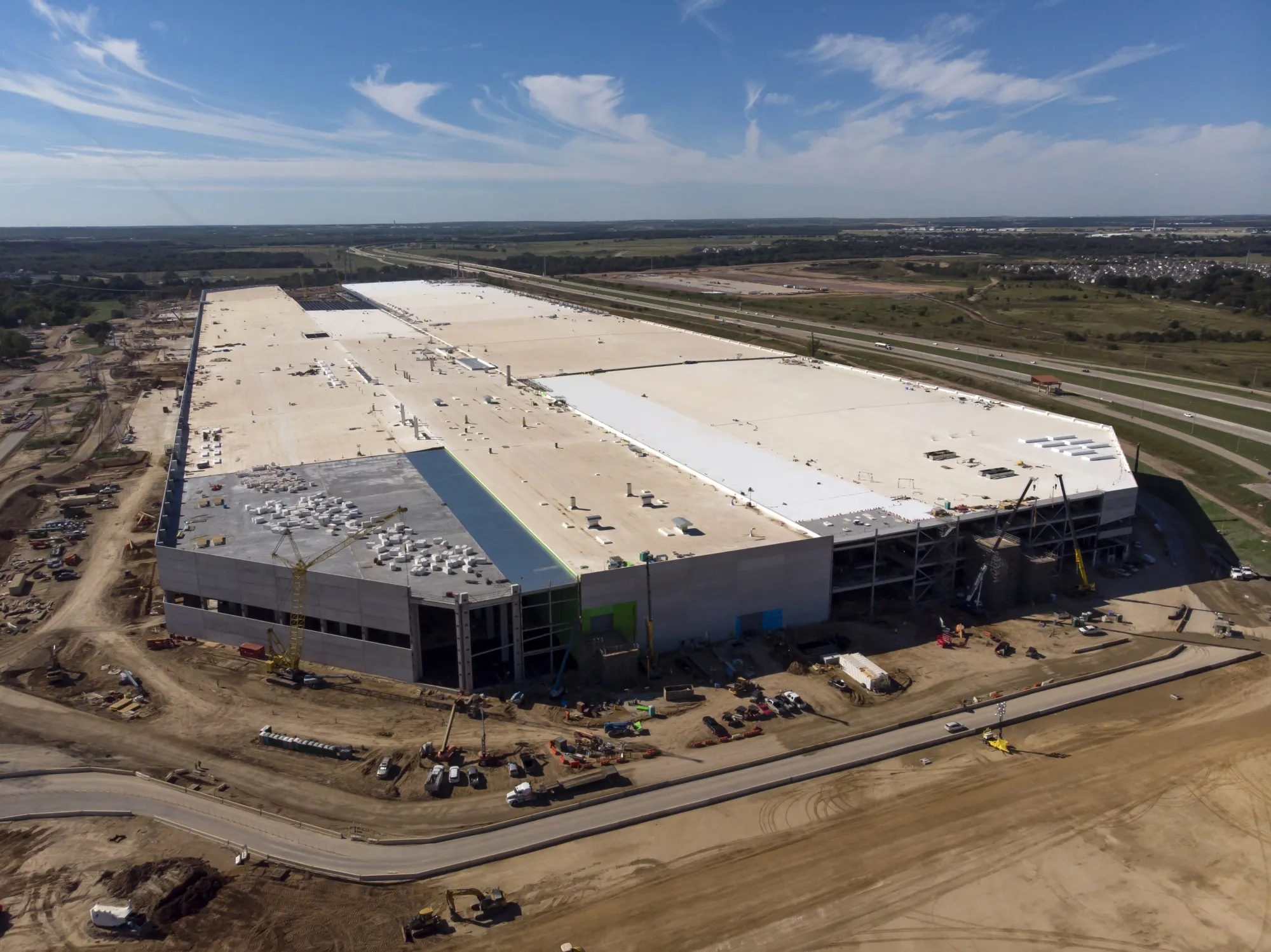
The announcement in October 2021 that Tesla’s headquarters would officially relocate to Austin, Texas, was a landmark moment. The choice of Austin was far from arbitrary; it was a carefully calculated strategic move that profoundly influenced Tesla’s brand narrative. The new headquarters is not a standalone office building in a downtown skyscraper, but rather integrated directly into the colossal 2,500-acre Giga Texas complex, located near Austin-Bergstrom International Airport. This physical integration of corporate leadership with the heart of its manufacturing operations is a powerful statement about Tesla’s priorities.
By situating its headquarters within one of its largest and most advanced manufacturing facilities, Tesla underscores its commitment to industrial scale, operational efficiency, and a vertically integrated production model. The brand identity shifts, subtly but significantly, from purely a “tech disruptor” to an “integrated tech and manufacturing powerhouse.” This move also aligns with a larger trend of tech companies expanding beyond traditional hubs, seeking environments that offer greater space, lower operating costs, and a different talent pool, thereby diversifying their corporate identity and enhancing their resilience. The vastness of Texas and the scale of Giga Texas perfectly encapsulate the ambition and grand vision that are central to the Tesla brand.
Strategic Imperatives Behind the Relocation
The decision to move a global headquarters is never taken lightly, particularly for a brand under constant public scrutiny like Tesla. The strategic imperatives driving this relocation were multifaceted, encompassing economic, operational, regulatory, and talent-related considerations, all of which directly impact Tesla’s brand strength and market positioning.
Economic and Operational Efficiencies
One of the primary drivers for the move to Texas was the pursuit of enhanced economic and operational efficiencies. California, despite its allure, presents a challenging environment for large-scale manufacturing due to its high cost of land, labor, and a complex regulatory framework. Texas, conversely, offered significant advantages. The cost of living for employees is generally lower, which can aid in talent retention and attraction, a subtle but important aspect of employer branding. For the company itself, Texas boasts a more favorable tax structure, including no state corporate income tax, which can lead to substantial long-term savings. These cost efficiencies are critical for a brand that is focused on scaling production and achieving profitability in a competitive market.
Furthermore, the sheer availability of space in Texas for expansion was a key factor. Giga Texas represents an enormous investment in manufacturing capacity, and having the corporate headquarters co-located allows for seamless integration of leadership, R&D, and production. This proximity streamlines decision-making processes, accelerates innovation cycles, and fosters a more cohesive organizational culture centered around production excellence. From a brand perspective, this move signals pragmatism, financial prudence, and an unwavering commitment to achieving aggressive production targets, reinforcing an image of a lean, efficient, and growth-oriented enterprise.
Regulatory Landscape and Business Environment
The regulatory environment plays a crucial role in a company’s operational agility and long-term strategic planning. California is known for its stringent environmental regulations, labor laws, and often bureaucratic processes. While these regulations serve important societal goals, they can pose challenges for rapidly expanding manufacturing operations. Texas, on the other hand, offers a business-friendly environment characterized by fewer regulations and a more streamlined permitting process. This difference in regulatory landscapes can significantly impact the speed at which Tesla can innovate, build, and scale.
For the Tesla brand, this shift underscores a desire for greater autonomy and a faster pace of development. It positions the brand as one that prioritizes efficiency and unhindered innovation, less constrained by regulatory hurdles and more focused on technological advancement and production output. While this move might attract criticism from certain environmental advocacy groups, for its core audience and investors, it reinforces the image of a company that is willing to make bold decisions to optimize its operational framework and accelerate its mission. It communicates a brand ethos that values progress and execution above all else.
Talent Acquisition and Lifestyle Factors
Attracting and retaining top talent is a perpetual challenge for any major brand, and Tesla is no exception. While Silicon Valley remains a magnet for tech talent, the increasingly prohibitive cost of living can be a deterrent, particularly for younger professionals or those seeking a better work-life balance. Austin, Texas, has emerged as a vibrant tech hub in its own right, offering a dynamic culture, a lower cost of living, and a growing pool of skilled professionals.

The relocation allows Tesla to tap into a new and diverse talent market, broadening its recruitment horizons beyond the highly competitive Silicon Valley ecosystem. The lifestyle appeal of Austin – its thriving music scene, outdoor activities, and more affordable housing – can be a significant draw for potential employees, enhancing Tesla’s employer brand. This strategic move helps Tesla to cultivate a workforce that is not only technically proficient but also aligns with the brand’s rugged, pioneering spirit. It’s about building a team that is energized by the “frontier” mentality often associated with Texas, reinforcing the adventurous and boundary-pushing aspects of the Tesla brand itself. The ability to offer a compelling lifestyle package alongside challenging work is a powerful tool in attracting and retaining the best minds.
Branding and Identity: The Texas Influence on Tesla
The move to Texas is more than a change of address; it is a fundamental re-shaping of Tesla’s corporate identity and public perception. The symbolism and characteristics associated with its new home state are now, by extension, woven into the fabric of the Tesla brand.
Re-shaping Tesla’s Corporate Image
Tesla’s original headquarters in California cemented its image as a quintessential Silicon Valley tech darling—innovative, futuristic, and perhaps a touch elitist. The move to Texas, however, has initiated a significant rebranding. Texas evokes imagery of vastness, self-reliance, industry, and a certain “go big or go home” ambition. By relocating there, Tesla’s brand persona subtly shifts. It becomes less about the sleek, refined luxury of Silicon Valley and more about raw power, massive scale, and pioneering spirit—a brand capable of tackling monumental engineering and manufacturing challenges.
This shift helps to solidify Tesla’s transition from a niche luxury EV maker to a mass-market energy and transportation company focused on large-scale production. The Texas identity aligns well with the brand’s audacious goals, such as building fully autonomous vehicles, scaling battery production, and even venturing into space (via SpaceX, also with significant operations in Texas). It lends an air of rugged determination and industrial might, broadening its appeal beyond early adopters to a more mainstream, global audience that values robust engineering and tangible output. The brand now projects an image of being grounded in massive infrastructure, rather than solely digital innovation.
Impact on Company Culture and Narrative
The physical environment of a headquarters profoundly influences a company’s internal culture and the stories it tells about itself. In Palo Alto, the culture might have been more concentrated on software development, rapid prototyping, and a somewhat insular tech community. In Austin, especially within the Giga Texas complex, the culture is likely to be more heavily influenced by manufacturing, large-scale engineering, and the integration of physical and digital worlds. This fosters a different kind of camaraderie and problem-solving, emphasizing collaboration between engineers on the factory floor and those in corporate strategy offices.
The new narrative reinforces Tesla as a company that not only designs futuristic technology but also builds it on an unprecedented scale. This strengthens the brand’s authenticity, countering criticisms that it might be more talk than execution. The proximity to a massive production facility also means that employees, regardless of their specific role, are constantly reminded of the tangible output of their work. This connection to the physical product and its manufacturing process can instill a deeper sense of purpose and pride, further embedding a culture of operational excellence and tangible results into the brand’s core identity.
Proximity to Production and Supply Chain
One of the most compelling branding advantages of the Texas relocation is the immediate proximity of the corporate headquarters to a major production facility. This physical integration allows for an unparalleled level of synergy between strategic decision-making and real-world manufacturing challenges. Leaders can walk the factory floor, directly observe production processes, and gain immediate insights into operational bottlenecks or opportunities for improvement. This hands-on approach reinforces a brand image of practical innovation and direct engagement with its core business.
From a supply chain perspective, having the headquarters near a central manufacturing hub can streamline logistics, optimize inventory management, and facilitate quicker responses to supply chain disruptions. This operational efficiency translates into stronger brand reliability and customer satisfaction, as it reduces production delays and ensures consistent product delivery. The ability for R&D, design, and executive teams to collaborate seamlessly with production teams is a significant competitive advantage. It signals a brand that is meticulously managed from conception to delivery, ensuring that strategic decisions are always informed by manufacturing realities, and vice versa.
Beyond Bricks and Mortar: The Future of Tesla’s Brand Presence
While the Austin headquarters is a significant anchor, Tesla’s brand presence extends far beyond any single physical location. As a global corporation, its identity is increasingly shaped by a distributed network of operations and the enduring vision of its charismatic leader.
Decentralization and Global Footprint
For a truly global brand like Tesla, the concept of a singular “headquarters” is increasingly fluid. While Austin serves as the official corporate home, Tesla operates Gigafactories and significant corporate offices across the globe—in Nevada, New York, Berlin, and Shanghai. Each of these locations contributes to Tesla’s overall brand identity, adapting to local markets while upholding global brand standards. The Berlin Gigafactory, for example, represents Tesla’s commitment to European markets and sustainable manufacturing within an established automotive landscape. The Shanghai Gigafactory showcases its ability to rapidly scale production and innovate within the dynamic Chinese market.
This decentralized yet interconnected global footprint strengthens Tesla’s brand by demonstrating its adaptability, its commitment to local economies, and its truly international ambition. It shows that Tesla is not confined by geographical boundaries but is a truly transnational entity, capable of executing its vision on a planetary scale. The corporate identity thus becomes a mosaic of these diverse global operations, all unified by the core Tesla brand values of sustainability, innovation, and accelerating the world’s transition to sustainable energy.
The Enduring Influence of Elon Musk’s Vision
No discussion of Tesla’s brand or its headquarters would be complete without acknowledging the profound and often polarizing influence of its CEO, Elon Musk. Musk’s personal brand is inextricably linked with Tesla’s corporate identity. His decisions, often communicated directly via social media, significantly shape public perception and strategic direction. The move to Texas, for instance, was heavily influenced by Musk’s personal preferences and his vocal criticisms of California’s regulatory environment.
Musk’s vision of a multi-planetary future, his relentless pursuit of audacious goals, and his public persona all contribute to Tesla’s brand narrative. His presence, whether physical or virtual, often is the headquarters in the minds of many. This strong, centralized leadership figure provides a consistent brand voice and a clear, albeit sometimes controversial, direction. The future of Tesla’s brand presence will undoubtedly continue to be shaped by Musk’s evolving vision, his willingness to challenge norms, and his commitment to pushing the boundaries of technology and manufacturing, regardless of where the physical headquarters might officially reside. His strategic moves, including physical locations, are often seen as extensions of his larger, transformative mission.
In conclusion, Tesla’s headquarters in Austin, Texas, is far more than an administrative center; it is a meticulously chosen strategic asset that underpins the brand’s evolving identity. From its shift away from Silicon Valley’s tech-centric image to embracing Texas’s ethos of scale and industry, every aspect of this relocation reinforces Tesla’s commitment to efficiency, manufacturing prowess, and a relentless pursuit of its ambitious mission. It is a powerful statement of a brand transforming, adapting, and continuously solidifying its position as a global leader at the intersection of technology, automotive innovation, and sustainable energy. The headquarters, in this context, is not just a building; it is a cornerstone of the Tesla brand narrative.
aViewFromTheCave is a participant in the Amazon Services LLC Associates Program, an affiliate advertising program designed to provide a means for sites to earn advertising fees by advertising and linking to Amazon.com. Amazon, the Amazon logo, AmazonSupply, and the AmazonSupply logo are trademarks of Amazon.com, Inc. or its affiliates. As an Amazon Associate we earn affiliate commissions from qualifying purchases.