
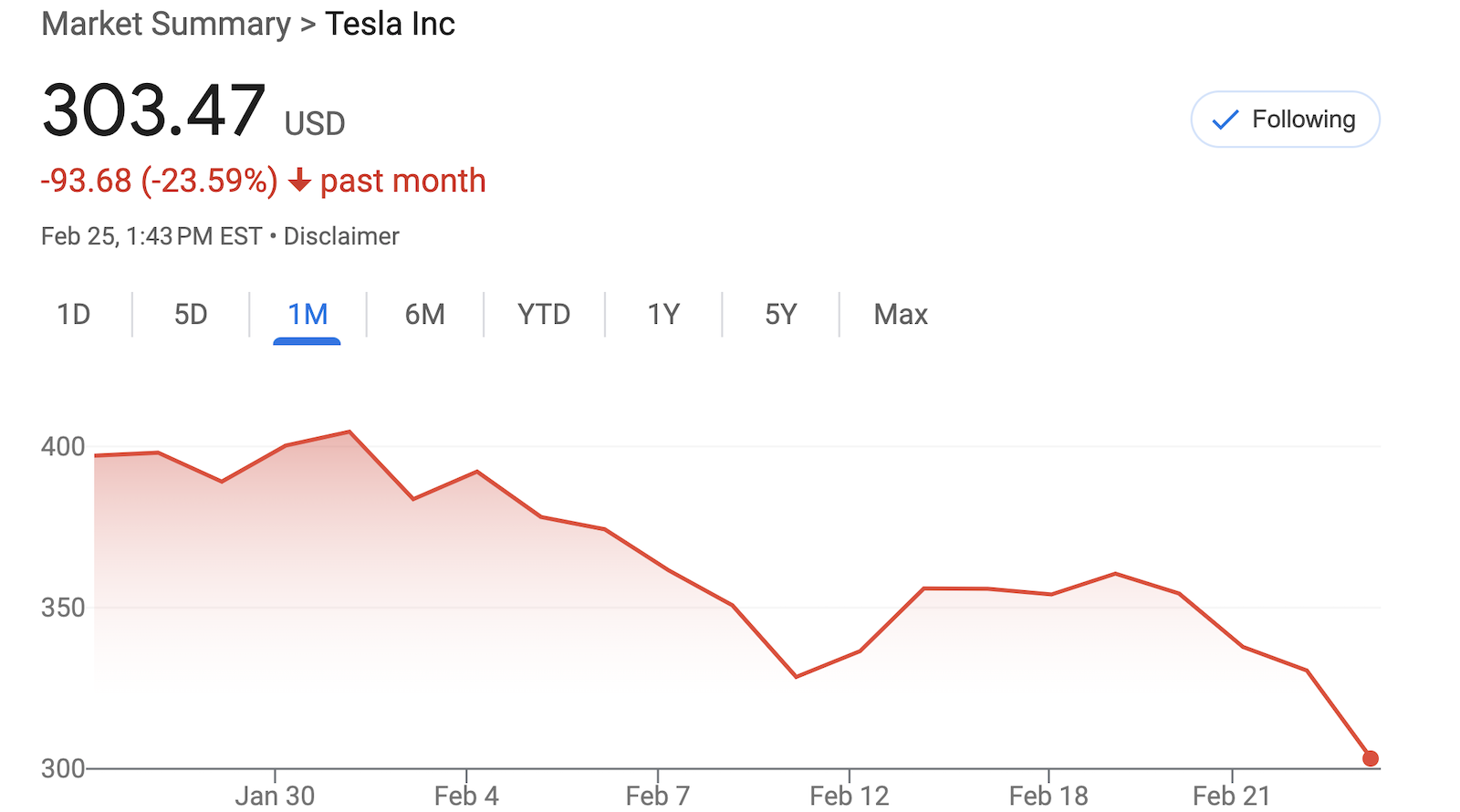
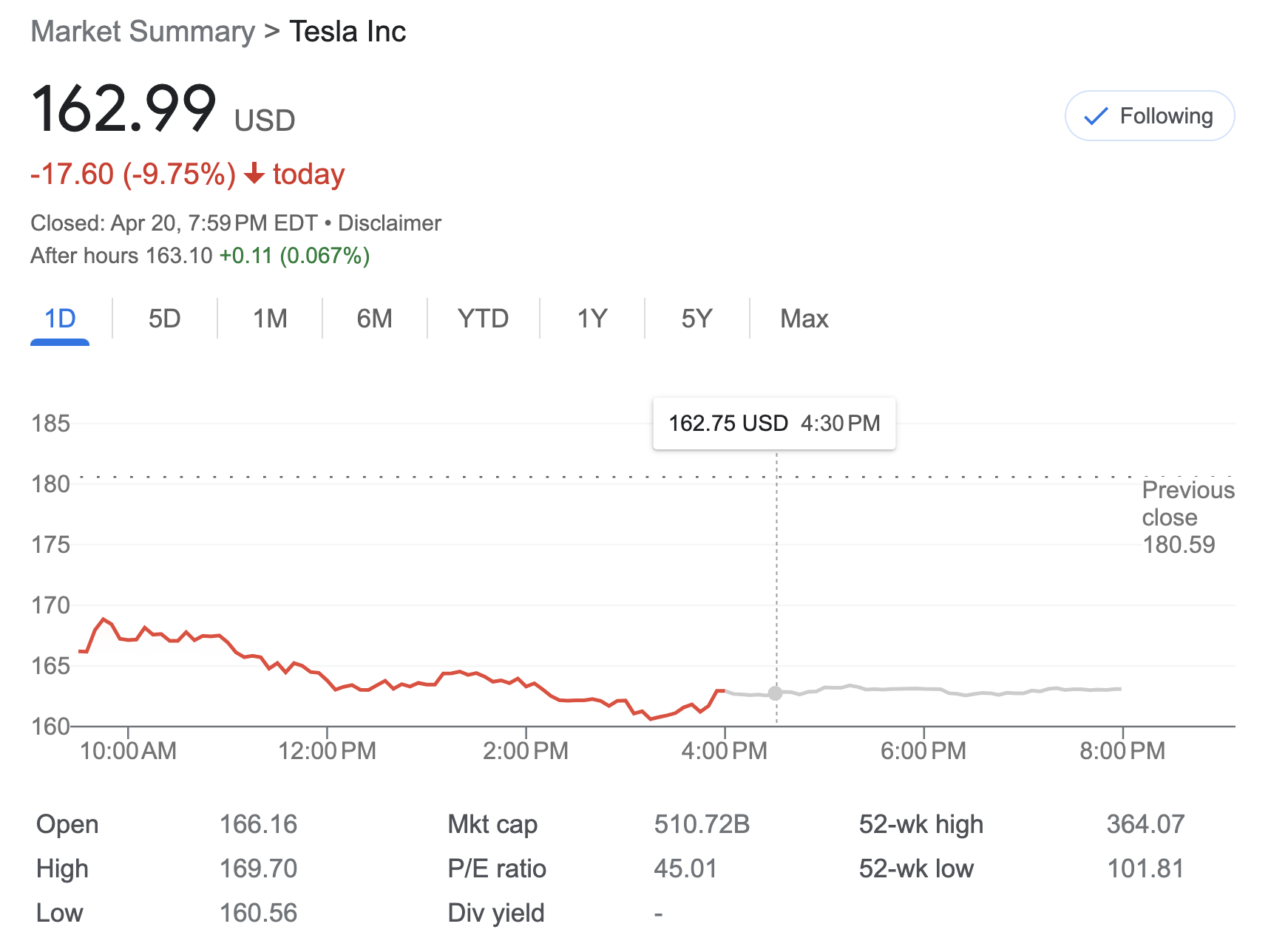
Tesla, once the darling of growth investors and a symbol of disruptive innovation, has experienced a tumultuous period in the stock market. After an unprecedented surge that saw its market capitalization soar to over a trillion dollars, the company’s shares have faced significant headwinds, leading to substantial declines from their peak. This shift has prompted widespread questions among investors, analysts, and the general public: what precisely is driving this downturn? The answer is multifaceted, encompassing a blend of broader macroeconomic pressures, intensifying competitive landscapes, company-specific operational challenges, and a critical re-evaluation of its ambitious valuation. Understanding these interwoven factors is crucial for anyone looking to comprehend the current state and potential future trajectory of one of the market’s most watched equities.
Broader Economic Headwinds and Shifting Investor Sentiment
The investing landscape has undergone a profound transformation over the past couple of years, moving away from an environment that heavily favored high-growth, speculative assets. This macroeconomic shift has had a particularly pronounced impact on companies like Tesla, which historically benefited from easy money and an optimistic outlook on future earnings.
Rising Interest Rates and Inflation’s Impact on Growth Stocks
A primary driver of Tesla’s recent stock struggles can be attributed to the global monetary policy tightening, specifically the aggressive interest rate hikes by central banks. Historically low interest rates made future earnings streams more valuable in present terms, thus inflating the valuations of growth companies that promise substantial profits down the line. As interest rates rise, the discount rate applied to these future earnings increases, effectively reducing their present value. This phenomenon disproportionately affects growth stocks, which are valued more on their long-term potential than on immediate profitability.
Moreover, persistent inflation has eroded consumer purchasing power and increased operational costs for businesses worldwide. For Tesla, this translates to higher costs for raw materials, logistics, and labor, potentially squeezing profit margins even as the company strives for greater efficiency. Investors, wary of compressed margins and slower economic growth, tend to de-risk their portfolios, moving away from volatile growth stocks towards more stable, dividend-paying companies or cash equivalents. This macroeconomic backdrop creates a challenging environment for any company with a premium valuation built on aggressive growth assumptions.
Shifting Investor Appetite and Risk Aversion
The “easy money” era fostered a speculative environment where investors were willing to pay a premium for companies with compelling narratives and disruptive potential. Tesla, with its charismatic CEO, innovative technology, and mission-driven brand, perfectly fit this mold. However, as economic uncertainties mounted—fueled by inflation, geopolitical tensions, and fears of recession—investor sentiment pivoted sharply towards risk aversion.
The focus has shifted from “growth at any cost” to profitability, free cash flow generation, and balance sheet strength. Companies that can demonstrate consistent earnings and robust financial health are now favored over those requiring significant capital expenditure for future expansion. This shift has put pressure on Tesla, which, despite its profitability, still trades at a valuation that assumes continued exponential growth far exceeding that of traditional automakers. As investors become more discerning and less tolerant of speculative bets, the multiple they are willing to pay for Tesla’s earnings naturally contracts, contributing to stock price depreciation.
Intensifying Competition in the Electric Vehicle Landscape
Tesla once held an almost unchallenged position in the electric vehicle (EV) market. Its early lead in battery technology, charging infrastructure, and software integration gave it a significant competitive moat. However, that moat is rapidly shrinking as the global automotive industry undergoes a profound transformation, with virtually every major automaker committing massive resources to electrification.
Traditional Automakers Catching Up
Legacy automakers, initially slow to respond to the EV revolution, have now fully embraced it. Giants like Volkswagen, General Motors, Ford, Mercedes-Benz, BMW, and Hyundai-Kia have launched, and continue to expand, compelling EV lineups across various segments. These companies bring decades of manufacturing expertise, established supply chains, vast dealership networks, and deep pockets to the EV race. For instance, Volkswagen’s ID. series, Ford’s F-150 Lightning and Mustang Mach-E, and GM’s Ultium platform vehicles are directly competing with Tesla’s offerings in critical markets.
This surge in traditional automotive EV production means that Tesla is no longer the only game in town. Consumers now have a wider array of choices, often with comparable range, features, and build quality, sometimes even at more competitive price points. The market share that Tesla once enjoyed by default is now fiercely contested, leading to slower growth rates than previously anticipated.
New Entrants and Price Wars
Beyond traditional automakers, a new wave of pure-play EV startups has also emerged, particularly in China, the world’s largest EV market. Companies like BYD (which has surpassed Tesla in global EV sales in some quarters), Nio, Xpeng, and Li Auto are innovating rapidly and gaining traction in their home markets, posing a direct threat to Tesla’s global aspirations. These new entrants often tailor their vehicles to local tastes and preferences, offering advanced infotainment systems and unique features that resonate with specific customer segments.
The increased supply from both legacy players and new startups has inevitably led to heightened price competition. Tesla, known for its premium pricing, has found itself needing to reduce prices multiple times across its lineup in key markets like China and the U.S. to stimulate demand and maintain market share. While price cuts can boost volume in the short term, they also squeeze profit margins, which is a major concern for investors focused on financial performance. The era of commanding significant price premiums simply for being an EV pioneer is fading, forcing Tesla to compete more aggressively on cost, features, and scale.
Impact on Market Share and Profit Margins
The net effect of intensifying competition is a potential slowdown in Tesla’s market share growth and pressure on its industry-leading profit margins. As the EV market matures, it will inevitably resemble the traditional automotive market, characterized by thinner margins and fierce competition. While Tesla has historically maintained superior gross margins compared to its peers, the ongoing price wars and the increasing cost of materials and labor could erode this advantage.
Investors are now carefully scrutinizing Tesla’s ability to sustain its profitability in a more crowded and price-sensitive market. Concerns about demand elasticity, the effectiveness of price reductions, and the company’s ability to introduce new, compelling models at scale are all contributing to a re-evaluation of its long-term earnings potential, directly impacting its stock performance.
Tesla-Specific Operational and Strategic Challenges
Beyond market-wide trends and competitive pressures, several factors specific to Tesla’s operations and strategic decisions have contributed to its stock’s recent volatility and decline. These challenges range from production hurdles to questions surrounding leadership focus and product strategy.
Production Glitches and Delivery Misses
Despite its reputation for advanced manufacturing, Tesla has faced recurrent production challenges. The ramp-up of new Gigafactories in Berlin and Austin has been slower and more costly than initially projected. Furthermore, issues such as semiconductor shortages, supply chain disruptions, and logistics bottlenecks have intermittently hampered production capabilities across its global operations. These operational hiccups can lead to delivery misses, impacting quarterly earnings and unsettling investors who rely on consistent execution.

For instance, delays in bringing the Cybertruck to market, the slower-than-expected ramp of the 4680 battery cells, and challenges in scaling production of newer models have created a perception of execution risk. While Tesla has demonstrated remarkable resilience in overcoming many of these hurdles, each delay or production slowdown raises questions about the company’s ability to meet its ambitious growth targets, which are often priced into its stock valuation.
Pricing Strategy and Demand Weakness
Tesla’s aggressive pricing strategy, involving multiple price cuts across its vehicle lineup, signals a potential weakening in demand or a need to stimulate sales volumes. While price reductions can make EVs more accessible and competitive, they also imply that the previous demand at higher price points might have been unsustainable or that competition is forcing its hand. This strategy directly impacts revenue per vehicle and, critically, profit margins.
Investors interpret widespread price cuts in a few ways: either demand is not as robust as previously assumed, or the company is sacrificing profitability for market share. Both scenarios can be bearish for a growth stock. Concerns about a potential slowdown in EV adoption overall, coupled with Tesla’s specific pricing actions, contribute to investor apprehension regarding the company’s ability to maintain its growth trajectory and profitability in the near term.
Dependence on a Single CEO and Diversion of Focus
Elon Musk, Tesla’s CEO, is undeniably a visionary and a driving force behind the company’s success. However, his multifaceted commitments and often controversial public persona have also become a source of investor concern. His acquisition of X (formerly Twitter) and subsequent deep involvement in its operations has raised questions about his bandwidth and focus on Tesla. Investors worry that his attention is divided, potentially impacting Tesla’s strategic direction, operational oversight, and innovation pipeline.
Furthermore, Musk’s often unpredictable public statements and actions on social media can create unnecessary controversy and volatility around Tesla’s brand and stock. While some investors see this as part of the “Tesla premium,” others perceive it as a significant governance risk. The perceived lack of a clear succession plan or a strong, independent operational management team capable of steering Tesla without constant executive input exacerbates these concerns, making the stock more susceptible to swings based on Musk’s personal endeavors and public profile.
Valuation Concerns and Analyst Revisions
One of the most persistent discussions surrounding Tesla has always been its valuation. For years, the company traded at multiples significantly higher than traditional automakers, justified by its perceived technological leadership, growth potential, and recurring revenue streams from software and services. However, recent developments have led to a critical re-evaluation of this premium.
Past Overvaluation and Reality Check
At its peak, Tesla’s market capitalization surpassed that of all other major automakers combined, despite producing a fraction of the vehicles. This valuation was based on an extremely optimistic outlook, projecting Tesla not just as an automaker, but as a leader in AI, robotics, energy storage, and autonomous driving. While these ambitions remain, the execution has proved more challenging and slower than investors once assumed.
The current market environment, characterized by higher interest rates and a focus on present profitability, has forced a “reality check” on these elevated valuations. Investors are now scrutinizing fundamentals more closely. When growth rates moderate, competition intensifies, and profit margins face pressure, the premium attached to future potential naturally shrinks. The stock’s decline can, in part, be seen as a correction from what many analysts and investors considered an unsustainable overvaluation, bringing it closer to a more sober assessment of its immediate financial performance and competitive position.
Earnings Disappointments and Future Projections
Recent quarterly earnings reports have often fallen short of the exceedingly high expectations set by analysts. Whether it’s missing revenue targets, reporting lower-than-expected profit margins due to price cuts, or issuing more conservative guidance, these disappointments rattle investor confidence. Each earnings miss or lukewarm outlook prompts analysts to revise their financial models downwards, leading to lower price targets for the stock.
The projections for Tesla’s future earnings growth are also being recalibrated. Whereas once it was assumed Tesla would grow at breakneck speed indefinitely, the current environment suggests a more modest, albeit still impressive, growth trajectory. Factors like the saturation of early adopter markets, increased competition, and the economic slowdown mean that achieving exponential growth similar to its early years will be increasingly challenging. These revised projections directly impact the discounted cash flow models and earnings multiples that underpin analyst valuations, contributing to selling pressure.
Institutional Investor Exodus and Short Interest
A significant indicator of waning confidence can be observed in the behavior of institutional investors. While some long-term holders remain, others, particularly those focused on value or less comfortable with volatility, may be reducing their positions or exiting the stock altogether. Large institutional selling can create significant downward pressure on the share price.
Concurrently, Tesla has historically been one of the most heavily shorted stocks, attracting bearish bets from investors who believe its valuation is fundamentally unsustainable. While the “short squeeze” phenomenon has fueled past rallies, a sustained period of weakness and fundamental challenges can embolden short sellers, further exacerbating price declines. Increased short interest can weigh on a stock, as these positions represent a constant supply of potential selling pressure if the price begins to recover, as shorts look to cover their bets.
The Road Ahead: Navigating Volatility
Tesla remains a company with immense potential, innovative spirit, and a loyal customer base. Its challenges, while significant, are being addressed, and its long-term vision for a sustainable energy future continues to inspire. However, for investors, navigating the current period of volatility requires a clear understanding of both the potential catalysts for recovery and the lingering risks.
Potential Catalysts for Recovery
Despite the recent downturn, several factors could serve as catalysts for Tesla’s stock recovery. Successful launches and ramp-ups of new products, such as the Cybertruck, the next-generation platform (often referred to as the Model 2), or expanded FSD (Full Self-Driving) capabilities that generate significant recurring revenue, could reignite investor enthusiasm. Further advancements in battery technology, cost reductions in manufacturing, and increased penetration into new markets could also drive growth. Should the broader economic environment stabilize, with interest rates peaking and inflation subsiding, investor appetite for growth stocks might return. Additionally, strategic acquisitions or new revenue streams from its energy division or AI initiatives could diversify its business model and unlock new value.
Risks and Uncertainties Remaining
Conversely, substantial risks and uncertainties persist. Intense competition is unlikely to abate, putting continuous pressure on pricing and margins. Regulatory scrutiny, particularly around autonomous driving technology, could lead to costly delays or operational restrictions. Macroeconomic headwinds, including potential recessions or prolonged periods of high interest rates, could further dampen consumer demand for big-ticket items like EVs. Continued distraction or controversial actions by its CEO, Elon Musk, could also contribute to ongoing volatility and investor apprehension. Furthermore, any significant technical failures or safety recalls could severely damage brand reputation and investor confidence.
Long-Term Investment Perspective
For long-term investors, the current period presents a critical juncture. While the high-growth, speculative phase might be behind it, Tesla is maturing into a more established, albeit still ambitious, automotive and technology company. Its ability to innovate, execute on its production targets, manage costs, and articulate a clear path to sustainable profitability in a competitive landscape will dictate its future success. Investors will need to weigh its technological leadership and brand strength against its valuation, operational challenges, and the broader market context. The era of evaluating Tesla purely on narrative is fading, giving way to a more rigorous assessment of its financial fundamentals and competitive staying power in a rapidly evolving global industry.
aViewFromTheCave is a participant in the Amazon Services LLC Associates Program, an affiliate advertising program designed to provide a means for sites to earn advertising fees by advertising and linking to Amazon.com. Amazon, the Amazon logo, AmazonSupply, and the AmazonSupply logo are trademarks of Amazon.com, Inc. or its affiliates. As an Amazon Associate we earn affiliate commissions from qualifying purchases.