
In the ever-evolving landscape of digital finance, a select few names have transcended mere functionality to become synonymous with online transactions. Among these, PayPal stands as a formidable titan, a platform whose widespread acceptance has reshaped the way individuals and businesses interact with money across borders and screens. For anyone venturing into the realms of online commerce, digital services, or even the burgeoning gig economy, the question “who takes PayPal?” isn’t just a query about payment options; it’s an inquiry into the financial infrastructure that underpins a significant portion of the global digital economy. This article delves into the expansive network of PayPal acceptance, examining why this financial tool has achieved such omnipresence and its profound implications for personal and business finance.

The Vast Ecosystem of PayPal Acceptance
PayPal’s journey from a nascent startup to a global financial powerhouse is largely attributable to its relentless pursuit of ubiquity. Today, finding a corner of the digital world that doesn’t accept PayPal can be more challenging than finding one that does. This extensive network benefits both consumers seeking convenient payment methods and merchants aiming to capture a wider customer base.
E-commerce Giants and Online Retailers
The bedrock of PayPal’s acceptance lies firmly within the e-commerce sector. From multinational retail behemoths to niche online boutiques, the familiar blue-and-white PayPal button is a standard feature at checkout. Sites like eBay, which PayPal was historically a part of, continue to champion its use, but its presence extends far beyond. Major retailers in fashion, electronics, home goods, and virtually every other product category proudly display PayPal as a payment option. This widespread integration simplifies the purchasing process for millions, allowing users to complete transactions quickly without repeatedly entering credit card details, thereby reducing friction and increasing conversion rates for merchants. The security and buyer protection offered by PayPal also instill confidence in consumers, making them more likely to finalize purchases on unfamiliar websites.
Digital Services and Subscription Models
Beyond tangible goods, PayPal has firmly embedded itself in the burgeoning market for digital services and subscription-based models. Streaming platforms, software-as-a-service (SaaS) providers, online gaming platforms, and digital content creators frequently offer PayPal as a primary payment method. For businesses operating on recurring revenue models, PayPal’s subscription billing features offer an efficient way to manage automatic payments, minimizing churn and ensuring a steady revenue stream. For consumers, linking PayPal to these services provides a centralized hub for managing multiple subscriptions, offering transparency into recurring expenses and simplifying cancellations if needed – a key aspect of prudent personal finance management.
Freelance Marketplaces and Gig Economy Platforms
The rise of the gig economy has presented another significant avenue for PayPal’s expansion. Platforms connecting freelancers with clients, such as Upwork, Fiverr, and various content mills, heavily rely on PayPal for processing payments. This is particularly true for international transactions, where PayPal’s ability to handle multiple currencies and simplify cross-border payments becomes invaluable. Freelancers across the globe can receive payments from clients with relative ease, bypassing complex banking procedures and high transfer fees often associated with traditional wire transfers. This facilitates online income generation for individuals, transforming it into a critical financial tool for independent professionals and small business owners operating in the digital sphere.
Brick-and-Mortar Integration: Beyond the Screen
While primarily known for online transactions, PayPal has also made inroads into physical retail environments. Through solutions like PayPal QR codes, payment links, and integrations with point-of-sale (POS) systems, businesses can accept PayPal payments in brick-and-mortar stores. This extends the convenience of PayPal to in-person shopping, allowing customers to pay directly from their PayPal balance or linked funding sources using their mobile devices. For small businesses, this offers a cost-effective alternative to traditional card readers, simplifying their financial operations and broadening their payment acceptance capabilities. It represents PayPal’s strategic push to be a holistic payment solution, blurring the lines between online and offline commerce.
Why Merchants Embrace PayPal: A Financial Imperative
The pervasive acceptance of PayPal isn’t accidental; it’s a calculated decision by businesses driven by a clear understanding of its financial advantages. For merchants, integrating PayPal goes beyond simply offering another payment option; it’s about optimizing revenue, mitigating risks, and enhancing operational efficiency.
Enhanced Security and Buyer Protection
One of PayPal’s most compelling selling points for both consumers and merchants is its robust security framework. For businesses, accepting PayPal means leveraging a platform that takes on a significant portion of the fraud prevention burden. PayPal’s sophisticated fraud detection algorithms and seller protection policies help safeguard merchants against chargebacks and fraudulent transactions, which can otherwise lead to substantial financial losses. This layer of security not only protects a merchant’s bottom line but also builds trust with customers, who feel more secure making purchases when PayPal is an option, knowing their financial details are not directly shared with every merchant.
Global Reach and Cross-Border Transactions
For businesses with aspirations beyond domestic markets, PayPal offers an unparalleled gateway to international customers. PayPal supports transactions in over 100 currencies and is available in more than 200 countries and regions. This global infrastructure dramatically simplifies cross-border commerce, removing the complexities of international banking, currency conversion, and varying payment regulations. Merchants can easily expand their customer base worldwide, tapping into new markets without needing to establish local banking relationships in each region. This capability is a significant driver for increasing online income and expanding business finance horizons.
Streamlined Checkout and Increased Conversion Rates
A clunky or complicated checkout process is a notorious conversion killer in e-commerce. PayPal addresses this directly by offering a fast, familiar, and frictionless payment experience. Customers who have a PayPal account can complete purchases with just a few clicks or taps, often without needing to re-enter shipping or billing information. This expedited process significantly reduces cart abandonment rates, directly translating into higher sales and improved revenue for businesses. The psychological comfort of using a trusted payment brand like PayPal also encourages shoppers to complete their purchases, particularly on sites they might be visiting for the first time.
Simplified Accounting and Business Management Tools
Beyond transaction processing, PayPal offers a suite of tools designed to streamline financial management for businesses. PayPal Business accounts provide detailed transaction histories, customizable reports, and integration capabilities with popular accounting software. These features simplify reconciliation, tax preparation, and overall financial oversight, saving businesses valuable time and resources that can be redirected towards growth initiatives. For small businesses and sole proprietors, PayPal often serves as an initial, comprehensive solution for managing incoming revenue, tracking expenses, and even sending invoices, effectively consolidating several financial functions into one platform.
Finding Businesses That Accept PayPal: Tools and Tips for Consumers
For consumers keen on utilizing their PayPal account, identifying merchants that accept this payment method is usually straightforward, thanks to its widespread adoption and clear indicators.

The PayPal Checkout Button: An Obvious Indicator
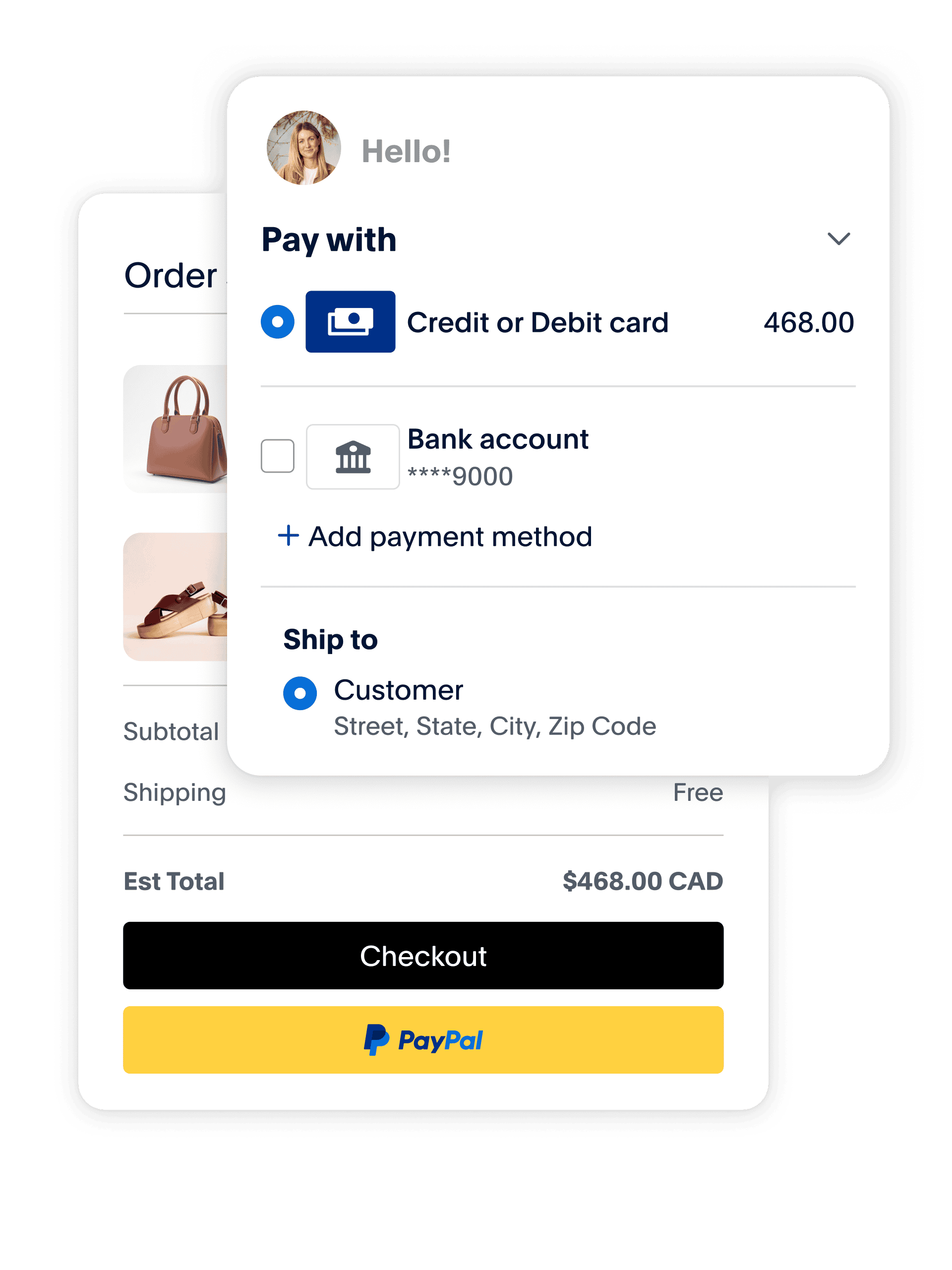
The most direct way to ascertain PayPal acceptance is the presence of the iconic blue-and-white PayPal button or logo at the checkout stage of an online store. This is typically displayed alongside other accepted payment methods like credit cards, often as a prominent “Pay with PayPal” option. Recognising this symbol instantly confirms the merchant’s readiness to process your payment through the platform.
Merchant Websites and Payment Information Pages
Before even reaching checkout, many online businesses explicitly state their accepted payment methods on their “FAQ,” “Payment Information,” or “Terms & Conditions” pages. These sections, usually linked from the website’s footer, provide a comprehensive list, often including PayPal. Savvy shoppers can quickly check these pages to plan their purchase.
PayPal’s Own Directory and App Features
PayPal itself offers resources to help users find merchants. Within the PayPal app or on its website, users can sometimes find a directory or merchant locator function that highlights businesses, both online and offline, that accept PayPal. The app can also be used to scan QR codes at physical locations, further extending its utility. This becomes particularly useful for discovering local businesses that have integrated PayPal into their payment options.
Payment Gateways and Processor Integrations
While not always explicitly visible, many online stores use third-party payment gateways (like Shopify Payments, Stripe, or Braintree, which is owned by PayPal) that inherently support PayPal. Even if a direct PayPal button isn’t immediately obvious, proceeding to the final payment step often reveals PayPal as an option within the gateway’s interface. This behind-the-scenes integration ensures that even businesses relying on broader payment processing solutions can still cater to PayPal users.
Beyond Payments: PayPal’s Broader Financial Utility
PayPal’s influence extends beyond mere transaction processing, offering various financial tools that contribute to both personal finance management and business growth.
Managing Personal Finances with PayPal
For individuals, PayPal can act as a crucial hub for managing personal finances. Users can link bank accounts and credit cards, consolidate funds, and easily send or receive money from friends and family, often without fees for personal transactions. The ability to track spending through PayPal’s transaction history offers insights into spending habits, aiding budgeting efforts. Furthermore, PayPal often provides access to credit products (like PayPal Credit) or “Buy Now, Pay Later” (BNPL) options directly within its ecosystem, giving consumers more flexible ways to manage their expenses and potentially improve their financial liquidity.
Facilitating Online Income and Side Hustles
For those engaged in the gig economy, freelancing, or running side hustles, PayPal is an indispensable financial instrument. It simplifies receiving payments for services rendered, digital products sold, or goods traded on platforms like Etsy or personal websites. The quick transfer of funds, often instantly available in a PayPal balance, provides immediate access to earned income, which is critical for managing cash flow for independent workers. This ease of access encourages more individuals to explore online income opportunities, knowing that payment collection will not be a barrier.
Business Finance Solutions for Growth
PayPal Business accounts are tailored to support the financial needs of growing enterprises. Beyond basic payment processing, they offer features like invoicing tools, recurring billing, and even options for accepting in-person payments. For small to medium-sized businesses (SMBs), PayPal provides a scalable solution that can adapt as their financial operations become more complex. The platform’s ability to generate detailed reports helps businesses monitor sales trends, manage expenses, and make informed financial decisions, all contributing to sustainable growth and robust business finance practices.
The Future of Digital Payments and PayPal’s Enduring Role
The digital payment landscape is in constant flux, with new technologies and consumer behaviors continually emerging. Despite the intense competition, PayPal is strategically positioned to maintain its central role.
Emerging Trends: Crypto, BNPL, and Contactless Payments
PayPal has demonstrated a proactive approach to embracing new financial trends. It has integrated cryptocurrency buying, selling, and holding capabilities, allowing users to interact with digital assets within their familiar PayPal environment. Its expansion into the BNPL space provides consumers with flexible payment alternatives, directly addressing a growing consumer preference. Furthermore, its continued push into contactless payments and QR code functionality signifies its commitment to seamlessly bridging online and offline payment experiences.
PayPal’s Strategic Positioning for Tomorrow’s Transactions
By continually innovating and acquiring strategic partners (like Honey for shopping tools), PayPal aims to remain a comprehensive financial ecosystem. Its focus on user experience, security, and broad merchant adoption ensures its continued relevance. As digital commerce evolves, PayPal’s ability to adapt to new payment methods and consumer demands, while maintaining its core strengths of trust and convenience, positions it as an enduring and central player in the global financial landscape. Its expansive network and commitment to facilitating diverse financial interactions guarantee that the question “who takes PayPal?” will continue to yield an overwhelmingly positive and comprehensive answer for the foreseeable future.
Conclusion
The question “who takes PayPal?” has evolved from a simple inquiry into a testament to its pervasive influence on modern finance. From vast e-commerce platforms to individual freelancers, and increasingly in brick-and-mortar stores, PayPal’s acceptance is a cornerstone of the global digital economy. For consumers, it offers unparalleled convenience, security, and a centralized hub for managing personal finances. For businesses, it presents a strategic imperative: a reliable, secure, and globally accessible payment solution that drives sales, simplifies financial management, and facilitates growth. As digital payments continue to innovate, PayPal’s adaptability and commitment to a comprehensive financial ecosystem ensure its enduring role as a vital link in the chain of commerce, money management, and online income generation for millions worldwide.
aViewFromTheCave is a participant in the Amazon Services LLC Associates Program, an affiliate advertising program designed to provide a means for sites to earn advertising fees by advertising and linking to Amazon.com. Amazon, the Amazon logo, AmazonSupply, and the AmazonSupply logo are trademarks of Amazon.com, Inc. or its affiliates. As an Amazon Associate we earn affiliate commissions from qualifying purchases.