
Navigating the complexities of federal taxes can feel daunting, especially when it comes to the crucial step of actually remitting your payments. For many, the annual tax season, or even quarterly estimated payments, brings a common question to mind: “Where exactly do I pay my federal taxes?” The good news is that the Internal Revenue Service (IRS) offers a variety of methods, designed to accommodate different preferences and financial situations. Understanding these official channels, along with the associated deadlines and best practices, is key to fulfilling your tax obligations smoothly and avoiding unnecessary penalties.
This comprehensive guide will break down the primary avenues for federal tax payment, delve into important considerations, and provide actionable advice to ensure your tax journey is as straightforward as possible. Whether you’re an individual taxpayer, a small business owner, or simply looking to demystify the process, understanding your payment options is the first step towards financial peace of mind.
Understanding Your Federal Tax Obligations
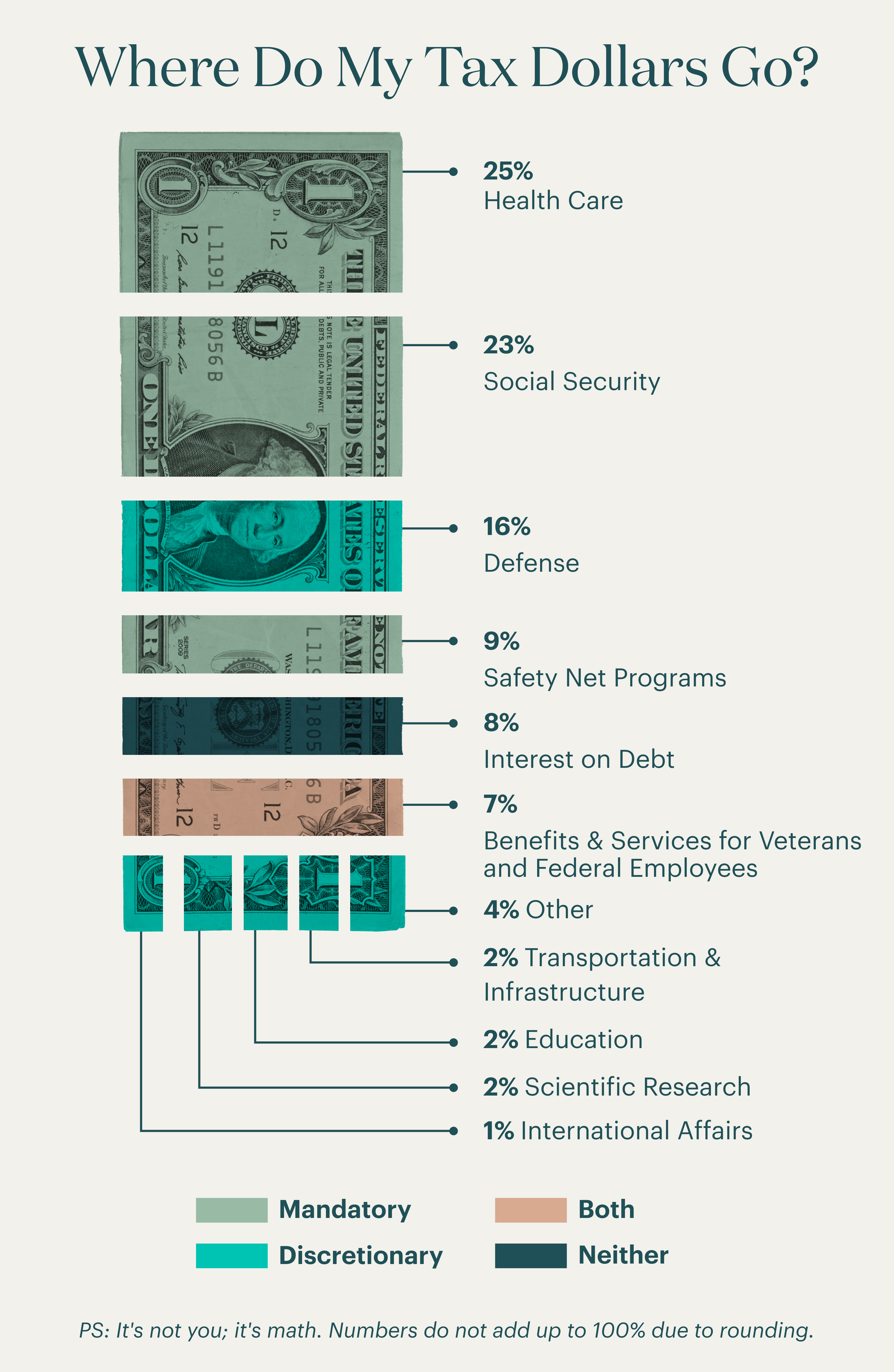
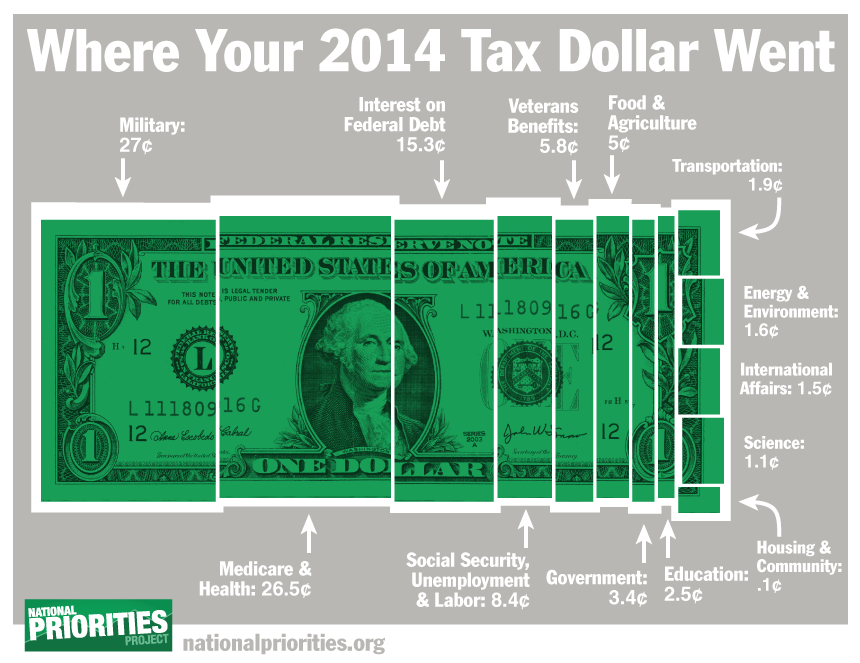
Before diving into where to pay, it’s essential to grasp why and what you’re paying. Federal taxes are the bedrock of government funding, supporting everything from national defense and infrastructure to social programs and public services. Your obligation to pay arises from income earned, investments made, or business activities conducted throughout the year.
Who Needs to Pay Federal Taxes?
Virtually every individual earning income above a certain threshold, as well as businesses operating within the United States, is subject to federal taxation.
- Individual Taxpayers: This includes employees who have taxes withheld from their paychecks, self-employed individuals, retirees, and those with investment income. Even if taxes are withheld, many individuals may owe additional amounts or be due a refund, depending on their specific financial circumstances throughout the year.
- Self-Employed Individuals and Small Businesses: Those who don’t have taxes automatically withheld from their income are typically required to make estimated tax payments quarterly. This ensures they meet their tax liability throughout the year rather than facing a large sum at tax filing time.
- Corporations: Businesses structured as corporations also have federal tax obligations on their profits, often requiring quarterly payments.
Types of Federal Taxes You Might Owe
While the general term is “federal taxes,” this encompasses several specific types that might apply to you:
- Income Tax: The most common form, levied on your earnings from wages, salaries, self-employment, investments, and other sources.
- Self-Employment Tax: This covers Social Security and Medicare taxes for individuals who work for themselves.
- Estimated Tax: Payments made by individuals or businesses who expect to owe at least $1,000 in tax (for individuals) or $500 (for corporations) for the year, and whose withholding or credits are not sufficient to cover that amount.
- Payroll Taxes (for Employers): Employers are responsible for withholding and remitting federal income tax, Social Security, and Medicare taxes from their employees’ wages, as well as paying their own share of Social Security and Medicare taxes.
Understanding which of these apply to you is crucial for correctly calculating your liability and selecting the appropriate payment method.
Official Channels for Paying Your Federal Taxes
The IRS has significantly expanded its digital payment options over the years, making electronic payments the most convenient and secure method for most taxpayers. However, traditional methods are still available.
Electronic Payment Methods: The Preferred Choice
Electronic payments are not only convenient but also offer immediate confirmation, reducing the risk of lost mail or delays. The IRS strongly encourages these methods.
IRS Direct Pay
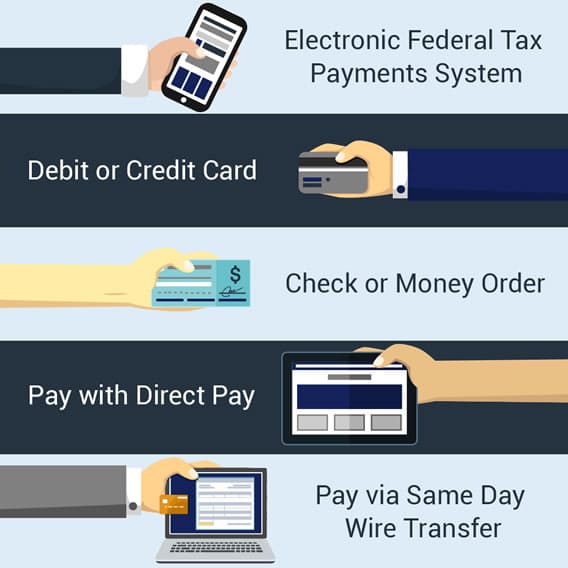
This free service allows you to pay your taxes directly from your checking or savings account. You can schedule payments up to 365 days in advance, cancel or change a payment up to two business days before the scheduled date, and receive email confirmation of your payment. It’s ideal for paying various types of taxes, including individual income tax, estimated tax, and even certain penalties.
Electronic Federal Tax Payment System (EFTPS)
EFTPS is a robust, free service primarily used by businesses and individuals who make recurring payments, such as estimated taxes or federal tax deposits. It requires prior enrollment and allows you to schedule payments up to 365 days in advance. Many businesses use EFTPS to pay their payroll taxes, ensuring compliance and timely remittances. The system offers a comprehensive payment history and allows for greater control over tax payment scheduling.
Credit/Debit Card, Digital Wallet Options
You can pay your taxes using a credit card, debit card, or a digital wallet through third-party payment processors. While convenient, these processors typically charge a small fee for their service, which varies depending on the processor and the type of card used. This option can be beneficial for those who need to pay immediately, wish to earn credit card rewards, or prefer not to use their bank account directly. The IRS lists approved processors on its website.
Tax Software Payment Integration
Many tax preparation software programs (e.g., TurboTax, H&R Block) allow you to submit your payment directly when you e-file your return. This streamlines the process by linking your calculated tax liability with the payment mechanism, often using your bank account details provided during filing. This integrated approach ensures accuracy and convenience.
Paying by Mail: Traditional and Still Viable
For those who prefer not to use electronic methods, or in specific circumstances, paying by mail remains an option.
Checks, Money Orders, and Mailing Addresses
You can pay your taxes by sending a check or money order made payable to the “U.S. Treasury.” It’s crucial to include your name, address, daytime phone number, Social Security number or Employer Identification Number (EIN), the tax period, and the related tax form (e.g., “2023 Form 1040” for individual income tax). The correct mailing address depends on the specific form you are filing and your geographic location. Always consult the instructions for your tax form or the IRS website for the most current and accurate mailing address.
Importance of Timely Postmarks
When paying by mail, the IRS considers a payment to be made on time if it is postmarked by the due date. To avoid penalties, ensure your payment is mailed well in advance of the deadline, preferably with proof of mailing, especially for significant amounts.
In-Person Payments: Limited Options
While less common, some limited options exist for making federal tax payments in person.
Cash Payments at Retail Partners (PayWithMyCash)
The IRS has partnered with various retail stores across the country, allowing taxpayers to make cash payments. This “PayWithMyCash” option requires you to obtain a payment code online or by phone from the IRS and then take that code, along with your cash payment and a valid photo ID, to a participating retail location (e.g., 7-Eleven, Family Dollar, CVS Pharmacy). There might be a small processing fee for this service, and daily payment limits apply.
Treasury Retail Securities Site (Limited Use)
In extremely limited circumstances, you might be able to pay at a Treasury Retail Securities Site, but these are rare and primarily for very specific types of transactions, not typically for general income tax payments. Most taxpayers will find electronic or mail options more suitable.
Key Considerations Before Making a Payment
Beyond choosing a payment method, several factors warrant your attention to ensure a smooth and compliant tax payment experience.
When Are Payments Due? Understanding Deadlines
Meeting deadlines is paramount to avoiding penalties and interest charges.
- Annual Tax Day (April 15th): This is the most widely known deadline for filing individual income tax returns (Form 1040) and paying any taxes due for the previous year. If April 15th falls on a weekend or holiday, the deadline shifts to the next business day.
- Estimated Tax Payments (Quarterly): For self-employed individuals and those with significant income not subject to withholding, estimated taxes are typically due on April 15, June 15, September 15, and January 15 of the following year. Missing these can result in underpayment penalties.
- Payment Extensions vs. Filing Extensions: An extension to file your tax return (Form 4868) typically grants you an additional six months to submit your paperwork, but it does not extend the time to pay your taxes. If you anticipate owing money, you should estimate and pay that amount by the original deadline to avoid penalties and interest, even if you’re filing an extension.
What Information Do You Need?
Regardless of the payment method, have the following information readily available:
- Your Social Security Number (SSN) or Employer Identification Number (EIN).
- The tax year for which you are making the payment.
- The specific tax form related to your payment (e.g., Form 1040 for individuals, Form 1120 for corporations).
- Your bank account details (routing and account number) for electronic bank transfers, or your credit/debit card information.
- The exact amount you intend to pay.
Verifying Your Payment: Record Keeping is Crucial
Always keep thorough records of your tax payments. For electronic payments, save the confirmation numbers and print receipts. For payments by mail, keep a copy of the check or money order, and consider sending it via certified mail with a return receipt requested for proof of delivery. Good record-keeping helps resolve any potential discrepancies with the IRS and is essential for future financial planning.
What If You Can’t Pay on Time?
Facing a tax bill you can’t afford can be stressful, but the IRS offers several options for taxpayers struggling to meet their obligations. Ignoring the problem will only lead to greater penalties and interest.
Requesting a Payment Plan
If you cannot pay your full tax liability by the due date, contact the IRS as soon as possible to discuss payment options.
- Short-Term Payment Plans: You may be granted up to 180 additional days to pay your tax liability in full, although interest and penalties will still accrue.
- Offer in Compromise (OIC): An OIC allows certain taxpayers to resolve their tax liability with the IRS for a lower amount than what they originally owe. This option is typically for taxpayers who face significant financial hardship and can demonstrate they cannot pay the full amount due. The IRS considers your ability to pay, income, expenses, and asset equity when evaluating an OIC.
- Installment Agreements: If you can’t pay your taxes in full, you may be able to make monthly payments through an installment agreement. This agreement can be set up online, by phone, or by mail. While an installment agreement allows you to pay over time, interest and penalties will continue to accrue until the full amount is paid.
Penalties and Interest: What to Expect
The IRS levies penalties for various reasons, including failure to file on time, failure to pay on time, and accuracy-related issues.
- Failure to Pay Penalty: This penalty is usually 0.5% of the unpaid taxes for each month or part of a month that taxes remain unpaid, capped at 25% of your unpaid taxes.
- Interest: Interest is charged on underpayments and unpaid taxes, even if you have an extension or payment plan. The interest rate can change quarterly.
Understanding these potential charges highlights the importance of timely payments or proactively engaging with the IRS if you face financial difficulties.
Seeking Professional Assistance
If your tax situation is complex, or if you’re facing difficulties paying your taxes, consider consulting a tax professional, such as a Certified Public Accountant (CPA) or an Enrolled Agent (EA). They can provide expert advice, help you navigate IRS procedures, and assist with setting up payment plans or negotiating an Offer in Compromise. Their expertise can save you significant stress and potential financial penalties in the long run.
Best Practices for Stress-Free Tax Payments
Managing your federal tax payments effectively doesn’t have to be a source of anxiety. With a few proactive strategies, you can ensure a smoother process each year.
Proactive Planning and Budgeting
The most effective way to manage tax payments is through proactive financial planning.
- Estimate Your Tax Liability: For self-employed individuals or those with fluctuating income, regularly estimating your tax liability throughout the year can help you avoid surprises and ensure you set aside enough funds for estimated payments.
- Save Throughout the Year: Create a dedicated savings account for taxes or set up automatic transfers to ensure funds are available when payments are due.
- Review Withholding: If you’re an employee, review your Form W-4 annually or when significant life changes occur (e.g., marriage, new child, new job) to ensure your employer is withholding the correct amount of federal income tax. This can help prevent owing a large sum or receiving an unnecessarily large refund.
Leveraging Technology for Efficiency
Modern technology offers unparalleled tools for managing your tax obligations.
- Use Tax Software: Utilize reputable tax preparation software to calculate your taxes accurately and facilitate electronic filing and payment.
- IRS Online Tools: Take advantage of the IRS website for information, online payment services like Direct Pay and EFTPS, and account management tools.
- Financial Tracking Apps: Use budgeting and financial tracking apps to monitor your income and expenses throughout the year, making tax estimation easier.
The Role of Tax Professionals
While many taxpayers can manage their federal payments independently, the value of a qualified tax professional cannot be overstated, especially for complex situations. They can provide:
- Expert Guidance: Clarify complex tax laws and ensure you take advantage of all applicable deductions and credits.
- Error Prevention: Minimize the risk of errors that could lead to audits or penalties.
- Strategic Planning: Offer advice on tax planning strategies to optimize your financial situation for future tax years.
- IRS Representation: Act as your representative if you need to communicate with the IRS regarding audits, notices, or payment issues.
In conclusion, paying federal taxes is a fundamental responsibility, but the process has become increasingly accessible and flexible. By understanding the various payment methods, adhering to deadlines, maintaining meticulous records, and proactively planning your finances, you can confidently navigate your federal tax obligations and ensure financial compliance year after year.
aViewFromTheCave is a participant in the Amazon Services LLC Associates Program, an affiliate advertising program designed to provide a means for sites to earn advertising fees by advertising and linking to Amazon.com. Amazon, the Amazon logo, AmazonSupply, and the AmazonSupply logo are trademarks of Amazon.com, Inc. or its affiliates. As an Amazon Associate we earn affiliate commissions from qualifying purchases.