
For investors, analysts, and technology enthusiasts alike, the announcement of NVIDIA’s quarterly earnings is consistently a high-stakes event. More than just a financial disclosure, it serves as a critical pulse check on the health of the semiconductor industry, the trajectory of artificial intelligence (AI), and the broader tech economy. Understanding not just what the numbers are, but when they are released and why they matter, is paramount for making informed financial decisions. This article delves into the significance of NVIDIA’s earnings reports, what key metrics to scrutinize, and how investors can strategically approach these pivotal moments.
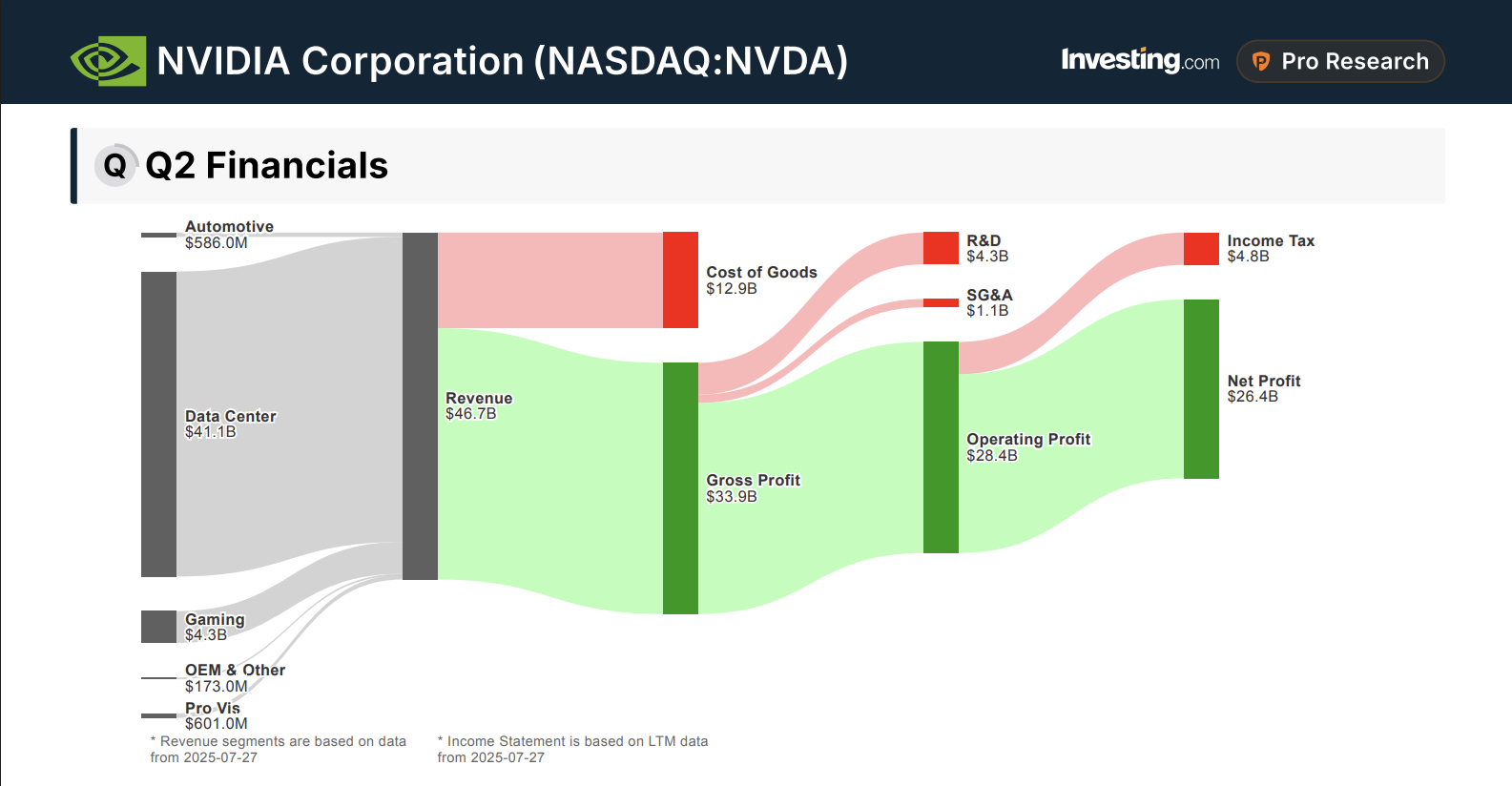
NVIDIA Corporation (NVDA) has transcended its origins as a graphics processing unit (GPU) manufacturer to become an undisputed titan in accelerated computing, data center infrastructure, and, most prominently, the AI revolution. Its chips power everything from sophisticated gaming rigs and professional visualization platforms to the hyperscale data centers driving generative AI models. Consequently, its earnings calls are not merely about the company’s own performance; they often act as a bellwether for the entire tech sector and an indicator of global economic trends.
Typically, NVIDIA announces its quarterly earnings after the market closes on a specified date, followed by an investor conference call. While the exact date and time vary each quarter, these events are widely publicized on NVIDIA’s investor relations website and through financial news outlets well in advance. For instance, a hypothetical Q3 2024 earnings report might be scheduled for Wednesday, November 20, 2024, at 2:00 PM PT / 5:00 PM ET, with the conference call and webcast following shortly thereafter. Investors should always verify the precise schedule directly from official sources to ensure accuracy. The period immediately preceding and following these announcements is often characterized by heightened market volatility, reflecting the profound impact NVIDIA’s performance can have.
The Significance of NVIDIA’s Earnings Call
NVIDIA’s earnings calls are far more than a dry recitation of financial figures; they are deeply influential events that can reshape market sentiment and investment strategies across multiple sectors. The sheer scale of NVIDIA’s market capitalization and its central role in the most transformative technological trends make its disclosures uniquely impactful.
Beyond the Numbers: Understanding Market Impact
The immediate aftermath of an NVIDIA earnings report often sees significant price swings in its stock (NVDA). However, the ripple effect extends much further. Other semiconductor companies, AI-related firms, cloud service providers, and even broader market indices can experience knock-on effects. Strong earnings or optimistic guidance from NVIDIA can inject confidence into the entire tech ecosystem, signaling robust demand for high-performance computing and AI infrastructure. Conversely, any signs of weakness, such as missed revenue targets, declining gross margins, or cautious forward guidance, can trigger broader market corrections and re-evaluations of growth expectations for the tech sector. Analysts carefully dissect the company’s commentary on supply chain dynamics, pricing power, and competitive landscape, extracting insights that inform their models for numerous other companies.
NVIDIA’s Position in the Global Tech Landscape
NVIDIA’s strategic positioning at the intersection of several critical technological paradigms grants its earnings reports extraordinary weight. It is not just a component supplier; it is an enabler of innovation. Its GPUs, networking solutions, and software platforms form the foundational infrastructure for modern data centers, scientific research, and advanced AI development. This places NVIDIA at the heart of global digital transformation. From the adoption of generative AI models in enterprises to the ongoing expansion of cloud computing, NVIDIA’s technologies are indispensable. Therefore, its financial health and growth trajectory provide an unparalleled window into the pace and direction of technological advancement worldwide. Any slowdown or acceleration in its key segments often mirrors broader industry trends, making NVIDIA a barometer for technological progress and investment appetite.
The AI Revolution and NVIDIA’s Dominance
Perhaps no single factor amplifies the significance of NVIDIA’s earnings more than its profound dominance in the AI revolution. Its CUDA platform and specialized Tensor Cores have become the de facto standard for AI training and inference. As companies globally race to integrate AI into their products and operations, demand for NVIDIA’s high-end GPUs like the H100 and upcoming B200 has skyrocketed, often outstripping supply. Consequently, the data center segment, heavily driven by AI infrastructure, has become NVIDIA’s primary growth engine. Details regarding AI chip sales, backlog, and production capacity are scrutinised intensely. Any insights into the competitive landscape (e.g., advancements from AMD, Intel, or custom AI chips by hyperscalers) are also closely monitored, as they could impact NVIDIA’s long-term market share. For many investors, NVIDIA is the purest play on the AI megatrend, making its financial performance a direct reflection of the AI market’s vitality.
Decoding the Earnings Report: Key Metrics to Watch
When the earnings report drops, investors face a deluge of data. Knowing which metrics to prioritize and what they signify is crucial for cutting through the noise and understanding the company’s true performance and outlook.
Revenue and Earnings Per Share (EPS)
These are the headline figures that capture immediate attention.
- Revenue: Represents the total sales generated by NVIDIA during the quarter. Analysts provide consensus estimates, and beating or missing these figures by a significant margin can drive substantial stock movement. Beyond the headline number, investors should examine revenue breakdown by segment (Data Center, Gaming, Professional Visualization, Automotive) to understand where growth is originating.
- Earnings Per Share (EPS): Indicates how much profit the company generated per outstanding share. This is often compared against analyst consensus estimates (Street estimates). Both GAAP (Generally Accepted Accounting Principles) and non-GAAP EPS are usually provided, with non-GAAP often excluding certain one-time items to give a clearer picture of operational profitability. Strong EPS beats often signal efficient operations and robust demand.
Data Center Revenue: The Growth Engine
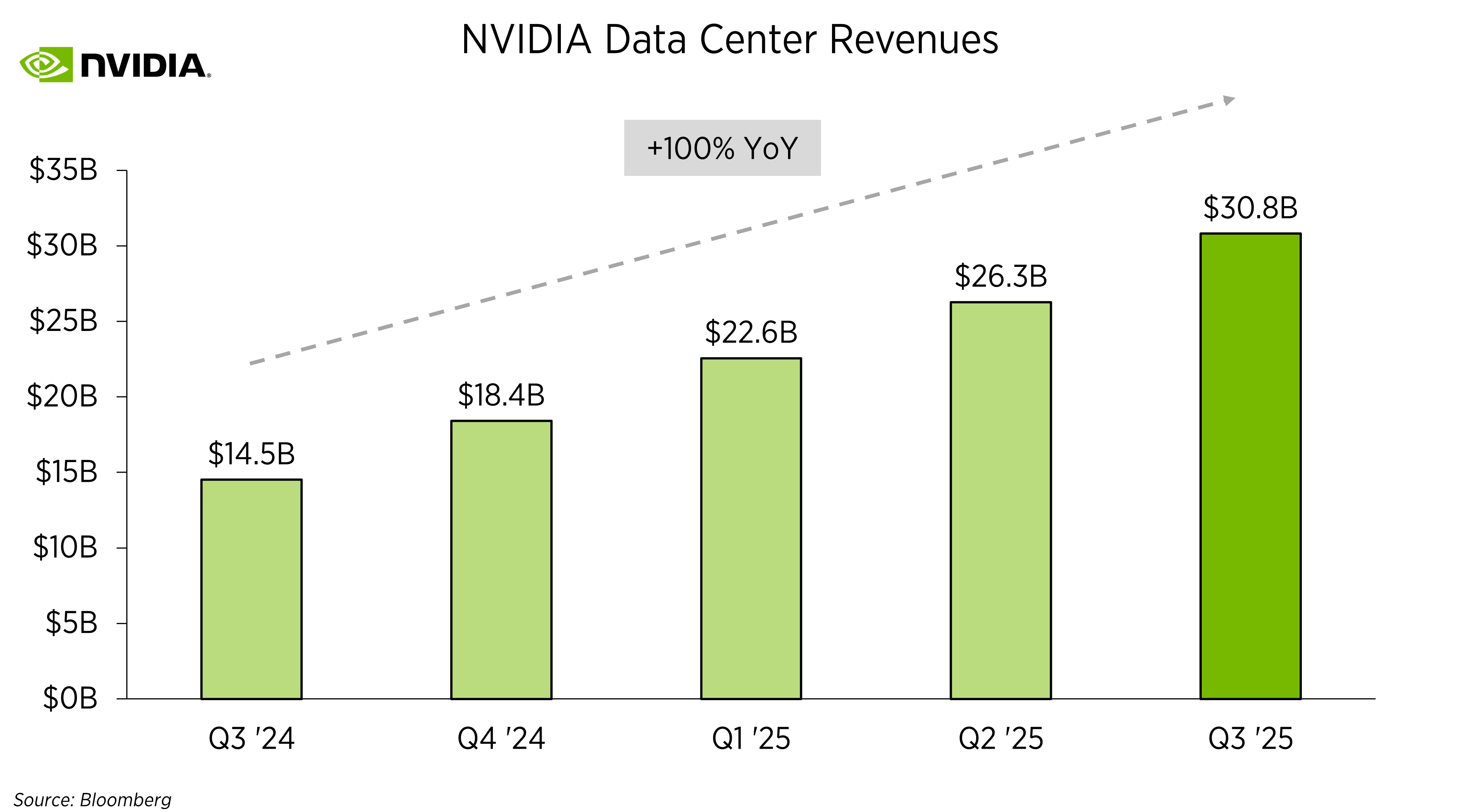
As highlighted, the Data Center segment is currently NVIDIA’s most critical division, largely fueled by AI. Investors pay exceptionally close attention to its revenue growth, which has often been triple-digit percentage year-over-year.
- Sequential and Year-over-Year Growth: Is the segment accelerating or decelerating?
- Product Mix: Is growth driven by high-margin AI GPUs (e.g., H100, B200) or other components like networking solutions?
- Customer Concentration: Commentary on sales to major cloud providers versus enterprise customers can provide insight into demand diversity.
- Backlog and Supply Chain: Updates on order backlogs and the company’s ability to meet demand are crucial indicators of future revenue potential. Any bottleneck in the supply chain could limit growth even with strong demand.
Gaming Performance and Consumer Trends
While the Data Center segment has overshadowed it in recent quarters, Gaming remains a significant part of NVIDIA’s business and an important indicator of consumer spending and discretionary income.
- GPU Sales: How are sales of GeForce GPUs performing? Are new generations gaining traction?
- Average Selling Price (ASP): An increase in ASP suggests consumers are buying higher-end, more profitable cards.
- Inventory Levels: High inventory can signal weak demand or oversupply, potentially leading to price reductions.
- Crypto Mining Impact: Although less prevalent now, in the past, crypto mining significantly influenced GPU demand and pricing, and any re-emergence of this trend would be noted.
Gross Margins and Operational Efficiency
Gross margin (revenue minus cost of goods sold, divided by revenue) is a critical profitability metric. For NVIDIA, high gross margins are indicative of its pricing power and the value of its proprietary technology.
- Changes in Gross Margin: Are margins expanding or contracting? This can be affected by product mix (e.g., more high-margin AI GPUs vs. lower-margin gaming cards), input costs, and competitive pricing.
- Operating Expenses: While not directly affecting gross margin, controlled operating expenses (R&D, S&A) are essential for overall profitability and net income. High R&D spending is expected for a tech innovator but should yield future growth.
Forward Guidance and Analyst Expectations
Perhaps the most impactful element of any earnings report is the company’s forward guidance. This is management’s projection for future revenue, gross margins, and operating expenses for the upcoming quarter or fiscal year.
- Guidance vs. Expectations: How does NVIDIA’s guidance compare to analyst consensus estimates for the next quarter? Guidance that significantly exceeds or falls short of expectations can cause dramatic stock movements.
- Qualitative Commentary: Beyond numbers, management’s commentary on market conditions, product pipelines, competitive threats, and capital expenditures provides invaluable qualitative insights into the company’s strategic direction and confidence in its future performance. This “color” often sets the narrative until the next earnings call.
Preparing for Earnings: Strategies for Savvy Investors
NVIDIA earnings periods are characterized by heightened volatility, presenting both opportunities and risks. A well-thought-out strategy is essential for navigating these turbulent waters.
Before the Bell: Research and Risk Assessment
Preparation is key. Before the earnings announcement, investors should:
- Review Past Performance: Look at NVIDIA’s historical earnings trends, how the stock reacted, and what key themes emerged in previous calls.
- Understand Analyst Consensus: Familiarize yourself with the average analyst estimates for revenue, EPS, and guidance. Sites like Yahoo Finance, Bloomberg, or Seeking Alpha provide this information.
- Assess Broader Market Conditions: Consider the prevailing sentiment in the tech sector, interest rate expectations, and any geopolitical factors that could influence investor behavior.
- Define Your Investment Thesis: Clearly articulate why you own (or want to own) NVIDIA. Is it for AI growth, gaming, dividends, or something else? How might the earnings report validate or invalidate this thesis?
- Manage Position Size: Given the potential for volatility, consider whether your position size is appropriate for your risk tolerance. Aggressive investors might scale up, while conservative investors might trim before the report. Avoid putting all your eggs in one basket based solely on an earnings bet.
Volatility and Post-Earnings Price Action
NVIDIA’s stock is known for its dramatic movements post-earnings.
- Gap Up/Down: The stock often opens significantly higher or lower the day after an earnings release, reflecting market reaction to the numbers and guidance.
- “Buy the Rumor, Sell the News”: This classic market adage frequently applies to high-growth stocks like NVIDIA. Speculation leading up to earnings can drive the stock higher, only for it to pull back even on good news, as institutional investors take profits.
- Overreactions: Initial market reactions can be exaggerated. It often takes a day or two for the market to fully digest the information and for more rational price discovery to occur. Long-term investors may avoid reacting immediately to short-term swings.
- Options Trading: Many traders use options (calls and puts) to bet on the direction or magnitude of NVIDIA’s post-earnings move. This is a highly speculative strategy and carries significant risk, often used by experienced traders looking to profit from volatility.
Long-Term vs. Short-Term Investment Perspectives
The approach to NVIDIA earnings varies significantly depending on an investor’s time horizon.
- Long-Term Investors: These investors typically focus on the company’s fundamental strength, long-term growth prospects (especially in AI), and competitive advantages. They might use earnings reports to confirm their thesis or to identify potential buying opportunities on dips, rather than trying to time short-term price movements. They prioritize the “color” and forward guidance over quarterly beats/misses.
- Short-Term Traders: These individuals are often looking to capitalize on the immediate volatility surrounding the earnings event. They might employ strategies like buying or selling ahead of the report, or trading the gap up/down. This approach requires precise timing, robust risk management, and a deep understanding of market mechanics.
- Avoid Emotional Decisions: Regardless of your horizon, emotional trading fueled by fear or greed is detrimental. Stick to your predefined strategy and avoid making impulsive decisions based on immediate price action.
Historical Context and Future Outlook
NVIDIA’s journey has been marked by periods of immense growth, strategic pivots, and technological breakthroughs. Understanding this historical context provides a richer perspective on its current standing and future potential.
A Legacy of Innovation and Market Leadership
From pioneering the GPU for gaming in the late 1990s to architecting the parallel computing platform (CUDA) that enabled modern AI, NVIDIA has consistently demonstrated a capacity for disruptive innovation. Each generation of its chips has pushed the boundaries of performance, cementing its leadership in graphics, professional visualization, and, crucially, high-performance computing. This relentless pursuit of innovation has allowed it to build a formidable competitive moat, characterized by superior technology, a vast developer ecosystem, and deep intellectual property. This legacy is a key reason why its earnings calls attract such intense scrutiny – investors are betting on a company with a proven track record of staying ahead of the curve.
Navigating Market Cycles and Competition
No company operates in a vacuum, and NVIDIA has certainly faced its share of market cycles and competitive pressures. The semiconductor industry is inherently cyclical, prone to boom-and-bust periods influenced by global economic conditions, technological transitions, and supply-demand imbalances. NVIDIA has navigated these cycles, sometimes through diversification (e.g., expanding beyond gaming into data centers and automotive) and other times by maintaining technological superiority. While NVIDIA currently enjoys a dominant position in the AI hardware market, competition is fierce and growing. AMD, Intel, and even custom chip designs from hyperscalers like Google and Amazon are all vying for a share of the burgeoning AI chip market. NVIDIA’s earnings reports often provide subtle clues about how it is addressing these competitive threats, whether through new product announcements, strategic partnerships, or pricing strategies.

The Road Ahead: Continued Expansion and Challenges
Looking beyond the current quarter, NVIDIA’s future trajectory hinges on several key themes. Its continued expansion into enterprise AI, robotics, autonomous vehicles, and the metaverse (or “Omniverse,” as NVIDIA brands it) represents vast growth opportunities. Each of these segments requires significant computational power and advanced software, playing directly into NVIDIA’s core strengths.
However, challenges persist. Geopolitical tensions, particularly concerning US-China technology trade restrictions, pose ongoing risks to NVIDIA’s ability to sell its most advanced chips into critical markets. The cyclical nature of the semiconductor industry means that even with strong secular tailwinds from AI, periods of inventory adjustments or market saturation could emerge. Furthermore, the sheer scale of NVIDIA’s valuation means that future growth expectations are incredibly high, leaving little room for error. Each earnings report, therefore, is not just a look back at past performance but a forward-looking indicator of how the company plans to address these opportunities and challenges, and how well it is executing on its long-term vision to remain at the forefront of the technological revolution.
aViewFromTheCave is a participant in the Amazon Services LLC Associates Program, an affiliate advertising program designed to provide a means for sites to earn advertising fees by advertising and linking to Amazon.com. Amazon, the Amazon logo, AmazonSupply, and the AmazonSupply logo are trademarks of Amazon.com, Inc. or its affiliates. As an Amazon Associate we earn affiliate commissions from qualifying purchases.