
Navigating the landscape of student loan repayment can feel like deciphering a complex financial maze. For many, the initial excitement of graduating quickly gives way to the daunting reality of monthly payments. The most fundamental question that often arises, particularly for new graduates or those returning to repayment, is deceptively simple yet profoundly important: “Where do I pay my student loans?” The answer isn’t always a single website or institution; it’s a journey that involves identifying your loan servicer, understanding your loan types, and mastering various payment strategies. This guide aims to demystify the process, providing a comprehensive roadmap for effectively managing your student loan obligations and moving closer to financial freedom.

Navigating the Landscape of Student Loan Repayment
Before you can effectively pay your student loans, it’s crucial to understand the ecosystem in which they operate. The world of student finance is bifurcated into distinct categories, each with its own set of rules, regulations, and, critically, payment pathways. Grasping these foundational elements is the first step towards taking control of your financial future.
Understanding Your Loan Type: Federal vs. Private
The first and most critical distinction to make is between federal student loans and private student loans. This classification dictates everything from interest rates and repayment options to the specific entities responsible for collecting your payments.
Federal Student Loans are issued by the U.S. Department of Education and come with a host of borrower protections, including income-driven repayment plans, deferment, forbearance, and potential forgiveness programs. Examples include Stafford Loans, Perkins Loans, and PLUS Loans. These loans are not paid directly to the government; instead, they are managed by specific loan servicers contracted by the Department of Education.
Private Student Loans, on the other hand, are offered by banks, credit unions, and other private lenders. They typically have fewer borrower protections and more rigid repayment terms compared to federal loans. Their interest rates can be variable and often depend on the borrower’s credit score. Payments for private loans go directly to the lending institution or its designated servicer.
Knowing whether your loans are federal or private—or a mix of both—is paramount. This knowledge will guide you to the correct resources and inform your strategy for repayment.
The Role of the Student Loan Servicer
Regardless of whether your loans are federal or private, you will primarily interact with a student loan servicer. A loan servicer is a company that manages the billing, customer service, and other administrative tasks associated with your loan. They are the intermediary between you and the original lender (e.g., the U.S. Department of Education or a private bank).
Your loan servicer is your primary point of contact for:
- Making payments
- Enrolling in auto-pay
- Changing your repayment plan
- Applying for deferment or forbearance
- Updating your contact information
- Accessing your loan history and statements
It’s important to understand that your loan servicer is not the lender. They are simply administering your loan on behalf of the lender. This distinction is important for understanding who ultimately holds your debt, but for day-to-day payments and inquiries, your servicer is your go-to entity.
Common Misconceptions About Loan Payments
Many borrowers harbor misconceptions that can hinder their repayment journey. One common myth is that all student loans are paid to the government. While federal loans originate from the government, payments are directed to specific servicers. Another misconception is that you can choose your loan servicer; for federal loans, you’re assigned one, though loans can be transferred between servicers. For private loans, your servicer is typically the originating lender or a designated partner. Believing you can ignore student loan debt without consequence is another dangerous fallacy; defaulting on student loans can have severe and long-lasting impacts on your credit, wages, and even social security benefits. Clarity on these points is crucial for a smooth repayment process.
Pinpointing Your Loan Servicer: A Step-by-Step Guide
The most direct answer to “where do I pay student loans?” is “to your loan servicer.” But how do you find out who your loan servicer is, especially if you have multiple loans or if it’s been some time since you last reviewed your loan documents? Fortunately, there are straightforward methods to identify your servicers, whether your loans are federal or private.
Locating Federal Student Loan Information
For federal student loans, the process is streamlined and centralized. The U.S. Department of Education provides a dedicated portal for borrowers to access their loan information.
- Visit StudentAid.gov: This is the official website for federal student aid. If you haven’t already, you’ll need to create an account using your Federal Student Aid (FSA) ID. Your FSA ID acts as your legal signature and is used to access your federal student aid records.
- Access Your Dashboard: Once logged in, navigate to your “Dashboard.” Here, you’ll find a comprehensive summary of all your federal student loans, including their current status, original amounts, and, most importantly, the name(s) of your assigned loan servicer(s).
- Review Loan Details: For each loan listed, you’ll see the servicer’s name, contact information, and a link to their website. This is where you’ll go to make payments, view your payment history, and manage your account.
It’s common for federal loans to be serviced by different companies, especially if you attended multiple institutions or borrowed over several years. Ensure you check all listed loans to identify all relevant servicers.
Discovering Your Private Student Loan Servicer
Locating information for private student loans can be slightly less centralized, as there isn’t a single government portal for them. However, several reliable methods can help you pinpoint your private loan servicer:
- Check Your Credit Report: Your credit report is an invaluable resource for identifying all your outstanding debts, including private student loans. Experian, Equifax, and TransUnion (the three major credit bureaus) are legally required to provide you with a free copy of your credit report once every 12 months. Visit AnnualCreditReport.com to request yours. Your report will list the original lender and often the current servicer for each private loan.
- Review Bank Statements or Old Correspondence: If you’ve made payments in the past, review your bank statements for withdrawals or checks written to a specific lender or servicer. Similarly, dig through old emails or physical mail for any loan statements, welcome packets, or notices from private lenders.
- Contact Your University’s Financial Aid Office: While not always guaranteed for private loans, your university’s financial aid office might have records of private lenders you’ve used, especially if they were involved in certifying the loan.
What to Do If You Can’t Find Your Servicer
If, after exhausting the above methods, you’re still unable to identify one or more of your loan servicers, don’t panic. For federal loans, a call to the Federal Student Aid Information Center (FSAIC) at 1-800-4-FED-AID (1-800-433-3243) can provide direct assistance. For private loans, reviewing your credit report is typically the most definitive method. If you find a loan on your credit report but can’t find contact information, search for the lender online or contact the credit bureau for assistance in identifying the current servicer. The key is to be persistent and proactive; ignoring the issue will only compound potential problems.
Mastering Your Payment Options and Strategies
Once you’ve identified your loan servicer(s), the next step is to understand and utilize the various payment options available to you. Beyond simply making the minimum payment, strategic approaches can significantly impact your overall debt repayment timeline and interest costs.
Online Portals and Automatic Payments
The vast majority of student loan payments are now made through online portals managed by your loan servicer. This is generally the most convenient and efficient method.
- Create an Online Account: Visit your servicer’s website and create an online account. This will typically require your loan account number and personal identifying information.
- Make One-Time Payments: Once logged in, you can usually make a one-time payment directly from your checking or savings account. This offers flexibility if you want to pay more than your scheduled amount or make a payment outside your regular due date.
- Enroll in Auto-Pay: This is perhaps the most powerful tool for consistent and often beneficial repayment. By enrolling in automatic payments, your monthly payment will be automatically debited from your bank account on the due date. Many servicers offer a 0.25% interest rate reduction for borrowers who enroll in auto-pay, which can add up to significant savings over the life of the loan. Auto-pay also ensures you never miss a payment, protecting your credit score from late payment marks.
Alternative Payment Methods: Mail and Phone
While online payments are dominant, alternative methods remain available for those who prefer them or face technological barriers.
- Payments by Mail: Your servicer’s website or your monthly statement will provide an address for mailing payments. Ensure you include your loan account number on your check or money order to ensure proper credit. Always mail your payment several days before the due date to account for processing and delivery times.
- Payments by Phone: Most servicers offer the option to make payments over the phone, either through an automated system or by speaking with a customer service representative. While convenient for one-off payments, it might not be the most efficient for regular monthly contributions and typically doesn’t offer the interest rate reduction associated with auto-pay.
Beyond Minimum Payments: Accelerating Your Debt Payoff
While meeting your minimum monthly payment is essential to avoid penalties, strategic repayment can significantly reduce the total interest paid and shorten your repayment timeline.
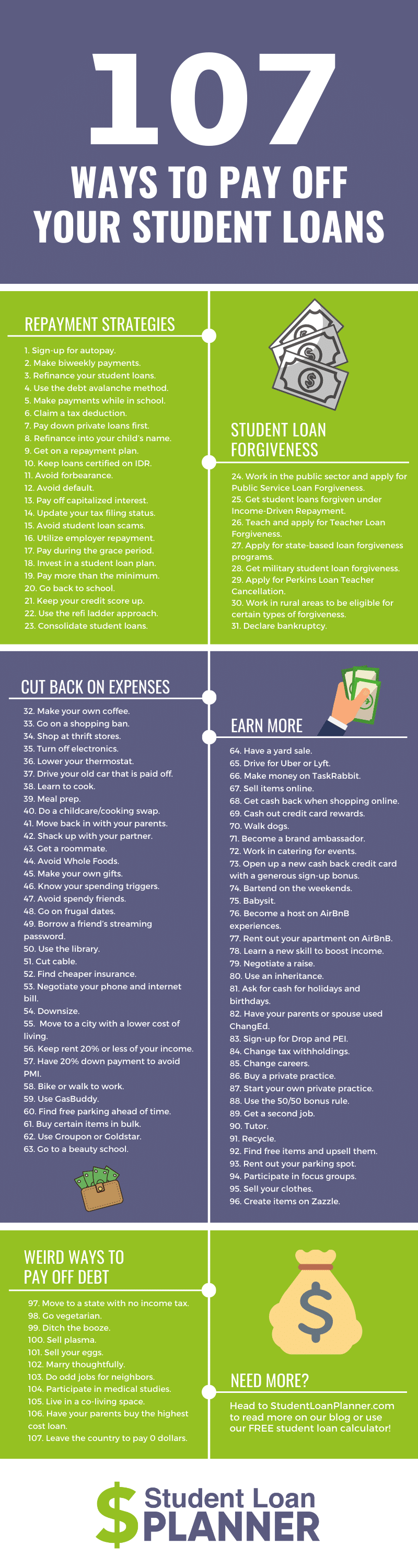
- The “Snowball” or “Avalanche” Method: These popular debt repayment strategies involve either focusing on the smallest loan balance first (snowball) for psychological wins, or tackling the loan with the highest interest rate first (avalanche) to save the most money on interest. Once one loan is paid off, you roll that payment amount into the next loan.
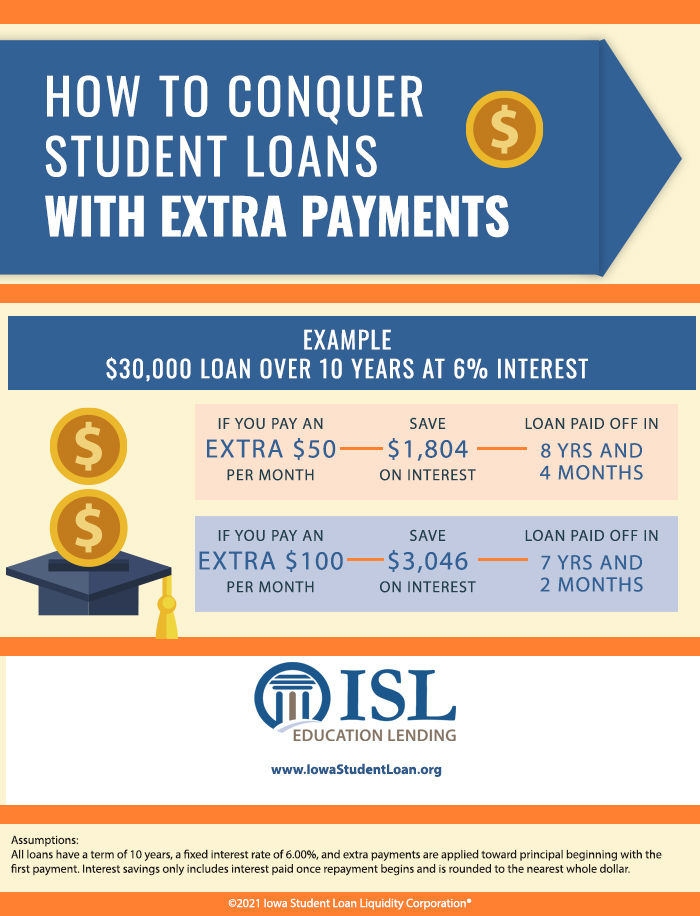
- Making Extra Payments: Even small, additional payments can make a big difference. Consider making an extra payment whenever you receive a bonus, tax refund, or have extra cash. Some borrowers choose to make bi-weekly payments (half of their monthly payment every two weeks), which results in an extra full payment per year.
- Specifying Additional Payments: When making extra payments, be explicit with your servicer that the additional amount should be applied to the principal balance, rather than simply advancing your due date. This ensures the extra money directly reduces the amount on which interest accrues.
When Repayment Becomes a Challenge: Exploring Relief Options
Life is unpredictable, and sometimes, even the best-laid financial plans can go awry. Job loss, medical emergencies, or other unexpected circumstances can make it difficult to afford your student loan payments. Fortunately, various relief options are available, particularly for federal student loan borrowers. Ignoring financial hardship is never the answer; proactive communication with your servicer is key.
Federal Repayment Plans: Income-Driven Options
Federal student loans offer a suite of income-driven repayment (IDR) plans designed to make payments more affordable by basing them on your income and family size. If your income is low enough, your payment could be as little as $0 per month.
- REPAYE (Revised Pay As You Earn): Generally caps monthly payments at 10% of your discretionary income.
- PAYE (Pay As You Earn): Similar to REPAYE, also 10% of discretionary income, but with certain eligibility requirements regarding when you took out your loans.
- IBR (Income-Based Repayment): Payments are 10% or 15% of discretionary income, depending on when you received your first loans.
- ICR (Income-Contingent Repayment): Payments are either 20% of your discretionary income or what you’d pay on a fixed 12-year plan, whichever is less.
After 20 or 25 years of payments (depending on the plan and loan type), any remaining balance on IDR plans may be forgiven, though the forgiven amount may be taxable income. These plans are invaluable safety nets for borrowers experiencing financial difficulty.
Deferment and Forbearance: Temporary Pauses
For temporary financial setbacks, deferment and forbearance offer options to pause your payments.
- Deferment: Allows you to temporarily stop making payments, and in some cases (like for subsidized federal loans), interest does not accrue during the deferment period. Common reasons for deferment include enrollment in school, unemployment, economic hardship, or military service.
- Forbearance: Also allows you to temporarily stop or reduce your payments. However, interest typically accrues on all loan types (subsidized and unsubsidized) during forbearance. It’s often granted for general financial difficulties or medical expenses.
Both options provide short-term relief, but it’s crucial to understand the interest implications. While they offer breathing room, they can increase the total cost of your loan over time if interest accrues and is capitalized (added to your principal balance). Always explore IDR plans first if eligible, as they can sometimes offer $0 payments without accruing interest on subsidized loans.
Understanding Loan Consolidation and Refinancing
These are two distinct strategies that can help streamline and potentially reduce the cost of your student loan debt.
- Federal Direct Consolidation Loan: This option allows you to combine multiple federal student loans into a single new loan with one servicer and one monthly payment. It can simplify your finances and open eligibility for certain IDR plans or Public Service Loan Forgiveness (PSLF) that some older federal loans might not qualify for. The interest rate is a weighted average of your existing loans, rounded up.
- Student Loan Refinancing (Private): Refinancing involves taking out a new private loan to pay off existing federal and/or private student loans. The goal is typically to secure a lower interest rate, reduce your monthly payment, or shorten your repayment term. This is often pursued by borrowers with strong credit and stable income. However, be aware that refinancing federal loans into a private loan means forfeiting all federal borrower protections, including access to IDR plans, deferment, and potential forgiveness. This decision requires careful consideration of your financial stability and long-term goals.
Proactive Management for a Debt-Free Future
Successfully navigating student loan repayment isn’t a one-time event; it’s an ongoing process that requires diligence and proactive management. By integrating your loan payments into a broader financial strategy and staying informed, you can accelerate your journey towards becoming debt-free.
Budgeting for Student Loan Payments
Integrating student loan payments into your monthly budget is foundational for financial stability. Treat your loan payment as a non-negotiable expense, just like rent or utilities.
- Create a Detailed Budget: Use a spreadsheet, app, or pen and paper to track all your income and expenses.
- Prioritize Loan Payments: Allocate funds for your student loan payments early in your budgeting process.
- Find Areas to Cut: If payments feel too high, look for areas where you can reduce spending to free up more cash for your loans or to build an emergency fund.
A well-structured budget not only ensures you make payments on time but also helps you identify opportunities to make extra payments and reduce overall interest.
Monitoring Your Loan Status and Credit Score
Regularly checking your loan accounts and credit report is a crucial habit.
- Review Servicer Portals: Periodically log into your loan servicer’s online portals to check your balances, payment history, and ensure all payments are being applied correctly.
- Check Your Credit Report Annually: As mentioned, AnnualCreditReport.com provides free access to your credit reports from the three major bureaus. Look for any discrepancies, unfamiliar accounts, or errors that could indicate fraud or mistakes. Your student loan accounts will be listed here, and you can confirm their status.
- Monitor Your Credit Score: Many banks and credit card companies offer free credit score monitoring. A good credit score is vital for future financial endeavors, and responsible student loan repayment is a significant contributor to a healthy score.
Seeking Professional Financial Guidance
Sometimes, the complexities of student loan repayment, especially when combined with other financial goals like buying a home or saving for retirement, warrant professional advice.
- Non-Profit Credit Counselors: Organizations like the National Foundation for Credit Counseling (NFCC) offer free or low-cost counseling, including guidance on debt management.
- Certified Financial Planners (CFPs): For more holistic financial planning that integrates student loan strategy with investments, retirement, and other goals, a CFP can provide personalized advice.
Understanding where to pay your student loans is more than just knowing a website; it’s about empowering yourself with knowledge and tools to effectively manage one of the most significant financial obligations many individuals face. By taking the time to identify your servicers, explore your options, and proactively manage your debt, you can navigate the path to financial wellness with confidence and clarity.
aViewFromTheCave is a participant in the Amazon Services LLC Associates Program, an affiliate advertising program designed to provide a means for sites to earn advertising fees by advertising and linking to Amazon.com. Amazon, the Amazon logo, AmazonSupply, and the AmazonSupply logo are trademarks of Amazon.com, Inc. or its affiliates. As an Amazon Associate we earn affiliate commissions from qualifying purchases.