
Understanding the full scope of your student loan obligations is a critical first step towards financial stability and effective debt management. For many, student loans represent a significant financial commitment, often spanning decades. However, the path from graduation to repayment isn’t always linear, and it’s surprisingly common for borrowers to lose track of some or all of their loans, especially if they have multiple loans from different sources, periods of deferment, or changes in loan servicers. This guide aims to demystify the process of locating all your student loan debt, empowering you with the knowledge to take control of your financial future.
The Imperative of Knowing Your Student Loan Landscape
Before diving into the “how,” it’s crucial to understand the “why.” Pinpointing every dollar you owe isn’t just about administrative tidiness; it’s fundamental to effective financial planning, avoiding costly mistakes, and securing your long-term economic well-being.
Why Comprehensive Knowledge is Your First Step
Your student loan portfolio isn’t static. It involves varying interest rates, different servicers, and distinct repayment terms that can significantly impact your monthly budget and overall repayment strategy. A complete picture allows you to:
- Develop a Realistic Budget: Knowing your total monthly payment across all loans is essential for creating a sustainable budget that prevents financial strain.
- Explore Repayment Options: Federal loans offer a multitude of income-driven repayment (IDR) plans, deferment, and forbearance options. You can only leverage these if you know which loans you have and who services them. Similarly, private loans might offer refinancing opportunities.
- Consolidate or Refinance Effectively: If you’re considering consolidating federal loans or refinancing private loans to potentially lower your interest rate or monthly payment, you need a full inventory of your debt to make informed decisions and compare offers accurately.
- Prevent Default: Missing payments because you’ve forgotten about a loan can lead to severe consequences, including damaged credit, wage garnishment, and collection fees. Knowing all your loans helps you stay current.
- Plan for Future Financial Goals: Whether it’s buying a home, saving for retirement, or starting a family, student loan debt plays a role. A clear understanding allows for more accurate long-term financial projections.
The Risks of Ignorance: Default and Financial Strain
Ignoring or losing track of your student loans carries significant risks. Defaulting on federal student loans, for instance, can lead to the federal government seizing your tax refunds, garnishing your wages, and even a portion of your Social Security benefits. Your credit score will plummet, making it harder to secure future loans, housing, or even certain jobs.
For private student loans, default can result in aggressive collection efforts, lawsuits, and equally damaging impacts on your credit report. In both cases, late fees and accumulated interest can balloon your original debt, making it even harder to escape. The stress and anxiety associated with unresolved debt can also take a toll on your mental and physical health. Therefore, taking the proactive step to identify all your student loan debt is not just a financial task, but an investment in your overall well-being.
Navigating the Federal Student Loan Ecosystem
The vast majority of student loan debt in the U.S. is federal, meaning it’s backed by the government. Fortunately, the system for tracking these loans is relatively centralized, providing a clear path to discovery.
Your Central Hub: StudentAid.gov and NSLDS
The most authoritative source for your federal student loan information is the National Student Loan Data System (NSLDS), which is now integrated into StudentAid.gov. This website is managed by the U.S. Department of Education and serves as the central database for all federal student aid, including grants, scholarships, and loans.
To access your information:
- Create or Log In with Your FSA ID: If you applied for federal financial aid, you likely already have an FSA ID. This is your unique username and password used to access federal student aid websites. If you don’t have one, you’ll need to create one, which involves verifying your identity through a secure process.
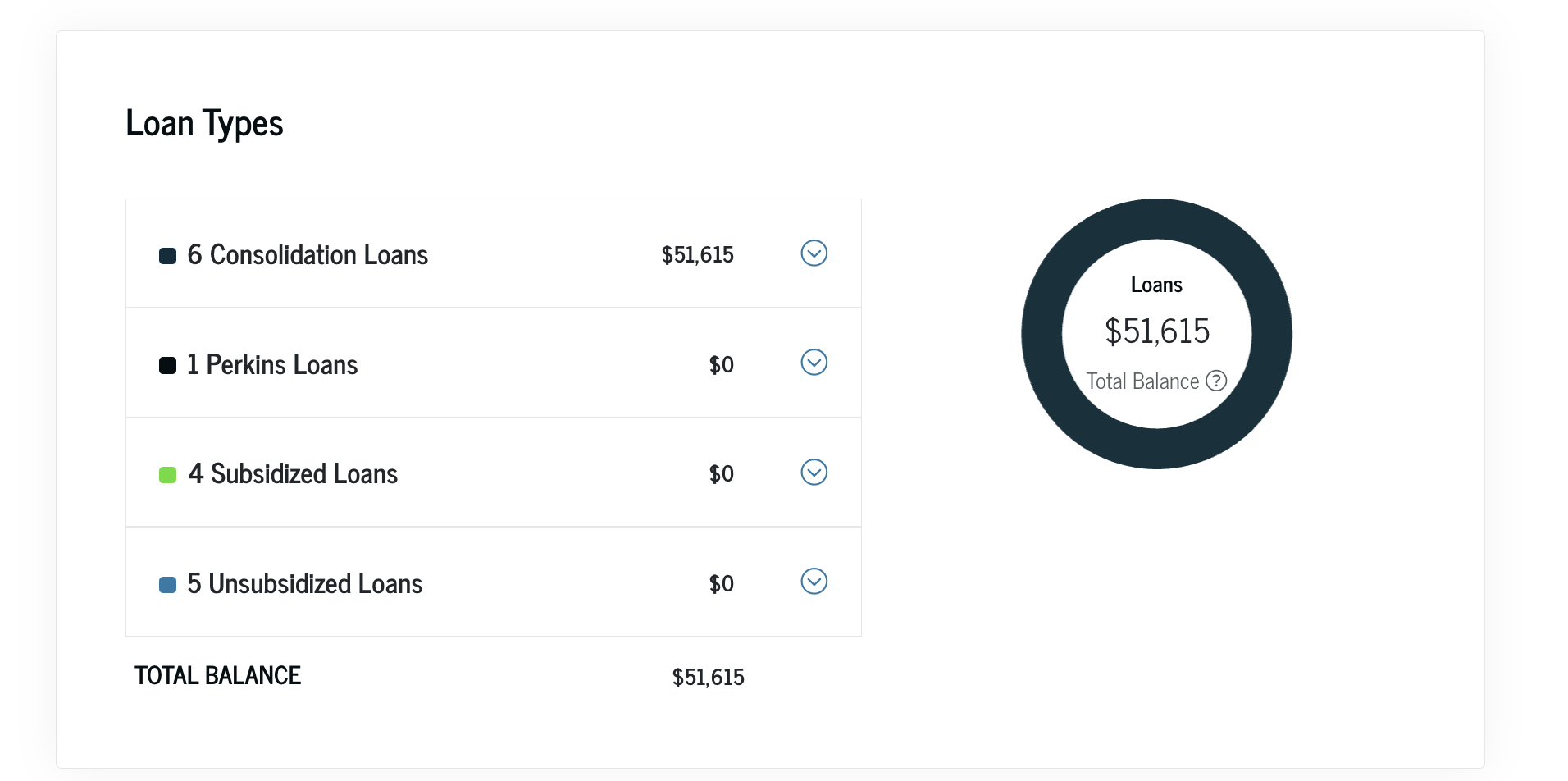
- Navigate to Your Dashboard: Once logged in, your dashboard provides an overview of your federal student aid history. You’ll find details on all your federal student loans, including the original loan amount, current balance, interest rate, status (in-school, grace, repayment, deferment, forbearance, default), and, crucially, the name of your loan servicer.
- Review Loan Details: The site allows you to delve into each individual loan, providing a comprehensive history from disbursement to current status. This is where you can confirm balances and terms.
This single portal is designed to give you a complete picture of your federal student loan debt, making it an indispensable tool in your financial arsenal.
Unmasking Your Federal Loan Servicers
While StudentAid.gov provides the overarching data, your daily interactions regarding federal loans will be with your loan servicer. These are private companies contracted by the Department of Education to manage the billing, customer service, and repayment processes for federal student loans.
StudentAid.gov will clearly list the servicer(s) for each of your federal loans. Common federal loan servicers include:
- Aidvantage
- MOHELA
- Nelnet
- Edfinancial Services
- Sallie Mae (formerly serviced federal loans, now primarily private)
Once you identify your servicer(s), you should:
- Create an Account: Visit each servicer’s website and create an online account (or log in if you already have one).
- Verify Information: Cross-reference the information on StudentAid.gov with what’s available on your servicer’s portal. This will confirm the specific terms of your loans, payment history, and current payment due dates.
- Set Up Alerts: Consider setting up email or text alerts for payment reminders to avoid missing deadlines.
Essential Information to Gather
As you navigate StudentAid.gov and your servicer portals, compile a detailed record of the following for each federal loan:
- Loan Type: Direct Subsidized, Direct Unsubsidized, PLUS, Perkins, FFEL (Federal Family Education Loan) Program loans.
- Original Principal Balance: How much you initially borrowed.
- Current Principal Balance: How much you still owe, excluding accrued interest.
- Interest Rate: The fixed or variable rate applied to your loan.
- Loan Servicer: The company managing your loan.
- Loan Status: In repayment, grace, deferment, forbearance, etc.
- Next Payment Due Date and Amount: Crucial for budgeting.
This detailed inventory will be invaluable when you begin to strategize your repayment.
Unearthing Your Private Student Loan Obligations
Unlike federal loans, private student loans are not part of the StudentAid.gov system. These loans are issued by banks, credit unions, and other private lenders, and there’s no single centralized database for them. This makes tracking them down a bit more challenging but certainly not impossible.
The Power of Your Credit Report
Your credit report is an incredibly powerful tool for locating private student loan debt. Lenders report all loan activity, including private student loans, to the three major credit bureaus: Experian, Equifax, and TransUnion.
- Access Your Free Credit Report: By law, you are entitled to a free copy of your credit report from each of the three major bureaus once every 12 months. You can access these reports at AnnualCreditReport.com, the only federally authorized website for this purpose.
- Scrutinize the “Accounts” Section: Carefully review the “Accounts” or “Tradelines” section of each report. Look for entries labeled “student loan” or similar. These will list the lender’s name, the original loan amount, the current balance, and the status of the loan.
- Identify Potential Lenders: Make a note of every private lender listed. Even if an account is closed or paid off, its history might provide clues to other loans you’ve forgotten.
Checking all three reports is advisable, as some lenders might only report to one or two bureaus, though this is less common for major loans.
Tracing Through Financial Institutions
If your credit report doesn’t yield all the answers, or if you suspect you had a loan that somehow didn’t appear, think back to where you might have borrowed money for education.
- Banks and Credit Unions: Did you or a co-signer have a pre-existing relationship with a particular bank or credit union during your college years? Many institutions offer student loans to their customers. Contact their loan department directly.
- Student Loan Lenders: Beyond traditional banks, there are dedicated private student loan lenders (e.g., Sallie Mae, Discover Student Loans, College Ave, Wells Fargo, Citizens Bank). If you remember applying to any of these, reach out to their customer service.
- Past Correspondence: Check old email accounts, physical mail, or financial statements from the periods you were in school. Loan disclosure statements, monthly billing statements, or even promotional materials can jog your memory and provide lender contact information.

A Deep Dive into Personal Records
Sometimes, the simplest method is to revisit your own financial history.
- Tax Returns: Review past tax returns. If you’ve ever deducted student loan interest, the lender’s name and the amount of interest paid will be listed on Form 1098-E, “Student Loan Interest Statement.”
- Bank Statements: Look through old bank statements for automatic payments made to student loan providers. This can help identify forgotten loans.
- Academic Records: Your college or university’s financial aid office might have records of the lenders they worked with or recommended, which could help narrow down your search. While they won’t have your specific loan account numbers, they might provide leads.
- Co-Signers: If you had a co-signer on a private loan, they might have records of the loan as well. Reach out to them for assistance.
Gathering this information for your private loans is just as crucial as for your federal ones. Create a similar detailed inventory, noting the lender, current balance, interest rate, and repayment terms.
Addressing Complex Scenarios and Discrepancies
While the methods above cover the majority of cases, some situations can complicate the process of finding your student loan debt. Being aware of these scenarios can help you navigate potential roadblocks.
Locating Defaulted or Delinquent Loans
If you’ve missed payments or defaulted on a loan, it can sometimes feel like the loan has disappeared, but it hasn’t. In fact, defaulted loans often become more aggressive in their pursuit.
- For Federal Loans: Defaulted federal loans are typically transferred from your original servicer to the Department of Education’s Default Resolution Group or a private collection agency. You can still find information on StudentAid.gov. If you’re in default, the site will indicate this, and provide contact details for the entity now managing your loan. You might also receive communication directly from collection agencies.
- For Private Loans: Defaulted private loans will almost certainly appear on your credit report. They may also be sold to a debt collection agency. If so, the collection agency’s name might appear on your credit report, or they will contact you directly via mail or phone. Do not ignore these communications; address them promptly to understand your options.
When Loans Change Hands: Servicer Transfers
It’s common for student loan servicers to transfer loans to another company. This happens with both federal and private loans. When a transfer occurs, the new servicer is legally required to notify you in writing (via mail or email) well in advance of the transfer.
- Check Your Mail and Email: Always keep an eye out for official correspondence regarding your loans. These notices will include the name of your new servicer and instructions on how to access your account.
- StudentAid.gov (Federal): If your federal loan servicer changes, StudentAid.gov will update this information.
- Credit Reports (Private): For private loans, your credit report will usually reflect the change, showing the previous servicer and the new one.
If you believe a loan was transferred and you didn’t receive notification, use the methods described above (StudentAid.gov, credit reports) to find the current servicer.
Understanding Consolidated Loans
Many borrowers opt to consolidate their student loans.
- Federal Direct Consolidation Loans: These combine multiple federal loans into a single new loan with one servicer and one monthly payment. If you’ve consolidated federal loans, StudentAid.gov will show your “Direct Consolidation Loan” as a single entry. The individual underlying loans are paid off and disappear from your active loan list, replaced by this one consolidated loan.
- Private Loan Refinancing: While not technically “consolidation” in the federal sense, refinancing multiple private loans (or a mix of federal and private) into a new private loan with a different lender achieves a similar outcome: a single new loan to manage. In this case, your credit report will show the new refinanced loan and indicate that the previous loans have been paid off.
If you remember consolidating or refinancing but can’t find the new loan, re-check your credit report for the most recent loan activity or look for records of your consolidation application.
Beyond Discovery: Strategizing Your Repayment
Once you’ve diligently uncovered all your student loan debt, the journey shifts from discovery to strategic management. This crucial phase involves understanding the details of your debt and actively planning your repayment to minimize costs and maximize financial freedom.
Decoding Your Loan Details: Rates, Terms, and Balances
With your comprehensive inventory in hand, take the time to truly understand the nuances of each loan:
- Interest Rates: Note whether your rates are fixed or variable. Fixed rates offer predictability, while variable rates can fluctuate, potentially increasing your monthly payments. Prioritize paying off loans with the highest interest rates first, as they accrue debt faster (the “debt avalanche” method).
- Loan Types: Remember the distinction between federal and private loans. Federal loans come with unique protections and repayment plans that private loans do not.
- Repayment Terms: Understand the original repayment period (e.g., 10 years, 20 years) and how much time you have left. Longer terms often mean lower monthly payments but more interest paid over the life of the loan.
- Current Balances: Keep a running tally of your current principal and interest balances. This helps you track progress and calculate the true cost of your debt.
Organizing this information, perhaps in a spreadsheet, will create a powerful financial tool for decision-making.
Exploring Federal Repayment Plans
Federal student loans offer a range of flexible repayment options designed to help borrowers manage their debt, especially during times of financial hardship.
- Standard Repayment Plan: The default plan, typically a fixed payment over 10 years.
- Graduated Repayment Plan: Payments start low and gradually increase, usually over 10 years.
- Extended Repayment Plan: Allows for lower payments over a longer period (up to 25 years) for borrowers with high debt.
- Income-Driven Repayment (IDR) Plans: These plans (REPAYE, PAYE, IBR, ICR) tie your monthly payment to a percentage of your discretionary income and family size. They can significantly lower payments and offer loan forgiveness after 20 or 25 years of qualifying payments. This is a critical option for many, especially if your income is modest compared to your debt.
- Deferment and Forbearance: Temporary options to postpone payments during periods of unemployment, economic hardship, or further schooling. Interest may still accrue, potentially increasing your total debt.
Visit StudentAid.gov or contact your federal loan servicer to discuss which plan best fits your financial situation.
Considering Refinancing for Private Loans
For private student loans, or even federal loans if you’re willing to forfeit federal protections, refinancing can be a powerful strategy. Refinancing involves taking out a new loan from a private lender to pay off one or more existing student loans.
- Potential Benefits:
- Lower Interest Rate: If your credit score has improved or market rates have dropped, you might qualify for a lower interest rate, saving you thousands over time.
- Single Monthly Payment: Consolidate multiple private loans into one with a single bill.
- Adjusted Loan Term: You might be able to choose a shorter term (for faster payoff) or a longer term (for lower monthly payments, though often at a higher total cost).
- Considerations:
- Loss of Federal Protections: If you refinance federal loans into a private loan, you lose access to IDR plans, federal deferment/forbearance options, and potential loan forgiveness programs. This is a significant trade-off to weigh carefully.
- Credit Requirements: Refinancing typically requires good to excellent credit and a stable income.
Research various private lenders and compare their rates, terms, and customer service. Use online calculators to estimate your potential savings.
Crafting a Sustainable Repayment Strategy
With all the pieces in place, it’s time to build a robust repayment strategy.
- Prioritize High-Interest Debt: The “debt avalanche” method involves paying extra towards the loan with the highest interest rate first, while making minimum payments on all others. Once that loan is paid off, roll the extra payment amount into the next highest-interest loan.
- Automate Payments: Set up automatic payments to ensure you never miss a due date. Many servicers offer a small interest rate reduction for doing so.
- Create an Emergency Fund: Before aggressively paying down debt, ensure you have an emergency fund (3-6 months of living expenses) to prevent financial shocks from derailing your plan.
- Explore Additional Income Streams: If your budget is tight, consider a side hustle or part-time work to generate extra income specifically for debt repayment.
- Re-evaluate Annually: Your financial situation changes, and so might loan terms or available repayment plans. Review your strategy at least once a year and make adjustments as needed.
Finding all your student loan debt is more than just an administrative exercise; it’s a critical step toward achieving financial clarity and empowerment. By meticulously uncovering every obligation, understanding its terms, and strategically planning your repayment, you transform an often-daunting burden into a manageable challenge, paving the way for a more secure financial future.
aViewFromTheCave is a participant in the Amazon Services LLC Associates Program, an affiliate advertising program designed to provide a means for sites to earn advertising fees by advertising and linking to Amazon.com. Amazon, the Amazon logo, AmazonSupply, and the AmazonSupply logo are trademarks of Amazon.com, Inc. or its affiliates. As an Amazon Associate we earn affiliate commissions from qualifying purchases.