
For many, purchasing a home is the quintessential American dream, a significant financial milestone that offers stability, security, and a tangible asset. However, turning that dream into a reality almost always requires securing a mortgage loan – a complex financial instrument that can seem daunting at first glance. The question, “Where can I get a mortgage loan?” is often the first major hurdle prospective homeowners face, and the answer isn’t a simple one-liner. It involves understanding a diverse landscape of lenders, preparing your financial profile, and diligently comparing options to find the best fit for your unique circumstances.
Navigating the mortgage market successfully requires more than just searching for the lowest interest rate; it demands a comprehensive understanding of the different types of lenders, the intricacies of the application process, and the various factors that influence loan terms. This article will serve as your essential guide, demystifying the journey to securing a mortgage loan and empowering you with the knowledge to make informed decisions on your path to homeownership. We’ll explore the key players in the lending market, detail the necessary preparations, outline the application process, and offer invaluable tips to help you secure the most advantageous mortgage deal.
Understanding Your Mortgage Landscape: Key Players in the Lending Market
The mortgage industry is a vast ecosystem comprising various institutions, each with its own operational model, advantages, and target clientele. Knowing who these players are is the first step in identifying where you might best secure a mortgage loan.
Traditional Banks: The Established Path
For generations, traditional banks have been the go-to source for mortgage loans. Institutions like Chase, Wells Fargo, Bank of America, and numerous regional banks offer a full spectrum of financial services, including diverse mortgage products.
Advantages:
- Convenience: If you already bank with them, you might have an existing relationship that streamlines some aspects of the application.
- Comprehensive Services: Banks can offer a holistic view of your finances, potentially bundling mortgages with other products like checking accounts or investment services.
- Physical Branches: The ability to meet face-to-face with a loan officer can be reassuring for some borrowers, providing a personal touch and direct assistance.
- Brand Recognition & Trust: Established banks often carry a strong reputation and perceived stability, which can provide peace of mind.
Disadvantages:
- Potentially Less Flexible: Due to their size and strict regulations, banks might have less flexibility in underwriting for unique situations compared to other lenders.
- Slower Process: The bureaucracy within large institutions can sometimes lead to a longer application and approval process.
- Rates Might Not Always Be the Lowest: While competitive, their rates aren’t always the absolute lowest available in the market.
Credit Unions: Community-Focused Lending
Credit unions are non-profit financial cooperatives owned by their members. They operate with a mission to serve their members rather than maximize shareholder profits, often translating into more favorable terms and personalized service.
Advantages:
- Lower Rates and Fees: Due to their non-profit status, credit unions can often offer lower interest rates and reduced fees on mortgage loans.
- Personalized Service: They tend to provide a more hands-on, member-centric approach, which can be beneficial for first-time homebuyers or those with complex financial situations.
- Flexible Underwriting: Credit unions might be more willing to work with borrowers who have less-than-perfect credit histories or unconventional income streams, as they evaluate members on a broader set of criteria.
- Community Focus: Many credit unions are deeply embedded in their local communities, offering a sense of local support.
Disadvantages:
- Membership Requirements: You must meet specific eligibility criteria to join a credit union (e.g., live in a certain area, work for a particular employer, or belong to an affiliated organization).
- Limited Branch Network: Compared to large banks, credit unions often have fewer physical locations and potentially less robust online platforms.
- Fewer Product Options: Some smaller credit unions might offer a more limited range of mortgage products.
Online Lenders: Convenience and Competitive Rates
The digital age has ushered in a new breed of mortgage providers: online lenders. Companies like Quicken Loans (Rocket Mortgage), Better.com, and LoanDepot operate primarily, if not exclusively, through digital platforms.
Advantages:
- Speed and Efficiency: Online lenders are often lauded for their streamlined, technology-driven application processes, leading to faster approvals and closings.
- Competitive Rates: With lower overhead costs (no physical branches), online lenders can frequently offer highly competitive interest rates and lower fees.
- 24/7 Access: Borrowers can research, apply, and manage their loans at any time from anywhere, offering unparalleled convenience.
- Transparency: Many online platforms provide tools for instant rate quotes, fee breakdowns, and real-time application tracking.
Disadvantages:
- Less Personal Interaction: For those who prefer face-to-face discussions, the lack of a physical presence can be a drawback. Communication is typically via phone, email, or chat.
- Technological Reliance: Borrowers must be comfortable navigating online portals and submitting documents digitally.
- Potential for Information Overload: The sheer volume of information and options available online can sometimes be overwhelming.
Mortgage Brokers: Your Personal Loan Matchmaker
A mortgage broker acts as an intermediary between borrowers and lenders. They don’t lend money themselves but work with multiple lenders (banks, credit unions, online lenders, wholesale lenders) to find mortgage products that best suit their clients’ needs.
Advantages:
- Access to Multiple Lenders: Brokers can shop around on your behalf, potentially finding better rates or more flexible terms than you could find by approaching a single lender.
- Expert Guidance: They are experts in the mortgage market, understanding complex loan products and qualification requirements, saving you time and effort.
- Problem Solvers: Brokers can be particularly helpful for borrowers with unique financial situations, as they know which lenders are more amenable to specific challenges.
- Time-Saving: They handle much of the legwork, including collecting documents and coordinating with lenders.
Disadvantages:
- Compensation: Brokers are compensated either by the lender (often factored into the loan cost) or by the borrower directly. It’s crucial to understand their compensation structure upfront.
- Quality Varies: The quality of service can vary significantly between individual brokers. It’s important to choose a reputable and experienced professional.
- Not Always the Cheapest: While they find competitive deals, sometimes directly approaching a specific lender that aligns with your profile could yield a marginally better rate, especially if you have a very strong financial profile.
Preparing for Your Mortgage Application: Laying the Groundwork
Regardless of where you decide to apply, robust preparation is paramount. Lenders scrutinize several aspects of your financial life to assess your creditworthiness and your ability to repay the loan. Proactive preparation can significantly enhance your chances of approval and help you secure more favorable terms.
Assessing Your Financial Health: Credit Score and Debt-to-Income
Your credit score is a numerical representation of your creditworthiness, reflecting your history of borrowing and repaying debt. A higher score (generally 740+) signals lower risk to lenders, often qualifying you for better interest rates. Equally important is your debt-to-income (DTI) ratio, which compares your total monthly debt payments to your gross monthly income. Lenders typically prefer a DTI ratio of 43% or lower.
Actionable Steps:
- Check Your Credit Report: Obtain free copies of your credit reports from all three major bureaus (Equifax, Experian, TransUnion) annually via AnnualCreditReport.com. Review them for errors and dispute any inaccuracies.
- Improve Your Credit Score: Pay bills on time, reduce credit card balances, and avoid opening new credit lines before applying for a mortgage.
- Manage Your DTI: Pay down existing debts, avoid taking on new loans, and consider ways to increase your income if your DTI is high.
Saving for a Down Payment and Closing Costs
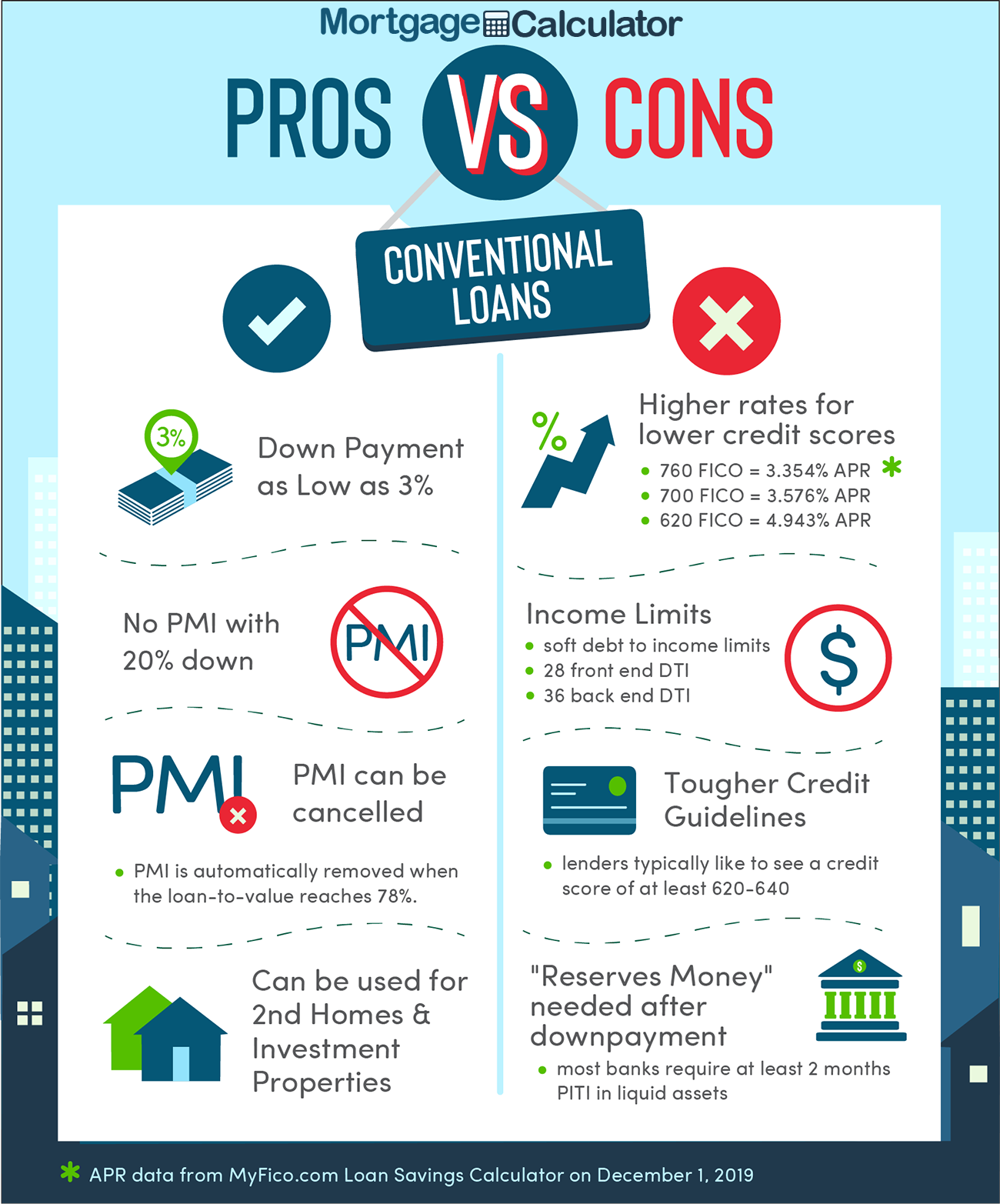
The down payment is the initial sum of money you pay towards the home’s purchase price, reducing the amount you need to borrow. While a 20% down payment is often recommended to avoid private mortgage insurance (PMI), many loan programs allow for much lower down payments (e.g., FHA loans can be as low as 3.5%, conventional loans 3%).
Closing costs are a collection of fees associated with the mortgage and home purchase, typically ranging from 2% to 5% of the loan amount. These include appraisal fees, title insurance, legal fees, loan origination fees, and more.
Actionable Steps:
- Set a Savings Goal: Determine a realistic down payment amount based on your target home price and loan program.
- Budget for Closing Costs: Factor these significant additional expenses into your savings plan.
- Explore Down Payment Assistance Programs: Many state and local governments offer programs to help first-time buyers with down payments and closing costs.
Gathering Essential Documentation
Lenders require a comprehensive array of documents to verify your income, assets, and liabilities. Having these ready will expedite the application process.
Typical Documents Include:
- Proof of Income: Pay stubs (last 30-60 days), W-2 forms (last two years), tax returns (last two years for self-employed individuals).
- Asset Information: Bank statements (last two months), investment account statements.
- Debt Information: Statements for credit cards, auto loans, student loans, and any other outstanding debts.
- Employment Verification: Contact information for your employer(s).
- Identification: Government-issued ID (driver’s license, passport).
Choosing the Right Mortgage Lender: Factors Beyond Interest Rates
While a low interest rate is undoubtedly attractive, it shouldn’t be the sole determinant when selecting a mortgage lender. A holistic evaluation considering various factors will ensure you choose a partner that best serves your long-term financial interests.
Interest Rates and APR: Understanding the True Cost
The interest rate is the percentage charged on the principal loan amount. The Annual Percentage Rate (APR), however, offers a more comprehensive measure of the total cost of the loan over its term, as it includes not only the interest rate but also most closing costs and fees. Comparing APRs across different loan offers provides a more accurate apples-to-apples comparison.
Insight: A slightly higher interest rate from a lender with lower fees might result in a lower APR and thus a cheaper loan overall. Always ask for a Loan Estimate from each potential lender, which provides a standardized breakdown of costs.
Fees and Charges: Unpacking the Fine Print
Mortgage loans come with various fees, which can significantly add to your upfront costs. These can include:
- Origination Fees: Charged by the lender for processing the loan.
- Application Fees: For processing your initial application.
- Underwriting Fees: For evaluating your loan application.
- Appraisal Fees: For valuing the property.
- Title Insurance Fees: Protecting against future claims on the property’s title.
Insight: Some fees are negotiable, or lenders may be willing to waive certain charges to earn your business. Always inquire about every fee and understand what it covers.
Loan Products and Flexibility: Finding Your Perfect Fit
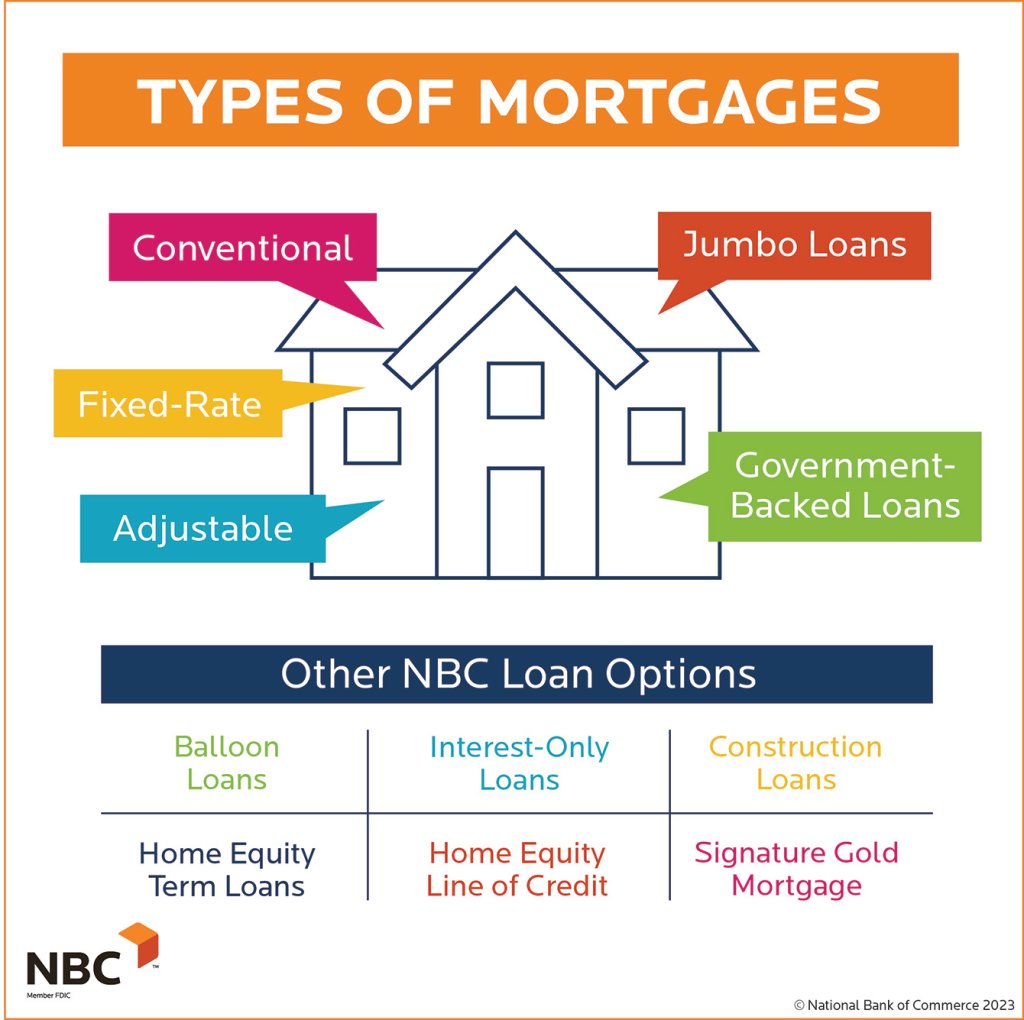
Lenders offer a range of mortgage products, each with different features designed to suit various borrower profiles:
- Fixed-Rate Mortgages (FRM): Interest rate remains constant for the life of the loan, offering predictable monthly payments.
- Adjustable-Rate Mortgages (ARM): Interest rate is fixed for an initial period (e.g., 3, 5, 7, or 10 years) and then adjusts periodically based on market rates. ARMs can offer lower initial rates but come with interest rate risk.
- FHA Loans: Government-insured loans requiring lower down payments and often more flexible credit requirements, ideal for first-time buyers.
- VA Loans: For eligible service members, veterans, and their spouses, offering 0% down payment and no mortgage insurance.
- USDA Loans: For low-to-moderate-income borrowers in eligible rural areas, also offering 0% down payment.
Insight: Evaluate your financial stability, risk tolerance, and long-term plans to choose the loan product that aligns best with your circumstances. A lender offering a wider variety of products might have more options for you.
Customer Service and Reputation: A Partner You Can Trust
The mortgage process can be lengthy and complex. Having a responsive, knowledgeable, and reliable loan officer or customer service team can make a significant difference.
Insight: Research lenders’ reputations by reading online reviews, checking with the Better Business Bureau, and asking for referrals from friends, family, or your real estate agent. Pay attention to how quickly they respond to inquiries and how clearly they explain complex terms. A good relationship with your lender can smooth out potential bumps in the road.
The Mortgage Application Process: Step-by-Step Guide
Once you’ve prepared your finances and identified potential lenders, the journey through the formal application process begins. Understanding each stage will help you navigate it with confidence.
Pre-Approval: Getting a Head Start
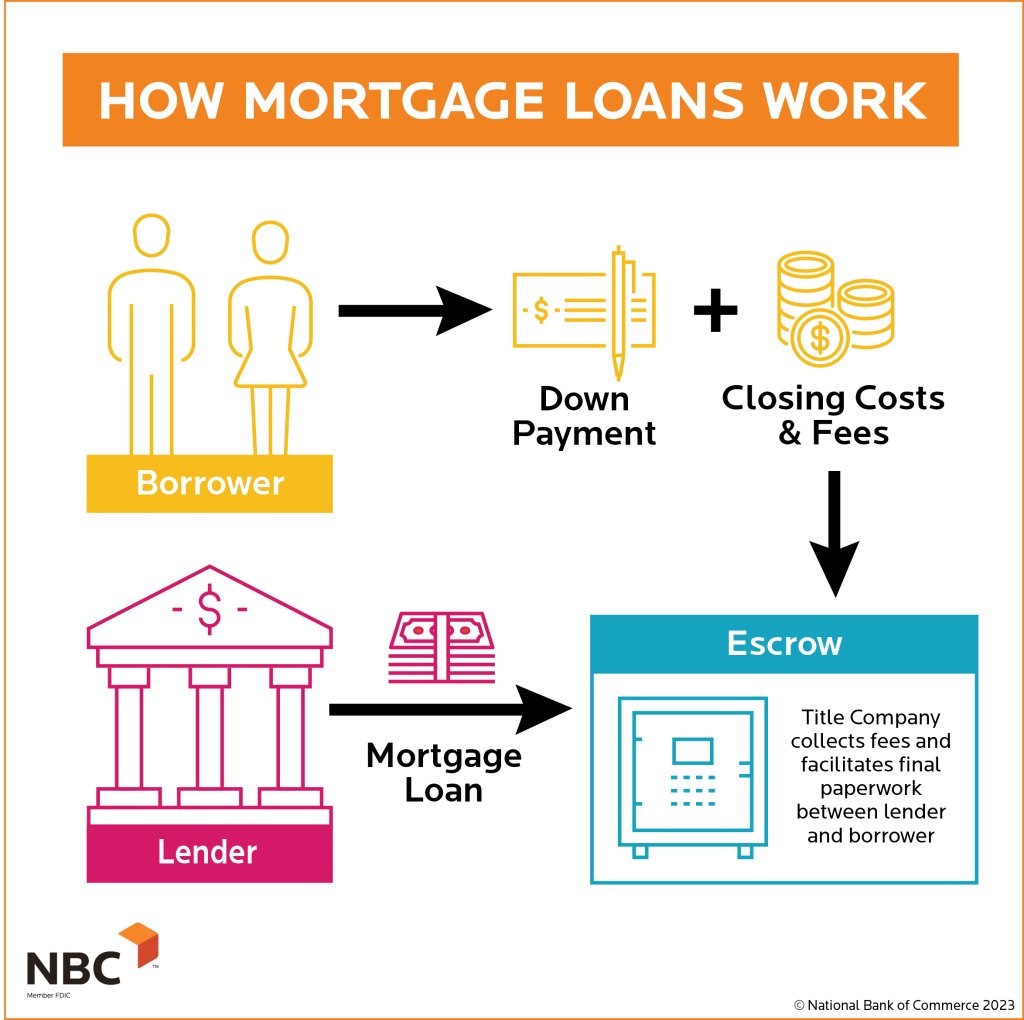
The pre-approval stage is crucial. It involves a lender reviewing your financial information (credit, income, assets) and providing a conditional commitment for a specific loan amount. This isn’t a guaranteed loan but rather a strong indicator of what you can afford.
Benefit: A pre-approval letter strengthens your offer when bidding on a home, showing sellers you are a serious and qualified buyer.
Application Submission and Underwriting
Once you find a home and have an accepted offer, you’ll formally submit your full mortgage application. The loan then enters underwriting, where a professional underwriter thoroughly verifies all the information and documents you’ve provided, assesses the risk, and determines if the loan meets the lender’s guidelines and government regulations. This is the most detailed part of the process, and the underwriter may request additional documentation.
Appraisal and Inspection
As part of the lender’s due diligence, an independent appraisal is ordered to assess the home’s fair market value. This ensures the property is worth at least the loan amount. Separately, a home inspection is highly recommended for your protection, allowing you to identify any potential structural or mechanical issues with the property before finalizing the purchase.
Closing Day: The Finish Line
If the underwriting is successful and the appraisal meets requirements, you’ll receive a “clear to close” notification. Closing day is when all final documents are signed, funds are exchanged, and ownership of the home is officially transferred to you. This involves signing numerous legal documents, including the promissory note and mortgage (or deed of trust).
Tips for Securing the Best Mortgage Deal
Finding the right mortgage isn’t just about knowing where to look; it’s also about strategically positioning yourself to get the most favorable terms possible.
Shop Around and Compare Offers
This is perhaps the single most important tip. Don’t settle for the first offer you receive. Contact at least three to five different lenders (banks, credit unions, online lenders, and a mortgage broker) and obtain Loan Estimates from each. Compare interest rates, APRs, fees, and the overall terms carefully. Even a small difference in the interest rate can save you tens of thousands of dollars over the life of the loan.
Improve Your Credit Score
As discussed, a higher credit score unlocks better rates. Before seriously beginning your mortgage search, dedicate time to improving your credit by paying bills on time, reducing debt, and avoiding new credit applications. Aim for a score above 740 for the most competitive offers.
Consider a Larger Down Payment
While not always feasible, making a larger down payment reduces the loan amount, decreases your monthly payments, and can help you secure a lower interest rate. It also often allows you to avoid private mortgage insurance (PMI) on conventional loans.
Lock In Your Rate Strategically
Once you’ve chosen a lender and are approved, you’ll have the option to “lock in” your interest rate for a specific period (e.g., 30, 45, or 60 days). This protects you if market rates rise during your closing period. However, if rates are falling, you might miss out on a lower rate. Discuss market trends with your lender or broker to make an informed decision about when and for how long to lock.
In conclusion, securing a mortgage loan is a journey that demands research, preparation, and careful decision-making. By understanding the diverse landscape of lenders, diligently preparing your financial profile, and proactively comparing offers, you can confidently navigate the path to homeownership. Remember, the goal isn’t just to get a loan, but to get the right loan – one that aligns with your financial goals and sets you up for long-term success as a homeowner.
aViewFromTheCave is a participant in the Amazon Services LLC Associates Program, an affiliate advertising program designed to provide a means for sites to earn advertising fees by advertising and linking to Amazon.com. Amazon, the Amazon logo, AmazonSupply, and the AmazonSupply logo are trademarks of Amazon.com, Inc. or its affiliates. As an Amazon Associate we earn affiliate commissions from qualifying purchases.