
The question of when mortgage interest rates will decline is one of the most pressing and frequently asked inquiries among prospective homebuyers, current homeowners, and financial observers alike. After a period of historically low rates that fueled a robust housing market, the rapid ascent of interest rates over the past few years has introduced significant headwinds, reshaping affordability and investment strategies. Understanding the complex interplay of economic forces that dictate these rates is crucial for anyone navigating the real estate landscape in the current environment. While precise predictions remain elusive, a deep dive into the drivers, current forecasts, and strategic considerations can provide a clearer picture of what lies ahead.
Understanding the Forces Driving Mortgage Rates
Mortgage interest rates are not determined in a vacuum; they are a direct reflection of broader economic health, monetary policy, and market sentiment. Several key factors continually influence their trajectory.
The Federal Reserve’s Monetary Policy and Its Ripple Effect
The Federal Reserve plays a pivotal role in shaping the interest rate environment. While the Fed does not directly set mortgage rates, its actions, particularly regarding the federal funds rate, have a profound ripple effect across the economy.
- Federal Funds Rate: This is the target rate for overnight lending between banks. When the Fed raises this rate to combat inflation, it makes borrowing more expensive for banks, which then passes those increased costs on to consumers in the form of higher rates for credit cards, auto loans, and, indirectly, mortgages.
- Quantitative Tightening (QT): Beyond rate hikes, the Fed’s balance sheet reduction, known as quantitative tightening, also impacts long-term rates. By letting its holdings of Treasury bonds and mortgage-backed securities mature without reinvesting, the Fed effectively removes demand for these assets, which can put upward pressure on their yields and, consequently, on mortgage rates. The market anticipates the Fed’s moves, and even hints of future policy changes can sway rates.
Inflationary Pressures and Economic Data
Inflation is arguably the primary antagonist to lower interest rates. The Fed’s dual mandate includes achieving maximum employment and stable prices (low inflation). When inflation is elevated, as it has been recently, the Fed is compelled to use its tools to cool the economy, which typically means higher rates.
- Consumer Price Index (CPI) and Producer Price Index (PPI): These reports are closely watched indicators of inflation. Consistent readings above the Fed’s 2% target signal the need for restrictive monetary policy.
- Jobs Reports and Wage Growth: A strong labor market with robust wage growth, while positive in many respects, can contribute to inflationary pressures. High demand for labor can push up wages, which businesses may then pass on to consumers through higher prices, creating a wage-price spiral. A softening labor market could give the Fed more room to ease rates.
- GDP Growth: Strong economic growth can also contribute to inflation. Conversely, signs of an economic slowdown or recession might prompt the Fed to consider rate cuts to stimulate activity.
Treasury Yields and Market Sentiment
Mortgage rates are closely tied to the yields on long-term U.S. Treasury bonds, particularly the 10-year Treasury yield. Mortgage lenders often use these yields as a benchmark, adding a spread to determine their offering rates.
- Investor Demand: When investors are confident in the economy and seek higher returns, they might sell bonds, causing yields to rise. Conversely, during periods of economic uncertainty or fear, investors flock to the safety of government bonds, driving up demand, pushing down yields, and potentially lowering mortgage rates.
- Global Economic Events: Geopolitical instability, supply chain disruptions, and economic performance in other major global economies can all influence investor sentiment towards U.S. Treasuries, creating a ripple effect on domestic mortgage rates.
Current Landscape and Expert Projections
After a period of aggressive rate hikes, the economic narrative has shifted towards a “wait and see” approach, with market participants eagerly dissecting every piece of economic data for clues about the Fed’s next move.
Recent Trends and the Plateauing of Rates
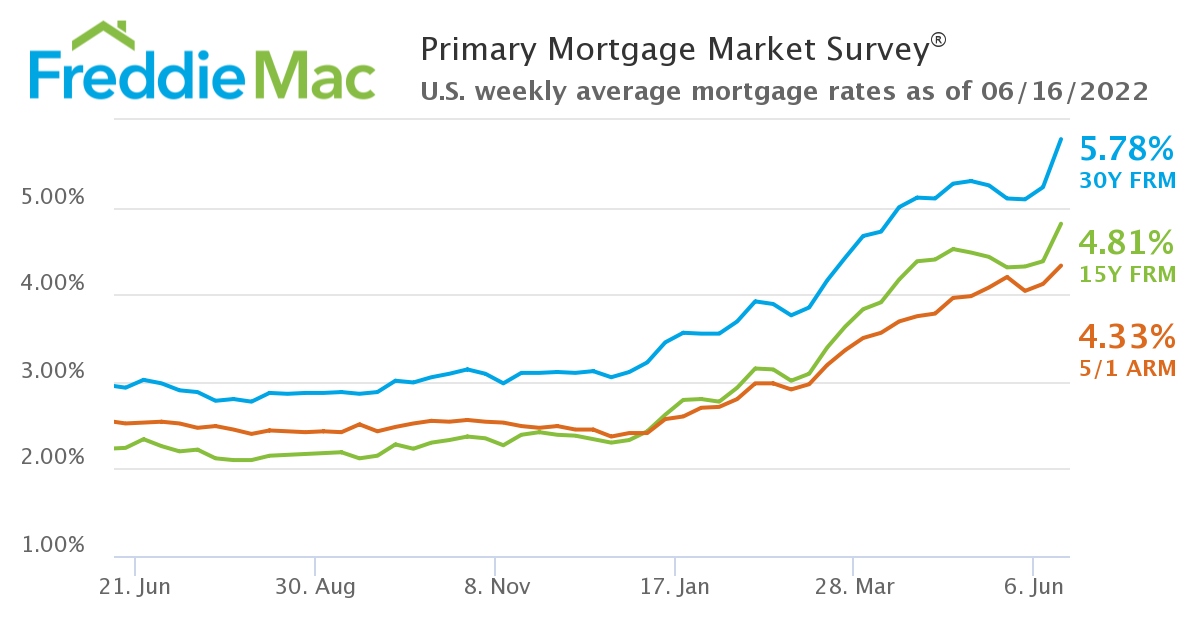
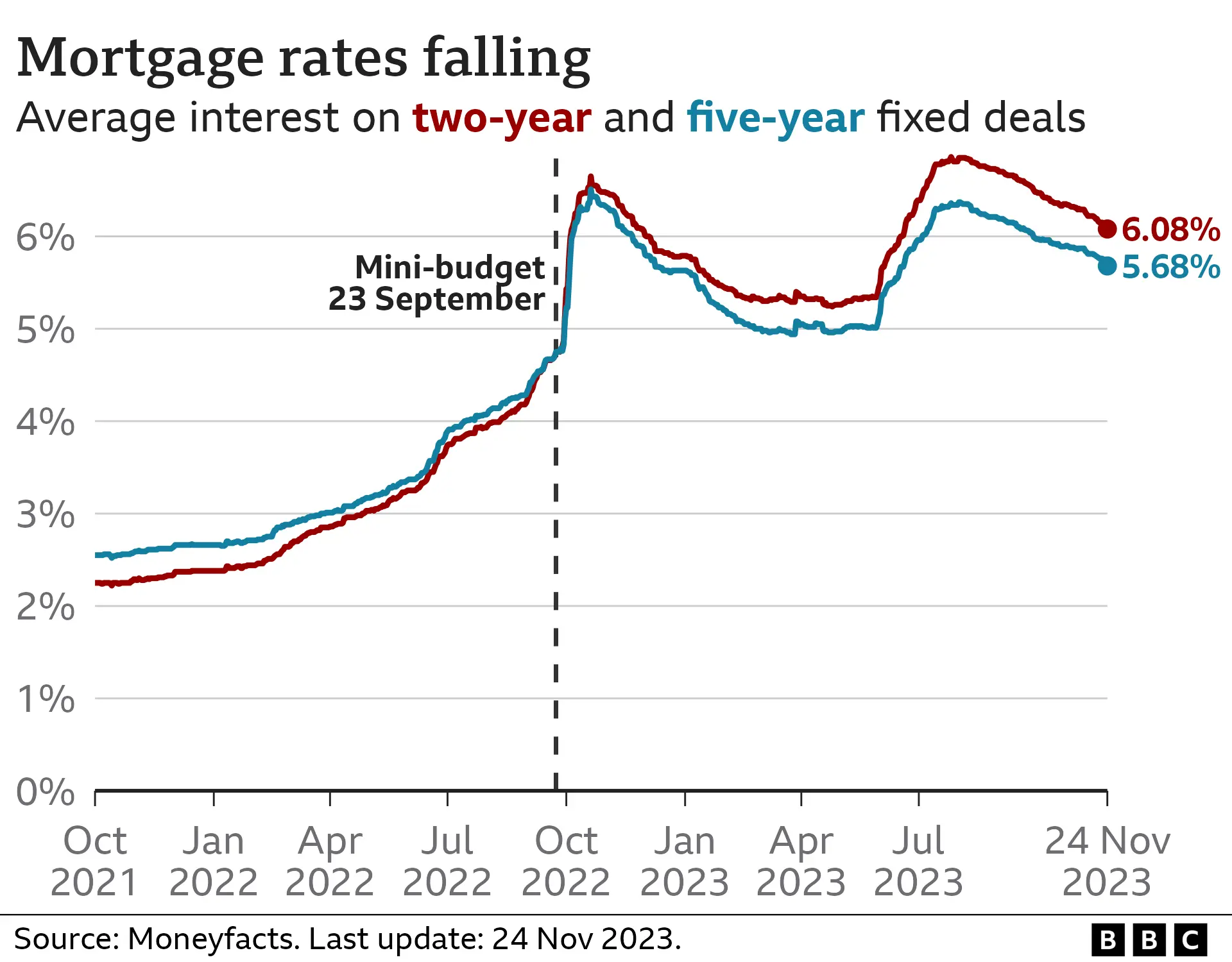
In the latter half of the past few years, we’ve seen mortgage rates climb to multi-decade highs, often breaching the 7% and even 8% mark for a 30-year fixed-rate mortgage. This surge significantly reduced affordability, especially for first-time homebuyers. More recently, rates have shown signs of plateauing, and even experienced modest retreats, as inflation has cooled from its peak and the Fed has signaled a pause in its hiking cycle. However, these declines have often been volatile, with rates fluctuating based on incoming economic data and Fed commentary. The market is constantly re-evaluating the likelihood and timing of rate cuts.
Forecasts from Leading Financial Institutions
Economists and financial strategists generally agree that rates are unlikely to return to the ultra-low levels seen during the pandemic anytime soon. However, there’s a growing consensus that they will eventually trend downwards, though the timing and magnitude remain subjects of debate.
- Modest Declines in the Near Term: Many major financial institutions predict a gradual decline in 30-year fixed mortgage rates, potentially settling into the high 5% to mid-6% range by the end of the current year or early next year. These forecasts hinge on continued disinflation and a healthy, albeit slowing, economy.
- Longer-Term Projections: Looking further out, some predict rates could stabilize in a “new normal” range of 4.5% to 5.5%, which is historically more typical than the sub-3% rates seen previously. This reflects an expectation that inflation will be contained but perhaps not entirely eradicated to pre-pandemic levels, and that the Fed will maintain a more restrictive stance than in the past decade.
- Divergent Views: It’s important to note that not all forecasts are uniform. Some more hawkish views suggest that persistent inflation or unexpected economic resilience could keep rates higher for longer, while more dovish perspectives anticipate steeper cuts if the economy shows signs of a more significant slowdown or recession.
Scenarios for Rate Decreases: Soft Landing vs. Recession
The path to lower mortgage rates is heavily dependent on the broader economic narrative, with two primary scenarios dominating discussions:
- Soft Landing: This is the most hoped-for scenario, where the Fed successfully tames inflation without triggering a severe economic downturn. In this scenario, disinflation continues gradually, unemployment remains relatively low, and the Fed can begin to slowly cut rates as inflationary pressures subside. Mortgage rates would ease in response, likely in a controlled and measured fashion.
- Recession: If the Fed’s aggressive tightening leads to a more pronounced economic contraction or recession, it could trigger more significant and rapid rate cuts. In such a scenario, the Fed would likely slash rates to stimulate economic activity, and mortgage rates would typically follow suit. However, this comes with the downside of economic hardship, job losses, and reduced consumer confidence, which could offset the benefits of lower borrowing costs for some.
Strategies for Homebuyers and Homeowners
Navigating the current rate environment requires strategic thinking and adaptability. Both prospective buyers and existing homeowners have options to consider.
For Prospective Buyers: Adapting to the “New Normal”
The days of rock-bottom mortgage rates may be behind us, at least for the foreseeable future. Buyers need to adjust their expectations and strategies.
- Re-evaluate Affordability: Higher rates mean less purchasing power. Buyers should recalibrate their budgets, perhaps looking at smaller homes, different neighborhoods, or extending their savings for a larger down payment.
- Rate Locks: If you’re pre-approved and close to finding a home, consider locking in an interest rate. Many lenders offer rate lock periods (e.g., 30, 60, or 90 days), providing certainty in a volatile market. Some even offer “float down” options if rates drop before closing.
- Adjustable-Rate Mortgages (ARMs): While riskier, ARMs initially offer lower interest rates than fixed-rate mortgages. They might be suitable for buyers who plan to sell or refinance within the initial fixed period (e.g., 5 or 7 years) before the rate adjusts. However, the potential for rates to rise after the fixed period is a significant risk.
- Buy Now, Refinance Later (BNRL): Many experts suggest buying a home now if it fits your budget and needs, with the intention to refinance when rates eventually go down. This strategy allows buyers to secure a home and build equity, rather than waiting indefinitely.
For Existing Homeowners: Strategic Considerations
Even if you’re not in the market to buy, fluctuating rates can impact your financial planning.
- Refinancing Opportunities: If you secured your mortgage at a much higher rate during the recent peak, closely monitor rate trends. When rates significantly drop, refinancing could reduce your monthly payments or shorten your loan term. Calculate the break-even point to ensure the savings outweigh the closing costs.
- Home Equity Lines of Credit (HELOCs) and Second Mortgages: These products often have variable rates tied to the prime rate, which moves with the federal funds rate. If the Fed cuts rates, your HELOC payments could decrease, but conversely, they could rise if the Fed surprises with hikes.
- Accelerating Principal Payments: For those with higher-rate mortgages, making extra principal payments can significantly reduce the total interest paid over the life of the loan, effectively lowering your overall borrowing cost and building equity faster.
The Long-Term Outlook and What to Watch For
While the immediate future remains somewhat uncertain, understanding the long-term trajectory and key indicators can help individuals make informed decisions.
Key Economic Indicators to Monitor
Keeping an eye on certain economic releases can offer clues about future rate movements:
- Inflation Reports (CPI, PCE): The Personal Consumption Expenditures (PCE) price index is the Fed’s preferred inflation gauge. Consistently lower readings would signal the Fed is winning its battle.
- Employment Data (Jobs Report, Unemployment Rate, Wage Growth): A cooling labor market (e.g., higher unemployment, slower wage growth) without a severe recession would give the Fed flexibility to ease.
- Retail Sales and Consumer Confidence: These indicate consumer spending health. A slowdown could necessitate rate cuts.
- Manufacturing and Services PMIs (Purchasing Managers’ Index): These provide insights into economic activity in key sectors.
Potential Triggers for Rate Reductions
Significant and sustained rate reductions are most likely to be triggered by:
- Clear Disinflation: Several consecutive months of inflation data consistently moving towards or below the Fed’s 2% target.
- Economic Weakness: A notable slowdown in GDP growth, a sustained rise in unemployment, or a full-blown recession.
- Shift in Fed Stance: Explicit signals from Federal Reserve officials indicating a pivot towards an easing cycle, possibly accompanied by an end to quantitative tightening.
The “New Normal” for Mortgage Rates
It’s increasingly clear that the era of ultra-low, sub-3% mortgage rates was an anomaly driven by extraordinary economic circumstances and aggressive monetary easing following the 2008 financial crisis and the COVID-19 pandemic. The “new normal” is likely to be an environment where mortgage rates hover in a range that is more historically aligned, perhaps between 4.5% and 6.5%. This shift requires a fundamental re-evaluation of housing affordability and investment strategies, moving away from the expectation of ever-decreasing borrowing costs.
In conclusion, the question of when mortgage interest rates will go down doesn’t have a simple, definitive answer. It’s an intricate dance between inflation, Federal Reserve policy, economic data, and global events. While a significant return to historically low rates seems unlikely in the near term, a gradual descent is widely anticipated as inflationary pressures ease. For individuals, the key is to stay informed, adapt financial strategies, and seek professional advice to navigate this dynamic and evolving landscape effectively. Patience and prudent planning will be essential for those looking to buy, sell, or refinance in the coming years.
aViewFromTheCave is a participant in the Amazon Services LLC Associates Program, an affiliate advertising program designed to provide a means for sites to earn advertising fees by advertising and linking to Amazon.com. Amazon, the Amazon logo, AmazonSupply, and the AmazonSupply logo are trademarks of Amazon.com, Inc. or its affiliates. As an Amazon Associate we earn affiliate commissions from qualifying purchases.