
The question of where interest rates are headed is not merely an academic exercise for economists; it is a profound query with tangible implications for every household, every business, and every investment portfolio globally. Interest rates, the cost of borrowing money or the return on saving it, are a fundamental pillar of modern economies. They dictate the pace of economic activity, influence inflation, shape investment decisions, and ultimately affect the financial well-being of billions. In recent years, we’ve witnessed a dramatic shift from an era of historically low rates to a period of rapid tightening, leaving many to wonder about the future trajectory of this critical financial lever. Understanding the forces at play, the potential scenarios, and the strategies to navigate this evolving landscape is paramount for financial resilience and prosperity.

The Economic Barometers Influencing Rate Decisions
Interest rates are not set in a vacuum; they are the result of complex interplay between economic indicators, central bank mandates, and global events. Understanding these barometers is crucial to anticipating future movements.
Inflation: The Primary Driver
For central banks worldwide, controlling inflation is often the paramount objective, particularly in economies with a price stability mandate. When inflation — the rate at which prices for goods and services are rising, and purchasing power is falling — surges unexpectedly, central banks typically respond by raising interest rates. Higher rates make borrowing more expensive, which cools demand, slows economic activity, and, in theory, brings inflation back down to target levels (often around 2%). Conversely, if inflation falls below target, central banks might lower rates to stimulate spending and investment. The recent surge in global inflation, fueled by supply chain disruptions, energy price shocks, and robust post-pandemic demand, has been the primary catalyst for the aggressive rate hikes witnessed over the past few years. The persistence of core inflation (excluding volatile food and energy prices) remains a key concern for policymakers, influencing the “higher for longer” narrative.
Economic Growth and Employment Data
Beyond inflation, the health of the economy, as measured by indicators such as Gross Domestic Product (GDP) growth and employment figures, plays a significant role. A robust economy with strong job creation and healthy consumer spending might give central banks the confidence to raise rates without fear of triggering a recession. This is because a strong economy can absorb higher borrowing costs. Conversely, signs of an economic slowdown or rising unemployment could prompt central banks to pause rate hikes or even consider cuts to stimulate activity. The delicate balancing act for central bankers is to tame inflation without stifling growth to the point of causing a recession — a scenario often referred to as a “soft landing.”
Central Bank Policies and Forward Guidance
Institutions like the U.S. Federal Reserve, the European Central Bank (ECB), and the Bank of England (BoE) wield immense power over interest rates. Their monetary policy decisions, communicated through official statements, press conferences, and meeting minutes, provide critical insights into their future intentions. “Forward guidance,” where central banks signal their likely future policy path, is a powerful tool to manage market expectations. Factors like the Federal Funds Rate in the U.S., the ECB’s main refinancing operations rate, or the BoE’s Bank Rate are benchmark rates that influence a cascade of other interest rates throughout the economy. Understanding the nuances of their mandates, their voting members’ leanings (hawkish vs. dovish), and their projected economic outlook is key to discerning potential rate movements.
Geopolitical Factors and Global Economic Trends
In an increasingly interconnected world, geopolitical events and global economic trends can significantly impact domestic interest rate decisions. Wars, trade disputes, energy crises, or even pandemics can disrupt supply chains, influence commodity prices, shift investor sentiment, and create inflationary or deflationary pressures. For example, a surge in global oil prices due to geopolitical tensions can fuel domestic inflation, pushing central banks towards rate hikes. Similarly, a slowdown in major trading partners’ economies could dampen domestic growth prospects, influencing a more cautious approach to monetary tightening. These external factors introduce an element of unpredictability, making interest rate forecasting a complex challenge.
Navigating the Ripple Effect: Impact Across Financial Landscapes
Changes in interest rates send ripples across virtually every facet of the financial world, affecting borrowers, savers, investors, and businesses in profound ways.
For Borrowers: Mortgages, Loans, and Credit
Rising interest rates typically mean higher borrowing costs. For homeowners with variable-rate mortgages, this translates directly into increased monthly payments. Those looking to purchase a home face higher mortgage rates, which reduces affordability and can cool the housing market. Similarly, personal loans, auto loans, and credit card interest rates tend to climb, making debt more expensive for consumers. Businesses also face higher costs for new loans or refinancing existing debt, which can impact their investment plans, expansion projects, and ultimately, profitability. Conversely, falling rates can provide relief for borrowers, reducing debt service costs and stimulating new borrowing.
For Investors: Stocks, Bonds, and Real Estate
The investment landscape is significantly reshaped by interest rate movements. Bond prices typically move inversely to interest rates; when rates rise, new bonds are issued with higher yields, making existing lower-yield bonds less attractive and thus decreasing their market value. Higher interest rates can also make it more expensive for companies to borrow, impacting their earnings and potentially leading to lower stock valuations. Growth stocks, in particular, can be sensitive to higher rates as their future earnings are discounted more heavily. The real estate market, as mentioned, is directly affected by mortgage rates, impacting demand, property values, and investment returns. Investors are forced to re-evaluate their asset allocations, seeking opportunities in sectors that might be more resilient or even benefit from the new rate environment.
For Savers: Re-evaluating Deposits and Fixed Income
While higher rates present challenges for borrowers, they offer a silver lining for savers. Savings accounts, money market accounts, and Certificates of Deposit (CDs) begin to offer more attractive returns, finally providing a meaningful yield after years of near-zero rates. This incentivizes saving and provides a safer avenue for capital preservation. For those relying on fixed income for retirement, higher rates on newly issued bonds and other fixed-income instruments can improve income streams. This shift rebalances the risk-reward equation, making conservative investments more appealing relative to riskier assets.
Forecasting the Future: Scenarios and Expert Outlooks
Predicting the precise path of interest rates is notoriously difficult, given the multitude of variables involved. However, various scenarios and expert outlooks offer a framework for understanding potential trajectories.
The “Higher for Longer” Scenario
This outlook suggests that interest rates will remain elevated for an extended period, perhaps longer than many initially anticipated. This scenario is often predicated on the belief that inflation will prove more stubborn than expected, perhaps due to persistent supply-side issues, strong wage growth, or geopolitical factors. In this environment, central banks would be compelled to maintain restrictive monetary policies to ensure inflation is firmly brought under control. The implications include sustained pressure on borrowers, a potentially prolonged period of slower economic growth, and continued scrutiny on corporate earnings and valuations. This scenario would require individuals and businesses to adapt to a new normal of higher borrowing costs.
The Easing Path: Rate Cuts on the Horizon?
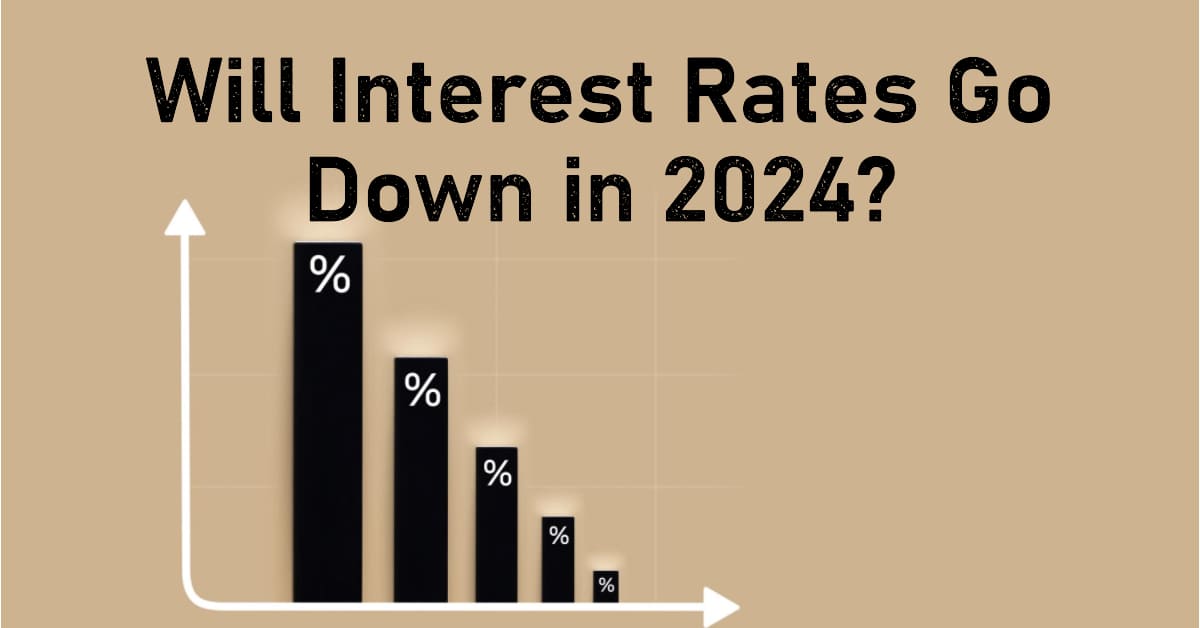
Conversely, some anticipate that central banks will begin to cut rates in the near future. This scenario typically hinges on the expectation that inflation is now firmly on a downward trajectory and/or that the economy is showing significant signs of slowing down, potentially heading into a recession. Central banks might opt for preemptive cuts to avoid a severe economic downturn or to provide stimulus once their inflation targets are within reach. The timing and pace of these cuts are heavily debated, with market participants often pricing in earlier and more aggressive cuts than central bankers themselves signal. Should rate cuts materialize, it would likely provide a boost to the housing market, risk assets like stocks, and reduce the cost of debt for both consumers and businesses.
Volatility and Unpredictability: A Constant Companion
A critical takeaway is that the future of interest rates is almost certainly characterized by volatility and unpredictability. Economic data can be noisy, geopolitical events can emerge unexpectedly, and central bank communications can be misinterpreted. Different economists and financial institutions often present divergent forecasts, reflecting varying models, assumptions, and interpretations of current data. This inherent uncertainty underscores the need for flexibility and adaptability in financial planning rather than relying on a single, fixed prediction. Unexpected shocks, whether positive or negative, can quickly shift the consensus and alter the path of monetary policy.
Strategies for Financial Resilience in a Shifting Rate Environment
Given the dynamic nature of interest rates, proactive financial planning and strategic adjustments are essential for both individuals and businesses.
Personal Finance: Adapt and Optimize
For individuals, navigating a shifting rate environment involves several key strategies. Firstly, actively manage debt: prioritize paying down high-interest debt, especially credit card balances. Consider refinancing variable-rate loans into fixed-rate options if rates are expected to rise further. Secondly, build or bolster emergency funds, which can benefit from higher yields on savings accounts while providing a crucial buffer against unexpected expenses. Thirdly, review and diversify investment portfolios. Consider assets that perform well in different rate environments, such as value stocks, dividend-paying stocks, or short-duration bonds if rates are expected to stay high. For those nearing retirement, re-evaluating risk tolerance and allocation to income-generating assets becomes even more critical.
Business Finance: Prudent Planning and Risk Management
Businesses, particularly those with significant debt or large capital expenditure plans, must also adapt. Managing cash flow becomes paramount to weathering higher borrowing costs. Companies should review their debt structures, potentially locking in fixed rates for long-term borrowings or exploring interest rate hedges to mitigate future rate volatility. Strategic investment decisions should factor in the cost of capital, potentially favoring projects with quicker returns or higher certainty. Small businesses may also need to adjust pricing strategies to absorb increased operational costs. Moreover, maintaining strong balance sheets and access to diverse funding sources can provide resilience in an uncertain rate environment.

The Importance of Informed Decision-Making
Ultimately, the most effective strategy in a world of uncertain interest rates is informed decision-making. This involves staying abreast of economic news, understanding central bank communications, and seeking professional financial advice. Financial advisors can help individuals and businesses assess their specific circumstances, model different scenarios, and develop tailored strategies that align with their financial goals and risk tolerance. Rather than reacting impulsively to every piece of news, a well-thought-out plan, regularly reviewed and adjusted, is the strongest defense against financial turbulence and the best pathway to capitalizing on opportunities that arise.
The journey of interest rates remains one of the most closely watched and debated topics in global finance. While the exact destination remains shrouded in complexity, the economic indicators, central bank intentions, and global forces offer clues to their potential direction. For individuals and businesses alike, the imperative is clear: understand the implications, adapt financial strategies, and remain agile. Only through informed decision-making and robust planning can one effectively navigate the currents of a dynamic interest rate environment and secure a stronger financial future.
aViewFromTheCave is a participant in the Amazon Services LLC Associates Program, an affiliate advertising program designed to provide a means for sites to earn advertising fees by advertising and linking to Amazon.com. Amazon, the Amazon logo, AmazonSupply, and the AmazonSupply logo are trademarks of Amazon.com, Inc. or its affiliates. As an Amazon Associate we earn affiliate commissions from qualifying purchases.