
In the intricate world of finance, few concepts hold as much sway over economic activity, individual prosperity, and business growth as the lending rate. Often discussed in news headlines, whispered in boardroom meetings, and agonized over by prospective homeowners, the lending rate is more than just a number; it is the price of money itself. Understanding this fundamental mechanism is crucial for anyone navigating the financial landscape, whether you’re an individual seeking a loan, a business planning expansion, or an investor tracking market trends. It dictates the cost of borrowing and, consequently, the potential returns on investment, making it a pivotal determinant of economic health and personal financial well-being.
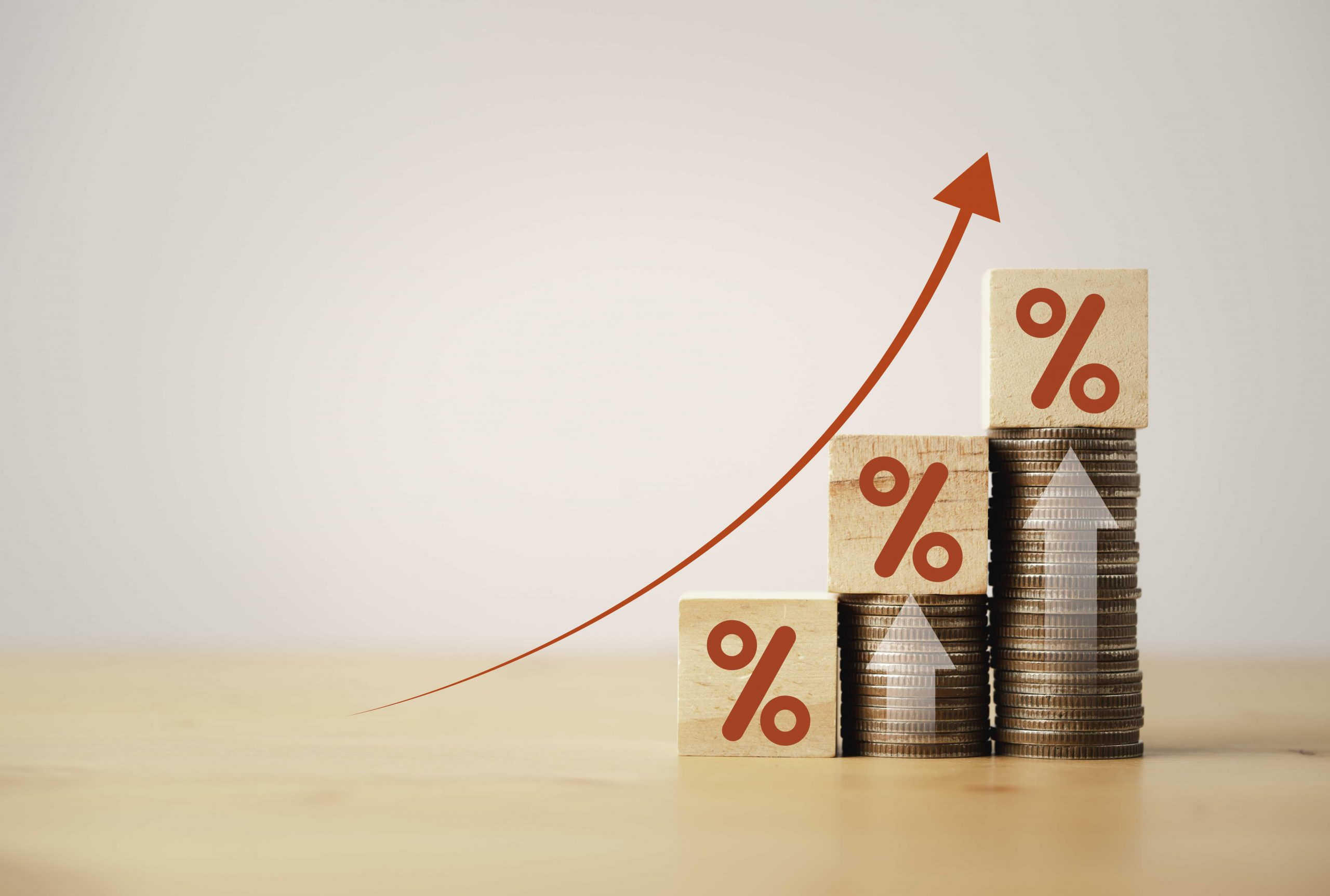
At its core, the lending rate represents the interest rate at which financial institutions — banks, credit unions, and other lenders — lend money to borrowers. This rate compensates the lender for the risk of not getting their money back, the opportunity cost of lending money (what they could have earned elsewhere), and the erosion of money’s value due to inflation over time. It is a dynamic figure, constantly shifting in response to a myriad of economic forces, central bank policies, and market dynamics. Deciphering its nuances is not merely an academic exercise; it’s a practical necessity for making informed financial decisions.
This article will delve into the multifaceted nature of lending rates, dissecting their definition, exploring various types, identifying the key factors that influence their fluctuations, and examining their profound impact on consumers, businesses, and the broader economy. By the end, readers will possess a comprehensive understanding of what lending rates are, how they function, and why they matter so profoundly in both micro and macroeconomic contexts.
Understanding the Lending Rate: A Fundamental Concept
To truly grasp the significance of lending rates, one must first establish a clear understanding of what they entail and how they operate within the financial system. It’s the bedrock upon which credit-based economies are built, facilitating transactions and investments that drive progress.
Defining the Lending Rate
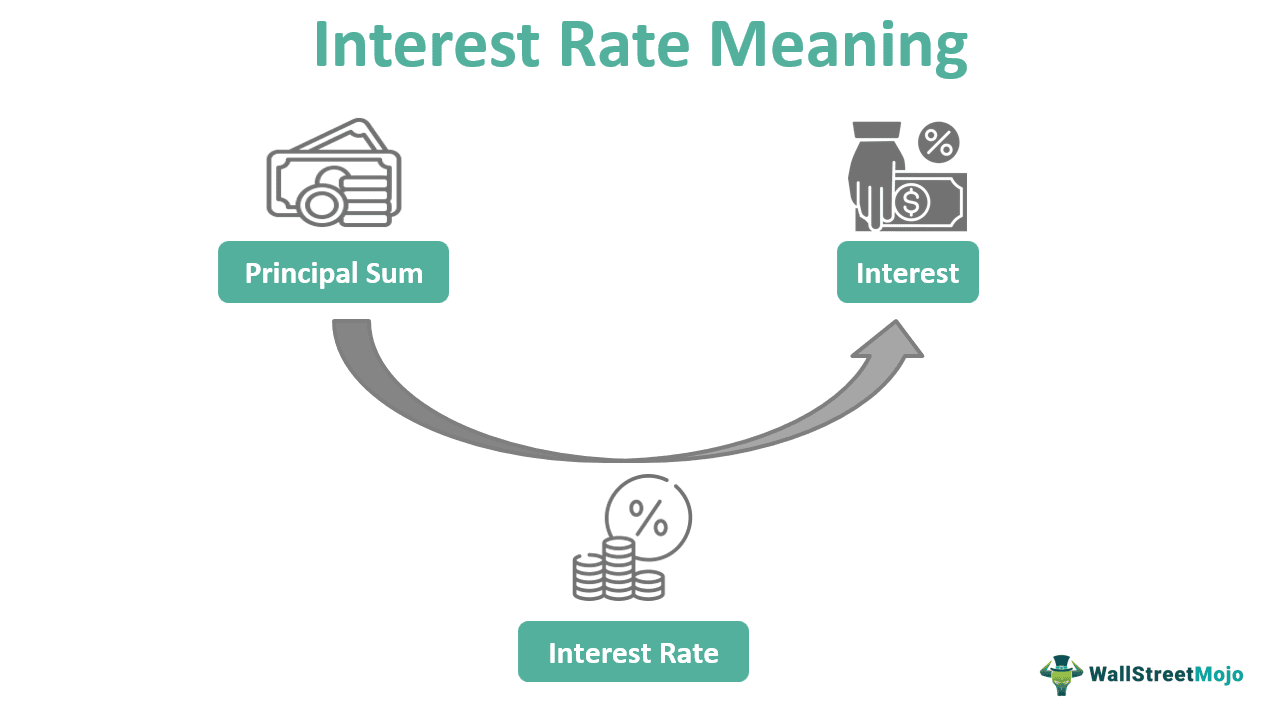
The lending rate, simply put, is the cost of borrowing money, expressed as a percentage of the principal amount borrowed, typically on an annual basis. It’s the fee a borrower pays to a lender for the use of their capital. This rate is critical because it directly determines the total amount of interest a borrower will pay over the life of a loan. For lenders, it’s the primary source of revenue, compensating them for the service of providing capital. The term “interest rate” is often used interchangeably with “lending rate,” especially in common parlance, as it is the interest that constitutes the cost of borrowing. This rate is not arbitrary; it’s meticulously calculated to cover various costs and risks.
How Lending Rates Work
When a financial institution lends money, it’s effectively selling the future use of that capital. The lending rate acts as the price tag for this future use. The mechanics involve a principal amount (the original sum borrowed), an interest rate (the lending rate), and a repayment schedule. Over the loan term, the borrower repays the principal along with the accumulated interest. The higher the lending rate, the more expensive it is to borrow, and vice versa. This rate can be fixed, meaning it remains constant throughout the loan’s life, or variable, meaning it can fluctuate based on market benchmarks. Lenders assess a borrower’s creditworthiness, the loan type, and prevailing market conditions to set an appropriate rate.
The Role of Interest in Lending
Interest is the lifeblood of the lending process. It serves multiple crucial roles. Firstly, it compensates the lender for the time value of money, acknowledging that money today is worth more than the same amount in the future due to inflation and potential earning capacity. Secondly, it covers the risk of default, meaning the possibility that the borrower might not repay the loan. Lenders factor in the credit risk associated with each borrower; higher risk typically translates to a higher interest rate. Thirdly, interest covers the lender’s operational costs associated with processing and managing loans. Finally, it provides a profit margin for the financial institution, which is essential for its sustainability and ability to continue providing capital to the economy. Without interest, there would be little incentive for entities to lend money, severely hampering economic activity.
Key Types of Lending Rates
The financial landscape is dotted with various lending rates, each serving a distinct purpose and impacting different segments of the economy. Understanding these specific rates helps in comprehending the broader picture of financial markets.
Fixed vs. Variable Rates
This is a fundamental distinction in lending. A fixed rate remains constant for the entire duration of the loan. This offers borrowers predictability in their monthly payments, shielding them from market fluctuations. Common examples include traditional fixed-rate mortgages. A variable rate (or adjustable rate), conversely, can change over the loan’s life, typically tied to a benchmark index (like the prime rate or SOFR) plus a margin. While variable rates can initially be lower, they carry the risk of increasing payments if the benchmark rate rises. This type is often seen in adjustable-rate mortgages (ARMs), credit lines, and some personal loans.
Prime Rate
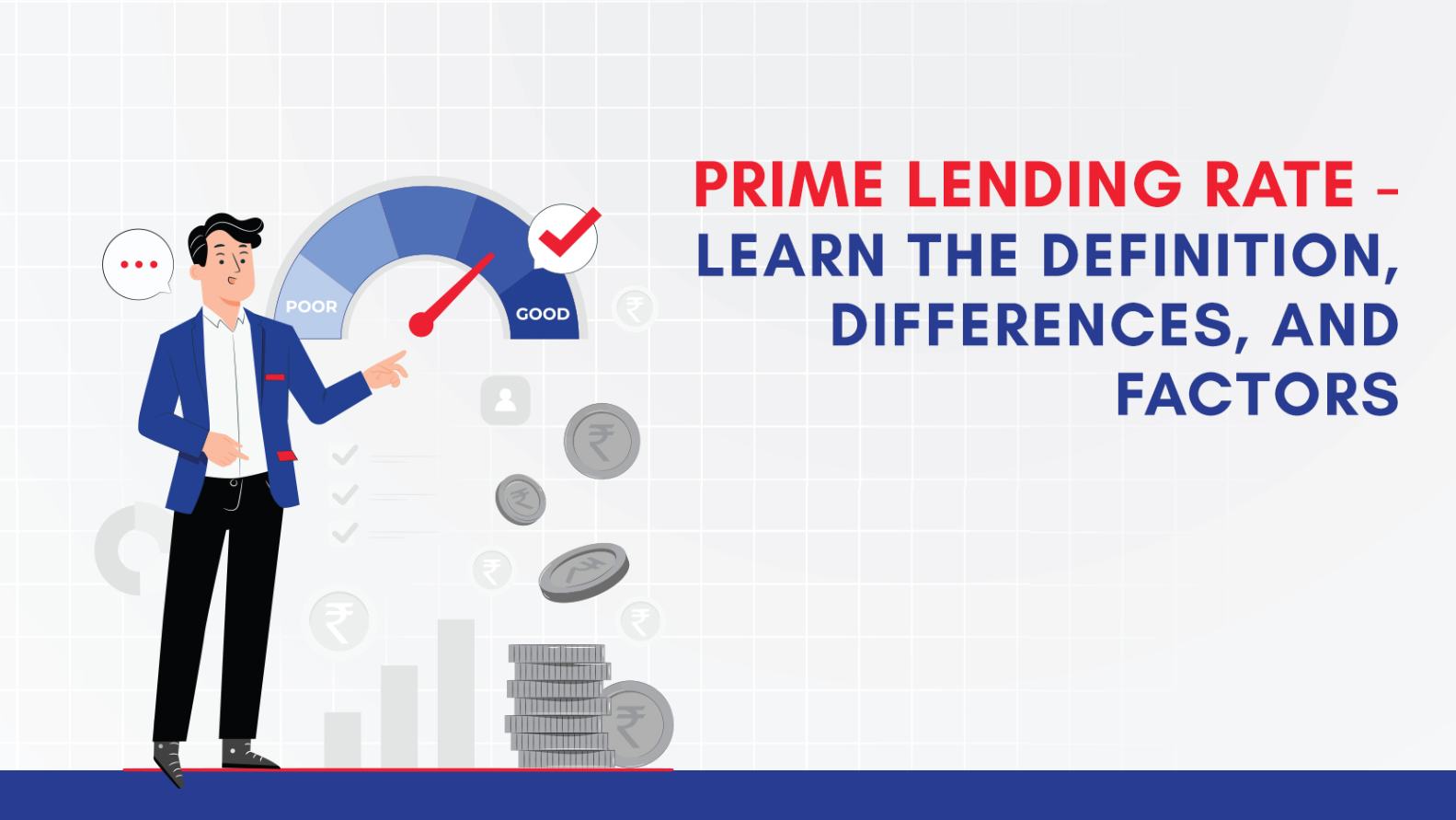
The prime rate is a benchmark interest rate used by commercial banks in the U.S. and other countries as a base for pricing many variable-rate loans. It is the interest rate banks charge their most creditworthy corporate customers. Other borrowers, especially individuals, are typically charged a rate based on the prime rate plus a certain margin, depending on their creditworthiness and the type of loan. The prime rate is heavily influenced by the federal funds rate set by the U.S. Federal Reserve.
Federal Funds Rate and Other Central Bank Rates
The federal funds rate is perhaps the most influential interest rate in the U.S. economy. It’s the target rate set by the Federal Reserve for overnight lending between banks. While not a direct consumer rate, its adjustments ripple through the entire financial system, impacting the prime rate, mortgage rates, and other consumer and business lending rates. Other central banks globally (e.g., European Central Bank’s refinancing rate, Bank of England’s base rate) play a similar role in their respective economies, using these benchmark rates as primary tools for monetary policy.
Interbank Rates (e.g., LIBOR/SOFR)
Interbank lending rates are what banks charge each other for short-term loans. Historically, the London Interbank Offered Rate (LIBOR) was a widely used global benchmark for various financial products, including derivatives, bonds, and some mortgages. However, due to manipulation scandals and a lack of underlying transaction data, LIBOR is being phased out and replaced by alternative reference rates, most notably the Secured Overnight Financing Rate (SOFR) in the U.S. SOFR is based on actual transactions in the U.S. Treasury repurchase agreement market, making it more robust and transparent. These rates are critical for the smooth functioning of wholesale financial markets.
Consumer Lending Rates
These are the rates directly faced by individuals.
- Mortgage Rates: The interest rates on home loans, typically the largest debt most individuals undertake. They can be fixed or variable and are influenced by bond markets, inflation, and central bank policy.
- Auto Loan Rates: Interest charged on car loans, influenced by credit scores, loan term, and market rates.
- Personal Loan Rates: Unsecured loans often used for debt consolidation or specific purchases, with rates varying significantly based on creditworthiness.
- Credit Card Rates (APRs): Annual Percentage Rates on credit cards, notorious for being among the highest lending rates due to their unsecured nature and revolving credit lines.
Business Lending Rates
Businesses also face various lending rates depending on their size, credit profile, and purpose of the loan. These include:
- Commercial Loan Rates: For working capital, equipment purchases, or real estate, often tied to the prime rate or SOFR.
- Lines of Credit Rates: Flexible borrowing options for businesses, typically variable.
- Small Business Administration (SBA) Loan Rates: Government-backed loans with more favorable terms for small businesses.
Factors Influencing Lending Rates
Lending rates are not static; they are highly responsive to a complex interplay of economic forces and policy decisions. Understanding these drivers is key to anticipating their movements.
Central Bank Monetary Policy
The actions of central banks, such as the U.S. Federal Reserve, are arguably the most significant determinant of lending rates. By adjusting their target policy rate (e.g., the federal funds rate), central banks can influence the cost of money throughout the economy. When a central bank raises its policy rate, it makes borrowing more expensive for banks, which then pass on these higher costs to consumers and businesses. Conversely, lowering the rate aims to stimulate borrowing and economic activity. Tools like quantitative easing or tightening also impact the supply of money and, consequently, its price.
Inflation Expectations
Inflation, the rate at which the general level of prices for goods and services is rising, significantly impacts lending rates. Lenders need to ensure that the interest they earn on a loan outpaces or at least keeps pace with inflation to preserve the real value of their money. If inflation is expected to rise, lenders will demand higher nominal interest rates to compensate for the erosion of purchasing power over time. Central banks also consider inflation when setting policy rates, often raising rates to combat rising inflation.
Economic Growth and Stability
The overall health of the economy plays a crucial role. During periods of robust economic growth, demand for credit typically increases as businesses expand and consumers spend more. This higher demand can push lending rates up. Conversely, during economic downturns or recessions, demand for credit may fall, and central banks might lower rates to encourage borrowing and stimulate recovery. Economic stability also affects risk perception; in unstable times, lenders may demand higher rates to compensate for increased uncertainty.
Creditworthiness of the Borrower
For individual loans and business loans alike, the borrower’s creditworthiness is a primary factor. Lenders assess the likelihood of a borrower defaulting on their payments. This assessment typically involves reviewing credit scores (for individuals), financial statements (for businesses), debt-to-income ratios, and payment history. Borrowers with excellent credit histories and strong financial health are considered lower risk and generally qualify for lower lending rates, while those with poorer credit will face higher rates to compensate the lender for the increased risk of default.
Loan Term and Type
The duration of a loan often influences its rate. Longer-term loans typically carry higher interest rates than short-term loans, partly due to the increased uncertainty over a longer period and the greater risk of inflation eroding the value of future repayments. The type of loan also matters: unsecured loans (like credit cards or personal loans without collateral) generally have higher rates than secured loans (like mortgages or auto loans) because the lender has no asset to seize if the borrower defaults.
Market Competition and Liquidity
The competitive landscape among lenders can also influence rates. In a highly competitive market with many lenders vying for borrowers, rates may be driven down as institutions compete for market share. Conversely, in less competitive environments, lenders might have more leeway to keep rates higher. Market liquidity, which refers to the ease with which assets can be bought or sold without affecting their price, also plays a role. When there is ample liquidity in the financial system, lenders may be more willing to lend at lower rates.
The Far-Reaching Impact of Lending Rates
The movement of lending rates sends ripples throughout the economy, affecting almost every aspect of financial life, from household budgets to international trade.
Impact on Consumers
For the average consumer, lending rates directly influence the affordability of major purchases and debt management.
- Housing: Mortgage rates dictate monthly payments, affecting home affordability and the overall real estate market. Lower rates can stimulate housing demand, while higher rates can cool it.
- Auto Loans & Personal Loans: Higher rates make it more expensive to finance vehicles or personal needs, potentially delaying purchases or increasing financial strain.
- Credit Card Debt: With variable rates often tied to the prime rate, increases in the federal funds rate directly translate to higher interest payments on credit card balances, making debt repayment more challenging.
- Savings: While higher lending rates make borrowing more expensive, they can also lead to higher interest rates on savings accounts and certificates of deposit (CDs), benefiting savers.
Impact on Businesses and Investment
Businesses rely heavily on borrowed capital for operations, expansion, and innovation.
- Cost of Capital: Higher lending rates increase the cost of capital for businesses, making it more expensive to finance new projects, acquire equipment, or expand operations. This can lead to reduced investment and slower growth.
- Profitability: Businesses with existing variable-rate loans will see their interest expenses rise with increasing rates, impacting their bottom line.
- Investment Decisions: Companies may postpone or cancel investment projects if the cost of borrowing makes them less profitable or even unfeasible. This can stifle job creation and economic progress.
- Stock Market: Higher lending rates can make bonds more attractive relative to stocks, as fixed-income securities offer better returns. They can also signal tighter economic conditions, potentially leading to lower corporate earnings and a downward pressure on stock prices.
Impact on the Broader Economy (Inflation, Employment)
Lending rates are a primary tool for central banks to manage the macroeconomy.
- Inflation Control: By raising rates, central banks aim to reduce borrowing and spending, thereby cooling down an overheating economy and combating inflation. Conversely, lowering rates aims to stimulate spending and ward off deflation.
- Employment: When rates are high, businesses may cut back on investment and expansion, which can lead to slower job growth or even job losses. Lower rates encourage business activity and can boost employment.
- Currency Value: Higher domestic lending rates can attract foreign investment seeking better returns, increasing demand for the local currency and strengthening its exchange rate. Lower rates can have the opposite effect.
Global Economic Interconnections
In an interconnected global economy, lending rates in one major country can have spillover effects elsewhere. For instance, a significant rate hike by the U.S. Federal Reserve can draw capital away from emerging markets, putting pressure on their currencies and economies. It can also increase the cost of dollar-denominated debt for foreign entities. Global trade, investment flows, and financial stability are all influenced by the synchronized or divergent movements of key lending rates across the world.
Navigating Lending Rates: Strategies for Borrowers and Lenders
Given their pervasive influence, both borrowers and lenders must adopt strategic approaches to navigate the dynamic environment of lending rates effectively.
For Borrowers: Smart Borrowing Practices
Understanding lending rates empowers borrowers to make more informed and financially advantageous decisions.
- Monitor Market Trends: Keep an eye on economic news, central bank announcements, and forecasts for interest rate movements. This can help time major borrowing decisions, such as securing a mortgage when rates are favorable.
- Improve Creditworthiness: A strong credit score is your best friend when seeking loans. Regularly check your credit report for errors, pay bills on time, and keep credit utilization low to secure the most competitive rates.
- Shop Around: Don’t settle for the first offer. Compare rates from multiple lenders for mortgages, auto loans, and personal loans. Even a seemingly small difference in the interest rate can save thousands over the life of a loan.
- Understand Loan Terms: Carefully read and understand all terms and conditions, not just the interest rate. Be aware of fees, penalties, and whether the rate is fixed or variable, especially for long-term commitments.
- Refinancing Opportunities: If rates drop significantly after you’ve taken out a loan, explore refinancing options to secure a lower interest rate and reduce your monthly payments or total interest paid.
For Lenders: Risk Assessment and Profitability
For financial institutions, effective management of lending rates is crucial for profitability and risk mitigation.
- Robust Risk Management: Implement sophisticated models for assessing borrower credit risk, market risk, and interest rate risk. This ensures that rates charged adequately compensate for the level of risk undertaken.
- Competitive Pricing: Balance the need for profitability with the imperative to remain competitive. Offering attractive rates to creditworthy borrowers can help secure market share, while still ensuring a healthy margin.
- Asset-Liability Management: Banks must manage the mismatch between the interest rate sensitivity of their assets (loans) and liabilities (deposits). This involves strategies to hedge against interest rate fluctuations and maintain stable net interest margins.
- Regulatory Compliance: Adhere strictly to all financial regulations governing lending practices, rate disclosures, and fair lending principles to avoid penalties and maintain public trust.
- Diversification: Diversify loan portfolios across different types of borrowers, industries, and loan products to mitigate concentration risk and enhance overall stability.
The Importance of Monitoring Economic Indicators
For both sides of the lending equation, continuous monitoring of economic indicators is paramount. Inflation data, employment figures, GDP growth, central bank speeches, and global financial market movements all provide clues about the future direction of lending rates. Being proactive rather than reactive to these signals allows for better financial planning, whether it’s locking in a low fixed rate for a mortgage or adjusting a bank’s loan portfolio strategy.
In conclusion, the lending rate is a cornerstone of modern economies, a dynamic price that reflects the complex interplay of risk, time, and supply and demand for capital. Its movements dictate economic cycles, shape personal financial landscapes, and determine the viability of business ventures. A deep understanding of “what is the lending rate” is not just for economists or bankers; it’s a vital piece of knowledge for anyone seeking to make prudent financial decisions and thrive in an ever-evolving economic environment.
aViewFromTheCave is a participant in the Amazon Services LLC Associates Program, an affiliate advertising program designed to provide a means for sites to earn advertising fees by advertising and linking to Amazon.com. Amazon, the Amazon logo, AmazonSupply, and the AmazonSupply logo are trademarks of Amazon.com, Inc. or its affiliates. As an Amazon Associate we earn affiliate commissions from qualifying purchases.