
Navigating the landscape of homeownership often begins with a fundamental question: what is the current interest rate on home loans? This seemingly straightforward query opens the door to a complex interplay of economic forces, personal financial health, and strategic decision-making. Interest rates are not static figures; they are dynamic, influenced by global economics, central bank policies, and the competitive nature of the lending market. For aspiring homeowners and those looking to refinance, understanding these rates is not just about a percentage point; it’s about grasping the long-term financial implications of one of life’s most significant investments. This article delves into the intricate mechanisms that determine mortgage rates, offering insights into how current conditions might affect your homeownership journey and what strategies you can employ to secure the best possible terms.

Understanding the Dynamics of Home Loan Interest Rates
The “current” interest rate on a home loan is a snapshot in time, a reflection of numerous macro- and microeconomic factors converging. These rates are a critical determinant of your monthly mortgage payment and the total cost of your home over its lifetime. Their ebb and flow are influenced by a complex web of national and international economic indicators, making them a constantly moving target.
The Federal Reserve’s Role and Monetary Policy
At the epicenter of interest rate fluctuations in many economies is the central bank, such as the Federal Reserve in the United States. While the Fed does not directly set mortgage rates, its monetary policy decisions significantly influence them. The Fed’s primary tool is the federal funds rate, an overnight lending rate between banks. When the Fed raises this rate, it signals a tightening of monetary policy, typically to combat inflation. This often leads to higher borrowing costs across the board, including for mortgages. Conversely, a reduction in the federal funds rate aims to stimulate economic activity, generally resulting in lower interest rates. Investors and lenders closely watch the Fed’s announcements and projections, adjusting their rates in anticipation of future moves. This forward-looking behavior means that mortgage rates can shift even before an official Fed action.
Inflation, Economic Growth, and Market Sentiment
Beyond the central bank, broader economic conditions play a pivotal role. Inflation, the rate at which prices for goods and services are rising, is a primary concern for lenders. If inflation is high, the money repaid in the future will have less purchasing power, eroding the value of the loan. To compensate for this potential loss, lenders demand higher interest rates. Conversely, a stable or low inflationary environment can allow for more competitive rates. Economic growth, as measured by indicators like GDP, employment rates, and consumer spending, also impacts rates. A robust economy often implies stronger demand for housing and borrowing, which can put upward pressure on rates. Conversely, economic slowdowns may lead to lower rates as lenders compete for fewer borrowers. Market sentiment, an often intangible factor reflecting investor confidence and expectations, can also cause short-term rate volatility. Geopolitical events, shifts in trade policies, or even significant natural disasters can sway market sentiment, leading to rapid rate adjustments.
The Bond Market and Mortgage-Backed Securities
Perhaps one of the most direct influences on mortgage rates comes from the bond market, specifically the yield on U.S. Treasury bonds, particularly the 10-year Treasury note. Mortgage rates tend to move in tandem with these bond yields. This is because mortgage lenders often bundle home loans into mortgage-backed securities (MBS), which are then sold to investors on the bond market. The yield investors demand for these MBS directly impacts the rates lenders can offer. If investors demand higher returns on bonds (i.e., yields go up), mortgage rates will likely follow suit. This correlation is a crucial link, explaining why daily fluctuations in the bond market can translate almost immediately into changes in the rates offered by mortgage lenders. Understanding this connection helps to demystify why a seemingly distant bond market can have such a profound impact on your ability to buy a home.
Key Factors Influencing Your Individual Rate
While macroeconomic forces set the general range for home loan interest rates, the specific rate you qualify for is highly personalized. Lenders assess a variety of individual financial factors to determine your creditworthiness and the perceived risk of lending to you. These elements are critical in shaping the final interest rate you’ll be offered, often dictating whether you land at the lower or higher end of the prevailing market rates.
Your Credit Score and Financial History
Your credit score, primarily FICO or VantageScore, is arguably the single most important determinant of your individual mortgage rate. This three-digit number provides a snapshot of your financial reliability, based on your payment history, amounts owed, length of credit history, new credit, and credit mix. Lenders use it to gauge the likelihood of you repaying your loan. Borrowers with excellent credit scores (typically 760 and above) are seen as lower risk and generally qualify for the most favorable interest rates. Conversely, lower credit scores signal higher risk, leading to higher interest rates to compensate the lender for that perceived risk. A comprehensive financial history, including stable employment, a track record of responsible borrowing, and minimal late payments, further reinforces a lender’s confidence, potentially securing better terms.
Loan-to-Value (LTV) Ratio and Down Payment
The Loan-to-Value (LTV) ratio is another critical factor. It’s calculated by dividing the loan amount by the appraised value of the home. A lower LTV, meaning you’re borrowing less relative to the home’s value, is generally preferred by lenders because it indicates less risk. This translates directly to your down payment. A larger down payment reduces your LTV, signaling to the lender that you have significant equity in the property from day one. A substantial down payment (e.g., 20% or more) can lead to lower interest rates and often helps avoid private mortgage insurance (PMI), an additional cost that adds to your monthly payment. Conversely, a smaller down payment increases the LTV and, consequently, the perceived risk, which can result in a higher interest rate.
Loan Type (Fixed vs. Adjustable) and Term Length
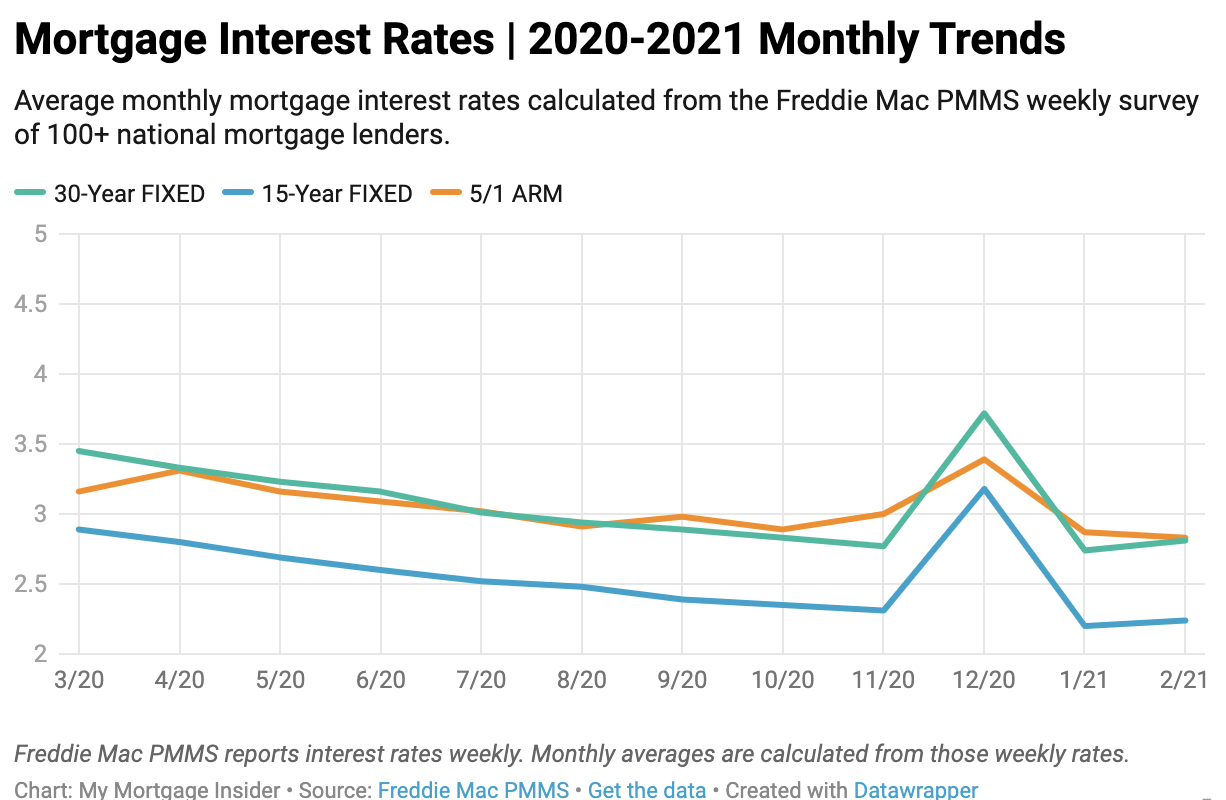
The choice of loan type and term length also profoundly impacts your interest rate. Fixed-rate mortgages, which maintain the same interest rate for the entire loan term, offer predictability and stability. Because lenders bear the interest rate risk over a longer period, initial fixed rates are often slightly higher than the introductory rates of adjustable-rate mortgages (ARMs). ARMs, on the other hand, typically offer lower initial interest rates that then adjust periodically based on market indexes. While ARMs can offer lower initial payments, they come with the risk of future rate increases, making them more volatile. The loan term length also matters; shorter terms (e.g., 15-year mortgages) usually come with lower interest rates than longer terms (e.g., 30-year mortgages). Lenders view shorter terms as less risky because the loan is repaid faster, reducing the time exposure to potential economic downturns or interest rate shifts.
Debt-to-Income (DTI) Ratio
Your Debt-to-Income (DTI) ratio is a measure of your monthly debt payments compared to your gross monthly income. Lenders use this ratio to assess your ability to manage monthly payments and repay new debt. Generally, a lower DTI ratio (typically below 43%) indicates that you have more disposable income available to cover your mortgage payments, making you a less risky borrower. A high DTI suggests that a significant portion of your income is already allocated to existing debts, potentially straining your ability to handle a new mortgage payment. Lenders often have strict DTI limits, and a lower DTI can strengthen your application, potentially leading to a more favorable interest rate offer. It’s a crucial metric that speaks to your overall financial capacity.
Navigating Different Types of Home Loans
The mortgage market offers a diverse array of loan products, each designed to cater to different financial situations and risk tolerances. Understanding these various types is essential for selecting the loan that best aligns with your long-term financial goals and current interest rate environment. The “current interest rate” will vary significantly depending on which loan product you choose.
Fixed-Rate Mortgages: Stability in an Uncertain Market
Fixed-rate mortgages are the most common type of home loan, characterized by an interest rate that remains constant throughout the entire life of the loan. This provides unparalleled predictability in your monthly payments, making budgeting straightforward and offering peace of mind, especially during periods of economic uncertainty or rising interest rates. The most common terms are 15-year and 30-year fixed-rate mortgages. While initial interest rates on fixed loans might be slightly higher than the introductory rates of ARMs, the stability they offer can be invaluable, shielding homeowners from potential future rate hikes. They are particularly appealing when interest rates are low, allowing borrowers to lock in favorable terms for decades.
Adjustable-Rate Mortgages (ARMs): Balancing Risk and Initial Savings
Adjustable-Rate Mortgages (ARMs) feature an interest rate that changes periodically after an initial fixed-rate period. For example, a 5/1 ARM means the interest rate is fixed for the first five years, then adjusts annually for the remainder of the loan term. ARMs typically offer lower initial interest rates compared to fixed-rate mortgages, making them attractive to borrowers who plan to sell or refinance before the fixed-rate period ends, or those who anticipate their income will rise significantly in the future. However, ARMs come with inherent risk: if market rates rise after the fixed period, your monthly payments could increase, potentially substantially. Lenders usually include caps on how much the rate can adjust in a single period and over the life of the loan, but borrowers must be comfortable with this potential for payment volatility.
Government-Backed Loans (FHA, VA, USDA): Tailored for Specific Needs
Beyond conventional mortgages, several government-backed loan programs are designed to assist specific borrower groups, often with more lenient qualification requirements and potentially more favorable rates or terms.
- FHA Loans: Insured by the Federal Housing Administration, these loans are popular for first-time homebuyers and those with lower credit scores or smaller down payments (as low as 3.5%). While FHA rates are competitive, borrowers must pay mortgage insurance premiums (MIP) for the life of the loan or until specific equity thresholds are met.
- VA Loans: Guaranteed by the Department of Veterans Affairs, these loans are available to eligible service members, veterans, and their spouses. They offer significant benefits, including no down payment requirement and no private mortgage insurance, often resulting in very attractive interest rates.
- USDA Loans: Backed by the U.S. Department of Agriculture, these loans aim to promote homeownership in rural and eligible suburban areas. They also typically require no down payment for qualified borrowers and can offer competitive rates for those who meet income and property location requirements.
Jumbo Loans for High-Value Properties
Jumbo loans are non-conforming mortgages that exceed the loan limits set by government-sponsored enterprises like Fannie Mae and Freddie Mac. These are used for financing high-value properties that fall outside standard loan limits. Because jumbo loans are not backed by government entities, they come with stricter underwriting requirements, including higher credit score thresholds, larger down payment expectations, and more robust reserve requirements. The interest rates on jumbo loans can sometimes be slightly higher or lower than conventional loans, depending on market conditions and the specific lender’s risk assessment. They represent a distinct segment of the mortgage market catering to affluent buyers.
Strategies for Securing a Favorable Interest Rate
While the overall market dictates the general range of interest rates, proactive steps can significantly influence the specific rate you’re offered. Strategic planning and diligent execution of these tactics can translate into substantial savings over the life of your home loan, making homeownership more affordable and sustainable.
Boosting Your Creditworthiness
Your credit score is paramount. Before applying for a mortgage, dedicate time to improving your credit profile. This involves consistently paying all your bills on time, reducing existing debt (especially credit card balances), avoiding opening new lines of credit, and correcting any errors on your credit report. Aim for a score of 760 or higher to qualify for the most competitive rates. Lenders view a strong credit history as evidence of responsible financial behavior, directly translating into lower perceived risk and, consequently, a better interest rate. A few months of focused effort on credit improvement can yield significant long-term savings.
Shopping Around for Lenders
Never settle for the first loan offer you receive. Interest rates and loan terms can vary significantly between lenders, sometimes by a quarter or even half a percentage point for the same borrower profile. Contact multiple banks, credit unions, and mortgage brokers to compare offers. Each lender has different overheads, risk appetites, and product offerings, which influence their pricing. Utilize online comparison tools, but also engage directly with loan officers to understand all fees and closing costs. Applying for multiple mortgages within a short window (typically 14-45 days, depending on the scoring model) will usually be treated as a single inquiry on your credit report, minimizing the impact on your score while maximizing your chances of finding the best deal.
Understanding and Utilizing Mortgage Points
Mortgage points, or discount points, are fees paid directly to the lender at closing in exchange for a lower interest rate. One point typically equals 1% of the loan amount. For example, on a $300,000 loan, one point would cost $3,000. Paying points can reduce your interest rate by a fraction of a percentage point. This strategy is most beneficial for borrowers who plan to stay in their home for an extended period, as the upfront cost of the points needs to be recouped through the monthly interest savings over time. Calculate the “break-even point” – how long it takes for the savings to offset the cost of the points – to determine if this is a wise financial move for your situation. Conversely, “lender credits” or “no-point loans” involve a slightly higher interest rate in exchange for the lender covering some closing costs.
The Importance of a Substantial Down Payment
As discussed, a larger down payment directly reduces your Loan-to-Value (LTV) ratio, signaling lower risk to lenders. This lower risk often translates into a more attractive interest rate. Aiming for a down payment of 20% or more not only improves your rate but also allows you to avoid private mortgage insurance (PMI), which is an additional monthly expense. Even if you can’t reach 20%, every additional percentage point you put down can make a difference in your rate and overall loan terms. It demonstrates financial strength and commitment, making you a more desirable borrower in the eyes of lenders.
The Future Outlook: What to Expect in the Home Loan Market
The trajectory of home loan interest rates is a topic of constant speculation and analysis, with profound implications for current homeowners and future buyers. While no one can predict the future with absolute certainty, understanding the prevailing economic sentiment and expert forecasts can help in strategic planning.
Expert Predictions and Economic Forecasts
Economic experts and financial institutions constantly analyze global and domestic indicators to predict the movement of interest rates. Factors such as inflation trends, employment data, geopolitical stability, and the Federal Reserve’s stance on monetary policy are meticulously monitored. Current predictions often point towards a delicate balance as central banks weigh the fight against inflation against the risk of economic slowdowns. Forecasts might suggest periods of relative stability, gradual increases, or even slight decreases, depending on the prevailing economic winds. Staying informed through reputable financial news sources and consulting with financial advisors can provide valuable insights, but it’s crucial to remember that these are forecasts, not guarantees.
Preparing for Rate Fluctuations
Given the inherent volatility of interest rates, borrowers should always be prepared for fluctuations. For those considering an Adjustable-Rate Mortgage (ARM), understanding the caps on rate adjustments and having a financial buffer for potential payment increases is critical. Fixed-rate mortgage holders are insulated from future rate hikes but might miss out if rates drop significantly (though refinancing is always an option). Aspiring homeowners should track rates regularly, perhaps by subscribing to rate alerts, to identify opportune moments to lock in a loan. Developing a robust financial plan that accounts for different interest rate scenarios can help mitigate risk and ensure long-term financial stability.
Long-Term Financial Planning for Homeownership
Beyond the immediate “current rate,” successful homeownership requires a long-term financial perspective. This includes not just the principal and interest, but also property taxes, homeowner’s insurance, maintenance costs, and potential HOA fees. When assessing current rates, consider your personal financial runway: how much house can you truly afford, and what kind of monthly payment are you comfortable with for the long haul? Building an emergency fund, continuing to improve your credit, and regularly reviewing your mortgage (especially if it’s an ARM) are all components of sound financial planning. The current interest rate is merely one piece of a much larger financial puzzle, and integrating it into a comprehensive strategy is key to sustainable and successful homeownership.
aViewFromTheCave is a participant in the Amazon Services LLC Associates Program, an affiliate advertising program designed to provide a means for sites to earn advertising fees by advertising and linking to Amazon.com. Amazon, the Amazon logo, AmazonSupply, and the AmazonSupply logo are trademarks of Amazon.com, Inc. or its affiliates. As an Amazon Associate we earn affiliate commissions from qualifying purchases.