
The decision to purchase a home is often the largest financial commitment an individual or family will ever make. Central to this monumental undertaking is understanding the concept of home interest rates. Far more than just a number, home interest rates dictate the true cost of borrowing, profoundly influencing monthly mortgage payments, long-term financial planning, and even broader economic trends. For anyone venturing into the housing market, whether as a first-time buyer, a seasoned investor, or someone considering refinancing, a comprehensive grasp of these rates is not merely advantageous—it is absolutely essential for making informed and financially sound decisions.

In essence, a home interest rate is the cost of borrowing money to finance the purchase of a property. It represents the percentage of the principal loan amount that a lender charges for the use of their funds, expressed as an annual percentage. Over the lifespan of a typical 15-year or 30-year mortgage, the interest paid can amount to a significant sum, often exceeding the original principal borrowed. Therefore, even minor fluctuations in interest rates can translate into tens of thousands of dollars in savings or additional costs over the life of a loan. This article will delve into the intricacies of home interest rates, exploring what they are, the myriad factors that influence them, the different types available, and strategies for navigating this complex landscape to secure the most favorable terms.
Understanding the Fundamentals of Home Interest Rates
At its core, a home interest rate is the price a borrower pays for the privilege of using a lender’s money to purchase a home. This rate is applied to the principal amount of the mortgage loan, which is the total sum borrowed to buy the property. The higher the interest rate, the more expensive the loan becomes over time, impacting both the monthly payment and the total cost of ownership.
Defining Home Interest Rates and Their Mechanism
A home interest rate is usually expressed as an annual percentage rate (APR) and determines the amount of interest due on your mortgage each year. When you take out a mortgage, the lender calculates your monthly payment based on the principal amount, the interest rate, and the loan term (e.g., 15, 20, or 30 years). In an amortizing loan, which most mortgages are, a portion of each payment goes towards interest, and another portion goes towards reducing the principal balance. Early in the loan term, a larger share of your payment typically goes to interest, while later on, more goes towards principal. This gradual reduction of the principal balance over time means that the amount of interest you pay also slowly decreases as your loan matures.
The Integral Role of Mortgage Loans
Mortgage loans are the primary financial instruments used to purchase real estate. They are secured loans, meaning the property itself serves as collateral. If the borrower defaults on the loan, the lender has the right to repossess the property through foreclosure. The interest rate is arguably the most critical component of a mortgage loan, directly impacting its affordability and long-term cost. Lenders offer various types of mortgages, each with different interest rate structures, designed to suit a wide array of financial situations and risk tolerances. Understanding these variations is crucial for choosing a mortgage that aligns with one’s financial goals and comfort level.
Key Components of a Mortgage Payment: PITI
When discussing home interest rates, it’s vital to recognize that your monthly mortgage payment is often more than just principal and interest. It typically includes four main components, collectively known as PITI:
- Principal (P): The portion of your payment that reduces the outstanding balance of your loan.
- Interest (I): The cost of borrowing money, calculated based on your interest rate and the remaining principal balance.
- Taxes (T): Property taxes assessed by local government, often collected by the lender and held in an escrow account.
- Insurance (I): This usually includes homeowners insurance (protecting against damage to the property) and sometimes private mortgage insurance (PMI) if your down payment is less than 20% of the home’s value, which protects the lender.
While interest rates directly influence the ‘I’ in PITI, they indirectly affect affordability by determining the largest variable component of your monthly housing expense.
Factors Influencing Home Interest Rates
Home interest rates are not static figures; they are dynamic, constantly fluctuating in response to a complex interplay of economic forces, market conditions, and individual borrower characteristics. Understanding these influences is key to anticipating rate movements and timing your mortgage decisions effectively.
Broader Economic Indicators
The health and direction of the national economy exert a significant influence on interest rates.
- Federal Reserve Policy: The Federal Reserve (the Fed) plays a pivotal role. While it doesn’t directly set mortgage rates, its actions regarding the federal funds rate (the rate banks charge each other for overnight borrowing) impact the broader interest rate environment. When the Fed raises rates to combat inflation, mortgage rates typically follow suit.
- Inflation: When inflation—the rate at which prices for goods and services are rising—is high, lenders demand higher interest rates to compensate for the eroding purchasing power of future repayment dollars.
- Unemployment and GDP: A strong economy, characterized by low unemployment and robust Gross Domestic Product (GDP) growth, often leads to higher interest rates as demand for credit increases. Conversely, economic slowdowns or recessions can push rates lower.
Market Dynamics and Lender Behavior
Beyond macroeconomics, specific market dynamics and lender strategies also shape rates.
- Bond Market Performance: Mortgage rates are closely tied to the yields on U.S. Treasury bonds, particularly the 10-year Treasury note. When bond yields rise, mortgage rates tend to increase, and vice versa. This is because mortgage-backed securities (MBS), which are packaged mortgages sold to investors, compete with Treasuries for investor attention.
- Supply and Demand for Housing: While not a direct determinant of interest rates, a booming housing market with high demand can create an environment where lenders might adjust rates in response to increased mortgage activity.
- Lender-Specific Factors: Individual lenders factor in their operational costs, desired profit margins, and risk assessment for different loan products. Competition among lenders can also drive rates down.
Borrower-Specific Factors
Crucially, the interest rate you are offered is also highly personalized, reflecting your individual financial profile.
- Credit Score: A higher credit score (e.g., FICO score of 740 or above) signals lower risk to lenders, typically resulting in access to lower interest rates. A lower score suggests higher risk, leading to higher rates.
- Debt-to-Income (DTI) Ratio: This ratio compares your total monthly debt payments to your gross monthly income. A lower DTI (generally below 36-43%) indicates greater capacity to manage additional debt, often qualifying you for better rates.
- Down Payment: A larger down payment (e.g., 20% or more) reduces the loan amount relative to the home’s value (loan-to-value or LTV), decreasing lender risk and often leading to more favorable rates. It can also eliminate the need for private mortgage insurance (PMI).
- Loan Type and Term: Different mortgage products (e.g., fixed-rate vs. adjustable-rate) and loan terms (e.g., 15-year vs. 30-year) come with varying rates. Shorter-term loans typically have lower interest rates because the lender’s money is tied up for a shorter period, reducing their exposure to interest rate fluctuations.
Types of Home Interest Rates
The mortgage market offers a variety of interest rate structures, each with its own advantages and disadvantages. Choosing the right type depends on your financial stability, risk tolerance, and expectations for future interest rate movements.
Fixed-Rate Mortgages
The most popular type, a fixed-rate mortgage, offers a consistent interest rate for the entire life of the loan. This means your principal and interest payment will never change, providing unparalleled stability and predictability in your monthly housing costs.
- Stability and Predictability: Ideal for homeowners who value consistent payments and wish to budget precisely, regardless of market fluctuations.
- Common Terms: Typically offered in 15-year and 30-year terms. The 30-year fixed provides lower monthly payments but accrues more total interest, while the 15-year fixed has higher payments but significantly less total interest paid over the life of the loan.
- Disadvantage: If market rates drop significantly, you’d need to refinance to take advantage of lower rates.
Adjustable-Rate Mortgages (ARMs)
ARMs feature an interest rate that changes periodically after an initial fixed-rate period. They often start with lower interest rates than comparable fixed-rate mortgages, making them attractive for borrowers planning to sell or refinance before the adjustable period begins.
- Initial Low Rates: ARMs start with a fixed interest rate for a set number of years (e.g., 3, 5, 7, or 10 years). This initial rate is often lower than fixed-rate mortgage rates.
- Periodic Adjustments: After the fixed period, the interest rate adjusts at regular intervals (e.g., annually) based on a benchmark index (like the Secured Overnight Financing Rate, SOFR) plus a fixed margin set by the lender.
- Caps: ARMs typically have caps that limit how much the interest rate can increase (or decrease) at each adjustment period and over the life of the loan. This provides some protection against extreme rate hikes.
- Risk: The primary risk is that rates could rise significantly during the adjustable period, leading to substantially higher monthly payments.
Hybrid ARMs
Hybrid ARMs combine elements of both fixed-rate and adjustable-rate mortgages. The most common type is denoted by two numbers, such as 5/1 ARM or 7/1 ARM.
- Fixed Period Followed by Adjustable Period: In a 5/1 ARM, for example, the interest rate is fixed for the first five years. After this initial period, the rate adjusts annually (the “1” in 5/1) for the remainder of the loan term.
- Benefit: Offers an initial period of predictability with lower rates than a 30-year fixed, appealing to those who expect to move or refinance within the fixed period.
- Consideration: Requires careful planning and monitoring of market rates as the fixed period approaches its end.
Government-Backed Loans
These loans are insured or guaranteed by a government agency, making them less risky for lenders and often resulting in more flexible qualification criteria and sometimes lower rates for eligible borrowers.
- FHA Loans: Insured by the Federal Housing Administration, these are popular among first-time homebuyers due to lower down payment requirements (as low as 3.5%) and more lenient credit standards. They often come with competitive interest rates but require mortgage insurance premiums (MIP).
- VA Loans: Guaranteed by the U.S. Department of Veterans Affairs, these loans are available to eligible veterans, active-duty service members, and surviving spouses. They often require no down payment and no private mortgage insurance, making them highly attractive. Interest rates are competitive.
- USDA Loans: Backed by the U.S. Department of Agriculture, these loans are designed for low-to-moderate-income individuals purchasing homes in designated rural areas. They also offer no down payment options for eligible borrowers.
Navigating and Securing Favorable Rates
With a solid understanding of how home interest rates function and the factors that influence them, the next crucial step is to strategically position yourself to secure the most favorable terms available. This proactive approach can lead to significant savings over the life of your mortgage.
Improving Your Creditworthiness
Your credit score is arguably the single most influential borrower-specific factor in determining the interest rate you’ll receive. Lenders use it to gauge your reliability as a borrower.
- Boost Your Credit Score: Focus on paying all bills on time, keeping credit utilization low (ideally below 30% of your credit limit), avoiding new credit applications before applying for a mortgage, and correcting any errors on your credit report.
- Reduce Your Debt-to-Income (DTI) Ratio: Pay down existing debts, especially high-interest credit card balances. A lower DTI indicates you have more disposable income to cover mortgage payments, making you a less risky borrower.
Shopping Around for Lenders
Many first-time homebuyers make the mistake of only getting one or two mortgage quotes. The difference between lenders can be substantial, even for the same borrower profile.
- Compare Offers: Obtain quotes from at least three to five different lenders, including traditional banks, credit unions, and online mortgage brokers. Each lender has different pricing models, overheads, and risk appetites.
- Leverage Competition: Inform lenders that you are shopping around. This can sometimes encourage them to offer more competitive rates or negotiate on closing costs.
- Consider a Mortgage Broker: Brokers work with multiple lenders and can help you compare a wider range of products and rates, potentially saving you time and money.
Understanding Loan Costs Beyond Interest: APR vs. Interest Rate
While the interest rate is the headline figure, it’s crucial to look beyond it to the Annual Percentage Rate (APR).
- Interest Rate: This is the nominal cost of borrowing the principal amount.
- APR: The APR represents the true annual cost of your loan, including the interest rate plus other associated fees and charges, such as origination fees, discount points, and some closing costs. A loan with a lower interest rate but higher fees might have a higher APR than a loan with a slightly higher interest rate but fewer fees. Always compare APRs when evaluating loan offers.
- Closing Costs: These are fees paid at the closing of a real estate transaction. They can include appraisal fees, title insurance, attorney fees, and more. Be sure to factor these into your overall cost analysis.
- Points: Mortgage points (also known as discount points) are fees paid to the lender at closing to “buy down” your interest rate. One point typically equals 1% of the loan amount. While paying points can reduce your monthly payment, you need to calculate the break-even point to determine if it’s financially beneficial for your intended loan duration.
The Impact of Rate Locks
Once you’ve found a favorable interest rate, you can “lock” it in to protect yourself from market fluctuations during the mortgage application and approval process.
- Security from Fluctuations: A rate lock guarantees that the interest rate offered by the lender will remain the same for a specified period (e.g., 30, 45, or 60 days).
- Timing is Key: Locking in a rate when you anticipate rates might rise can be beneficial. However, if rates drop significantly after you’ve locked, you might miss out unless your lender offers a “float-down” option (which usually comes with a fee or a higher initial rate).
- Understand Terms: Be clear about the duration of the rate lock and any fees associated with extending it if your closing is delayed.
The Long-Term Impact of Home Interest Rates
The interest rate secured on a mortgage has profound and lasting implications that extend far beyond the initial excitement of homeownership. It shapes your monthly budget, determines the total cost of your investment, and influences your ability to build wealth over decades.
Affordability and Monthly Payments
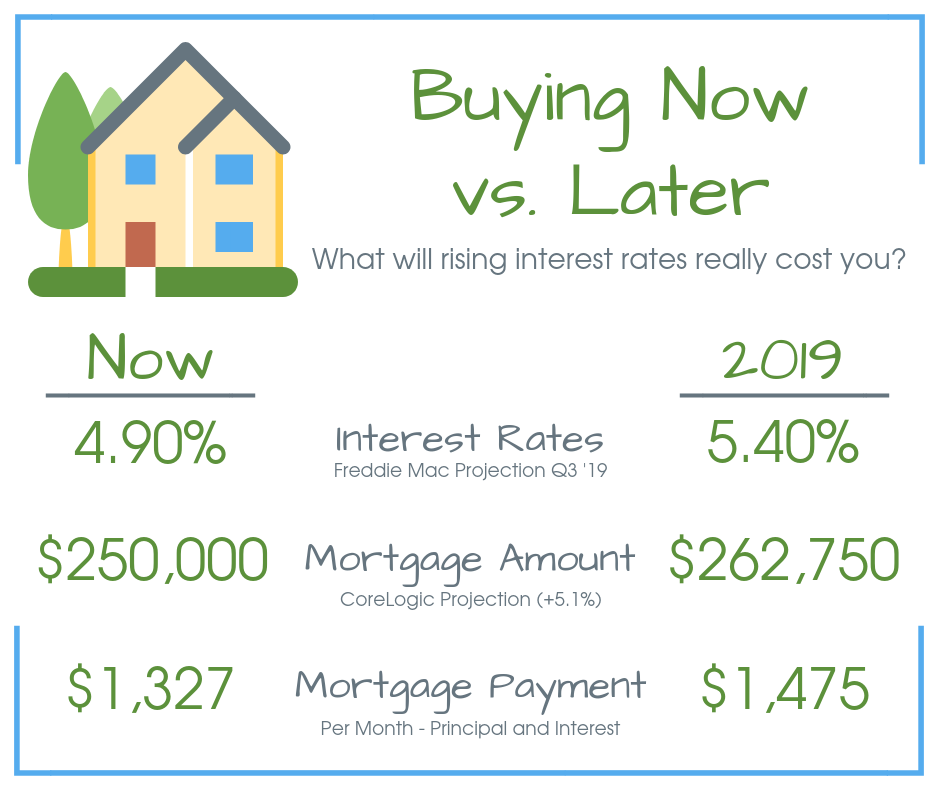
The most immediate and tangible effect of the interest rate is on your monthly mortgage payment. Even a seemingly small difference in percentage points can translate into hundreds of dollars per month.
- Direct Correlation: A lower interest rate means a lower monthly payment for the same loan amount and term, making homeownership more affordable and freeing up funds for other financial goals.
- Impact on Buying Power: Conversely, higher rates reduce your buying power. For a given budget, a higher rate means you qualify for a smaller loan amount, potentially limiting your housing options.
Total Cost of the Loan
Over the entire life of a 15-year or 30-year mortgage, the cumulative interest paid can be staggering.
- Significant Accumulation: With a 30-year fixed-rate mortgage, you often pay more in interest than the original principal amount borrowed. A lower interest rate directly reduces this total interest burden, saving you tens or even hundreds of thousands of dollars over the loan term.
- Wealth Preservation: Money saved on interest can be redirected towards investments, retirement savings, or other wealth-building strategies, bolstering your overall financial health.
Equity Building and Wealth Accumulation
Lower interest rates can also accelerate your ability to build equity in your home.
- Faster Principal Reduction: When less of your monthly payment goes towards interest, a larger portion goes towards reducing the principal balance. This accelerates the rate at which you build equity—the portion of your home’s value that you own outright.
- Leveraging Equity: Greater equity provides financial flexibility, allowing you to borrow against it (e.g., through a home equity loan or line of credit) for renovations, education, or other significant expenses, or to realize a larger profit when you sell.
- Asset Growth: For many, a home is their largest asset. Managing mortgage interest effectively contributes directly to the growth and value of this crucial asset, playing a central role in long-term wealth accumulation.

Refinancing Opportunities
Understanding the current home interest rate environment is crucial for identifying refinancing opportunities.
- When to Refinance: If market interest rates drop significantly below your current mortgage rate, refinancing can be an excellent strategy to lower your monthly payments, reduce your total interest costs, or change your loan term.
- Other Refinance Reasons: Beyond rate reduction, refinancing can also be used to switch from an ARM to a fixed-rate mortgage for stability, or to take cash out of your home equity.
- Cost-Benefit Analysis: Always weigh the potential savings against the closing costs associated with refinancing. Calculate the break-even point to determine how long it will take for the savings to offset the refinancing fees.
In conclusion, home interest rates are a cornerstone of personal finance and a critical determinant of financial well-being for homeowners. Their fluctuating nature, driven by a confluence of economic, market, and personal factors, demands continuous attention and informed decision-making. By diligently understanding these rates, strategically preparing your financial profile, and carefully shopping for the right mortgage product, individuals can navigate the complex housing market with confidence, optimize their borrowing costs, and pave the way for long-term financial stability and wealth creation.
aViewFromTheCave is a participant in the Amazon Services LLC Associates Program, an affiliate advertising program designed to provide a means for sites to earn advertising fees by advertising and linking to Amazon.com. Amazon, the Amazon logo, AmazonSupply, and the AmazonSupply logo are trademarks of Amazon.com, Inc. or its affiliates. As an Amazon Associate we earn affiliate commissions from qualifying purchases.